Visiting Egypt in January is the best crowds-to-weather trade-off of the winter, if you dress for dawn
Visiting Egypt in January is the best crowds-to-weather trade-off of the winter, if you dress for dawn
January is peak season at its peak in Egypt, and the coldest month of the year at the same time. The two facts belong together. Afternoons in Luxor and Aswan sit in the low 70s Fahrenheit, around 23 Celsius, under skies that stay clear for weeks, which is why the ships and the good hotels are full. What you pay for it is the dawn: the top deck at six, the road to Abu Simbel and a desert camp all drop into the 40s Fahrenheit, and a White Desert night touches freezing. Coptic Christmas falls on January 7, the mid-month lull is the quietest good weather of the winter, and MLK weekend fills the cabins Americans want. Dress in layers and book the ship first.
Why the coldest month is also the busiest one
Ask anyone who runs tours in Egypt which month the country works best and January comes up more often than a weather app would suggest. It is the coldest month on the calendar. It is also the month when the whole Nile valley is comfortable at every hour of the day.
The cost is the first two hours of every day and the last two of every night. That is the whole deal. Wear a jacket at dawn, take it off by ten, and January gives you the best walking conditions of the year. How the year splits is on our page about high and low season in Egypt; the month-by-month picture is in the guide to the best time to visit Egypt.
Three different Januaries: the hangover week, the holiday, the lull
January is not one month on the ground. It is three, and the dates you pick inside it change the trip more than in any other winter month.
| Dates | Who is in Egypt | Ships and hotels | How we plan it |
|---|---|---|---|
| January 1 to 6 | The New Year crowd finishing their trips | Still full | Start in Cairo, board the ship after the 5th |
| January 7 | Egyptian Christian families in church and at home; a national holiday | Normal for visitors, offices closed | A Coptic Cairo day if you want the atmosphere, a Giza day if not |
| January 8 to about the 20th | The lull: the fewest visitors of the winter for this weather | The most cabin choice between October and March | Our favorite ten days of the year for a full itinerary |
| MLK weekend and the last ten days | American couples and families on the long weekend | Cabins tighten again around the third Monday | Book early, Nile first, Cairo second |
The hangover week is the one to be careful with. People assume the first week is quiet because the holidays are over. It is not; the New Year sailings do not end until their passengers fly home around the fifth or sixth. The lull is why January has a reputation among people who plan trips for a living: same sky, same temperatures, half the line at the Valley of the Kings.
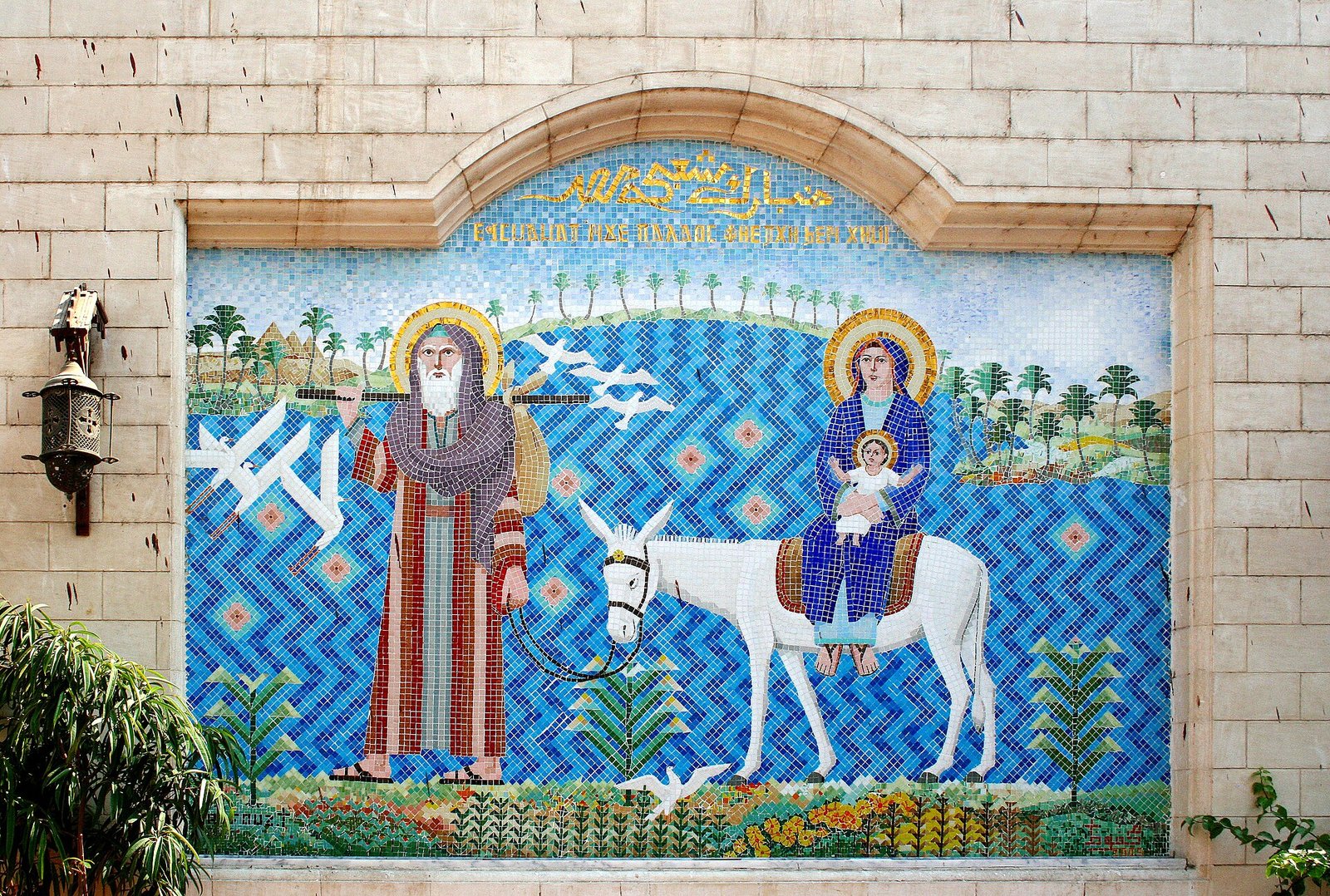
Coptic Christmas on January 7 and Epiphany on the 19th
Egypt's Christians keep the older calendar, so their Christmas falls on January 7 and it is a national public holiday. The date is fixed and safe to plan around. On the evening of the 6th the churches hold the long Christmas Eve liturgy. For a visitor, this is what changes:
- The temples, pyramids and museums keep their normal winter hours. Check the current schedule for any one site, but a closure on the 7th is the exception.
- Banks and offices are shut. It does not touch a tour.
- The churches of Old Cairo, the Hanging Church and Saint Sergius among them, are crowded with families on the 6th and 7th. It is the one day of the year to see them in use rather than as monuments.
- Restaurants that serve visitors are open.
Twelve days later, on January 19, the Coptic Church keeps Epiphany. Nothing closes, but the churches fill again in the evening. Our walk through the district is in the guide to Coptic Cairo; on the 6th or 7th we put it in the late afternoon, when the courtyards are liveliest. January 25 is also a national holiday, with sites open but some downtown streets closed, so we keep it for Giza and Saqqara.
How cold is cold: dawn, afternoon and night, region by region
People arrive expecting a desert and find a proper winter morning. The numbers are not extreme. What catches you is the swing between them, twice a day, every day: the top deck at sunrise in the low 40s Fahrenheit, around 6 Celsius, with the breeze of a moving ship on top; Karnak at one in the afternoon in the low 70s, about 23 Celsius, in shirt sleeves; dinner on deck back in the high 40s.
| Region | Dawn | Mid afternoon | The one thing to know |
|---|---|---|---|
| Cairo and Giza | High 40s Fahrenheit, 8 to 9 Celsius | Mid 60s Fahrenheit, about 19 Celsius | Grey, smoggy mornings that clear by ten; the plateau is windy |
| Luxor | Low to mid 40s Fahrenheit, 6 to 7 Celsius | Low 70s Fahrenheit, about 23 Celsius | The coldest dawns of the trip, on the river |
| Aswan and Abu Simbel | High 40s Fahrenheit, about 9 Celsius | Mid 70s Fahrenheit, about 24 Celsius | Warmest afternoons in the country, cold road before sunrise |
| Red Sea coast | Mid 50s Fahrenheit, about 13 Celsius | Around 70 Fahrenheit, 21 Celsius | North wind on several days; sheltered bays matter |
| Western Desert and Sinai heights | At or just above freezing, 0 to 3 Celsius | Low 60s Fahrenheit, about 17 Celsius | Sleeping bag weather; the stars are the payoff |
| Alexandria | Around 50 Fahrenheit, 10 Celsius | Low 60s Fahrenheit, about 17 Celsius | The wettest month of the year on the coast |
Cairo deserves a word about its mornings. In January the city sits under a winter inversion, so the first hours are grey and hazy and the pyramids from a hotel window are a silhouette. It burns off by mid morning, so we schedule the pyramids at eleven, after the museum, and the photographs are better for it.
Dressing for dawn: the layer system that beats a heavy coat
The January packing mistake is a single thick coat. It is too much at eleven, too bulky in a daypack, and useless on the parts that actually get cold on a river at dawn: the head, the hands and the neck. What works is thin layers you shed one at a time.
- A long sleeved base layer, worn every day. It is your sun protection at noon as much as your warmth at six.
- A fleece or thin sweater. This is the piece that goes on and off five times a day.
- A windproof shell, light and packable. On the top deck it is the wind, not the air, that gets through. A ski jacket is overkill; a windbreaker over a fleece is exactly right.
- A beanie, thin gloves and a scarf. Two hours a day, and those are the hours with the best light.
- Closed shoes with grip for tombs, warm socks for the evening, and sunglasses, a brimmed hat and sunscreen, because the winter sun sits low and comes at your face all day.
One extra that earns its place in January only: a sleeping bag liner if a desert camp is on the itinerary, because the camp blankets are not always enough at freezing. The full list is in our guide to what to pack for Egypt. Read it with the January swing in mind: every item you take off by ten has to fit in the bag you carry all day.
The Red Sea in January: cool to swim, right to dive
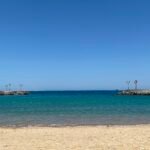
The Red Sea is deep, enclosed and very salty, and it holds the summer's heat well into the winter. In January the water is around 70 Fahrenheit, 21 Celsius. What that means depends on who you are.
- Divers: one of the good months. Visibility is at its best with less plankton in the water, and a 5 millimeter wetsuit is standard.
- Snorkelers: fine for half an hour, cold after that. A shorty wetsuit turns it into a proper morning.
- Swimmers: a quick swim, then the sunbed. Anyone used to Florida will call it cold, and most resort pools are heated.
- Everyone: the north wind. January has more windy days than any other winter month on the coast, and a windy day cancels a boat trip. Sharm el Sheikh and the bays of Sahl Hasheesh are better protected than the open Hurghada beach front.
So yes to the Red Sea in January, as the rest at the end of a long cruise and Cairo itinerary, not as the reason to come. The sheltered-bay question is one of the things we weigh in Hurghada or Sharm el Sheikh.
Why January is the month for the long, full itinerary
Every month in Egypt has one region that does not work. In July it is Upper Egypt in the afternoon. In January it is nowhere, so it is the month to do the whole country in one trip of twelve to fifteen days rather than a piece of it:
- Three nights in Cairo: Giza and Saqqara, the two big museums, Islamic and Coptic Cairo. The museum mornings absorb the grey hours.
- A domestic flight south and four or five nights on the Nile, with the west bank of Luxor done in one long, cool morning that would be brutal in May.
- Abu Simbel by road from Aswan before dawn, the coldest and clearest start of the trip.
- Two nights in the Western Desert, the White Desert camp and the oases, only comfortable between November and March.
- Three nights on the Red Sea, or, for the Sinai version, Saint Catherine's monastery and the Mount Sinai sunrise climb, a hard, cold, unforgettable walk in January.
The skeleton of the twelve day version is on our page about the Egypt itinerary for 12 days. In January we lengthen the desert leg and shorten the beach leg. The other reason for a long trip is daylight: sunset is a little after five, so a rushed January itinerary is a rushed itinerary in the dark.
Full ships and MLK weekend: how to still get the cabin you want
January ships are booked months ahead, and not only for the first week. In the second and third weeks every good ship is on the river and every good ship is full. That is not a contradiction with the lull: the lull is at the temples and in the hotels, and the ships are simply the tightest part of the supply.
Martin Luther King weekend, the third Monday of January, adds a specific American wave. Many families extend the first three day weekend of the year into a week, and they all want the same thing: a balcony cabin on a ship leaving Luxor that Saturday.
- Book the ship before the hotels, the domestic flights and everything else. It is the one piece we cannot conjure late.
- Be flexible on direction. Aswan to Luxor sailings fill more slowly on the popular dates, and it is the same temples in the other order.
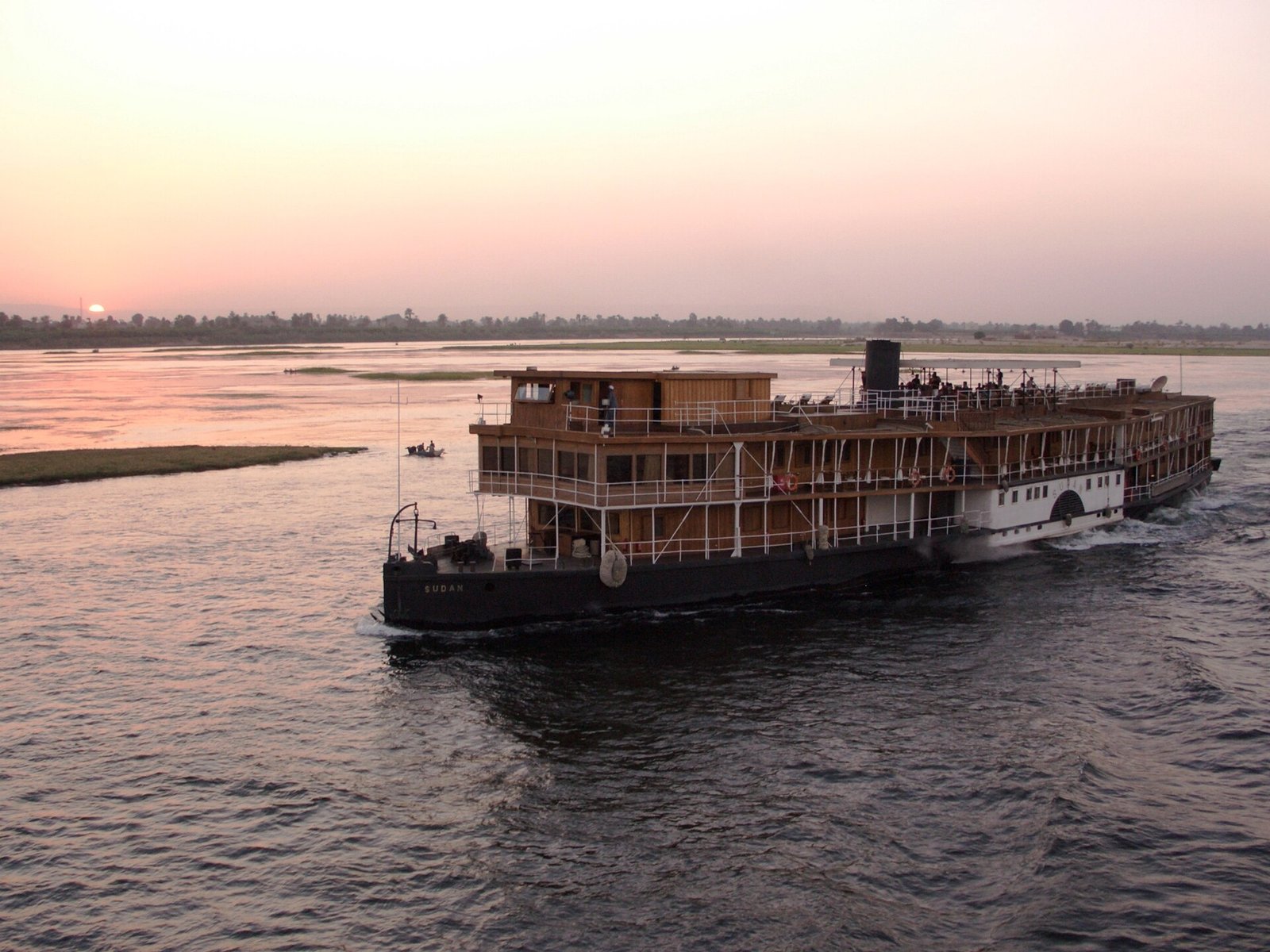
- Consider a dahabiya. The small sailing boats are often available when the five deck ships are gone. They are colder at night, so ask for extra blankets.
- If the MLK dates are fixed, put Cairo first and sail mid-week, after the weekend rush has boarded.
What separates a good January ship from a disappointing one is in how to choose a Nile cruise. In January, heating in the cabin is not a detail; check it.
The clearest skies of the year: Abu Simbel, balloons and the desert at night
January air is the cleanest of the Egyptian year. The summer haze is gone, the khamsin dust of spring has not started, and the only thing between you and the horizon is cold. Three places make the most of it.
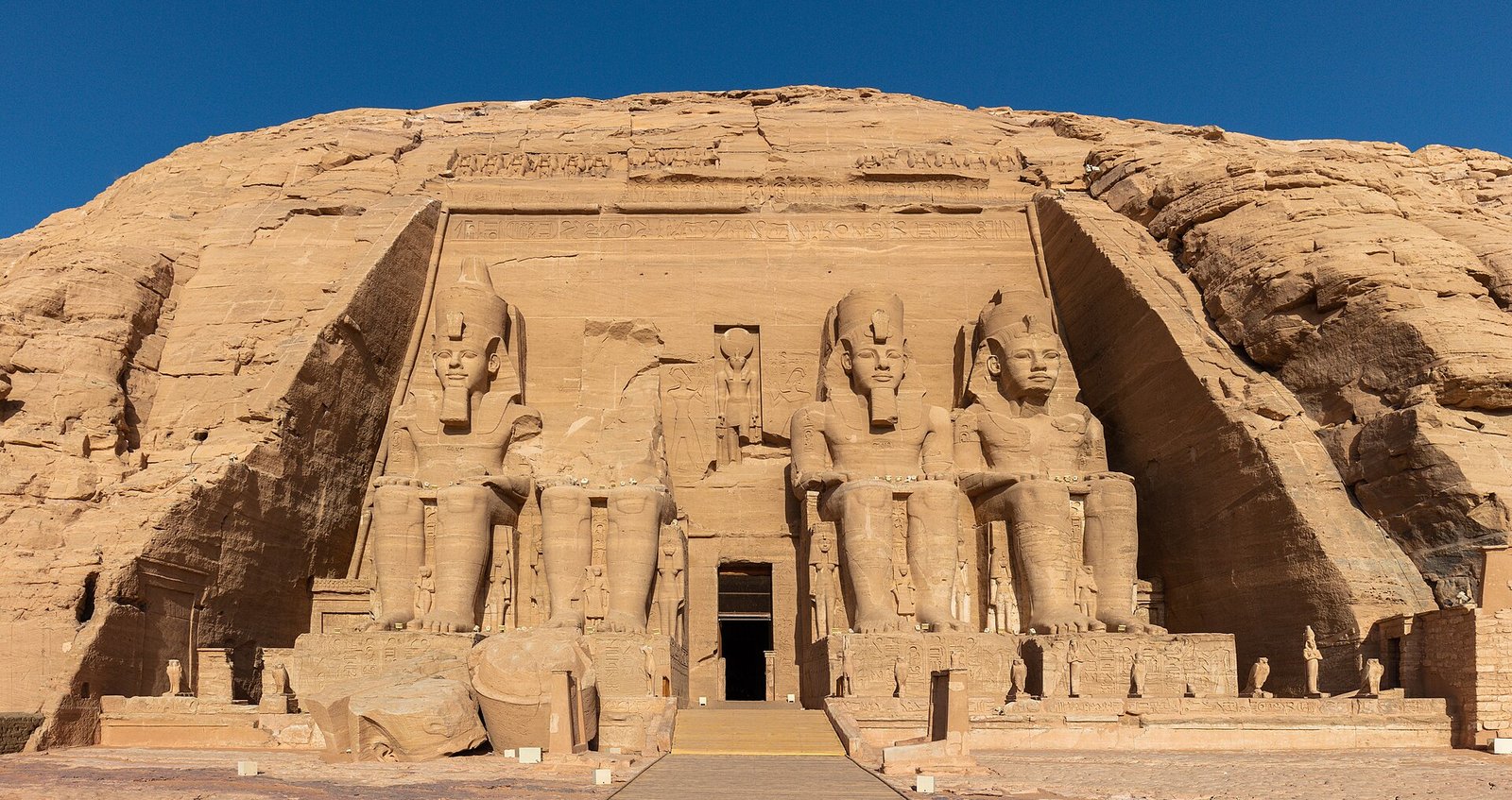
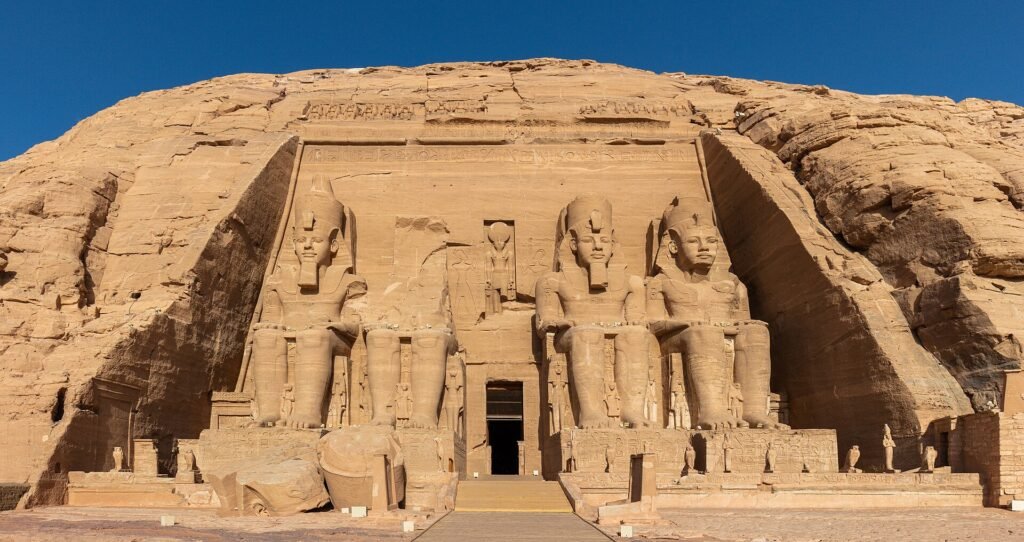
Abu Simbel. The sun alignment inside the temple happens in February and October, not January, so do not plan for the beam. What you get is the facade at sunrise, the four colossi turning from grey to gold over twenty minutes, with Lake Nasser still behind them and the far shore sharp in a way it rarely is in warmer months.
The balloons over Luxor. They fly all winter, and January gives the best pairing of a clear sky and a still dawn. The basket is a few degrees colder than the ground, and the view runs from the Nile to the cliffs of Deir el Bahari with no dust in between.
The desert at night. The White Desert in January is a sky most Americans have never seen: no moisture, no light, and the Milky Way from horizon to horizon by eight. It sits at freezing by midnight and the sleeping bag is the whole question. Do not skip the night.
January against December and February, and if Ramadan lands in your dates
The three winter months are close on paper and different in practice.
- December has the school holidays and the Christmas and New Year sailings, so it is the busiest of the three. It is the month for families whose dates are fixed by a school calendar; our guide to visiting Egypt in December explains how to make it work.
- January is a degree or two colder at dawn, clearer in the sky, and quieter from the second week. It is the month for a long itinerary that covers everything, desert included.
- February warms by a few degrees, the Abu Simbel sun alignment falls on the 22nd, and the last week can bring the first dust day of spring. It is the month for photographers and couples.
Ramadan moves about eleven days earlier each year, and in some years it falls in January. We do not print the dates because they change. When it coincides, the temples and museums open as normal, the ships serve every meal, restaurants that cater to visitors serve lunch, and Cairo's evenings become the liveliest of the year once the fast breaks at sunset. It changes the mood of a January trip, not the itinerary.
Frequently asked questions
Is January too cold for a Nile cruise?
No, but it is cold twice a day. Dawn on the top deck is in the low 40s Fahrenheit, about 6 Celsius, with the breeze of a moving ship on top, and after dinner it is back in the high 40s. Between ten and five it is in the 70s and the pool gets used. Cabins are heated on the good ships, so check that before you book, and pack a fleece, a windbreaker, a hat and gloves.
What happens on Coptic Christmas and does anything close?
Coptic Christmas is January 7, a fixed national holiday. Banks and offices close; the pyramids, temples and museums keep their normal winter schedule, though it is worth checking the current hours for any single site. The churches of Old Cairo are full of families on the evening of the 6th and all of the 7th, which is the one time to see them in use. Restaurants that serve visitors are open.
Is Egypt crowded in January?
The first week is, because the New Year sailings do not end until their passengers fly home around the 5th or 6th. From the second week the temples and hotels are as quiet as they get in high season, while the ships stay full. MLK weekend brings a short American spike around the third Monday. Aim for the 8th to the 20th if your dates are free.
Can you swim in the Red Sea in January?
The water is about 70 Fahrenheit, 21 Celsius. Divers in a 5 millimeter wetsuit have some of the clearest water of the year. Snorkelers manage half an hour, longer in a shorty suit. Swimmers used to warm water will find it cold and head for the heated pool. The bigger issue is the north wind, which blows on several January days and cancels boat trips, so choose a sheltered bay.
Does it rain in Egypt in January?
Almost never in Luxor, Aswan or the Red Sea, where a January shower is a story people tell. Cairo can have two or three short rainy days in the month and grey, smoggy mornings that clear by ten. Alexandria is the exception: January is its wettest month, with real rain on several days and a rough sea. Pack a light rain jacket for Cairo and Alexandria, nothing more.
Is MLK weekend enough time to see Egypt?
The three day weekend alone is not, because there is not enough ground time once you arrive. MLK weekend plus the following week gives seven or eight nights, enough for Cairo, a four night Nile cruise and Abu Simbel by road. Those are the most requested January sailing dates from the US, so book the ship well ahead, sail mid-week and put Cairo first.
January is the month for the whole country. Send us your dates.
Tell us whether you are traveling in the first week, around Coptic Christmas, in the mid-month lull or over MLK weekend, and who is coming. We check which ships still have heated cabins for your dates, build the days around the cold dawns and the clear afternoons, and send you the quote.