
Should you visit Egypt or Morocco first?
Should you visit Egypt or Morocco first?
Pick Egypt if the reason you are traveling is ancient history, a river cruise and a warm sea in the same week. The pyramids, the tombs of Luxor, a Nile cruise down to Aswan and a few days on the Red Sea fit into ten days with almost no wasted time. Pick Morocco if you want atmosphere over monuments: getting lost in the medinas of Marrakech and Fez, a drive over the Atlas, a night in the dunes near Merzouga and the Atlantic breeze in Essaouira. They are two separate trips, not one, and neither is a lesser version of the other. We run tours only in Egypt, so this page compares the two honestly and then plans the Egyptian one with you.
What each trip is really about
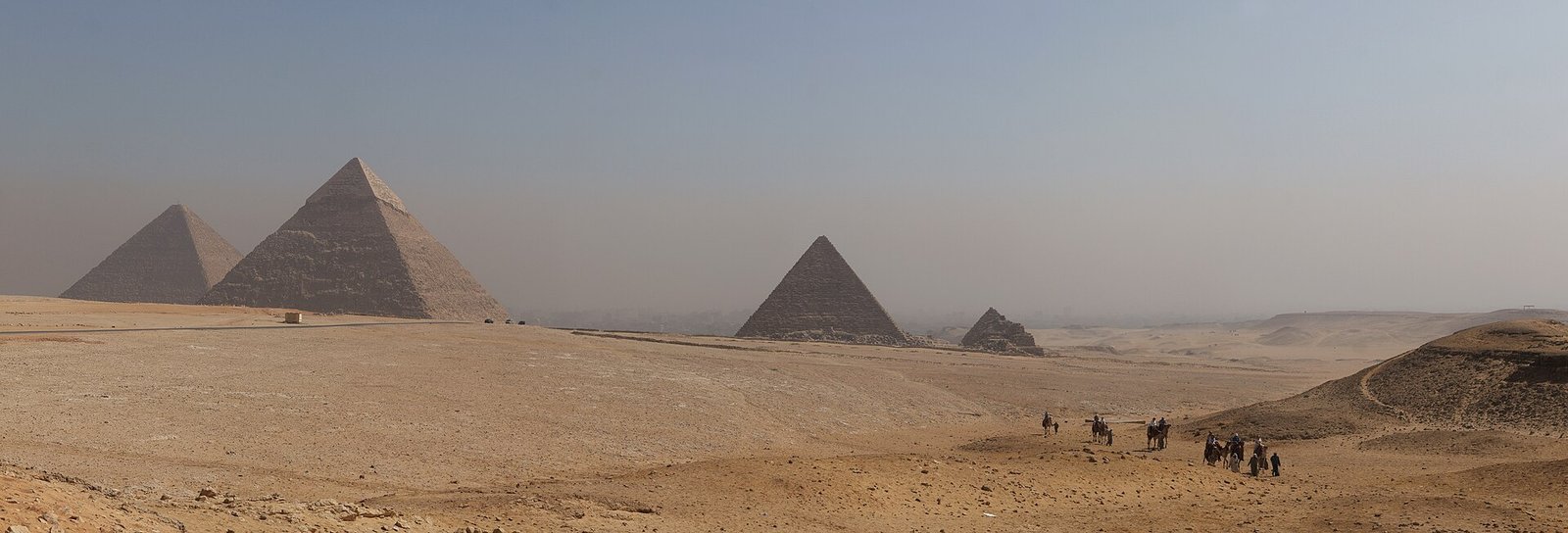
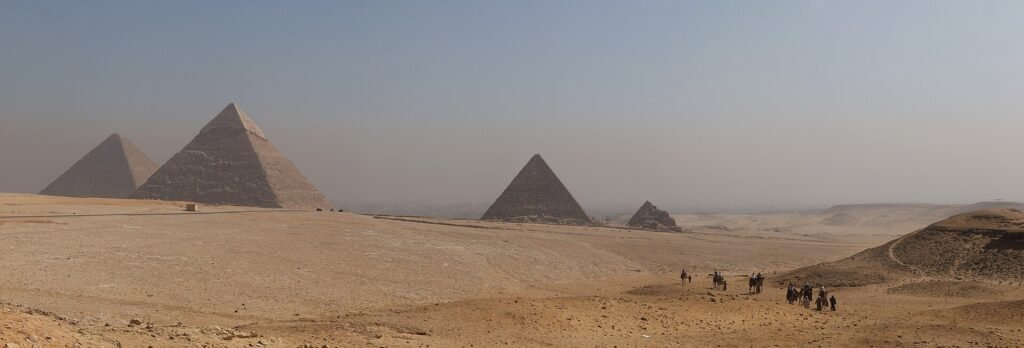
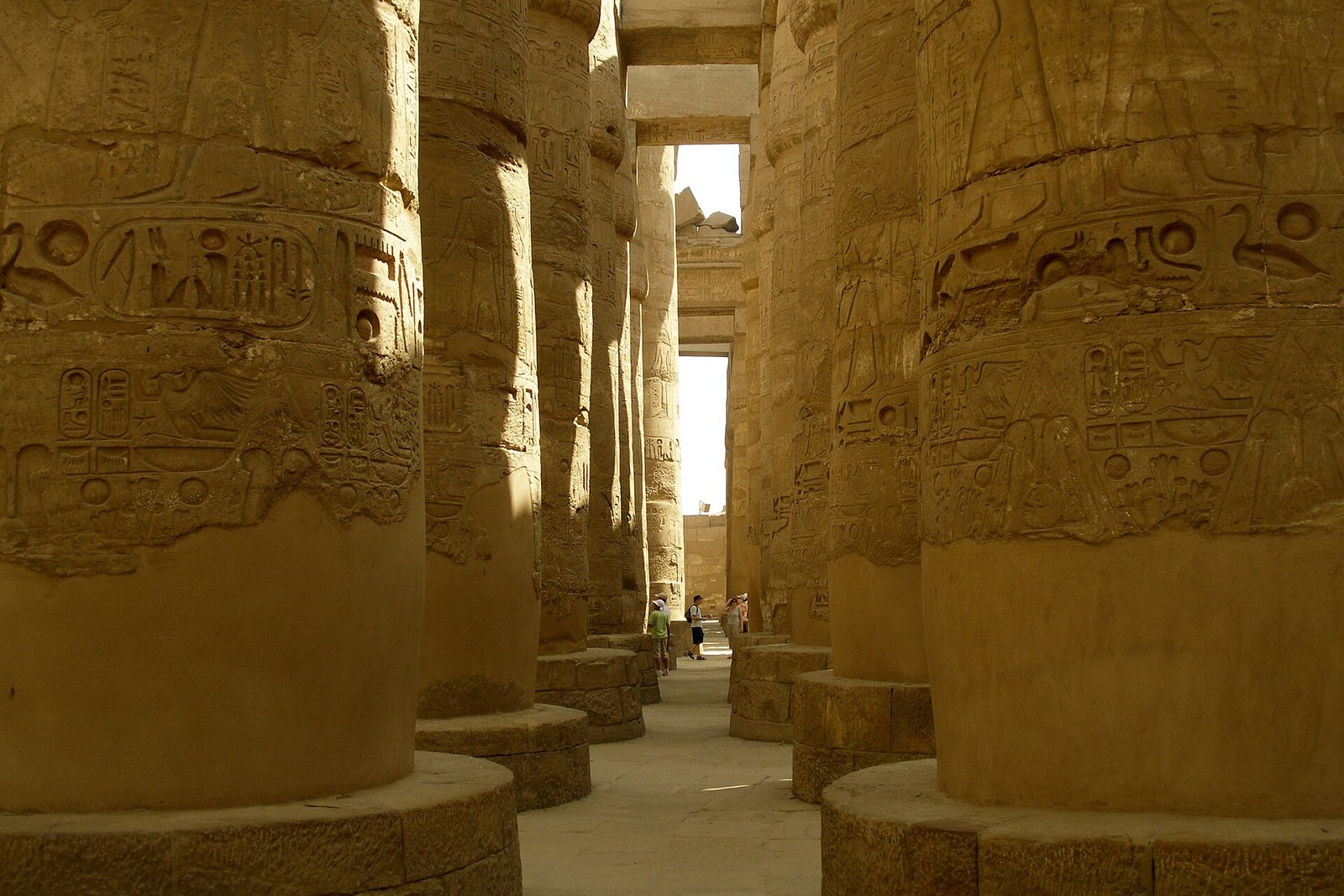
Egypt is a river with monuments on its banks. Cairo gives you Giza and two of the best museums in the world, Luxor gives you Karnak and the Valley of the Kings, Aswan gives you Philae and the road to Abu Simbel, and a cruise ties the last two together. Add the Red Sea for coral and warm water and you have the whole classic circuit. The point of Egypt is to stand inside buildings that are three and four thousand years old and still intact.
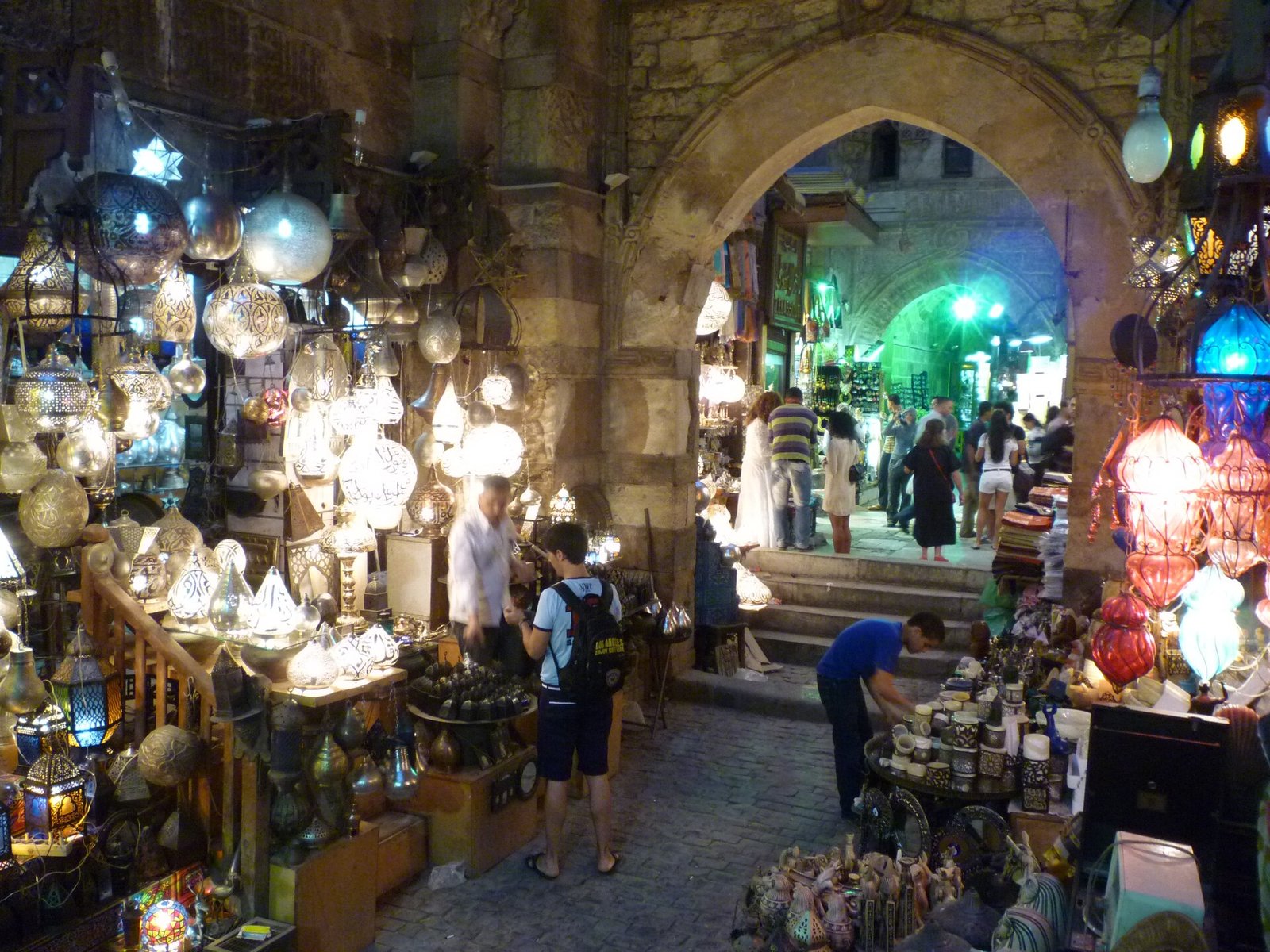
Morocco is a country of cities and landscapes rather than single monuments. Marrakech is the square, the souks and the riads. Fez is a medieval medina with no cars, tanneries and workshops that have not changed much in centuries. Between them and the desert sit the High Atlas passes, the kasbahs of the Draa and Dades valleys, and finally the orange dunes at Merzouga. Essaouira and the Atlantic coast add wind, seafood and surf.
A one-line test that works for most people: if you would rather walk into a painted tomb than get lost in a market, start with Egypt. If it is the other way around, start with Morocco. Our Egypt travel guide shows what the first option looks like in detail.
How many days each one needs
Egypt works in seven days if you only want Cairo, Luxor and Aswan with the cruise between them. Ten days lets you add three or four nights on the Red Sea. Twelve to fourteen days is the relaxed version with Abu Simbel, the White Desert or Sinai on top. We break the options down in how many days you need in Egypt.
Morocco is harder to compress. Marrakech, the Atlas and a desert loop in seven days means two long driving days out of seven. Ten to twelve days is what it really takes to cover Marrakech, Fez, the Sahara and one stretch of coast without feeling rushed.
- Egypt, short version: 7 days, Cairo plus the Nile cruise.
- Egypt, full version: 10 to 12 days, adding the Red Sea and Abu Simbel.
- Morocco, short version: 7 days, Marrakech plus the Atlas and one desert night.
- Morocco, full version: 10 to 12 days, imperial cities plus Sahara plus coast.
So the honest answer is that both want about ten days. The difference is how those days feel: Egypt spends them on sites and on a boat, Morocco spends more of them on the road.
Distances and how you move around
Egypt looks huge on the map but the tourist circuit is a line along one river. Cairo to Luxor is about 400 miles (650 km), which is a one-hour domestic flight or an overnight sleeper train. Luxor to Aswan is 130 miles (210 km) and you cover it on the cruise over three or four nights without touching a suitcase. Aswan to Abu Simbel is a 3.5-hour drive each way or a short flight. Luxor to Hurghada on the Red Sea is a four-hour drive across the Eastern Desert.
Morocco spreads its highlights across the whole country. Marrakech to Fez is about 330 miles (530 km), seven to eight hours by road or a train ride via Casablanca. Marrakech to Merzouga is roughly 350 miles (560 km) over the Tizi n'Tichka pass and most travelers take two days each way, sleeping in the Dades or Todra gorges. Trains connect the northern cities well but never reach the desert.
The practical difference: Egypt moves you by air and by water, so your travel time doubles as sightseeing. Morocco moves you by road, and the road is beautiful, but you will spend three or four full days of a ten-day trip looking out of a car window.
The Nile cruise, the one thing Morocco has no answer for
Every country has a desert camp and a boutique hotel in an old house. Only Egypt has a slow boat that carries you past the sites while you sleep, drops you at a temple gate before breakfast and picks you up again before the heat. Three or four nights between Luxor and Aswan cover Karnak, the Valley of the Kings, Edfu, Kom Ombo and Philae, with the Esna lock and long deck afternoons in between.
If you want quieter, a dahabiya sails the same stretch with a dozen passengers and stops at villages the big boats skip. Either way, it is the part of an Egypt trip people remember longest, and it solves the packing, transfers and hotel changes that eat time in Morocco. Our Nile cruise guide explains routes, boat types and which direction to sail.
Morocco's closest equivalent is a night in a Sahara camp followed by a riad in Marrakech. Both are wonderful. Neither is a moving hotel that also happens to be the itinerary.
Deserts compared: White Desert and Sinai versus Merzouga
Morocco owns the postcard. Erg Chebbi at Merzouga is a field of tall orange dunes that you reach by camel at sunset, sleep beside in a tented camp and climb again at dawn. Erg Chigaga near M'Hamid is wilder and farther. If the single image in your head is a dune ridge against the sky, Morocco delivers it better than anywhere in Egypt that is reachable on a normal itinerary.
Egypt's deserts are stranger. The White Desert near Farafra is a plain of chalk formations shaped like mushrooms and animals, and camping there under the stars feels like another planet. Sinai gives you granite mountains, the sunrise climb of Mount Sinai, Bedouin camps and the rare combination of desert running straight into a coral sea at Dahab. Egypt does have huge dune fields in the Great Sand Sea, but they are far from the classic route.
Choose Morocco if the dune photo is essential. Choose Egypt if you want desert, mountain and sea in the same two days, or if a chalk landscape you have never seen before sounds better than one you have seen a hundred times on social media.
Beaches: the Red Sea against the Atlantic
This one is not close. The Red Sea is warm all year, with water between 72 and 84 F (22 to 29 C), reefs you can snorkel straight from the shore at Hurghada, Marsa Alam, Dahab and Sharm el-Sheikh, and some of the best diving on earth. You can pair a week of temples with a real beach vacation and never board a plane out of the country.
Morocco's coast is the Atlantic. Essaouira is windy and beautiful and better for walking and kite surfing than swimming. Taghazout is a surf town, Agadir is a resort strip. The water sits around 62 to 72 F (17 to 22 C) most of the year, refreshing rather than warm, and there is no coral. The beach in Morocco is a pleasant last stop, not the reason you go.
Food, culture and language
On food alone, Morocco has the edge and it is fair to say so. Tagines, couscous on Fridays, pastilla, grilled sardines in Essaouira and mint tea everywhere make up one of the great cuisines of the world. Egypt eats simpler and more casually: koshari, ful and ta'ameya for breakfast, molokhia, stuffed vegetables, grilled kofta, fresh juice on every corner. It is good, cheap street food, and the cruise buffets are filling rather than memorable. We list what is actually worth ordering in what to eat in Egypt.
Both are Arab, Muslim-majority countries with deep hospitality traditions. Morocco layers Amazigh culture on top and French is the second language in most cities. Egypt is Arabic first, with English widely spoken in hotels, on cruise boats and by anyone in tourism, and Egyptians are famous for their humor. If you speak French, Morocco will feel easier on the street. If you only speak English, Egypt will.
Both have persistent vendors. The Marrakech medina and the area around the Giza pyramids are the two places you will notice it most. In Egypt a private guide absorbs almost all of it; in Morocco you learn to say no politely and keep walking.
Which is better with kids
Egypt is unusually good for children between about six and fourteen. Pyramids, mummies, hieroglyphs and gods with animal heads are already in their heads from school, and seeing them for real lands hard. The cruise has a pool, a fixed cabin and short site visits, which is the easiest way to travel with a family anywhere. The Red Sea snorkeling at the end is the reward. The challenges are early starts and heat, which is why we plan tomb visits for the first hours of the day. Our family guide to Egypt covers ages, pacing and what to skip.
Morocco suits older kids and teens who enjoy a road trip. The camel ride and a night in the dunes are magic at any age, and riads with courtyard pools are relaxing. Small children tire quickly in the medinas and long drives to the desert are hard on everyone under ten.
Heat by season, in Fahrenheit and Celsius
Egypt's heat is dry and predictable. Luxor and Aswan hit 104 to 113 F (40 to 45 C) in June, July and August, Cairo sits around 95 F (35 C), and the Red Sea coast stays a little cooler with a breeze. From November to February daytime highs run 68 to 77 F (20 to 25 C) in Upper Egypt with cool nights, which is why October to April is the classic window. The full month-by-month picture is in the best time to visit Egypt.
Morocco has more variety in a smaller space. Marrakech and Fez reach 100 F (38 C) in summer. The Sahara touches 110 F (43 C) by day in July and drops near freezing on winter nights. The High Atlas holds snow from December to March and the coast stays mild all year around 65 to 77 F (18 to 25 C). Spring and fall are the sweet spots.
- Egypt best months: October to April. Summer is doable on the coast and on the cruise with early starts.
- Morocco best months: March to May and September to November. Summer in the desert is genuinely brutal.
- Winter: Egypt is at its best. Morocco's cities are pleasant, the desert nights are cold and the mountains are snowy.
Safety, in general terms
Both countries run enormous tourism industries and both have a dedicated tourist police presence in the places visitors go. The everyday risks are the same in Marrakech and Cairo: overcharging, a taxi taking the long way, someone offering to help who then wants a tip. Violent crime against tourists is rare in both.
In Egypt the standard way to travel is with a guide, a driver and a fixed program through Cairo, the Nile valley and the Red Sea, which removes most of the friction. In Morocco independent travel is more common and solo walkers in the medinas get more hassle, though rarely anything worse. Check your own government's current advisory for both before you book, and read is Egypt safe to visit for the specifics on our side.
Who should pick which first
Go to Egypt first if:
- Ancient history is the reason you travel and you want the sites to be the days, not the stops between them.
- You want a cruise, a warm sea and world-class snorkeling in the same trip.
- You are traveling with children under twelve or with older parents who prefer short walks and a boat.
- You only speak English and would rather have a guide than a phrasebook.
- You are traveling in winter.
Go to Morocco first if:
- You care more about wandering, markets, textiles and architecture you can stay inside than about single famous monuments.
- The Sahara dune night is non-negotiable.
- Food is a major reason you travel.
- You enjoy a road trip and want to rent a car or hire a driver and set your own pace.
- You are traveling in April, May, October or November and want mountains as well as desert.
If Egypt is winning but Petra keeps pulling at you, the same reasoning applies across the border, and we compare that pairing in Egypt or Jordan.
Egypt and Morocco side by side
| Criterion | Egypt | Morocco |
|---|---|---|
| Main draw | Pharaonic monuments, the Nile, the Red Sea | Medinas, Atlas mountains, Sahara dunes, coast |
| Days that feel right | 7 to 12 | 10 to 12 |
| Getting around | Domestic flights and the cruise; private car with driver | Long road days; trains only between northern cities |
| Signature experience | Three or four nights on a Nile cruise | A night in a desert camp at Merzouga |
| Desert | White Desert chalk, Sinai mountains, desert meets sea | Classic tall orange dunes |
| Beaches | Warm Red Sea, coral, snorkeling from shore | Cool Atlantic, surf and wind, no coral |
| Food | Good and simple, strong street food | One of the world's great cuisines |
| Language | Arabic; English easy in tourism | Arabic and Amazigh; French widely spoken |
| Families | Excellent from age six, especially with a cruise | Best with teens who enjoy road trips |
| Best months | October to April | March to May, September to November |
| Summer heat | 104 to 113 F (40 to 45 C) in Upper Egypt | 100 to 110 F (38 to 43 C) inland and in the Sahara |
Read the table as two different vacations rather than a scorecard. Egypt scores on monuments, water and ease of movement. Morocco scores on cities, food and dunes. Almost nobody who has done both regrets either, and most end up doing both eventually.
Frequently asked questions
Can you combine Egypt and Morocco in one trip?
You can, but we do not recommend it unless you have three weeks. The two countries are on opposite ends of North Africa with no land route between them, and each needs about ten days to feel complete. Squeezing both into two weeks means skipping the cruise in Egypt or the desert in Morocco, which are exactly the parts worth going for. Treat them as separate trips.
Which is better for a first trip to North Africa or the Middle East?
Egypt, for most first-timers. The circuit is guided, English is everywhere in tourism, the cruise handles logistics, and the sites are the ones you already know. Morocco rewards travelers who are comfortable navigating on their own and reading a map in a medina. If you have done independent travel in Europe or Latin America, Morocco is a fine first choice too.
Which is better for a honeymoon?
Both work and the choice comes down to style. A dahabiya cruise on the Nile followed by a quiet Red Sea resort is slow, warm and private. A riad in Marrakech, a night under the stars in the dunes and a few days in Essaouira is more romantic in the cinematic sense but involves more driving. If you want to unpack once and stay put, Egypt is easier.
Is Egypt hotter than Morocco?
In summer, yes in Upper Egypt. Luxor and Aswan run hotter and drier than Marrakech in July and August, though the Moroccan Sahara is just as brutal. In winter Egypt is warmer and more reliable, while Morocco's desert nights fall near freezing and the Atlas gets snow. The coast is mild in both countries. Choose Egypt for winter sun and Morocco for spring and fall.
Do I need a guide in Egypt the way I might not in Morocco?
You can travel Egypt independently, but almost everyone who does the classic circuit uses a guide and a driver, and it is the better experience. The tombs and temples mean little without someone reading them for you, the transfers are long and the hassle at the pyramids disappears with a local beside you. In Morocco a guide is useful in Fez and for the desert loop, less so elsewhere.
Which has better shopping?
Morocco, clearly. Rugs, leather, ceramics, lanterns and textiles in Marrakech and Fez are a real reason people go, and the workshops are part of the sightseeing. Egypt has Khan el-Khalili in Cairo, spice and cotton, alabaster in Luxor and Nubian crafts in Aswan, but shopping is a side activity rather than a highlight. Bargaining is expected in both.
Morocco can wait. Let us plan Egypt.
Tell us your dates, who is traveling and whether the cruise or the Red Sea matters more, and we send you a day-by-day Egypt plan with our own guides and vehicles, then the quote. No commitment, just a clear picture of what the first of your two North African trips would look like.