Coptic Cairo is the oldest corner of the city, and this is how to see it properly
Coptic Cairo is the oldest corner of the city, and this is how to see it properly
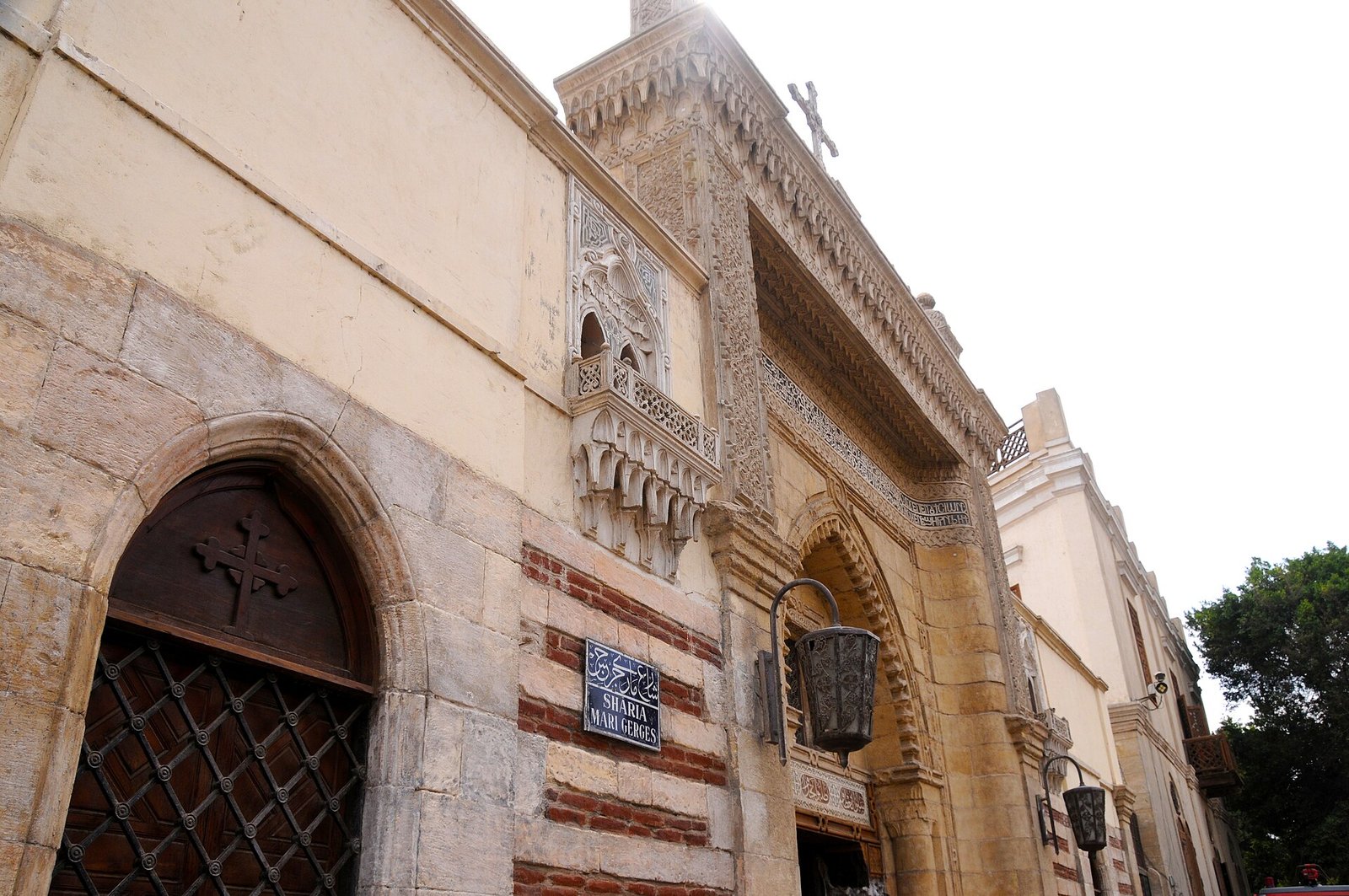
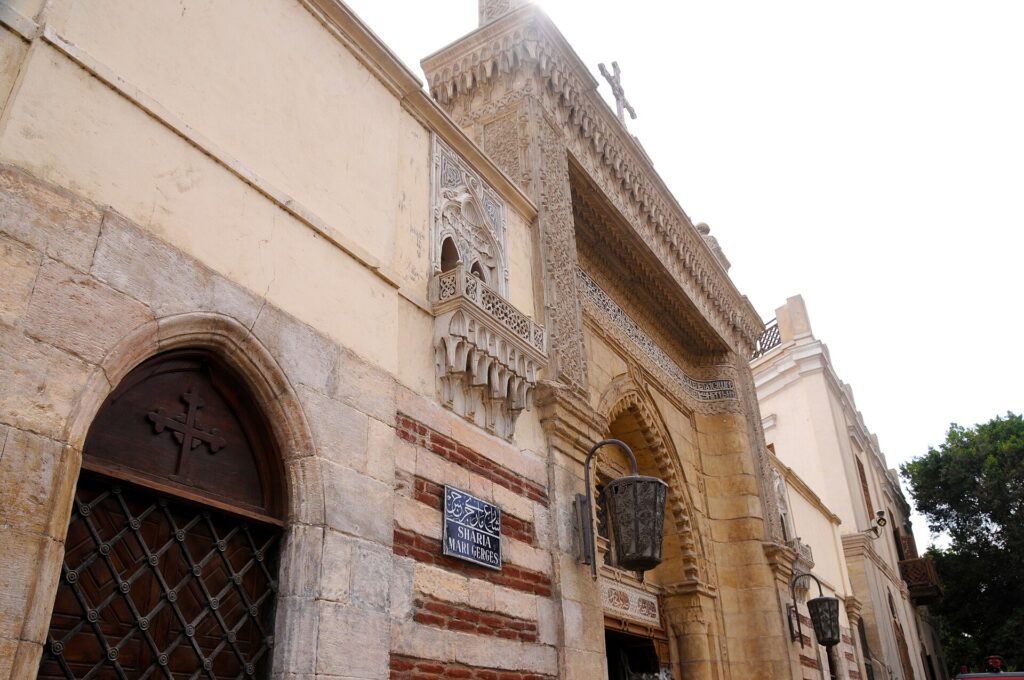
Coptic Cairo is a small walled quarter in Old Cairo, built inside and on top of the Roman fortress of Babylon, where Egypt's first churches went up long before the Islamic city existed. In a few shaded lanes you get the Hanging Church, the church of St Sergius and Bacchus with the crypt where tradition says the Holy Family sheltered, the Ben Ezra Synagogue, the round church of St George and the Coptic Museum. It takes two to three hours on foot, sits right at the Mar Girgis metro stop, and pairs naturally with Islamic Cairo or the Citadel for a full day.
What Coptic Cairo is, and why it belongs on your Cairo days
Most first-time visitors plan Cairo around the pyramids, the museum and the bazaar, and Coptic Cairo gets dropped. It is the one place in the capital where you see the Egypt that sits between the pharaohs and the mosques: Roman walls, early Christian churches, a medieval synagogue and a living community that still prays partly in the last form of the ancient Egyptian language.
Copt comes from the Greek word for Egyptian, filtered through Arabic. It first meant the people of the country, not a faith, and over the centuries it came to mean Egypt's Christians, today the largest Christian community in the Middle East. Their church has its own rite, calendar and pope, and this quarter is its symbolic heart.
Everything worth seeing sits within a few hundred yards of the two Roman towers at the entrance, along sunken lanes that stay shaded most of the day. That makes it an easy piece of a three-day Cairo plan and a smart choice on a hot afternoon.
The Babylon Fortress under everything
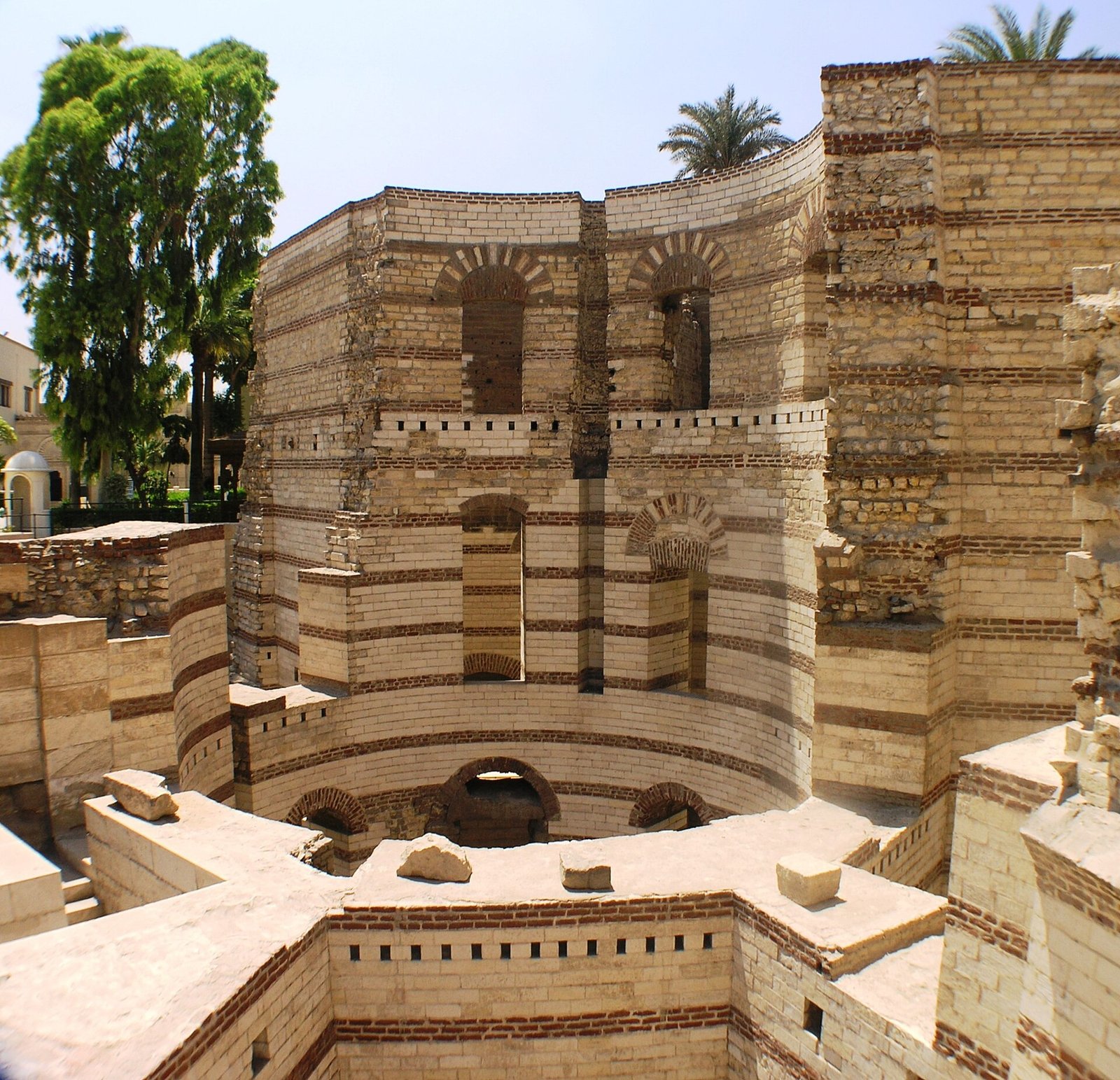
Before the churches there was a fort. The Romans called this spot Babylon of Egypt, and under Trajan they built a fortress at the head of a canal linking the Nile to the Red Sea. Later emperors thickened the walls. When the Arab armies arrived in the seventh century this was the stronghold they besieged, and Fustat, the ancestor of Cairo, grew up beside it.
Two enormous round towers still flank the old south gate, and you walk between them to enter. Look at the ground level: the Roman street lies roughly twenty feet, about six meters, below the modern one, buried under fifteen centuries of rubble. That is why you descend steps into some churches and why one famous church appears to float.
Once you hold that picture the whole quarter makes sense: churches on the walls and towers because those were the solid foundations, the synagogue inside the enclosure because that was the safe place, lanes on the Roman plan. A guide who starts here, rather than at the first icon, gives you the map that unlocks the rest.
The Hanging Church, and what the name really means
The Hanging Church, Al Muallaqa in Arabic, is dedicated to the Virgin Mary and is the building everyone comes for. The name is literal: the nave was built across the gap between two towers of the fortress water gate, with the floor spanning empty air. A glass panel in the floor lets you look down into the void.
You climb a flight of steps, pass under the twin bell towers added in the nineteenth century, cross a courtyard of mosaics and enter a dim basilica with a wooden ceiling built like the hull of a boat. A church has stood here since at least the seventh century.
Look closely at three things. The marble pulpit stands on thirteen slender columns, one for Christ and each apostle, with one darker column for Judas. The sanctuary screens are ebony inlaid with ivory in patterns older than those in the mosques of Islamic Cairo. And among well over a hundred icons is the panel of the Virgin that guides call the Coptic Mona Lisa. The church is in daily use; if you arrive mid-liturgy, stand quietly at the back or come back in an hour.
St Sergius and Bacchus, the Holy Family crypt and the trail behind it
A few minutes down the lane is Abu Serga, the church of Saints Sergius and Bacchus, two Roman soldiers martyred for their faith. Its foundations are older than the Hanging Church, a fourth or fifth century basilica with columns salvaged from Roman buildings, and it feels it: low, dark, worn stone and a smell of old wood and incense.
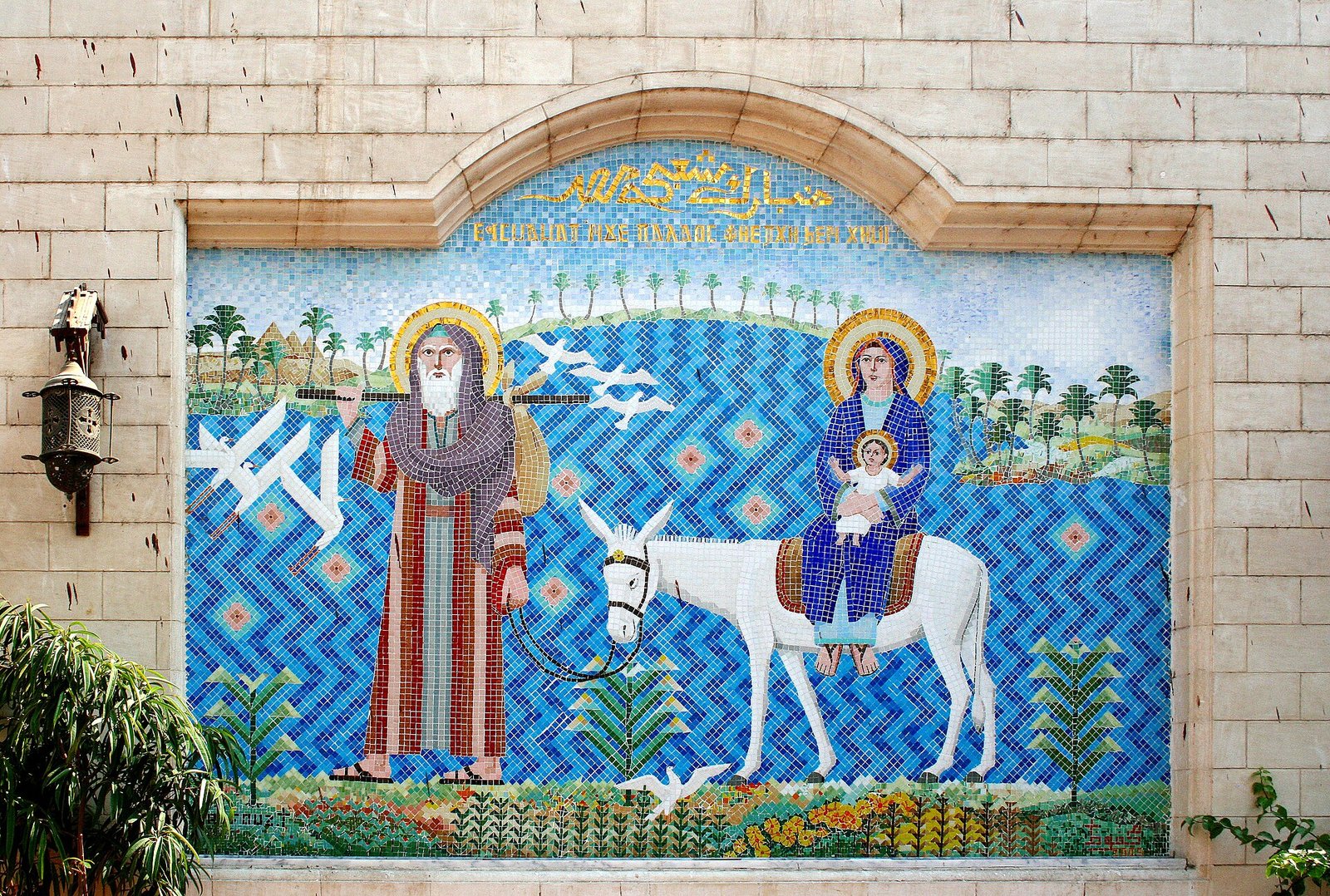
The reason pilgrims come is under the floor. Coptic tradition holds that Mary, Joseph and the infant Jesus, fleeing Herod as told in the Gospel of Matthew, lived for a time in a cave on this spot. The church was later built over it, and the cave became a crypt with its own tiny nave and columns, reached by a steep staircase beside the altar.
For years the crypt was closed because groundwater rose into it, and it has since been drained and restored. Access still depends on the water table and on what is happening in the church, so ask your guide that morning. When it is open, it is the emotional center of the quarter, whatever you believe about the story.
The crypt is one stop on a longer route. Coptic tradition traces the family across the Sinai into the Delta, to a tree at Matariya in northern Cairo, to this cave, then by boat from Maadi up the Nile to the monastery of al Muharraq near Assiut. The church and the Egyptian state have mapped it as a pilgrimage trail, and this cave is why Egyptian Christians say their country belongs in the Christmas story.
The Coptic Museum, the largest collection of Christian Egyptian art anywhere
The Coptic Museum sits inside the walls next to the Hanging Church, in two wings built around shaded garden courtyards. It was founded by Marcus Simaika, a Coptic notable who spent years rescuing woodwork, textiles and manuscripts from churches being demolished, and his collection is the largest of its kind in the world.
What makes it worth an hour is the story it tells. In the first rooms the stone carvings are still pharaonic in shape, with the ankh sign quietly turning into a cross. Then Greek and Roman motifs, then a fully Christian art of its own, with big-eyed saints and woven tunics in reds and greens that look startlingly modern. It is the missing chapter between the Egyptian Museum and the mosques.
Give extra time to the textile galleries, with tapestry fragments from late Roman burials whose colors survive after fifteen hundred years, and to the manuscript room, home of the Nag Hammadi codices found in Upper Egypt in the 1940s, which include the Gospel of Thomas. Displays rotate and opening days change, so confirm the current schedule.
Ben Ezra Synagogue and the Cairo Geniza
At the far end of the main lane stands the Ben Ezra Synagogue, the oldest in Egypt. Tradition says the infant Moses was pulled from the reeds nearby, and that the building began as a church the community bought in the ninth century. What you see is a nineteenth century rebuild with a fine wooden bimah and a cool, quiet interior. Photography inside is normally not allowed.
The reason scholars know the name is a hidden room. Jewish law forbids destroying any text carrying the name of God, so worn-out writings were pushed through a high opening into a sealed chamber, a geniza. Here it went unemptied for roughly nine hundred years, and because the community also dropped in letters, contracts and schoolbooks, it became an accidental archive of everyday medieval life.
In the 1890s the Cambridge scholar Solomon Schechter recognized what it was and carried most of it to England. The fragments, hundreds of thousands of them in Hebrew, Arabic and Judeo-Arabic, rewrote the history of the medieval Mediterranean. Nothing of that remains in the building, but knowing it happened turns a three-minute stop into a place you remember.
St George, the chains and the cemetery lanes most people skip
The metro station is named Mar Girgis, St George, after the Greek Orthodox church that sits on one of the Roman towers by the entrance. It is the only round church in Egypt, rebuilt after a fire in the early twentieth century, with a soaring domed interior that looks nothing like the Coptic churches below.
Below it, the Coptic convent of St George keeps a chapel where visitors wrap themselves in a heavy iron chain associated with the saint's torments, a devotion that startles most Americans. Watch, be respectful, and join in only if you mean it.
The part guidebooks miss is behind the churches: the Greek Orthodox and Coptic cemeteries, with marble angels and pepper trees, the quiet early basilicas of St Barbara and the Virgin Qasriyat al Rihan, and the side lanes where the community actually lives. Ten minutes there tells you this is a neighborhood, not an open-air museum. A short walk north of the walls stands the mosque of Amr ibn al-As, the first mosque built in Egypt and in Africa, which completes a three-faith morning.
How to get there: Mar Girgis metro, a car, or with us
Coptic Cairo is about three miles south of Tahrir Square, in the district Egyptians call Misr al Qadima, Old Cairo, and its metro stop opens directly across from the fortress towers.
| Option | How it works | Best for |
|---|---|---|
| Metro, Line 1 | Board at Sadat station under Tahrir Square toward Helwan and ride four stops south to Mar Girgis. About ten minutes; the middle cars are reserved for women. | Independent travelers downtown, anyone who wants one ride on the Cairo metro. |
| Uber or Careem | Set the destination as the Coptic Museum or Mar Girgis station. From Zamalek or Garden City allow twenty to forty minutes in traffic. | Hotels away from the metro line, older travelers, hot afternoons. |
| Explora Egipto car and guide | Door-to-door in our own vehicle with an Egyptologist guide, combined with Islamic Cairo, the Citadel or the pyramids the same day. | Anyone who wants the history explained and the day sequenced around service times. |
The metro is safe and fun but crowded in rush hours, so aim for mid-morning and keep your ticket for the exit gate. Our notes on ride apps in Cairo cover the car option. Security checks at the gates are routine; a small bag gets you through faster than a backpack.
How long it takes and how to combine it with Islamic Cairo or the Citadel
A focused visit, meaning the Hanging Church, Abu Serga, Ben Ezra, St George and the lanes, takes about two hours. Add the Coptic Museum and you are at three. Add the cemeteries and Amr ibn al-As and it becomes a full morning.
Because it sits on the southern edge of the historic city, it pairs naturally with the medieval quarter to the north. The classic full day runs Coptic Cairo first, while it is cool and before the buses, then the Citadel of Saladin and its view over the city, then lunch, then Al Muizz street and Khan el Khalili in the late afternoon light.
The other common pairing is the pyramids in the morning and Coptic Cairo in the shade after lunch, which suits travelers with one day before a Nile cruise. One honest note: Giza is in the west and Coptic Cairo in the southeast, so the drive between them can run an hour in traffic. It works, but the Old and Islamic Cairo day is the more relaxed combination. Our Cairo excursions page shows the standard sequences and we adjust from there.
Coptic Christmas, service times and what to wear
The Coptic Church follows its own calendar, so Christmas falls on January 7 and a long fast runs through the weeks before it. On feast days the churches fill with local families, the liturgy runs long and the lanes fill with candle sellers. It is moving as a respectful bystander and poor for a quiet look at the icons. Our guide to Christmas in Egypt explains how the two Christmases fit into a trip.
Outside feast days the busiest hours are Sunday and Friday mornings, when there are services and baptisms, so we usually place the quarter on a weekday between mid-morning and early afternoon.
Dress is the same as in any working place of worship in the country: shoulders and knees covered for everyone, hats off inside, quiet voices. Women do not need to cover their hair in the churches, though a light scarf helps in the synagogue and at the mosque afterwards. Shoes stay on in the churches and come off in the mosque. Photography without flash is tolerated in most churches, never during services and never in the synagogue. Our notes on what to wear in Egypt cover the rest of the day.
What an Egyptologist guide adds, and how Explora Egipto slots it in
You can walk Coptic Cairo alone with a map and enjoy it. What you cannot do alone is read it. The quarter is fifteen centuries of building stacked on a Roman fort, and without someone to point at the join between tower and nave, it becomes a sequence of dim rooms with icons. Our guides are licensed Egyptologists, most of them Cairo-born, and several are Copts, so the liturgy, the fasting calendar and the chains at St George get explained from the inside.
One detail: Coptic is the final stage of the ancient Egyptian language, written in the Greek alphabet plus a handful of signs borrowed from demotic. The chants in these churches carry words a scribe in Thebes would have recognized, and it was Champollion's knowledge of Coptic that unlocked the Rosetta Stone. If that grabs you, our guide to reading hieroglyphs tells the rest of the story.
In practice we build the quarter into a Cairo day rather than selling it on its own. It usually sits in the second Cairo day of our multi-day itineraries, paired with the Citadel and Islamic Cairo. We can shift it to the arrival day or the last day for travelers flying on to Luxor or Aswan. Tell us your dates, your hotel and whether the crypt matters to you, and we send a plan with the quote, with the Giza pyramids and the rest of the capital sequenced around it.
Frequently asked questions
Is Coptic Cairo worth visiting?
Yes, and more than most people expect. It is the only place in the capital where Roman, early Christian, Jewish and early Islamic history sit within a few hundred yards of each other, and it is shaded, quiet and easy to reach. With one day in Cairo it is the piece we would cut last after the pyramids and the museum.
How do I get to Coptic Cairo by metro?
Take Line 1 from Sadat station under Tahrir Square toward Helwan and get off four stops later at Mar Girgis. The exit puts you directly across from the Roman towers and the Hanging Church steps. The ride takes about ten minutes, and a weekday mid-morning avoids the crush. Keep your ticket for the exit gate.
Can you visit the Holy Family crypt under Abu Serga?
Usually, but not always. The crypt was closed for years because of groundwater and has been restored, so on most days you can go down the steps beside the altar into the small vaulted chamber. Access still depends on the water level and on services in the church, so ask your guide that morning.
How long does Coptic Cairo take?
About two hours for the Hanging Church, Abu Serga, Ben Ezra and St George with a walk through the lanes, three if you add the Coptic Museum, and a full morning if you include the cemeteries and the Amr ibn al-As mosque outside the walls. Do not rush the small churches.
What should I wear to visit the churches?
Shoulders and knees covered for men and women, hats off inside, and comfortable closed shoes for the uneven stone steps. Women do not need to cover their hair in the Coptic churches, but a light scarf helps if you continue to the synagogue or the mosque. No flash, no photos during services, quiet voices.
Is Coptic Cairo open on Sundays and on Coptic Christmas?
The churches are open, but Sunday mornings and feast days such as Coptic Christmas on January 7 are exactly when they are busiest with services and local families, so you see the community at prayer rather than the icons up close. For a proper look at the interiors we schedule a weekday mid-morning.
See the Cairo that came between the pharaohs and the mosques
Tell us your dates, your hotel and how much of the old city you want to cover, and we come back with a Cairo day that puts Coptic Cairo in the right slot, with an Egyptologist guide and the crypt, the museum and the Citadel sequenced around service times. No prices on this page, just a quote in your inbox.