
That one paragraph settles most of the question, but it is the details underneath it that decide whether the number you were quoted is the number you actually spend. Two Egypt operators can advertise nearly identical prices and hand you very different trips. One prepays every gate ticket, the other collects them from you in cash at the turnstile. One puts a private Egyptologist with you for the full day, the other hands you off to a site-by-site ticket runner. One includes the Cairo to Aswan flight, the other assumes you will sort it out yourself.
This page lays out exactly what Explora includes on each of our ten programs, exactly what it does not, and what the gaps realistically cost you in 2026. Every monument figure below comes from the official Egyptian ministry ticketing platform, converted at 1 USD to 49.79 EGP. Where we do not have a verified number, we say so rather than guessing. Prices are from, per person, based on two people sharing a room.
The short answer: what a private Egypt tour covers
Strip away the marketing and an Egypt program is six line items. Accommodation. Ground transport. Guiding. Monument entry. Meals. Domestic air travel. An operator either pays for each of those before you land or leaves it on your side of the ledger, and the honest ones tell you which, in writing, before you commit to anything.
Explora is an Egyptian company, contracting hotels, boats, drivers and guides directly. The gate tickets, the boat cabin and the guide are bought at local rates in Egyptian pounds rather than resold through a chain of intermediaries. That also sets a hard limit on what we can honestly promise: we do not sell international airline seats, so we do not include them, quote them or hold them for you.
The second thing that shapes every inclusion list on this site is the shape of the trip. Our four multi-day land-and-river programs, the 7-day Egypt classic tour, the 8-day classic with Abu Simbel, the 10-day Cairo, Luxor and Aswan itinerary and the 12-day grand tour with Hurghada, include domestic flights because they physically cannot work without them. The shorter regional products do not, because they start and end in the same part of the country.
What is included
The following appear on every Explora program unless a specific product page says otherwise. Read the product page as the binding version. This is the pattern.
- Accommodation. Four-star and five-star hotels on land, and a four-star Nile cruise boat on the river, in a double room or a double cabin with a private bathroom and air conditioning. Upgrades to higher categories are quoted on request.
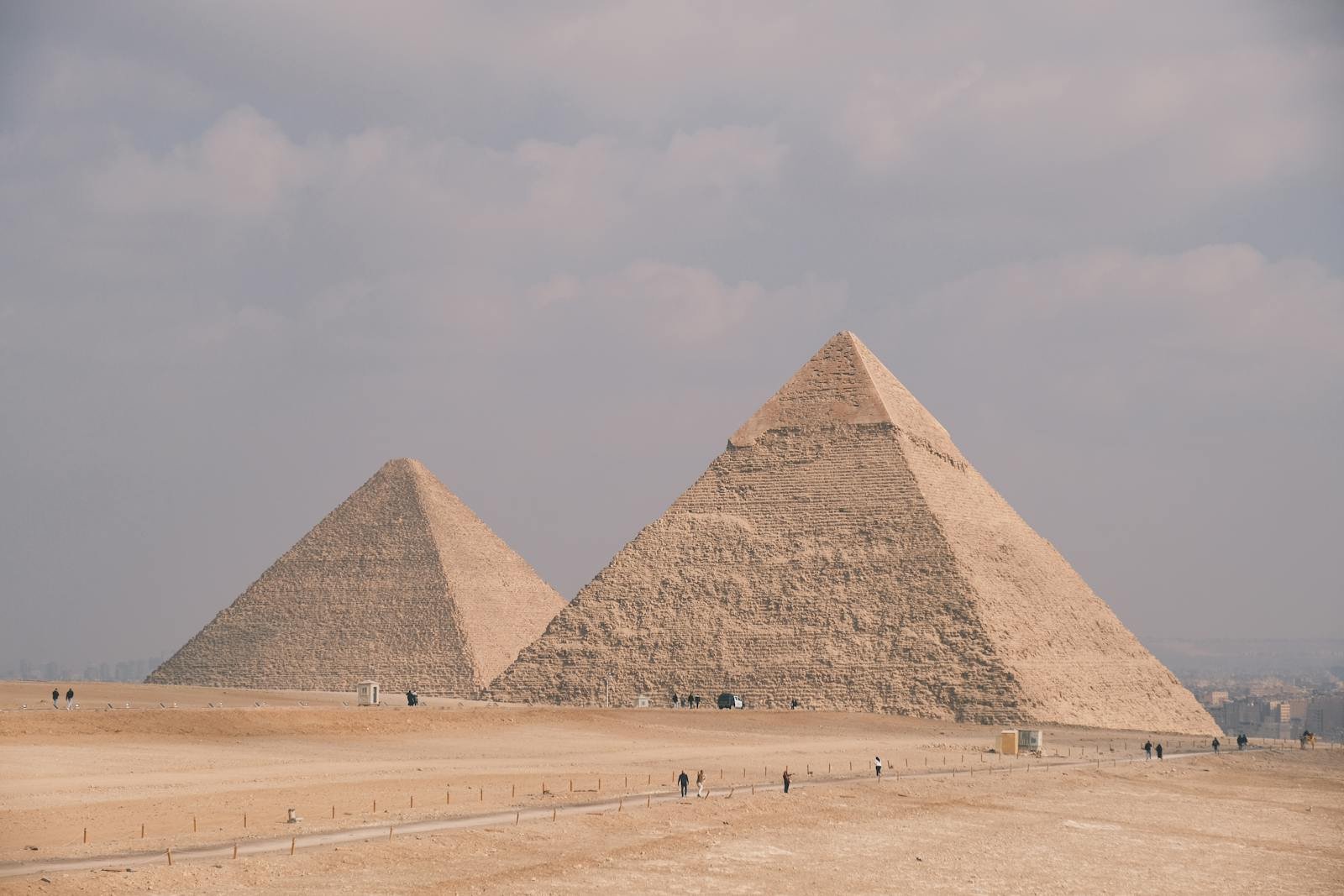
- Private transfers, every leg. Airport to hotel, hotel to dock, dock to site, site to hotel. Private means your party and a driver, not a shared shuttle collecting eleven other people from four hotels. Cairo arrivals get meet-and-assist at the terminal.
- A licensed English-speaking Egyptologist. Not a ticket handler and not a shopping escort. Egyptian guiding licenses are issued after a degree in Egyptology or archaeology and a language examination, and the license is checked at the gates.
- Monument entrance fees, prepaid. Every gate on your itinerary is bought before you arrive and itemized on your confirmation. You do not queue at a ticket window and you do not hand cash to anyone at a turnstile.
- Domestic flights on the multi-day programs. Ticketed by us, in your name, on the sectors your itinerary requires. The sectors are named on each of those four product pages.
- Meals as specified per program. Full board on the river, breakfast daily on land, and specific lunches on the shorter tours. The table further down states which is which.
- Bottled water in the vehicle on every driving day, plus all service charges and local taxes on the services we book.
- WhatsApp support around the clock on +20 103 229 5513, answered by the team in Egypt, in English, for the whole time you are in the country.
What is NOT included
This is the more useful list, and it is the one most operators bury. Nothing here is a hidden fee. It is simply outside what we sell.
- Your international flight to and from Egypt. We do not sell it, book it, include it, hold it or quote it, and no price on this site contains it. You buy your own ticket into Cairo, Luxor or Hurghada and tell us the arrival details. This is deliberate: it keeps your air budget under your own control and lets you use miles, a preferred carrier or a routing that suits you.
- The Egypt e-visa. 30 USD for a single entry, 65 USD for multiple entry, applied for by you on the official government portal. We send written step-by-step instructions and add no service fee.
- Tips. Voluntary, but customary. Budget roughly 7 to 10 USD per person per day across your guide, driver and boat crew combined.
- Travel insurance. Not included and not sold by us. Strongly recommended, and worth buying the same week you commit to dates.
- Optional premium entries. The clearest example is going inside the Great Pyramid, a separate 1,000 EGP ticket, roughly 20 USD, bought at Giza on the day. Tombs at the Valley of the Kings beyond the three covered by your ticket are also sold separately: extra cost, paid at the ticket office, and we do not print a figure for them because we have not verified one.
- Drinks. Soft drinks, alcohol, bar service, coffee outside the included meals, and mineral water bought at hotels or on board.
- Meals not listed as included on your specific program, plus room service, laundry, spa treatments, photography permits at the sites that charge for them, and anything you buy in a bazaar.
- The single supplement if you are traveling alone and want a room or cabin to yourself. Quoted on request, since it moves with the hotel and the season.
- Domestic flights on the short regional products. Both Nile cruises, the two-day Luxor tour and both Abu Simbel trips exclude them, because those itineraries begin and end in the same region.
Hotels and the cruise boat: what a star rating means in Egypt
Egyptian hotel stars are awarded by the Ministry of Tourism, and they do not map neatly onto star ratings elsewhere. A four-star Cairo hotel on our programs is a full-service property with a restaurant, a bar, elevators, room service and a front desk that speaks English through the night. It is comfortable and clean rather than luxurious. A five-star upgrade buys you more space, better bathrooms, a better breakfast spread and usually a pool that people actually want to swim in.
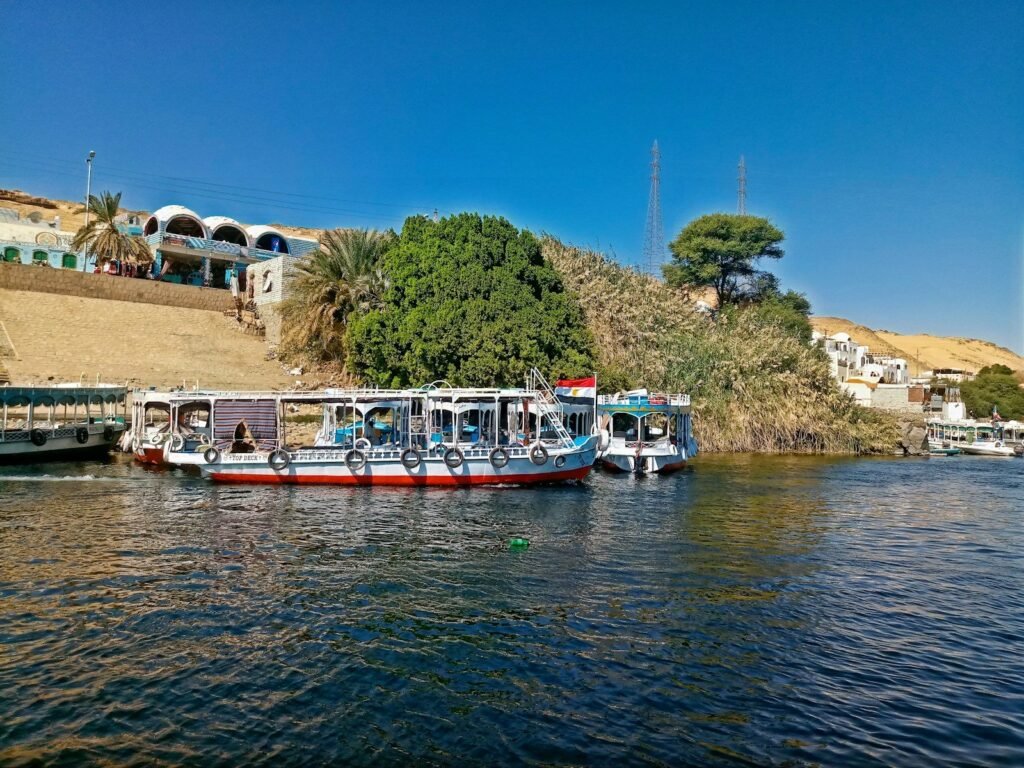
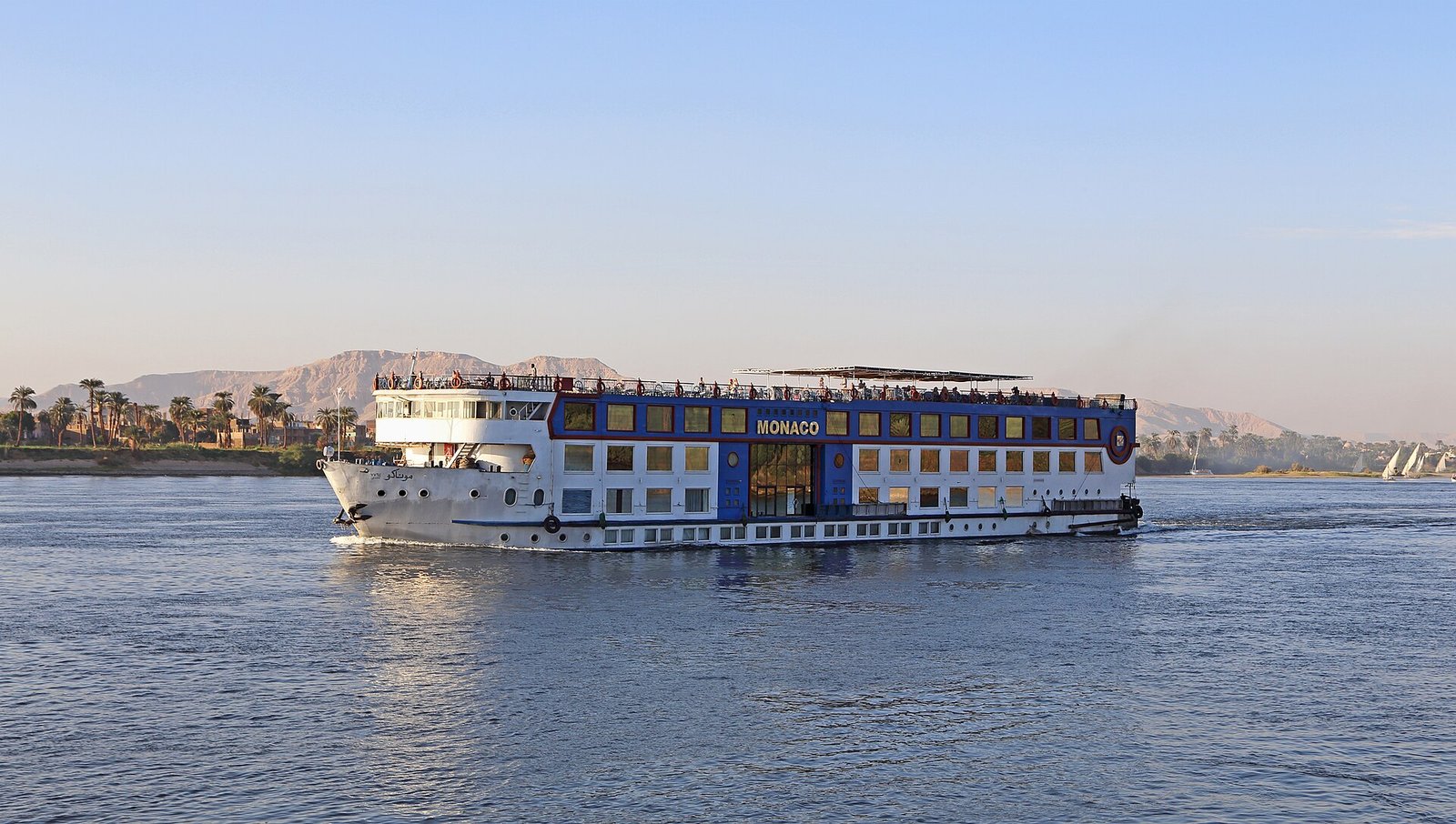
The boat is a different product entirely. A Nile cruise ship is closer to a small floating hotel than to an ocean liner. Cabins are compact, with a picture window, a private bathroom and individually controlled air conditioning, and there is a sun deck, a small pool, a dining room and a lounge. What you are buying on the river is the position of your bedroom, not resort facilities. You tie up within walking distance of Edfu and Kom Ombo and you watch the bank go past from a deck chair.
One practical note that catches people out: the boat you are assigned is confirmed close to departure rather than months ahead. Egyptian river operators move passengers between vessels of the same category to keep sailings full, so what you are guaranteed is the category and the itinerary, and the specific boat name is confirmed with your final documents. If a named vessel matters to you, say so when you enquire and we will price it as a specific request instead.
Both Nile cruise directions use the same class of boat, so the choice between them is about which end of the river you want to fly into, not about the vessel. If you prefer to sleep on land and drive the same route, the Aswan and Luxor overland tour covers an almost identical list of temples from hotels instead of a cabin.
Ground transport: what private actually means
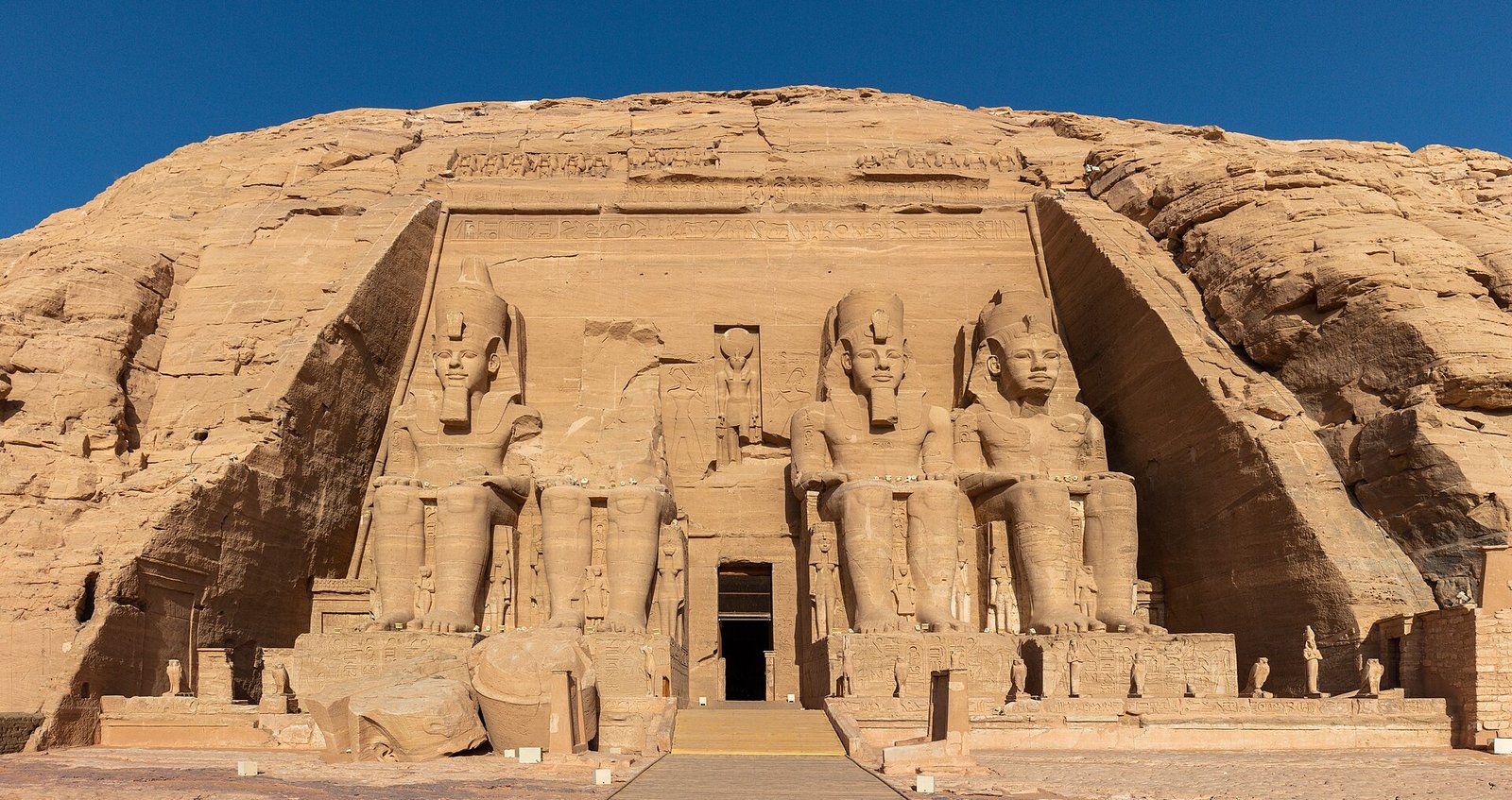
Transport is the inclusion that quietly decides how your days feel, and it is the one most often described in words that sound specific and mean nothing. Here is our version, stated plainly.
You get a modern air-conditioned vehicle sized to your party, with a licensed tourism driver, and it stays with you for the day. It does not drop you at a gate and disappear to pick up another group. There are no shared pickups from four other hotels at six in the morning, and there are no commission stops. If you finish the Valley of the Kings an hour earlier than planned, the vehicle is at the exit and you move on.
What the vehicle is not is a private car at your disposal in the evening. Included transport covers the legs on your itinerary: airport transfers, hotel to site, site to site, hotel to dock, dock to airport. Dinner across town on a free evening is your own taxi or ride-hailing app, which works normally in Cairo and costs very little. Say the word when you enquire if you want the driver held for evening use and we will quote it as an add-on.
On the long road legs the inclusion matters more than usual. The run from Aswan to Abu Simbel is roughly three hours of desert driving each way, and the Luxor west bank involves a river crossing and a spread-out set of sites. Those are the days when a shared coach turns a visit into a schedule, and they are the days the private vehicle earns its place in the price.
Domestic flights, and why the international one is never included
Egypt is long. Aswan sits a very long way up the Nile from Cairo, the flight takes roughly an hour and a half, and the overnight train, while it exists and while people enjoy it, eats a night you have already paid a guide for. So the four multi-day programs include the domestic sectors their routing requires, as standard, ticketed in your name and included in the price you were quoted. Each of those product pages names its sectors, because "internal flights included" without the sectors written down is not a commitment.
The international ticket is a different animal. It is the largest and most volatile line in your Egypt budget, it swings by hundreds of dollars depending on when and where you book, and an operator markup on it would cost you money rather than save you any. We are a ground operator in Egypt, not an airline ticket seller, so we do not pretend to sell long-haul seats. Practically, this means your quote never moves because a fare changed, and you can route through any hub you like. Book your own flight, send us the flight number and landing time, and a driver holding a sign will be at arrivals.
It also means one thing you should plan around. Because we do not control your inbound flight, we build the first day with a margin, and we ask for your arrival time early so the first morning is realistic rather than optimistic. If you land at two in the morning, we would rather move the first site visit to the afternoon than have you walk Giza on ninety minutes of sleep.
Meals: where full board applies and where it does not
This is the inclusion travelers most often misread, so here is the plain version. On the river you eat everything on board. On land you eat breakfast at the hotel and choose your own lunch and dinner.
The reason is not stinginess. Cairo and Luxor have restaurants worth walking to, and locking every dinner to a hotel buffet takes that away from you while adding cost to the headline price. On the boat there is nowhere else to eat, so full board is the only sensible arrangement. On the five-day sailing that means four breakfasts, four lunches and four dinners, running from lunch on day one to breakfast on day five.
The short products sit in between. The two-day Luxor tour includes two lunches at local restaurants plus breakfast on the second morning. The two-day Abu Simbel trip includes breakfast on day two. The Abu Simbel day trip includes bottled water and nothing else, because it leaves before dawn and returns in the afternoon.
Dietary requirements are handled rather than charged for. Vegetarian, vegan, gluten-free, halal and kosher-style requests are passed to the hotels and to the boat kitchen in advance, at no extra cost, and the boat buffet in particular is easier to work with than most people expect. Tell us at the enquiry stage rather than at check-in, because the boat provisions before it sails.
If you would rather not think about food at all, full board can be added across an entire land program as a supplement. Ask when you enquire and we will quote it against your specific hotels.
Your guide: what a licensed Egyptologist actually does
A licensed Egyptologist is included on every guided visit on every program. Understanding what that buys you is worth a paragraph, because guiding is where cheap Egypt tours cut hardest.
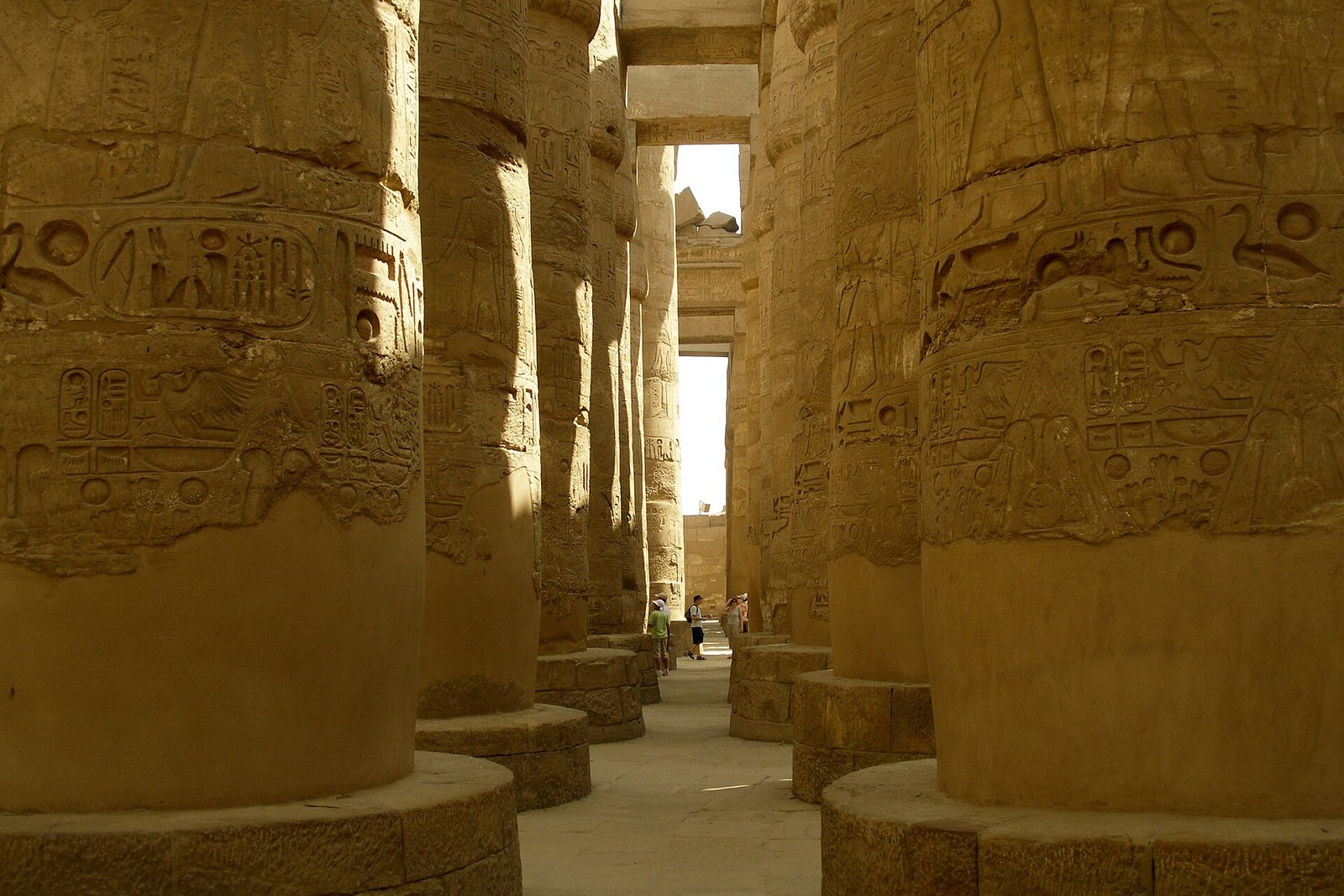
Your guide meets you at the hotel, travels in the vehicle with you, walks every site with you, and reads the walls. At Karnak that means telling you which pharaoh added which hall and why the axis shifts. In the Valley of the Kings it means picking which three tombs suit your interests, since your ticket covers three of the open tombs and the open list rotates. It also means someone whose license the gate staff recognize, who deals with the site inspectors, and who can say no on your behalf when a papyrus shop is suggested.
What a guide is not: a chaperone at your hotel in the evening, a translator for your personal errands, or a narrator inside every single monument. A handful of sites in Egypt restrict interior commentary to on-site staff, and your guide will brief you outside and wait. That is a rule of the site, not a gap in the tour.
One guide does not always cover the whole country either, and that is normal rather than a downgrade. Guiding licenses are regional in practice, so a long program usually means a Cairo Egyptologist and an Upper Egypt Egyptologist, each working where they actually know the ground. What stays constant is the standard, the language and the fact that you are not sharing them with a coach party.
Monument entrance fees: the 2026 gate prices
Every gate on your itinerary is prepaid. We publish the underlying figures so you can check our arithmetic against the official ministry platform. These are the 2026 published prices, in Egyptian pounds, with an indicative dollar figure at 1 USD to 49.79 EGP. Which of them apply to you depends on which program you book.
| Monument | 2026 gate price (EGP) | Approx. USD |
|---|---|---|
| Giza plateau, pyramids and Sphinx | 700 | about $14 |
| Egyptian Museum, Tahrir Square | 550 | about $11 |
| Saqqara | 600 | about $12 |
| Karnak Temple complex | 600 | about $12 |
| Luxor Temple | 500 | about $10 |
| Valley of the Kings, three tombs | 750 | about $15 |
| Temple of Hatshepsut | 440 | about $9 |
| Temple of Horus, Edfu | 550 | about $11 |
| Kom Ombo | 450 | about $9 |
| Philae Temple, Aswan | 550 | about $11 |
| Abu Simbel, both temples on one ticket | 822 | about $17 |
| Great Pyramid interior (NOT included, optional add-on) | 1,500 | about $30 |
A worked example makes the scale obvious. On the five-day cruise, the prepaid gates are Karnak, Luxor Temple, the Valley of the Kings, Hatshepsut, Edfu, Kom Ombo and Philae. That totals 3,840 EGP per person, about 77 USD, already inside the price you were quoted. Add Giza at 700 and the Egyptian Museum at 550 for the Cairo half of a longer program and you are at 5,090 EGP, about 100 USD. Add Saqqara at 600 as well and it is 5,690 EGP, roughly 114 USD. On a program that also takes in Abu Simbel, the 822 EGP ticket brings the prepaid total to 6,512 EGP, about 128 USD per person.
That is money you do not carry, do not queue for and do not hand over twice. It is also the reason a tour that lists the same sites for a hundred dollars less per person is usually not cheaper. It has simply moved the gates onto your card.
Anything not on that list is either genuinely free or an extra-cost interior paid at the ticket office on the day. We do not print a number for those, because we have not verified one, and a wrong number in your budget is worse than no number.
Comparison: what each program includes
All prices are from, per person, based on two people sharing.
| Program | Length | From (per person) | Domestic flights | Meals included |
|---|---|---|---|---|
| Abu Simbel day trip from Aswan | 1 day | From $120 | Not included | Bottled water only |
| Abu Simbel, 2 days with a hotel night | 2 days, 1 night | From $239 | Not included | Breakfast on day two |
| Luxor, 2 days | 2 days, 1 night | From $288 | Not included | Two lunches, one breakfast |
| Aswan and Luxor overland | 5 days, 4 nights | From $520 | Not included | Four breakfasts |
| Nile cruise, Luxor to Aswan | 5 days, 4 nights | From $755 | Not included | Full board on board |
| Nile cruise, Aswan to Luxor | 5 days, 4 nights | From $755 | Not included | Full board on board |
| Egypt classic, 7 days | 7 days, 6 nights | From $1,348 | Included, sectors named on the product page | Breakfast on land, full board on the boat |
| Egypt classic with Abu Simbel, 8 days | 8 days, 7 nights | From $1,451 | Included, sectors named on the product page | Breakfast on land, full board on the boat |
| Cairo, Luxor and Aswan, 10 days | 10 days, 9 nights | From $1,897 | Included, sectors named on the product page | Breakfast on land, full board on the boat |
| Grand Egypt tour with Hurghada, 12 days | 12 days, 11 nights | From $2,196 | Included, sectors named on the product page | Breakfast on land, full board on the boat |
Monument entry on your itinerary is prepaid on all ten. Private transfers and a licensed Egyptologist are included on all ten. The international flight is excluded on all ten.
What you will actually spend on top of the tour price
Here is the honest arithmetic for a couple on a ten-day program, per person, outside the international ticket.
- E-visa: 30 USD single entry, or 65 USD if you plan to leave Egypt and come back.
- Tips across the whole trip: 7 to 10 USD per day, so roughly 70 to 100 USD over ten days.
- Lunches and dinners on land days: a good local restaurant meal is inexpensive by international standards, and a hotel restaurant runs higher.
- Drinks: the one that surprises people. Bar prices on the boat and in five-star hotels are set at international levels and add up over four nights.
- Optional extras: the Great Pyramid interior at about 30 USD is the common one. A hot air balloon over Luxor, a felucca hour, a sound and light ticket: all separate, all optional.
- Travel insurance: priced by your age, trip cost and coverage, bought from your own provider.
Add it up and a realistic personal spend on a ten-day trip lands somewhere in the low hundreds of dollars per person on top of the tour price, dominated by tips and drinks rather than by anything dramatic. Nothing on the included list gets collected from you a second time.
On money itself, a short practical note. Egypt runs on the Egyptian pound, cards work in hotels, on the boat and in larger restaurants, and cash is what you want for tips, small purchases and anything at a market. ATMs in Cairo, Luxor and Aswan dispense pounds, and hotel front desks will change dollars. You do not need to arrive with a thick envelope of cash, because the expensive items are already paid.
Tipping in Egypt: what it costs and who gets it
Tipping, locally called baksheesh, is a normal part of everyday transactions in Egypt, and it catches many visitors off guard, not because the amounts are large but because the frequency is high. It is entirely voluntary and no one on our team will ever pressure you.
The 7 to 10 USD per person per day figure is a working budget for the people directly serving you: your guide, your driver and the boat crew collectively. The convention is to tip the guide and driver at the end of your time with each of them rather than daily, and to leave the crew tip in the box at reception on your last morning. Small notes for a porter or a restroom attendant are separate and tiny. Bring small denominations, since getting change in a tipping situation is awkward, and the hotel front desk will break notes for you.
The one thing tipping should never be is a way of getting something you were already promised. If anyone on your program suggests otherwise, message the team on WhatsApp while it is happening and we will deal with it that day rather than after your trip.
The Egypt e-visa: 30 or 65 dollars, and who does it
US passport holders need a visa for Egypt. The electronic version costs 30 USD for a single entry and 65 USD for multiple entry, and it is applied for online through the official Egyptian government portal before you travel. It is not included in any tour price on this site, and we do not charge a handling fee to help you with it.
What we do is send you written instructions covering which document numbers you need, what the passport validity requirement is, and how far ahead to apply. Choose multiple entry only if your plans involve leaving Egypt and returning. For a single trip into Egypt and home again, the single-entry visa is what you need. Apply with the name exactly as printed on the passport you will actually travel on, because a mismatch is the one thing that turns a routine formality into a problem at the border.
Travel insurance
Not included, not sold by us, and worth buying anyway. The scenarios that matter on an Egypt trip are trip cancellation before departure, medical cover while you are there, and the cost of getting you home if something serious happens. Buy it from a provider you can call at 3am, and buy it when you commit to dates rather than the week you fly, because cancellation cover for pre-existing conditions is usually tied to how soon after your first payment you purchase.
Two coverages are worth reading the fine print on for this particular country. One is medical evacuation, since the good hospitals are in Cairo and you may be a long way from them on the river. The other is baggage and delay cover, which matters because your international routing is yours and a missed connection on the way in is not something a ground operator can absorb for you.
Day trips versus multi-day programs: inclusion works differently
On a multi-day program, inclusion is close to comprehensive: bed, board on the river, transport, guiding, gates and domestic air are all handled and you are essentially spending on tips and drinks. On a day trip, inclusion is narrow by design and the price reflects it.
The day trip from Aswan is the clearest case. It buys a private air-conditioned vehicle, roughly three hours of driving across the Nubian desert each way, the 822 EGP Abu Simbel ticket covering both temples, guiding on site and bottled water. It does not buy breakfast, lunch, a hotel or a flight, and it is not supposed to. If you want the same temples without the pre-dawn start, the two-day version adds a hotel night and breakfast on the second morning, with the exact sightseeing listed on that product page.
The same logic applies to Luxor. Two days on the East and West Banks covers the major Luxor gates from the table above, with meals specified rather than open-ended. It is a regional product, not a national one, and it excludes domestic flights for that reason. If you are already in Upper Egypt because your own flights put you there, the short products are the efficient way to use the time. If you are flying into Cairo, a multi-day program that includes the internal sectors will almost always work out better than buying the pieces separately.
Solo travelers, three sharing, and families
Every from price on this site assumes two adults sharing a double room or cabin, which is the standard the whole industry quotes on and the reason a solo quote looks different.
If you are traveling alone, the extra cost is the single supplement: the hotel and the boat charge close to the full room rate whether one person or two occupies it. We quote it on request rather than publishing a figure, because it moves with the hotel category and the season, and the gap between a quiet month and a busy one is real. Everything else on your program, the guiding, the transport, the gates, is priced per person and does not change.
Three adults traveling together usually save money rather than spend more. Egyptian hotels and river boats generally offer triple occupancy, often as a third bed in a double room, and the third person's share of the room cost is lower than a second double would be. Whether that is comfortable over ten nights is a separate question, and we will tell you honestly which properties handle it well.
Families with children are quoted individually. Child rates depend on age, on whether the child shares the parents' room, and on the property. Egyptian monuments charge reduced entry for children and for holders of a valid student card, and we bill the reduced rate rather than the adult one. Car seats and connecting rooms are requests we pass on rather than guarantees we can sell, so tell us early.
Optional add-ons and what they do to the price
None of the following are in any quoted price, and none of them appear on your invoice unless you ask for them. They are listed here because knowing they exist is part of budgeting properly.
- Inside the Great Pyramid. A separate 1,000 EGP ticket, about 20 USD, bought at Giza on the day. Numbers are capped and the queue is real, so your guide will tell you when to go.
- Extra tombs in the Valley of the Kings. Beyond the three on your ticket, the notable tombs are sold separately at extra cost, paid at the ticket office.
- Hot air balloon over the Luxor west bank at sunrise. A separate booking, weather dependent, arranged in advance rather than on the morning.
- Sound and light shows at several of the major sites. Separate tickets, evening timing, easy to add to a night you are already in town.
- A felucca hour in Aswan or a Nubian village visit. Small, cheap and among the better hours of most people's trips.
- Hotel category upgrades and extra nights at either end of a program, quoted against your dates.
- Full board on land days as a supplement, if you would rather not choose restaurants.
Five inclusion traps to check before you book anything
- Are gate tickets prepaid or collected on the day? An itinerary that lists sites without stating that entry is included can quietly add 100 USD or more per person, in cash, at turnstiles.
- Is the guide private or shared? "Guided" can mean a private Egyptologist or a group of thirty behind a raised umbrella. Ask for the word private in writing.
- Which domestic sectors are included, by name? "Internal flights included" without the sectors named is not a commitment. Ours are named on each product page.
- Are shopping stops on the itinerary? Papyrus institutes, perfume houses and alabaster factories inflate a day and pay commission. If they are on the schedule, the tour price is being subsidized by what you are expected to buy.
- Is the price per person or per group? Every figure on this site is per person, based on two sharing. A per-group headline that halves on second reading is a marketing device.
Frequently asked questions
Is my flight from the US included?
Are flights inside Egypt included?
Do I pay for monument tickets at the gate?
Does the price include all my meals?
How much should I budget for tips?
How much is the Egypt visa, and do you handle it?
Is going inside the Great Pyramid included?
Is travel insurance included?
I am traveling alone. How does the price work?
Are drinks included on the Nile cruise?
Is my guide with me all day, or only at the monuments?
Do I get the same guide for the whole trip?
Can you accommodate dietary requirements?
Can I change what is included?
Get a written inclusion list for your dates
Everything above is the standard pattern. What actually matters is your trip, on your dates, with your number of people, so the fastest way to settle it is to ask us directly and get it in writing.
Message the team in Egypt on WhatsApp at +20 103 229 5513, or use the enquiry form on this page. Tell us how many days you have, how many of you there are, roughly when you want to come, and whether you care more about the Nile or about Cairo. You will get back a program with the price per person, the domestic sectors named, the meal plan stated day by day, and every prepaid gate ticket listed one line at a time, so you can see exactly what is and is not in the number.
Explora is an Egyptian company, staffed in Egypt, and we answer messages ourselves. We have 12 published reviews, all rated 5.0. They are about the agency and about our guide Shady Said rather than about any single itinerary. Asking for a quote costs nothing and commits you to nothing.
If you already know the shape of the trip you want, the 7-day classic is the shortest program that still covers both Cairo and the Nile, the 8-day classic with Abu Simbel is the one to pick if the Nubian temples are non-negotiable, the 10-day Cairo, Luxor and Aswan program is for travelers who do not want to rush, the 12-day grand tour with Hurghada adds Red Sea time at the end, and the five-day Nile cruise is the right choice if your own flights already put you in Upper Egypt.
Keep exploring
To finish planning your trip to Egypt
- ▸Can You Drink the Water in Egypt?
- ▸How Were the Pyramids Built? Quarries, Ramps and the Workers
- ▸How much does a Nile cruise cost, and what actually moves the price
- ▸The first trip to Egypt itinerary that works, and the version to avoid
- ▸Hot Air Balloon Over Luxor
- ▸Night in the Desert Egypt: Camping, Stars and Bedouin Camps
- ▸Time Difference Egypt USA: What Time Is It in Egypt Now
- ▸See all our Egypt tours