High Season, Low Season and Shoulder Season in Egypt
High Season, Low Season and Shoulder Season in Egypt
Egypt runs on three travel seasons, not two. The high season is the Egyptian winter, roughly October to April, when the weather is at its best and the sites are at their busiest. The low season is the summer, June to August, when the south turns genuinely hot, the monuments empty out and prices fall to their lowest point of the year. Between the two sit the shoulder months, and for most travelers those are the smartest weeks to book.
When the high season actually runs
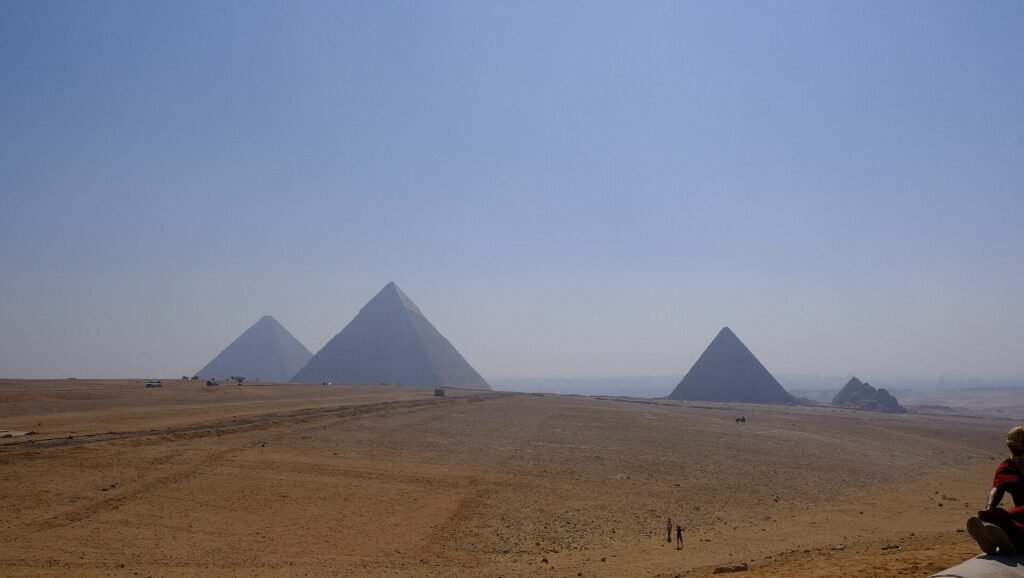
Egypt's high season is a winter season, and the reason is purely climatic. From October to April the heat in the south becomes manageable, and walking through Karnak at midday or dropping into a tomb in the Valley of the Kings stops being an endurance test. That is the whole logic of the calendar. It has very little to do with holidays and almost everything to do with the thermometer.
It is also when the country receives the most visitors. Sites are more crowded, cruise boats sail full, and rates sit at their annual high, with sharp spikes at Christmas, New Year and Easter. This is not overwhelming mass tourism. It is noticeable rather than oppressive: somewhat longer queues at places like the Valley of the Kings, and prices above the yearly average.
One thing the standard calendar gets wrong is treating October and April as full high season. They are crossover months. April still has comfortable mornings before the first serious heat arrives, and October cools through the month rather than starting cool. The honest version is that the real core of the high season is November to March, with October and April behaving like shoulder months in everything except the price list. If you are weighing up a specific date, the month by month weather matters more than the season label attached to it.
Summer is the low season, and it is not a write off
June, July and August are the low season, and the reason is again the climate. In Luxor, Aswan and the far south, temperatures comfortably exceed forty degrees Celsius, past 104 Fahrenheit, which makes midday sightseeing hard work. Visitor numbers drop accordingly, and with them the cost of flights, cruises and hotels. This is when the best deals of the year appear.
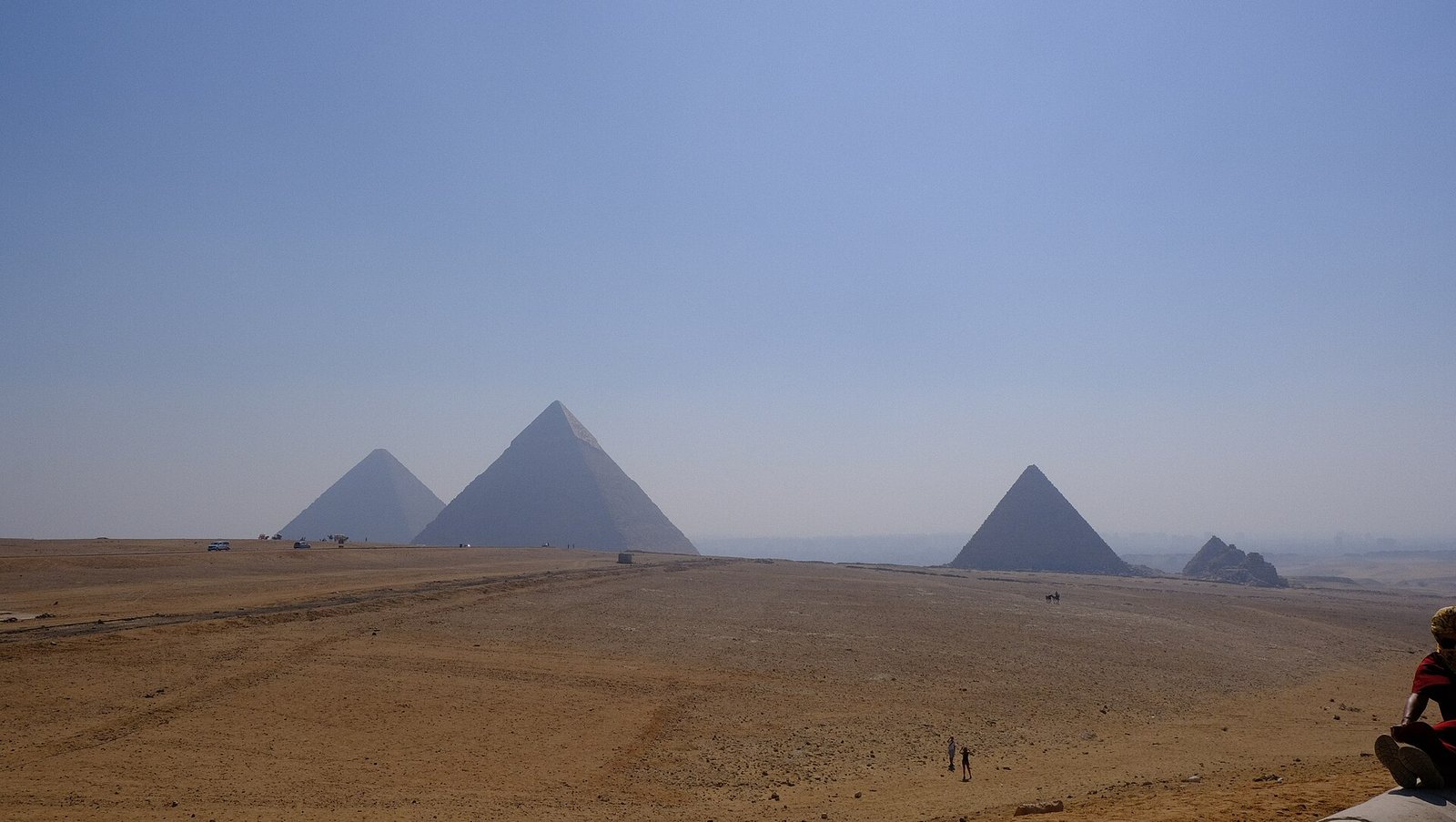
What you get in exchange is close to empty monuments. Summer is the only time of year you can stand inside a tomb in the Valley of the Kings without sharing it with three tour groups, and the only time photographs of the Giza plateau come out without a crowd in them.
Traveling well in summer is a matter of structuring the day rather than enduring it. Start early and see the major sites before the heat builds, rest through the middle of the day, and use the boat or hotel pool while the sun is at its worst. Guides in Luxor and Aswan reorganise their itineraries around this without being asked. It is also worth knowing that a balloon flight over Luxor launches before dawn in any season, so the one activity most people worry about losing to the heat is unaffected.
Summer is also when the Red Sea works best. Combining a few days of ancient Egypt with time on the Red Sea coast turns the season's weakness into its strongest card, because the water is at its warmest exactly when the Nile valley is at its hottest.
The shoulder months
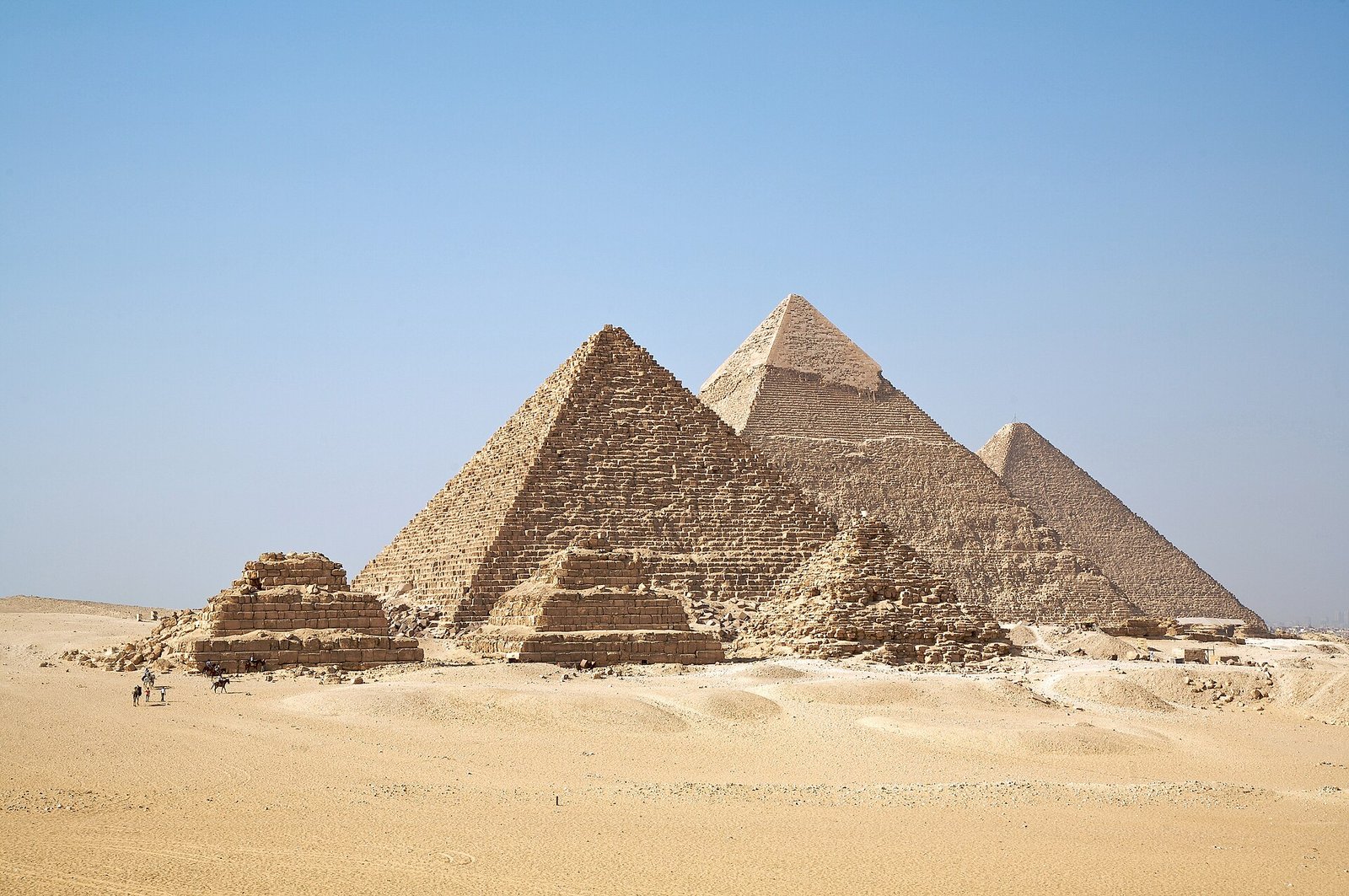
Between the two extremes sit the bridge months, what the trade calls the shoulder or mid season: broadly April and May on one side, September and the first half of October on the other. In these weeks the climate is still pleasant or only beginning to bite, the sites are less crowded than in midwinter, and prices are softer than at the top of the season.
If you have flexibility over your dates and no strong preference either way, this is where we point most travelers. The trade off between weather, quiet and cost is better balanced here than at any other point in the year, and availability is usually still open closer to the date than it would be in December or at Easter.
The three seasons side by side
| Season | Months | Weather | Crowds | Cost |
| High | November to March, with October and April at the edges | The best of the year, warm days and cool nights | Highest, with sharp peaks at Christmas, New Year and Easter | Highest, and the peak weeks are the most expensive and most demanded of all |
| Shoulder | April to May, September to mid October | Good, warm and rising or falling rather than extreme | Moderate, clearly below midwinter | Softer than high season, with availability holding closer to the date |
| Low | June to August | Intense heat in the south, milder on the coast | Lowest, monuments close to empty | The best prices of the year on flights, boats and hotels |
The peaks and the quiet weeks inside the high season
Talking about the high season as one long block is misleading, because inside it there are pronounced peaks and some very comfortable troughs. The peaks are specific and predictable: the last week of December and the first days of January, the week around Easter, and the school holiday bridges across Europe and North America. On those dates every source market arrives at once, boats fill, and booking conditions tighten.
The quiet weeks are equally predictable. The second half of January, the first half of February and the first half of December carry exactly the same excellent weather with noticeably fewer people. Moving a trip by one week inside the same month often changes the experience more than moving it to a different month altogether.
Two dates run on their own calendar and are worth knowing about. On 22 February and 22 October the rising sun reaches into the inner sanctuary at Abu Simbel and lights the statues at the back, and those two mornings draw a crowd that has nothing to do with the season around them. If that is on your list, read up on visiting Abu Simbel before you fix your dates, because both sides of the argument, going for the alignment or deliberately avoiding it, are reasonable.
Ramadan, the variable the season labels miss
Ramadan is the single biggest practical variable in an Egyptian itinerary, and it does not sit still. The Islamic calendar is lunar, so Ramadan moves about eleven days earlier each solar year. In 2026 it ran from the second half of February into the third week of March, squarely inside the winter high season and overlapping the quiet weeks that everyone recommends.
Traveling during Ramadan is entirely workable and can be memorable, but it is not the same trip. Some restaurants outside hotels close or shorten their hours during daylight, the rhythm of the day shifts around the evening meal, and a number of sites and museums adjust their opening times for the month. Guides and drivers are fasting, so mornings run smoothly and late afternoons are best kept light. None of this is a reason to avoid the dates. It is a reason to check when Ramadan falls in your travel year rather than assuming February is automatically the easy option.
Outside Ramadan, opening hours in Egypt are broadly stable through the year. A small number of sites run slightly different winter and summer schedules, and times are occasionally adjusted around public holidays, so confirm them when an itinerary is tight instead of treating the season as the deciding factor.
Planning this trip yourself takes hours. We build it for you, and we answer every question before you commit to anything.
What actually changes when you travel off peak
Season affects far more than the invoice. These are the things that genuinely differ:
- Boat availability. The cruise is the element with the fewest beds in the classic itinerary and the first thing to sell out. In high season a Nile cruise dictates the dates of the entire trip; in low season you choose calmly from what is left.
- Group size. Off peak groups are smaller, which changes the experience inside a tomb or a temple far more than most people expect. Space and quiet are a real part of what you are buying.
- Time and attention. With fewer visitors around, guides and site staff are less rushed, and our guides report that visits simply run longer when travelers ask questions.
- Sales pressure. This one moves the wrong way. Vendors at the sites and in the bazaars work harder for fewer customers, so the approaches are more persistent in low season. It is among the very few things that get worse when the crowds thin out.
- What you carry. A February night in the Western Desert and a July afternoon in Aswan need different luggage entirely, so settle your dates before you decide what to pack.
How far ahead to book
Lead time should follow the season rather than a fixed rule:
- The peak weeks. Book well ahead, and decide your fallbacks at the same time: which boat would be your second choice, which hotel, which day you could move. At Christmas, New Year and Easter the difference between a good trip and a mediocre one is almost never the budget. It is whether you booked with margin. If the boat matters to you, think about choosing the right boat early rather than accepting whatever is still free.
- The rest of the high season. A reasonable lead time is enough, and the cruise is the piece to secure first.
- The shoulder months. There is margin here, and availability usually holds until fairly close to the date.
- Summer. You can decide at short notice without difficulty, with one exception. The Red Sea coast has its own summer demand and does not follow the Nile valley calendar, so a combined trip straddles two seasons at once and the beach half is the one that fills.
Your international flights are yours to arrange, and for the December and Easter peaks they are usually the first thing to lock down, since seats and fares there move well before the ground arrangements do. We build the program inside Egypt around the flights you hold, including domestic sectors such as Cairo to Luxor.
Choose your dates by priority
The common mistake is picking dates out of habit instead of picking them for a reason. Two minutes on the question below changes a trip more than most people expect:
- Best possible weather. November to February, without argument.
- Fewest people. Summer, or the trough weeks of January and early December.
- Balance of the three. The shoulder months in spring or early autumn: good weather, moderate crowds, real availability.
- Desert and oases. Deep winter, accepting genuinely cold nights.
- Diving in the Red Sea. Almost any month, with the clearest visibility in winter and the warmest water in summer.
- Lowest cost. July and August in the Nile valley, where the heat is what you are trading away.
The valley and the coast are governed by different forces, and sometimes opposite ones. Inland Egypt is ruled by heat and bottoms out in summer, while the Red Sea runs a summer high of its own because the water is at its best. A trip that combines the two is moving between two calendars, and it is worth deciding early which half of the trip sets the dates.
Planning your dates with us
Tell us what matters most to you, whether that is weather, quiet or cost, and we will tell you honestly which weeks deliver it and which ones do not. From there we build the itinerary around those dates, with a guide who speaks your language and direct booking through a local agency in Egypt. Our classic seven to ten day tailor made tour packages start from US$1,348 per person and Nile cruises from US$755. If you already have a month in mind and want a straight answer on whether it works, message us on WhatsApp at +201032295513.
Common questions about the seasons in Egypt
When is high season in Egypt?
When is low season in Egypt?
Which is the best season to travel to Egypt?
Is it cheaper to travel to Egypt in summer?
When are there fewest tourists in Egypt?
How far ahead should you book for each season?
Let us put the trip together
We are a local agency in Egypt. Tell us your dates and what you want to see, and we will come back with a plan, the practical details sorted and someone to ask when you are here.
Part of our guide to
Practical Guide 11 guides
This article is part of that pillar. The rest of it:
- ▸Arabic Phrases for Travel in Egypt
- ▸Cairo Airport: What Happens When You Land, and How to Leave
- ▸Can You Drink the Water in Egypt?
- ▸Exchanging Money in Egypt: Where to Change Cash and How Much at a Time
- ▸Haggling in Egypt: How to Bargain Without Overpaying
- ▸How Much Does a Trip to Egypt Cost? A Real 2026 Breakdown
- ▸Food Prices in Egypt: What Meals Really Cost
- ▸How Much Money to Bring to Egypt: The Cash You Actually Need
- ▸Is Cairo Safe? The Real Risks and How to Get Around
- ▸Photography in Egypt: The Rules, the Tickets and the Light
- ▸Internet and SIM Cards in Egypt: A Traveler's Guide to Staying Connected
Keep exploring
To finish planning your trip to Egypt
- ▸How Much Money to Bring to Egypt: The Cash You Actually Need
- ▸Renting a Car in Egypt: Drive Yourself or Hire a Driver?
- ▸Egyptian Currency and Money in Egypt: Cash, Cards and ATMs
- ▸Vaccines for Egypt: What Travelers Actually Need
- ▸Accessible Egypt: Wheelchair Travel Guide by a Local Agency
- ▸Food Prices in Egypt: What Meals Really Cost
- ▸Egypt Temperature by Month: Cairo, Luxor and Hurghada
- ▸See all our Egypt tours