
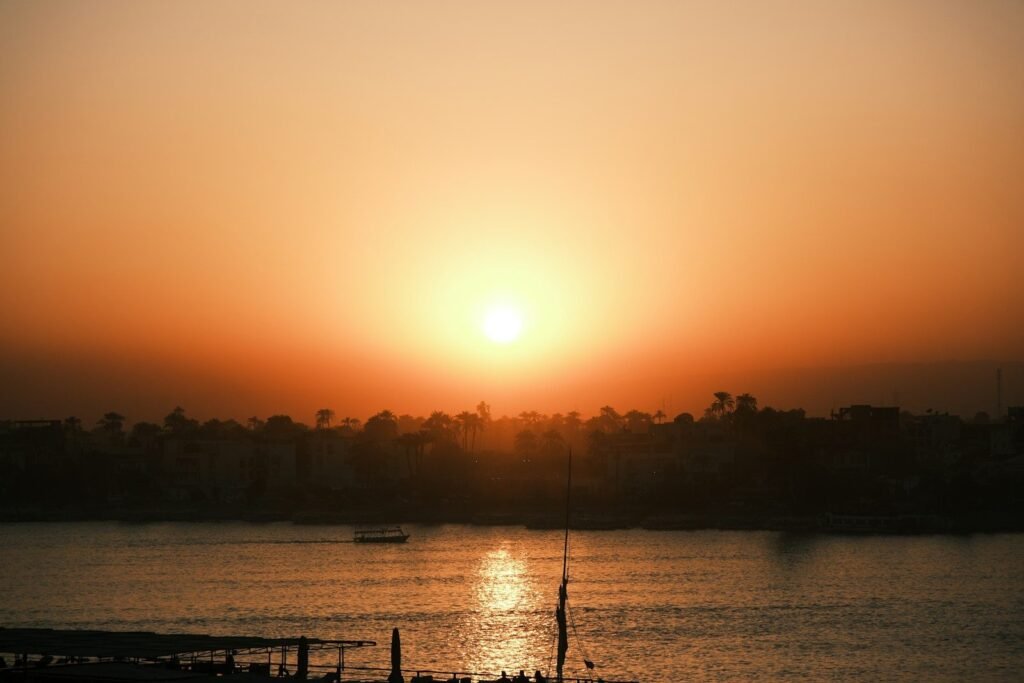
That is the short answer and it is what most sites tell you. What follows is the part that
actually changes a trip: what each season does to the way you spend the day, and the two things
about spring and summer that catch most visitors out.
The thing nobody warns you about is the night. Desert nights drop hard, and January in Aswan can
fall to the low 50s F (around 11 C) after dark. On a Nile cruise you will be on an open deck in the
evening, and a fleece or a light jacket is not optional in midwinter even though you spent the
afternoon in a t-shirt.
Summer is not a write-off, and the people who enjoy it are the ones who invert the day: out at
opening time, back indoors or onto the water through the middle hours, out again late afternoon.
Sites are emptier, and the light on the west bank at dawn is the best of the year. What you cannot
do is walk an unshaded site at noon and expect to enjoy it.
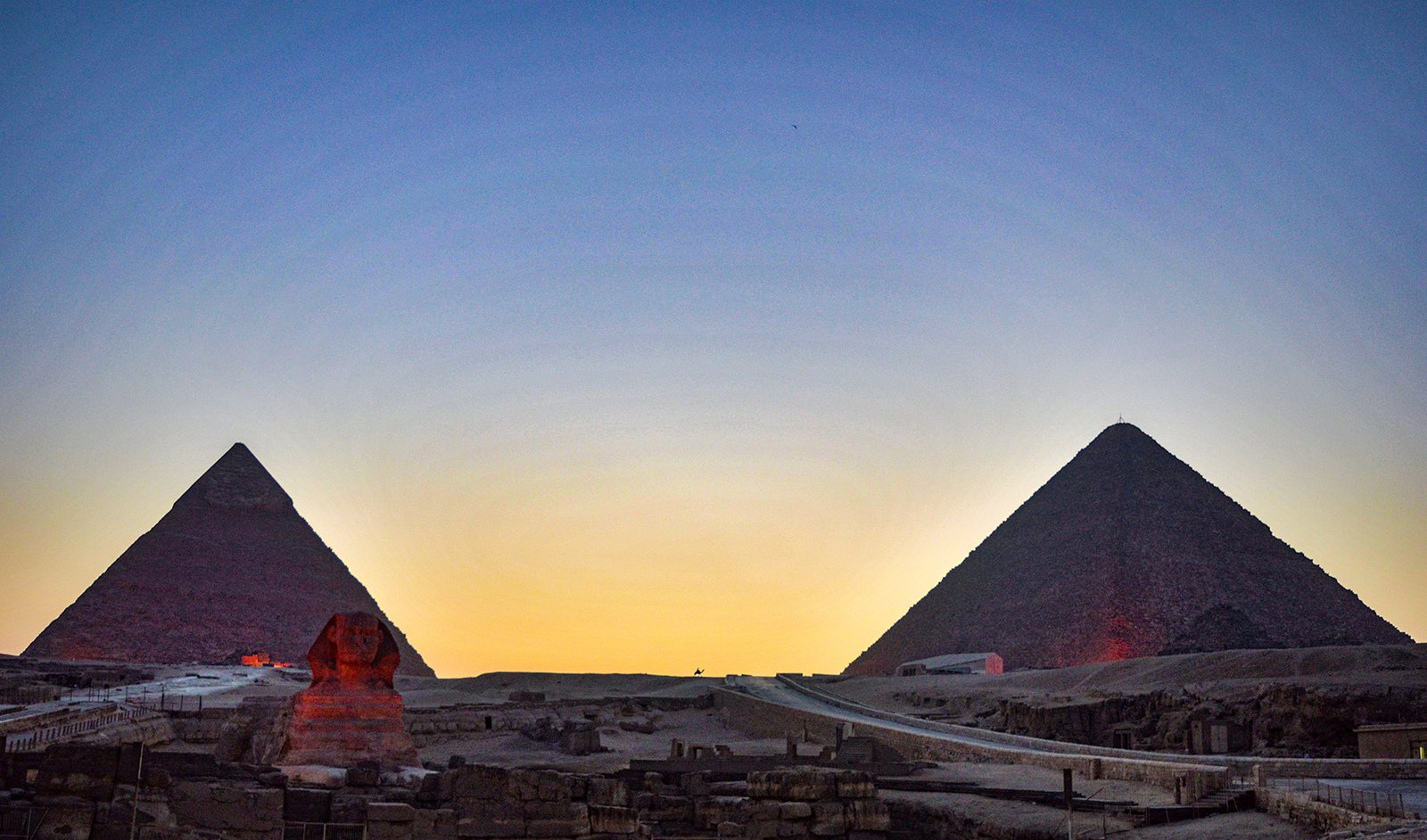
Roughly March through May, Egypt gets the khamsin: a hot, dry wind off the desert that carries
sand and dust. A khamsin day is hazy, the air is gritty, temperatures spike, and visibility drops.
It does not last, and it does not happen every day of the season, but it can flatten the light for
photography and it is unpleasant if you wear contact lenses or have a respiratory condition.
It is worth knowing about because spring otherwise looks like the obvious answer on paper: warm,
between the peaks, cheaper than Christmas. It is a good season. It just is not the guaranteed one
that a temperature chart implies, and the dust is the reason.
The Egypt tourism statistics show how the busy seasons stack up year by year.
Ramadan is a month of daytime fasting observed across Egypt. It moves about eleven days earlier
each year against the Western calendar, so check where it falls for your dates rather than trusting
a fixed month you read somewhere.
What changes for a visitor: monuments and museums stay open, sometimes on adjusted hours; many
local restaurants close during daylight and open after sunset; the pace of the day shifts later; and
traffic just before the evening meal is at its worst of the year. What does not change: your guide,
your transport and your itinerary run normally, and tourist hotels serve food all day.
Some travelers deliberately choose it. The evenings are festive in a way the rest of the year is
not. Others find the rhythm inconvenient. Neither reaction is wrong, but it should be a decision
rather than a surprise.
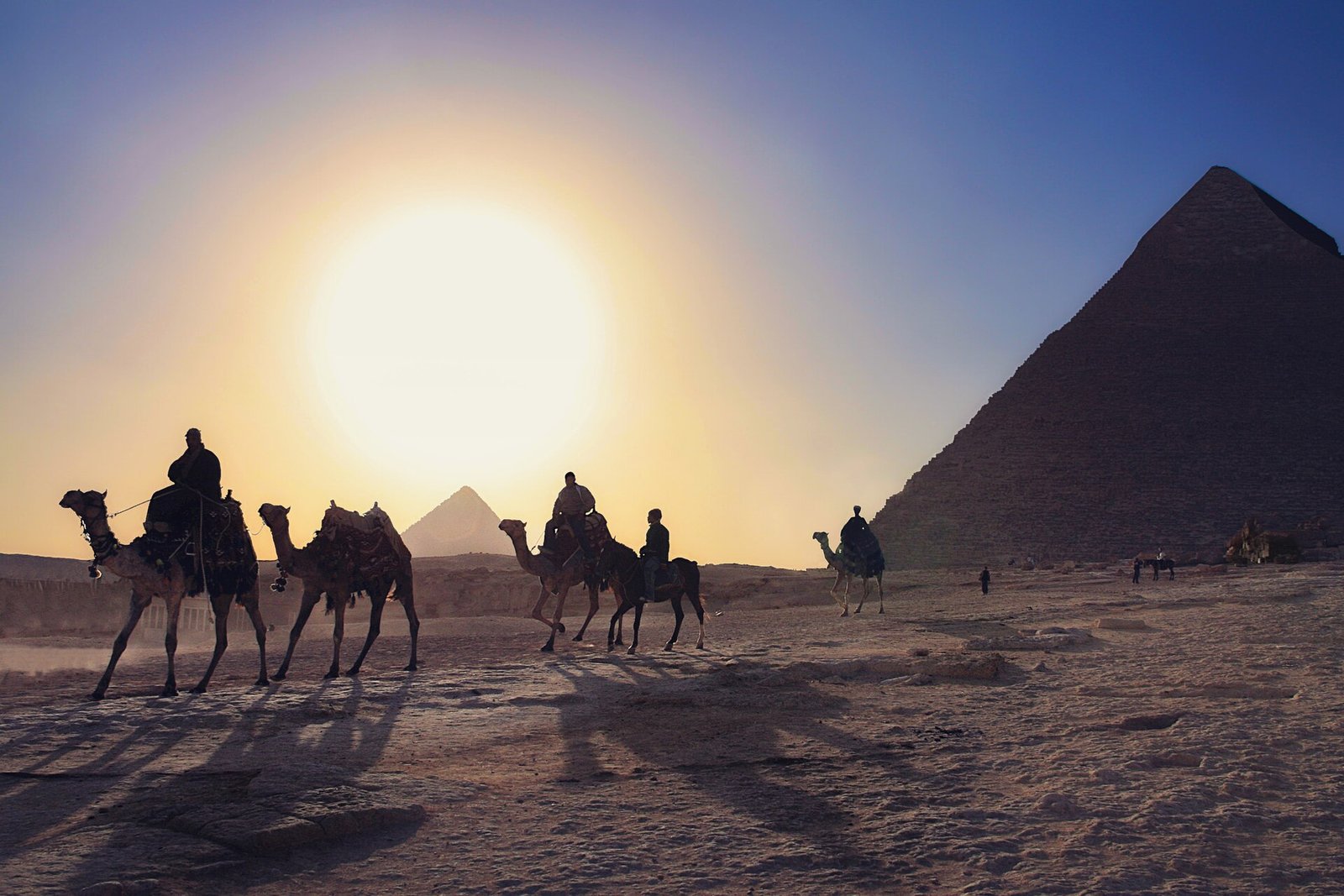
Twice a year, on February 22 and October 22, sunlight reaches down the full length of the temple
at Abu Simbel and lights the statues in the inner sanctuary. These two dates are fixed and they draw
a crowd that is large by Abu Simbel standards.
If you want to see it, say so early, because it is the one thing on the Egyptian calendar where
the date genuinely cannot flex. If you do not, it is worth knowing those two mornings are the
busiest of the year at that site.
Related reading: the Egypt visa requirements,
is Egypt safe to visit,
Egypt tour packages, and
Nile cruises.
The month matters less than what you want out of the trip and how you are willing to structure the day around the weather. Tell us when you can travel and what you most want to see, and we will tell you honestly what that season gives you and what it costs you. Message us on WhatsApp.
Keep exploring