
Haggling in Egypt: How to Bargain Without Overpaying
Haggling in Egypt: How to Bargain Without Overpaying
The first number you hear in an Egyptian bazaar is not a price. It is an opening position, and everybody involved knows it, including the man who just said it. Treating that number as a price is what turns a week of shopping in Egypt into a week of quietly resenting it.
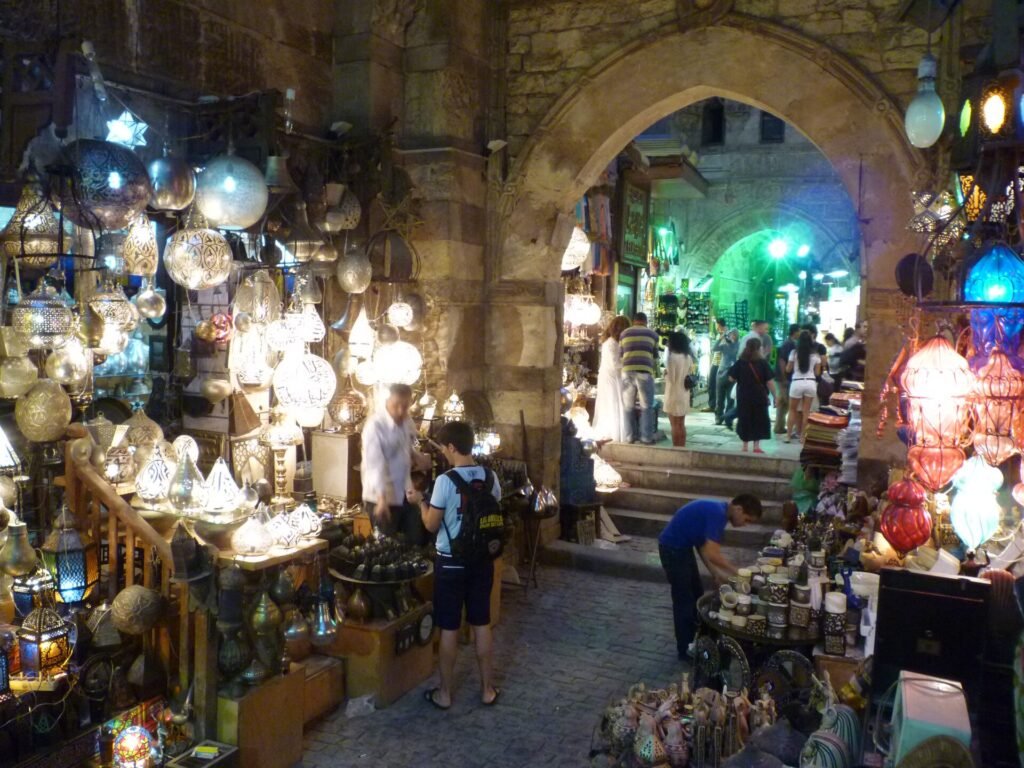
Haggling here is a conversation with a shape. Once you know the shape, it stops being a test of nerve and becomes one of the more entertaining half hours of the trip.
Why nothing in the bazaar has a price tag
In a shop with marked prices, the price is a fact about the object. In a bazaar, the price is a fact about the conversation: what is being sold, who is buying, what time of day it is, and how the last hour has gone for the seller. The absence of a tag is not an oversight. It is a signal that this is a shop where the number is arrived at rather than read out.
None of this is aimed at foreigners. Egyptians negotiate with each other too, in smaller amounts and with less ceremony, and a merchant who names a number expects you to answer it. The person who pays the first number asked is not being clever or generous. They are declining to take part, and the seller notices.
So the useful attitude is not suspicion. It is participation, done with good humor and no hurry.
What actually happens, from hello to handshake
Point at something and ask what it costs. Ask flatly, the way you would ask the time, because visible enthusiasm for one specific object is expensive: it tells the seller exactly which item you will not walk away from.
The number that comes back will be well above what the seller expects to receive. Your answer goes low, roughly half of it or under, said pleasantly and without apology. That first counter is not an insult and is not treated as one, provided you deliver it smiling. Then the two of you move toward each other in steps, he comes down, you come up, and somewhere in the middle you either meet or you do not.
Standing up and heading for the door genuinely works, and it works for a boring reason: it is the only moment in the conversation where the seller learns something true about your limit. Which is also why it only works when it is real. Fake departures performed three times in a row teach him nothing except that you will be back.
One rule closes the whole thing. If he accepts your number, you buy. Agreeing a price and then changing your mind is the only move in this entire exchange that is taken badly, and it is taken badly by everyone.
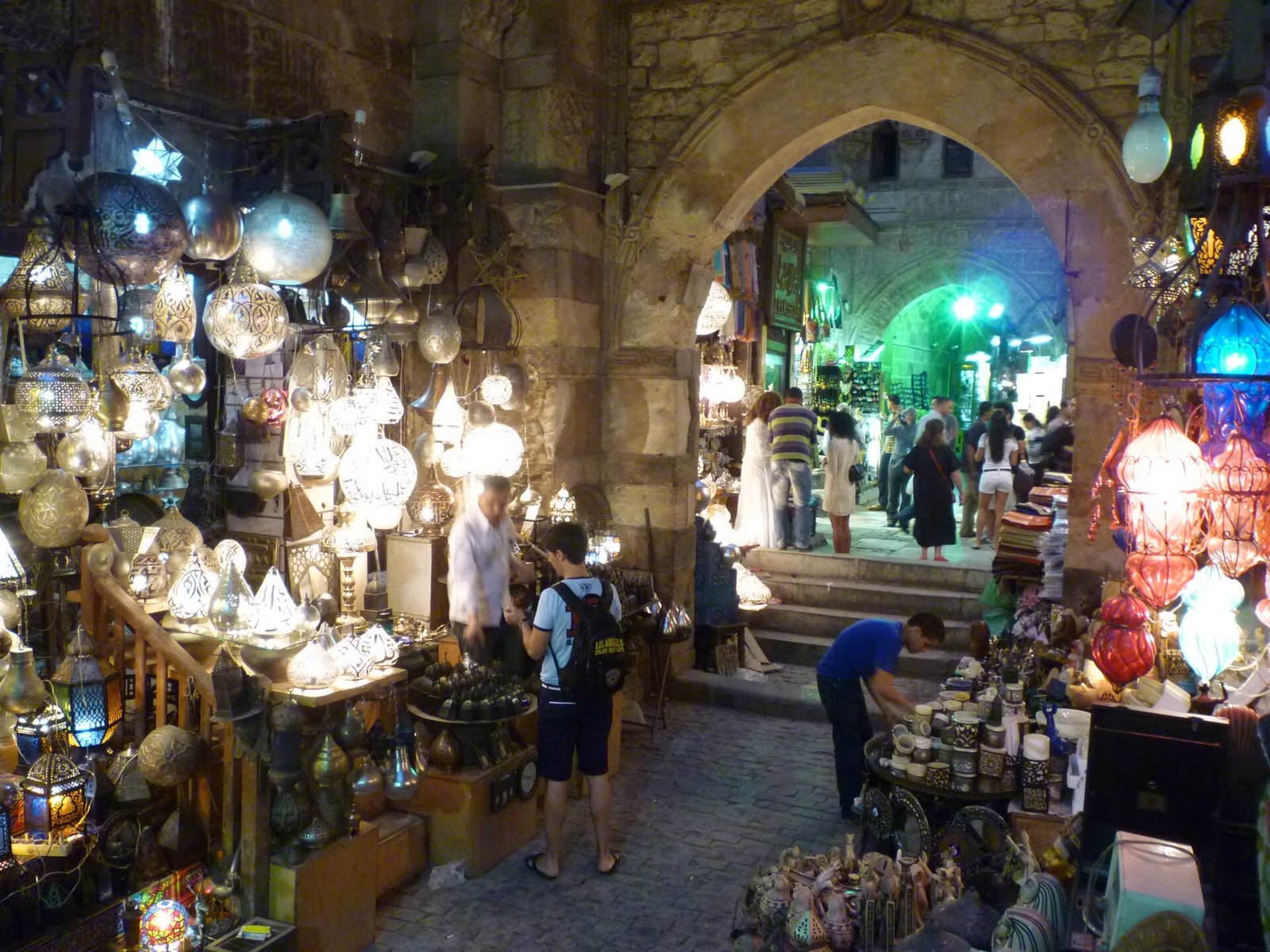
Decide your number before you open your mouth
The question people arrive with is what a thing should cost. It is the wrong question, because there is no single answer and nobody in the market is able to give you one. The workable question is what this object is worth to you: the figure at which you would carry it home pleased rather than calculating.
Fix that figure in Egyptian pounds, before the conversation starts. Two useful things follow. You stop needing to know what a local would have paid, which you were never going to find out anyway. And you stop converting currency on your phone in the middle of a sentence, which reads across the counter as clearly as if you had announced your budget out loud. Do the conversion once, over breakfast, and carry the pound figure in your head for the day. If you are still working out what to keep in your pocket at all, how much cash to bring to Egypt sets out the layer of the trip that runs on cash.
Small notes are most of the technique
Reaching the end of a careful negotiation and producing a 200 pound note quietly undoes it. There is no change, someone is sent out to find some, the shortfall becomes a rounding up in the seller's favor, and the number you agreed was never the number you paid.
Carry a fold of 10, 20 and 50 pound notes separately from your wallet. Counting out the exact agreed amount is the clearest possible signal that the conversation is finished, and it is far more effective than saying so. Equally, do not fan out a thick stack while you look for the right notes. Everything visible in your hand becomes part of the negotiation.
Where the price moves, and where it does not
Getting this boundary wrong in either direction is uncomfortable. Haggling in a pharmacy is odd. Accepting the first number from a street vendor is a donation.
| Negotiate here | Do not negotiate here |
| Bazaar and souk stalls | Shops with marked prices |
| Street vendors and roving sellers | Supermarkets and pharmacies |
| Street taxis with no working meter, and inDrive, where you name your own fare | Uber and Careem, where the fare is quoted in the app before you accept |
| Camel, horse-cart and felucca rides | Restaurants and hotel bills |
| Craft workshops and independent art dealers | Official ticket windows at monuments |
Anywhere the number is printed, displayed or quoted to you before you agree to it, it is a price. Anywhere a person says it out loud after looking at you and waits for your answer, it is an opening position.
Rides, camels and boats are a different negotiation
Buying an object and buying a service look similar and are not. With a scarf, the only variable is money. With a camel ride, a horse cart at the pyramids or an hour on a felucca, the variables are money, duration, route and who ends up where.
Agree all of it out loud before you get on or in, and agree it in one sentence: this price, for this long, ending at this place, for this many of us, including getting back. The argument nobody plans for is almost never about the price of the ride out. It is about a return leg that was never priced, discovered halfway across a field or a stretch of river.
Ordinary city travel has mostly moved past this, because Uber and Careem quote the fare before the car arrives, and how ride-hailing apps work in Cairo covers what that changes. Flagging a taxi in the street is still a negotiation, and it happens through the window before the door opens, not after you are sitting down.
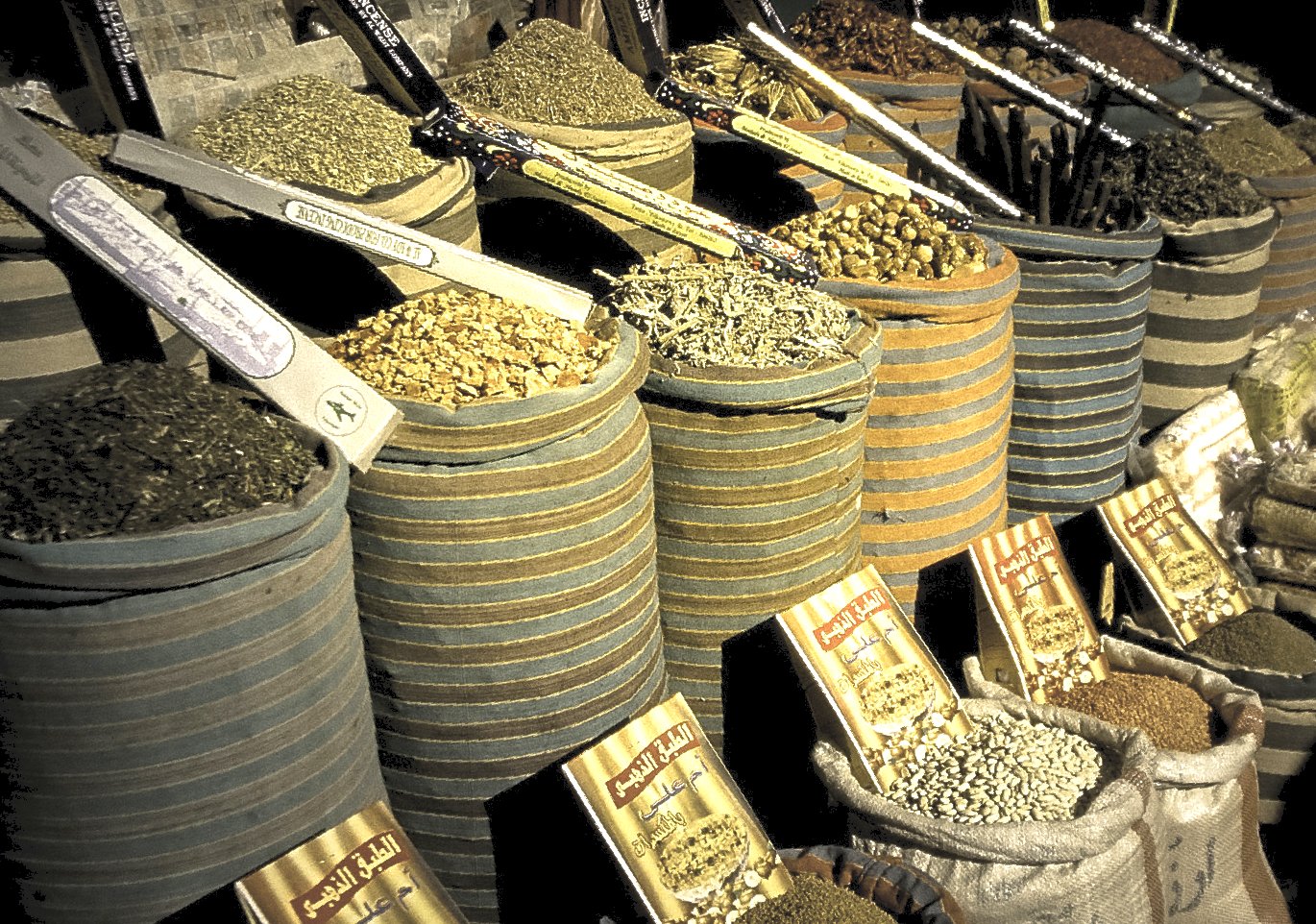
Planning this trip yourself takes hours. We build it for you, and we answer every question before you commit to anything.
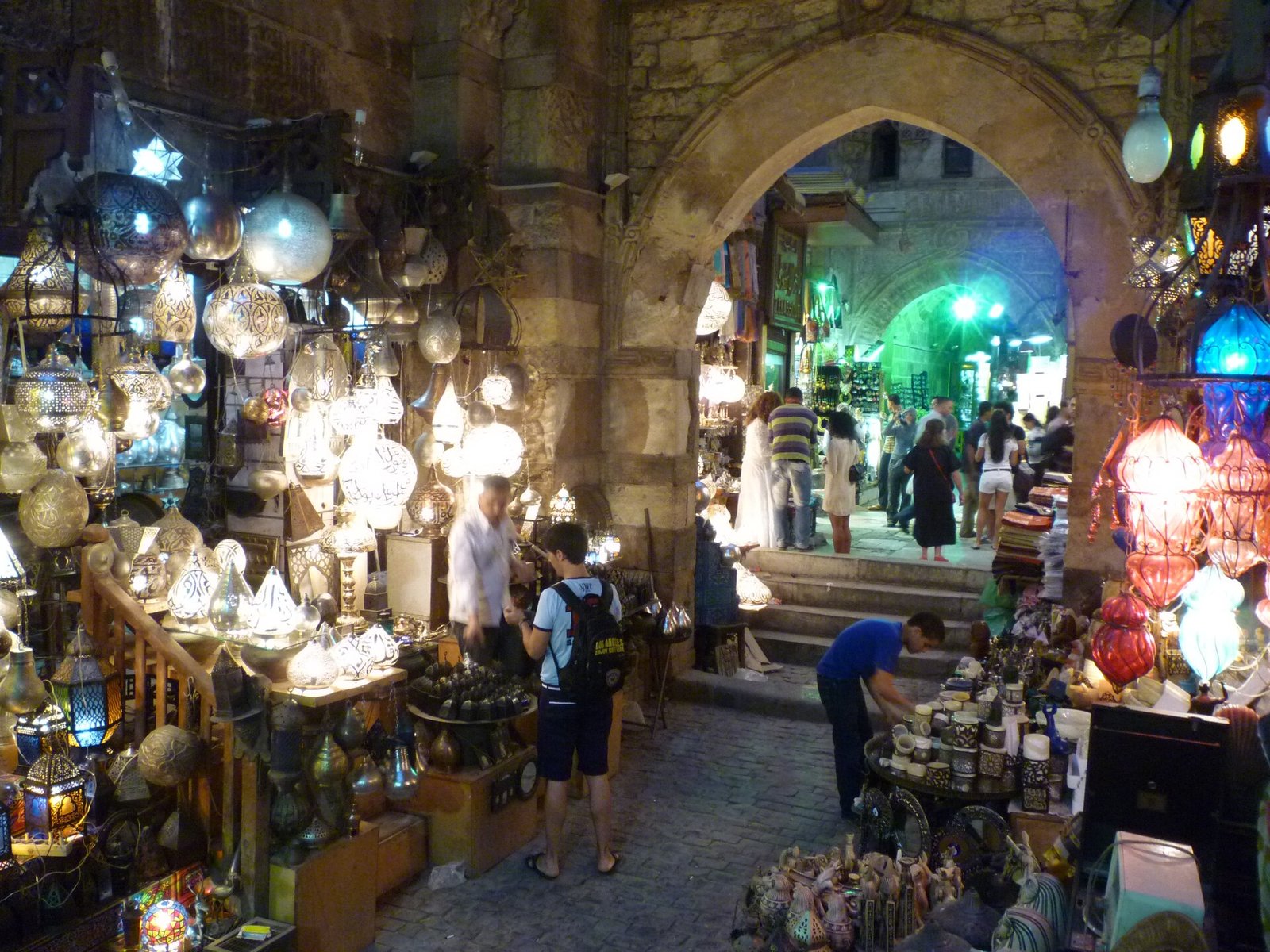
Telling the real thing from the copy
Around the busiest sites there are a lot of imitations, and the copies are not badly made. A few of them can be checked on the spot.
- Papyrus. Real papyrus is made from strips of the plant laid across each other, so held up to the light it shows a woven grid, and it flexes rather than shattering when folded gently. Cheap sheets pressed from banana leaf crack along the crease and show no crossing strips.
- Alabaster. Pick up two pieces. Carved stone is heavy, cold to the touch and slightly irregular, because a hand made it. Resin castings are light, warm and flawless, and flawless is the giveaway.
- Perfume oils and essences. Pure oils get cut with carrier oil, and no test at the counter will tell you by how much. Buy a small bottle rather than a boxed set, and buy from somewhere you can walk back to.
- Cartouches and silver. Ask to have the piece weighed and priced by weight. It moves the discussion from a number somebody invented to a number that can be measured, which changes the whole tone.
Buying a copy knowingly, at a copy's price, is a perfectly good outcome, and plenty of copies are attractive objects. The thing to avoid is paying an original's price for one. A seller who is confident about a piece will happily explain why it costs what it costs.
How to leave without buying
This is the part travelers actually worry about, rather than the arithmetic of counter-offering.
Nothing obliges you to buy. Not asking a price, not stepping inside, not accepting a glass of tea. The tea is hospitality and carries no debt, whatever the moment feels like. What works is a clean, warm exit: thank him, say you are still looking, and leave at a normal walking pace. Do not explain. Every reason you offer is a reason he can answer, and the conversation you are trying to end gets a fresh start.
Three things that do not work: continuing to haggle out of politeness for something you do not want, naming an absurd figure so that he will refuse for you, and promising to come back later when you will not. All three extend the situation instead of closing it. And if he calls out and accepts your last number while you are walking away, that is a sale and you have made it.
Three things that are not negotiations
Some money changes hands in Egypt with no bargaining attached at all, and reading these as haggling is where visitors get genuinely uncomfortable.
Entrance tickets. The figure at the window is the figure. Interiors and individual tombs are often sold as their own tickets, which surprises people, but that is layering rather than negotiation, and official monument entrance fees sets out how the tickets are split.
Baksheesh. A tip is not a negotiation you lost. It is a small, expected payment inside a system where a lot of wages assume it, and it runs on completely different rules from the bazaar, as tipping and baksheesh in Egypt explains.
Something placed in your hand. A bracelet pressed on you as a gift, a headscarf wrapped around your shoulders, a stranger taking your photograph with your own camera. Each of these is a transaction that has already begun, and the price arrives afterwards. Decline before it starts rather than after. A pleasant la, shukran said without breaking stride does more work than any English sentence, and useful Arabic phrases for travelers has the handful worth memorizing. Photographing people, and being photographed, has its own etiquette at the sites, set out in camera rules and photo permits at Egyptian sites.
Khan el-Khalili, and shopping in a crowd
Cairo's main bazaar is a genuine maze, and the density is the point. The same goods turn up in a dozen shops within fifty steps, which is exactly what makes comparing prices possible. Walk one full loop asking prices and buying nothing. You will finish it with a real sense of what things cost, and the second loop is where you buy.
The crowd itself asks for ordinary attention rather than anxiety, the same attention any dense city market anywhere would ask for, and whether Cairo is safe for visitors goes into that properly. Keep your money split between two pockets, so the fold you take out is never all of it.
If you would rather not haggle at all
Plenty of people dislike this, and there is no obligation to enjoy it. Two honest alternatives exist. Shop where prices are marked, in museum shops, hotel shops and modern retail, and accept that you pay more and pay it once. Or go with somebody who already knows which workshop carves its own alabaster and which one buys it in.
That last one is what a guide is for, because someone else is then carrying the part you find stressful, and guided Egypt tour packages build shopping time into days that are already heading that way. If you want a specific afternoon set aside for it, say so when you write to us on WhatsApp at 201032295513 and we will plan around it.
The souvenir you are still glad to own years later is rarely the one you bought in the first five minutes. Slow down, ask the price of five things you have no intention of buying, and the sixth conversation will go noticeably better than the first.
Common questions about haggling in Egypt
Do you have to haggle in Egypt?
How much should you offer when haggling?
Where do you not haggle in Egypt?
What actually works when haggling?
Is it rude to haggle in Egypt?
How do you haggle without overpaying in Egypt?
Let us put the trip together
We are a local agency in Egypt. Tell us your dates and what you want to see, and we will come back with a plan, the practical details sorted and someone to ask when you are here.
Part of our guide to
Practical Guide 11 guides
This article is part of that pillar. The rest of it:
- ▸Arabic Phrases for Travel in Egypt
- ▸Cairo Airport: What Happens When You Land, and How to Leave
- ▸Can You Drink the Water in Egypt?
- ▸Exchanging Money in Egypt: Where to Change Cash and How Much at a Time
- ▸High Season, Low Season and Shoulder Season in Egypt
- ▸How Much Does a Trip to Egypt Cost? A Real 2026 Breakdown
- ▸Food Prices in Egypt: What Meals Really Cost
- ▸How Much Money to Bring to Egypt: The Cash You Actually Need
- ▸Is Cairo Safe? The Real Risks and How to Get Around
- ▸Photography in Egypt: The Rules, the Tickets and the Light
- ▸Internet and SIM Cards in Egypt: A Traveler's Guide to Staying Connected
Keep exploring
To finish planning your trip to Egypt
- ▸Uber and Careem in Cairo: How Ride Apps Really Work
- ▸Exchanging Money in Egypt: Where to Change Cash and How Much at a Time
- ▸Internet and SIM Cards in Egypt: A Traveler's Guide to Staying Connected
- ▸Egypt in December: Weather, Crowds and the Festive Season
- ▸Cairo Airport: What Happens When You Land, and How to Leave
- ▸How Much Money to Bring to Egypt: The Cash You Actually Need
- ▸Traveling to Egypt with a Baby: Heat, Cruise, Cribs, Formula
- ▸See all our Egypt tours