
Egypt or Jordan: which one to visit when you can only do one trip
Egypt or Jordan: which one to visit when you can only do one trip
Egypt or Jordan? If you have one trip and want the bigger, more varied one, pick Egypt. It has the pyramids, the tombs and temples of Luxor, a Nile cruise that Jordan has no equivalent for, and a Red Sea coast with real reefs, and it fills 8 to 12 days comfortably. Pick Jordan if you have 5 to 7 days, want a compact self driving trip, and Petra plus a night in Wadi Rum is the picture in your head. They are almost always separate trips. We are a local agency in Egypt, so we plan the Egypt one, and this page is here to help you decide honestly first.
What Egypt is about: the Nile, the monuments and the Red Sea
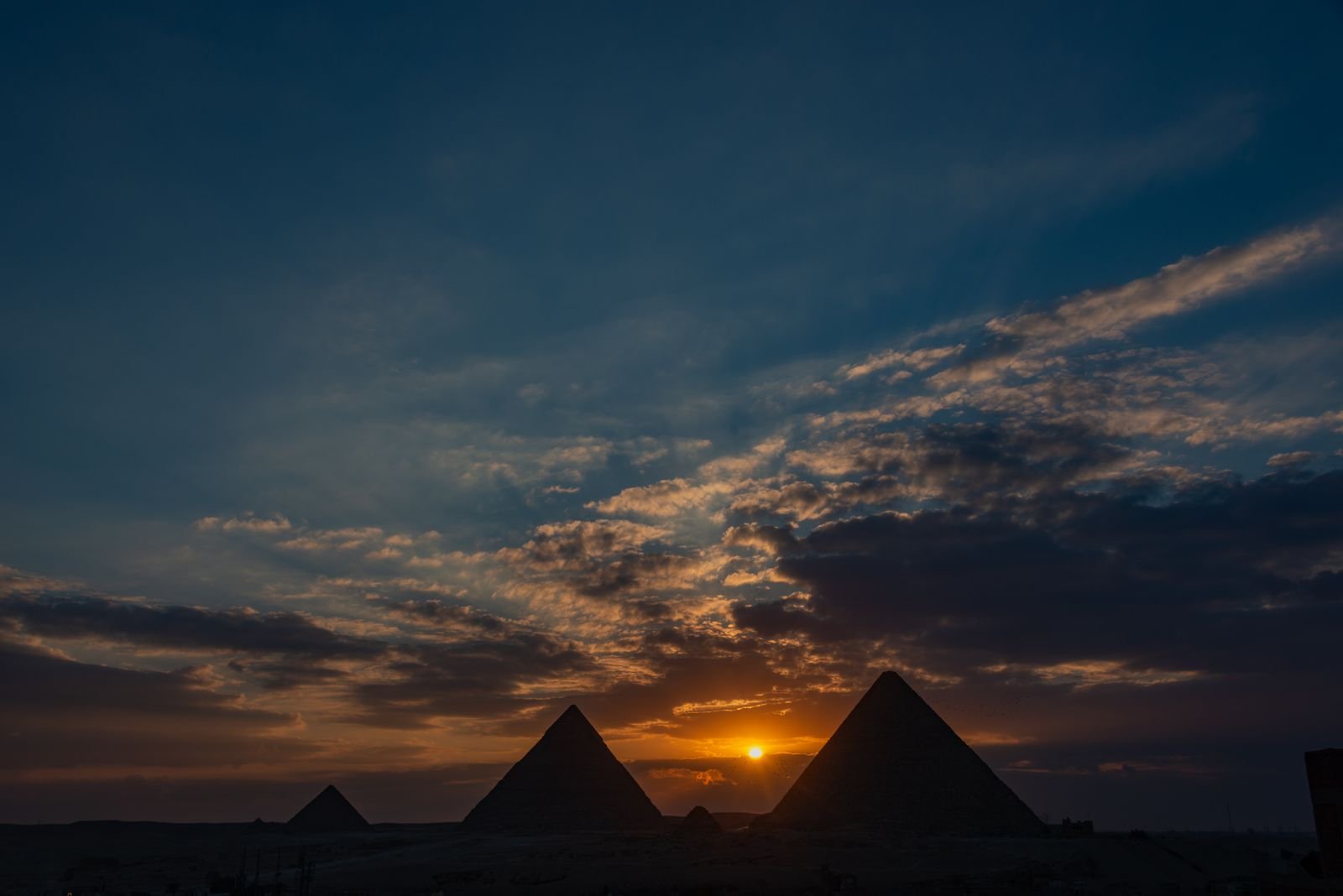
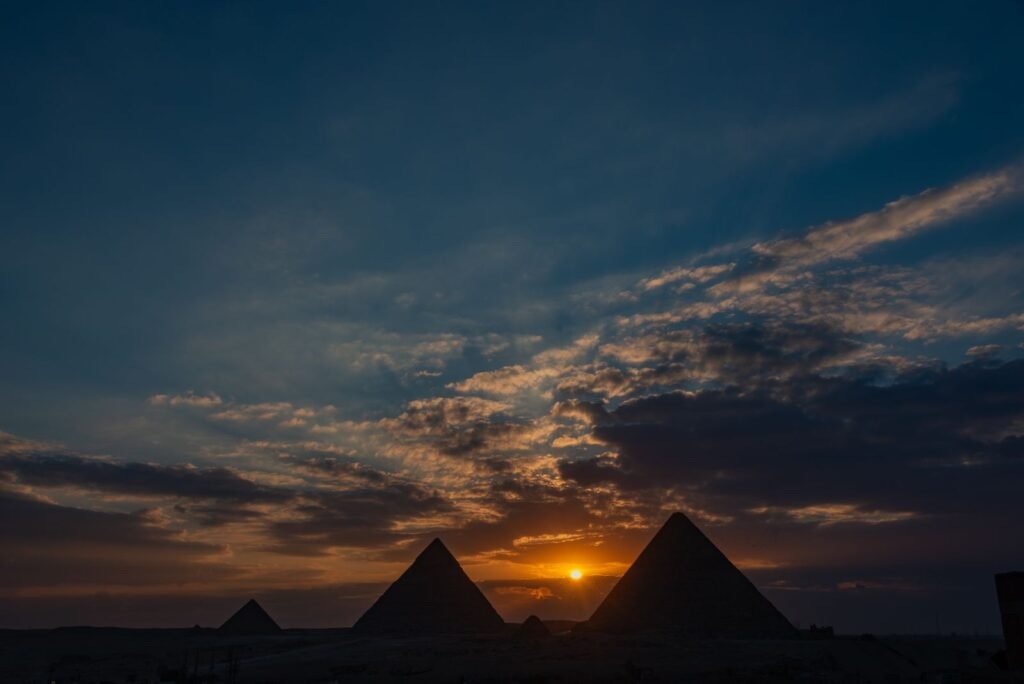
Egypt is three trips stacked into one country. The first is Cairo and Giza: the pyramids, the Sphinx, the two great museums, and a city of more than twenty million people that is loud, funny and alive at midnight. The second is the Nile valley between Luxor and Aswan, where the Valley of the Kings, Karnak, Edfu, Kom Ombo, Philae and Abu Simbel sit along a river you can actually sail. The third is the Red Sea, with Hurghada, El Gouna, Sharm el Sheikh and Dahab on some of the clearest reef water anywhere.
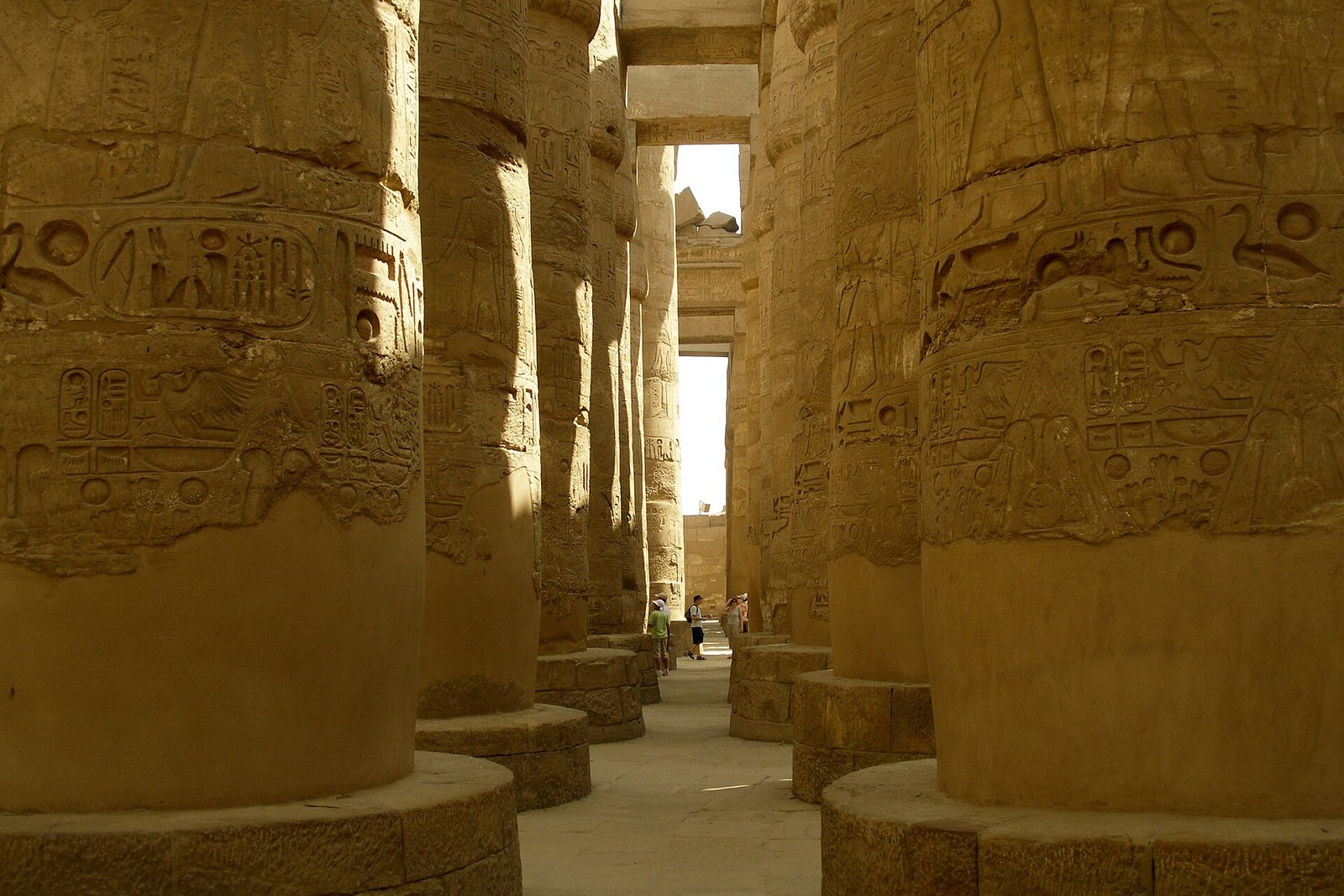
What ties it together is scale. Karnak alone is bigger than most people expect a whole site to be. Tombs in the Valley of the Kings still have color on the walls after three thousand years. You do not visit one wonder, you visit a chain of them. Our Egypt travel guide lays out the whole country region by region.
The honest downside: Egypt asks more of you. Distances are long and the sites are crowded at peak hours, which is exactly why a local agency with its own guides and vehicles makes the difference.
What Jordan is about: Petra, Wadi Rum and the Dead Sea
Jordan is smaller, calmer and built around three headline places. Petra, the rose stone city carved by the Nabataeans, is the reason most people go, and the walk through the Siq to the Treasury is one of the great reveals in travel. Wadi Rum is a red desert of sandstone mountains where you ride in the back of a pickup, drink tea with Bedouin hosts and sleep in a camp under a dark sky. The Dead Sea is the lowest point on land, where you float without trying.
Around those three sit Amman, a hilly capital with a Roman theater and a good food scene, the Roman ruins of Jerash, the mosaics of Madaba and Mount Nebo. Aqaba on the Red Sea gives you a couple of beach days at the end.
Jordan is often called the easy Middle East. Roads are good, distances are short, and many travelers rent a car and drive it themselves. What it does not have is the depth of Egypt: one Petra, not a valley of them, and no river cruise.
How many days each country needs
This is the single most useful number for choosing. Egypt needs 8 to 12 days to do properly. Jordan needs 5 to 7. If your vacation is a week, Jordan fits without rushing and Egypt does not.
A typical Egypt trip
- Days 1 to 3: Cairo and Giza. Pyramids, Sphinx, Saqqara, the museums, Islamic Cairo and the Khan el Khalili bazaar.
- Days 4 to 7: a domestic flight to Luxor or Aswan and a Nile cruise between the two, with Abu Simbel added from Aswan.
- Days 8 to 12: more time in Luxor for the west bank tombs, or a Red Sea stretch in Hurghada or Sharm el Sheikh to rest.
Our guide to how many days you need in Egypt compares the 7, 10 and 12 day versions.
A typical Jordan trip
- Day 1: Amman and Jerash.
- Day 2: Madaba, Mount Nebo and a night at the Dead Sea.
- Days 3 and 4: Petra, with a full day inside and an early second morning.
- Day 5: Wadi Rum with a jeep tour and a camp night.
- Days 6 and 7: Aqaba for the beach, or back to Amman.
Petra deserves more than a morning and Wadi Rum is wasted without the night.
Variety of landscapes: which country changes more as you move
In Egypt you go from the Giza plateau to the palm belt of the Nile, a green ribbon a few miles wide with desert cliffs on both sides, then to the granite cataract and Nubian villages of Aswan, then to the coral coast of the Red Sea and, if you want, the mountains of Sinai. The contrast between river and desert is what the whole pharaonic civilization was built on, and you feel it every day.
In Jordan the range is tighter but the scenery is spectacular per mile. The Dead Sea sits far below sea level, Amman and Petra sit on high ground, and Wadi Rum is a stone desert unlike the sand deserts most people imagine.
Our verdict: Jordan wins on dramatic desert scenery per day. Egypt wins on total variety across a trip, because the river and the sea are both there.
The Nile cruise, which Jordan has no equivalent for
If one thing decides this comparison for most of our travelers, it is the cruise. A Nile cruise between Luxor and Aswan is not a boat ride added to the trip, it is the trip. You unpack once. The temples come to you: Karnak and the Valley of the Kings at one end, Philae at the other, Edfu and Kom Ombo in between. Between stops you sit on the sun deck and watch water buffalo, fishermen, minarets and palm groves slide past at walking pace.
The standard cruise is 3 or 4 nights on a large ship, and 7 nights for the full round trip. If you want it quieter, a dahabiya sailboat carries a handful of cabins and moors where the big ships cannot.
Jordan has nothing that plays this role. The closest experience in spirit is the night in a Wadi Rum camp, which is wonderful and lasts one night. A cruise is four to eight days of moving hotel through the heart of the country.

Beaches: Red Sea reefs versus Aqaba
Both countries touch the Red Sea, and that is where the similarity ends. Jordan has a short coastline around the single city of Aqaba. The water is clear, there is decent snorkeling on the reefs south of town, and it is a good place to finish a Jordan week with two lazy days.
Egypt has hundreds of miles of Red Sea coast on two shores. On the mainland side there are Hurghada, El Gouna, Sahl Hasheesh and Marsa Alam. On the Sinai side there are Sharm el Sheikh and Dahab, with the Ras Mohammed reefs and the Blue Hole. This is one of the best reef systems on the planet, with wall dives, wrecks and house reefs you can snorkel straight off a hotel jetty. If reef time matters to you, Egypt is not a small step up from Aqaba, it is a different league.
How you would use it: the mainland resorts connect to Luxor by road in about four hours, so a Nile cruise can end with three or four nights in Hurghada or El Gouna.
Traveling with kids: which country is easier for a family
Egypt with children works best when it is built around the cruise and the sea. A ship gives kids a pool, a cabin and predictable meals, and every temple stop is a couple of hours rather than a full day on foot. The pyramids are a guaranteed hit at any age, camels included. Cairo is the tiring part, so we keep Cairo days short. Our family travel guide for Egypt covers ages, food, strollers and the sites that bore kids.
Jordan with children is compact, which helps. The Dead Sea float is the kind of thing a nine year old talks about for years, as long as nobody rubs their eyes, and Wadi Rum jeep rides are a highlight. Petra is the one to plan for: the walk from the entrance to the Treasury is well over half an hour each way, and the full site involves several miles and steps. With small children, one shorter Petra day is realistic.
Verdict: with kids under ten, Egypt built around a cruise and a beach is the more relaxing week. With teenagers who hike, Jordan is a terrific active week.
Heat by season, in Fahrenheit and Celsius
The two countries do not share a climate.
Egypt
Egypt is warm year round and hot in the south. Cairo winter days sit around 65 to 70 F (18 to 21 C) with cool evenings. Luxor and Aswan in winter are mild and sunny, roughly 72 to 78 F (22 to 26 C) by day, which is why October to April is the classic season. Summer is serious: Luxor and Aswan regularly pass 104 F (40 C) from June through August, and sightseeing moves to dawn and late afternoon. The Red Sea is swimmable all year, with water around 72 F (22 C) even in January. Our page on the best time to visit Egypt goes month by month.
Jordan
Jordan has real seasons because much of it sits on high ground. Amman and Petra are cold in winter, with rain from December to February and occasional snow, and daytime highs around 50 to 55 F (10 to 13 C). Spring and fall are the sweet spot, around 70 to 80 F (21 to 27 C). Summer at Petra and Wadi Rum reaches 95 to 100 F (35 to 38 C). The Dead Sea and Aqaba are low and hot, comfortable in winter at around 70 F (21 C) and punishing in July.
For a December or January trip, Egypt is the clear pick. For April or October, both are lovely. In July and August both are hot, and Egypt handles it better through early starts, the ship pool and the sea.
Pace and distances: how much moving each trip involves
Jordan is roughly the size of Indiana, and everything sits along one north to south spine. Amman to the Dead Sea is about an hour by car. Amman to Petra is about three hours on the Desert Highway, longer and prettier on the King's Highway. Petra to Wadi Rum is under two hours, and Wadi Rum to Aqaba about one.
Egypt is far bigger, and its highlights are strung along a river about 600 miles long from Cairo to Aswan. The way you make that work is one domestic flight south, then the cruise, then a flight back or a road transfer to the coast. Cairo to Luxor by air is about an hour. The Egypt tourist map shows how the regions connect and why the flight is worth it.
The pace difference is not only distance. Egypt runs on early starts: pyramids at opening, tombs before the coaches, then rest in the heat of the day. Jordan is more forgiving. On the other hand, once you are on the Nile ship, Egypt becomes the slower trip of the two. We do not recommend self driving in Egypt; a driver and guide are part of the package.
Culture and food: what daily life feels like in each
Egypt is dense with life. Cairo has Coptic churches, a thousand years of mosques, Ottoman houses and the bazaar all within a few miles. Luxor and Aswan are river towns where feluccas still work and Nubian culture is its own thing. Egyptians are famously funny and talkative. Bargaining is a sport, and our guides do it for you when you would rather not.
Jordan is quieter and more reserved in tone, with a strong Bedouin heritage in the south. Hospitality is formal and deeply felt, and the country is easy to move through as an independent traveler.
What you eat
- Egypt: koshari (rice, lentils, pasta and fried onions in tomato sauce), ful and taameya at breakfast, molokhia, grilled kofta, stuffed pigeon, Nile fish in Aswan and feteer pastry. Our guide to what to eat in Egypt is the long version.
- Jordan: mansaf (lamb in yogurt sauce over rice, the national dish), maqluba, zarb cooked underground in Wadi Rum, excellent mezze and hummus, and knafeh for dessert.
Jordan is more polished in restaurant style; Egypt is more street level and, in our opinion, more fun.
Who should pick Egypt first, and who should pick Jordan first
Pick Egypt for this trip if
- You have 8 days or more and want every one of them full.
- The pyramids and the pharaohs are what you have wanted to see since you were a kid.
- A river cruise appeals to you, or you travel with people who hate repacking every night.
- Snorkeling or diving on real reefs is part of the plan.
- You are traveling between November and March and want warm sightseeing weather.
Pick Jordan for this trip if
- You have 5 to 7 days and do not want to feel rushed.
- Petra and Wadi Rum are the images that made you start planning.
- You want to rent a car and set your own pace.
- You are traveling in spring or fall and like hiking and cool evenings.
If you are still torn, our honest tie breaker is time. With under 8 days, go to Jordan and come to Egypt next time. With 8 or more, come to Egypt now and give Jordan its own week later. Our 10 day Egypt itinerary is the version most first timers end up with.
Egypt vs Jordan side by side
| Criterion | Egypt | Jordan |
|---|---|---|
| Headline sights | Pyramids of Giza, Valley of the Kings, Karnak, Abu Simbel | Petra, Wadi Rum, Dead Sea |
| Days needed | 8 to 12 | 5 to 7 |
| River cruise | Yes, 3 to 7 nights on the Nile | None |
| Beaches and reefs | Two long Red Sea coasts, world class reefs | Aqaba, one short stretch of coast |
| Landscape variety | River valley, desert, coral coast, Sinai mountains | High plateau, Dead Sea depression, stone desert |
| Best months | October to April | March to May, September to November |
| Winter | Mild and sunny, peak season | Cold and wet in Amman and Petra |
| Summer | Very hot in the south, sea is the escape | Hot, cooler nights in the desert |
| Getting around | Domestic flight south plus driver and guide | Self drive or driver, no flights needed |
| Families | Great with a cruise and a beach stay | Great for active kids and teens |
| Food | Street level, hearty, fun | Mezze, mansaf, more restaurant style |
Nobody regrets either country.
Frequently asked questions
Egypt or Jordan, which is better for a first trip to the Middle East?
For a first trip, Jordan is the gentler introduction: short distances, easy self driving and a calm feel. Egypt is the bigger reward and needs more days and a guided setup to be relaxing. With a week, start with Jordan. With ten days or more, start with Egypt, because the pyramids and the Nile deserve the time.
Can I see Egypt and Jordan in one trip?
People do combine them, but it needs at least two weeks and a border or flight crossing, and it is not something we sell. We operate only inside Egypt with our own guides and vehicles. Our honest advice is to treat them as separate vacations: Egypt for 8 to 12 days on one trip, Jordan for 5 to 7 another year, so neither gets squeezed.
Is Egypt or Jordan better for a Christmas or New Year vacation?
Egypt, clearly. December and January are peak season in Luxor and Aswan because the days are sunny and mild, around 72 to 78 F (22 to 26 C), and the Red Sea is still swimmable. Jordan in those months is cold and wet, with Amman and Petra around 50 F (10 C) and occasional snow. The Nile in winter is close to perfect.
Which is safer for tourists, Egypt or Jordan?
Both countries treat tourism as a national priority and both have a visible security presence at sites and hotels. The tourist routes in each are well policed and heavily traveled. In Egypt, moving with a local guide and driver removes most of the friction people worry about, from traffic to touts. Check your own government's current travel advice for both countries before booking.
Is Petra better than the pyramids?
They are different experiences. Petra is a walk through a canyon that ends in a reveal, and the site keeps opening up for hours. The pyramids are older by two thousand years, larger, and sit at the edge of a capital city. Petra probably wins on drama in the moment. Egypt wins on how much more there is after the first sight.
Do I need a guide in Egypt the way I would not in Jordan?
Jordan works well independently: rent a car, follow the signs, hire a Petra guide at the gate. Egypt is a different proposition. The sites are spread across the country, the tombs and temples need context to make sense, and Cairo transfers are best left to a driver. A local agency handles the domestic flights, the cruise and the timing.
Two separate trips, and this page plans the Egypt one
Egypt and Jordan are almost always separate vacations, and that is the right way to do them. If Egypt is the one for this trip, tell us your dates, how many days you have and who is coming, and we send you the quote for a route built around Cairo, the Nile cruise and the sea, with our own guides and vehicles.