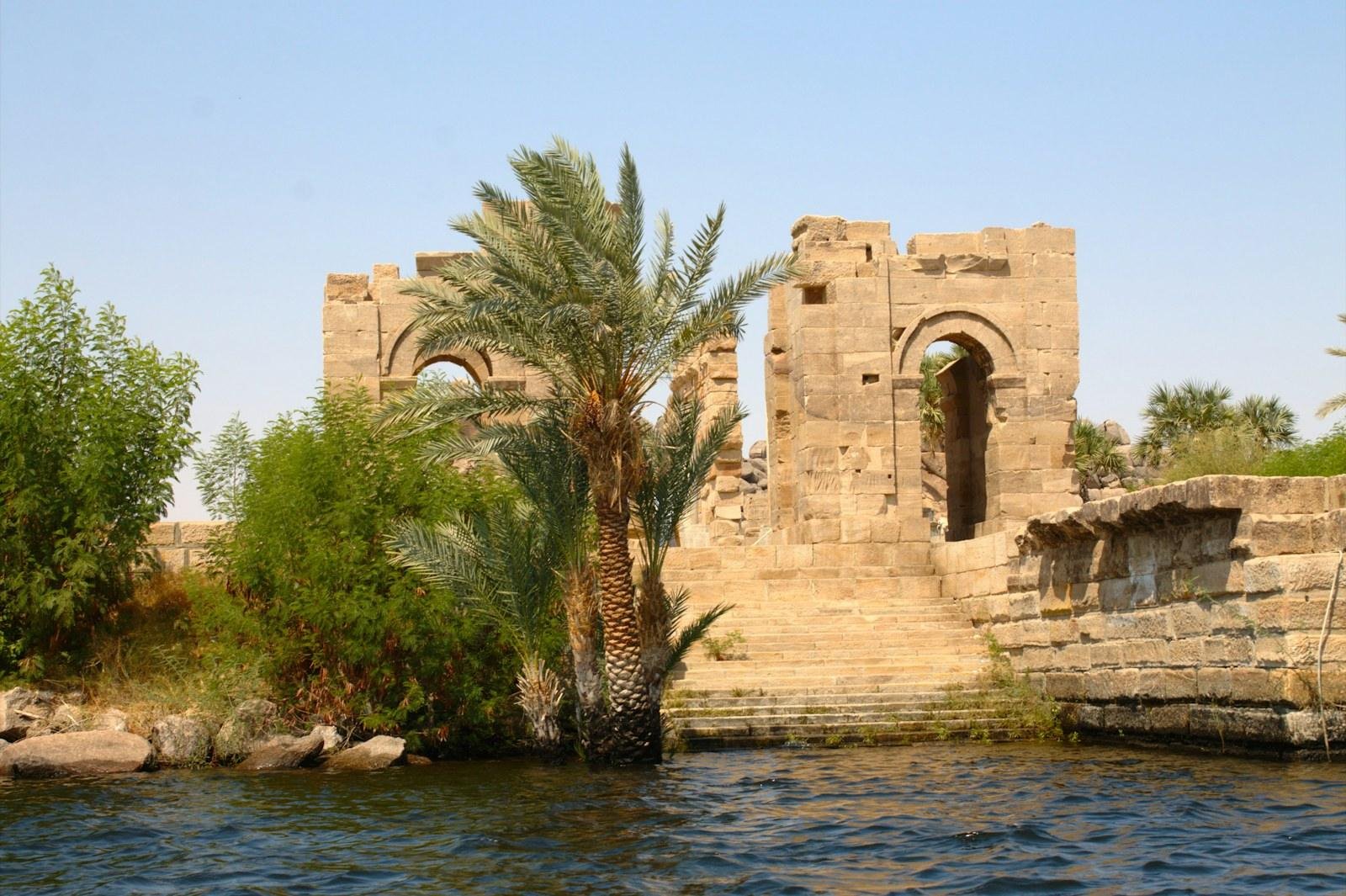
Ten days is the length where Egypt stops being a single region trip. Three days in Cairo, four nights on the Nile between Luxor and Aswan, Abu Simbel, then a closing block of three days on the Red Sea or in a second cultural region. It is the honest middle ground between one week and two, with room for the country to breathe.
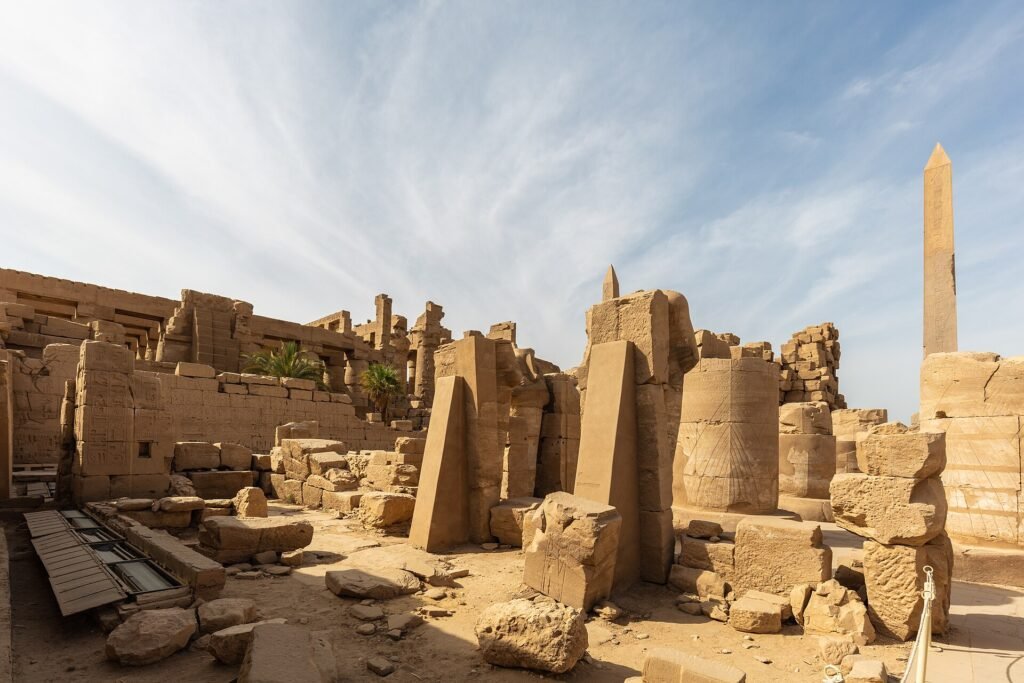
A week in Egypt shows you the essentials. Nine days adds a brushstroke. Ten gives you two complete regions, both properly used rather than glimpsed from a vehicle window, and that is a different kind of trip rather than a longer one.
The whole difference sits in the closing block. Nine days buys a couple of loose days that transfers quietly eat. Ten buys three consecutive days that can hold something whole. It also buys slack: a road closes, a tomb shuts for conservation, a boat leaves late, and none of it costs you a site. The wider arithmetic is in our guide to how many days you need in Egypt.
This is the shape that gets the most out of the time: the full cultural circuit first, then a real closer rather than a filler day.
| Days | Where you are | What the days hold |
|---|---|---|
| 1 to 3 | Cairo | Giza, the Grand Egyptian Museum, Saqqara and Memphis, Islamic and Coptic Cairo |
| 4 | Luxor | Internal flight south, Karnak and Luxor temple, board the boat |
| 5 to 7 | Nile, Luxor to Aswan | West bank tombs, Edfu, Kom Ombo, sailing hours, Philae |
| 7 or 8 | Abu Simbel | The two rock cut temples, by road, by air or across Lake Nasser |
| 8 to 10 | Red Sea, or a second region | Reef and rest, or Alexandria, Fayoum, the White Desert |
The first seven days barely change from one traveler to the next. The last three are the personal part, and they are what the tenth day buys.
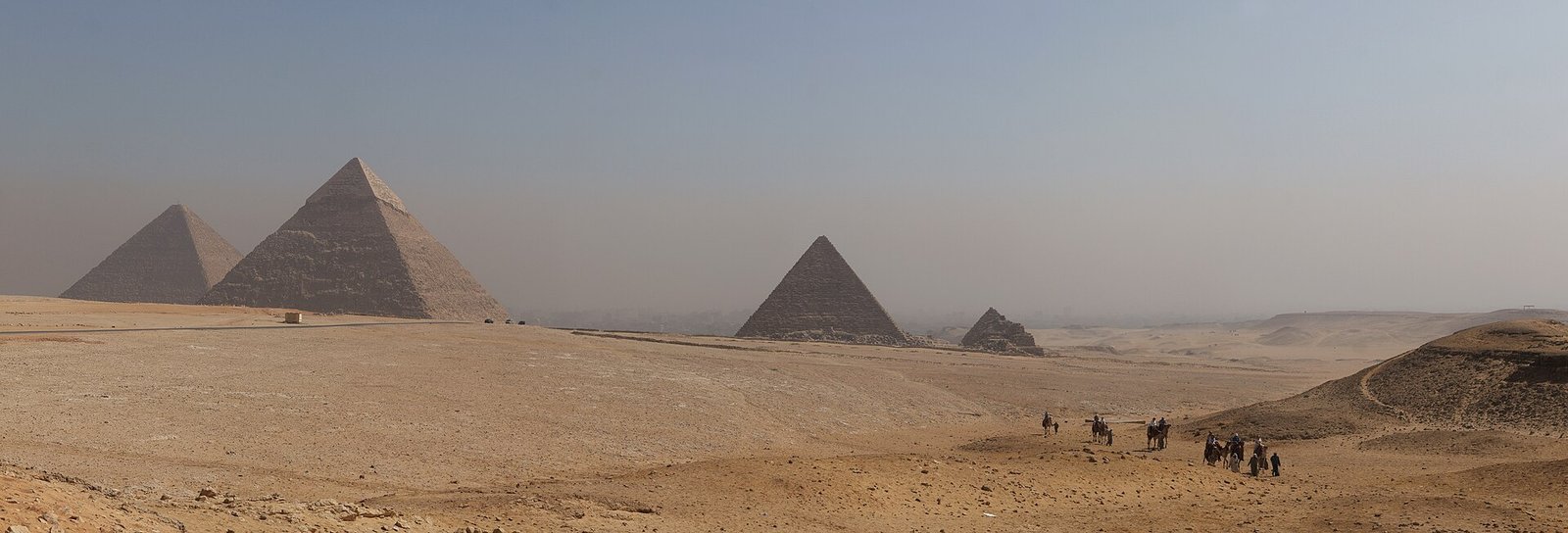
Three days is where Cairo stops being a stopover. Day one is the Giza plateau and the Grand Egyptian Museum, which between them cover the pyramids and almost everything taken out of them. Day two goes south to Saqqara for the Step Pyramid, adding Memphis and the Dahshur fields if the morning runs cleanly.
Day three is the old city: the Citadel, the mosques, the Coptic quarter and the bazaar, late enough that the light is worth something. Two things decide how much fits, and neither is the monument list: a guide who connects the sites rather than narrating them separately, and the traffic. What runs out of the city is on our page of Cairo excursions, and the museum has its own Grand Egyptian Museum guide.
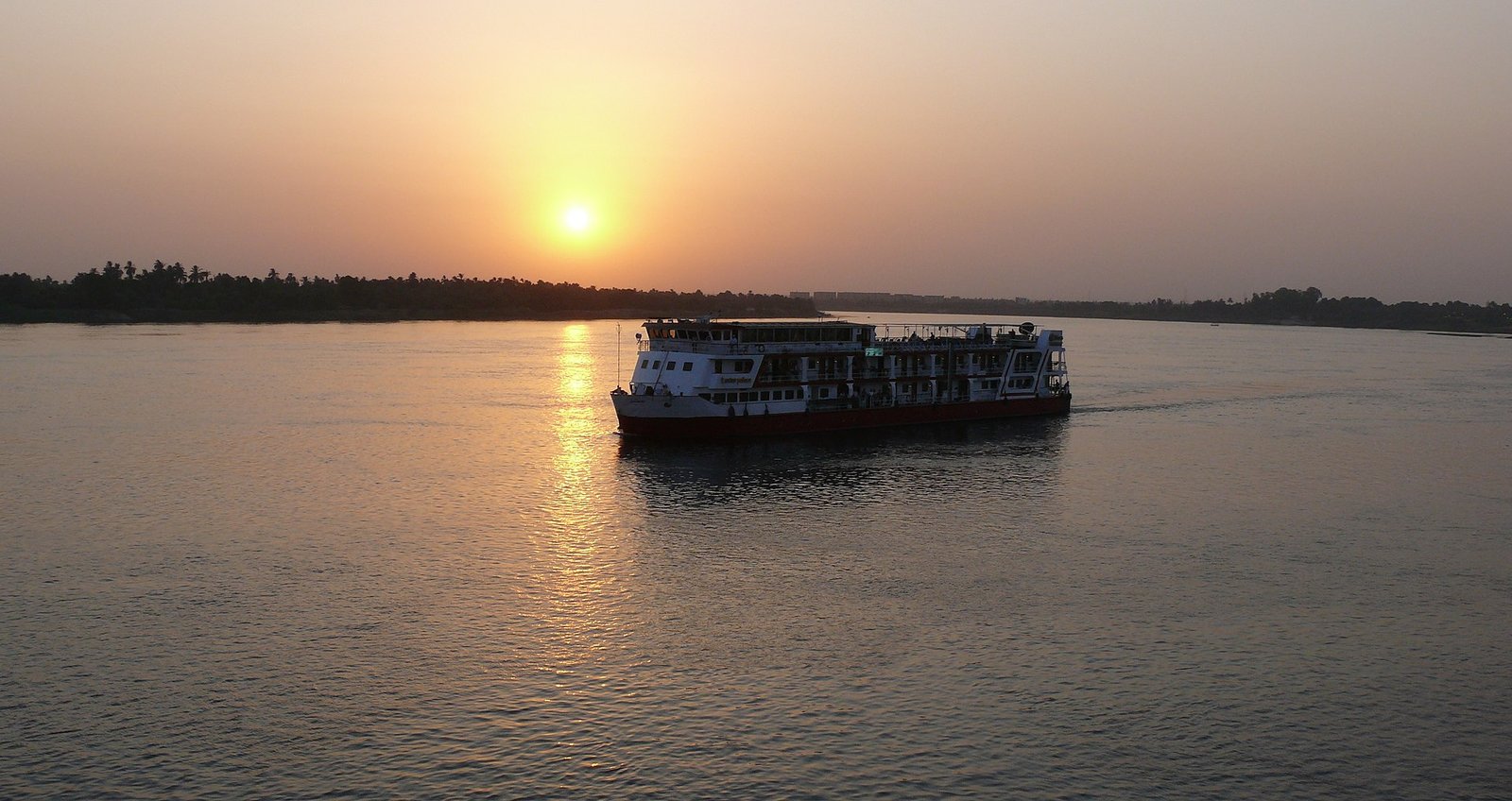
An internal flight puts you in Luxor in time for Karnak the same day, and four nights aboard covers the valley without a single early check out. The boat moves your luggage between temples, which is the entire argument for doing this stretch on the water.
The west bank comes first: the Valley of the Kings, the temple of Hatshepsut at Deir el Bahari, the Colossi. Then the river sites arrive in order as you sail south: the Esna lock (the temple, with its painted ceiling, is a road trip from Luxor), Edfu with the best preserved pylon in the country, Kom Ombo standing directly above the water, and Philae at Aswan to close. Four nights is the full version; three night boats drop a ticketed site to manage it. Choosing between vessels is covered in how to choose a Nile cruise.
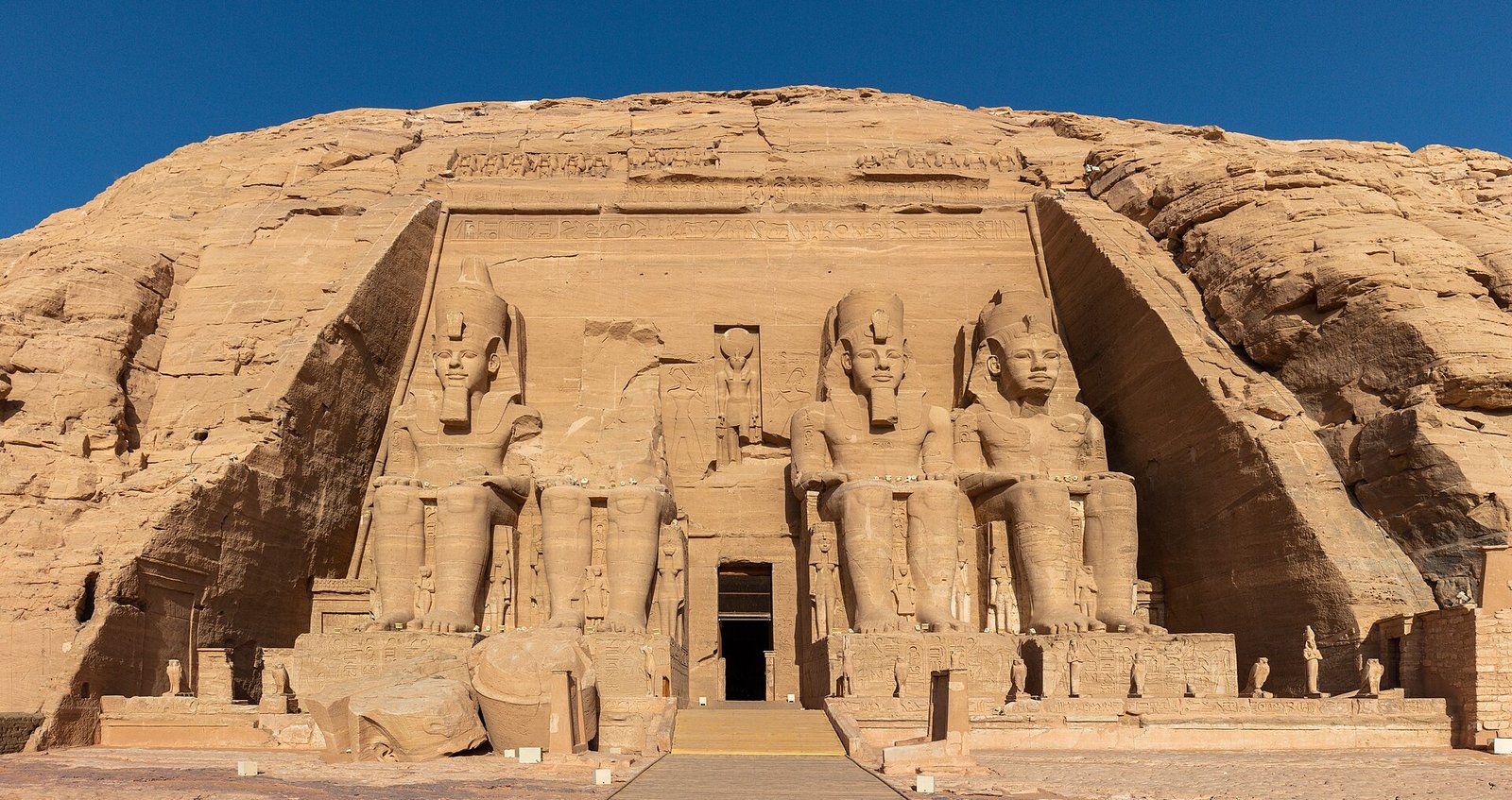
Abu Simbel sits far south of Aswan and is the site people most regret leaving out. On ten days it fits without argument, which is not true of shorter plans. Where it lands depends on how your boat's last day falls: usually the final cruise day, or the morning after you step off.
By road it is a long drive each way and takes the full day. By air it is a short internal hop occupying a morning, which hands the afternoon back to Aswan. Across Lake Nasser it becomes a separate small cruise taking in the other rescued Nubian temples, which on ten days replaces the Red Sea block rather than joining it. The practical side is on visiting Abu Simbel, with the rest under Aswan excursions.
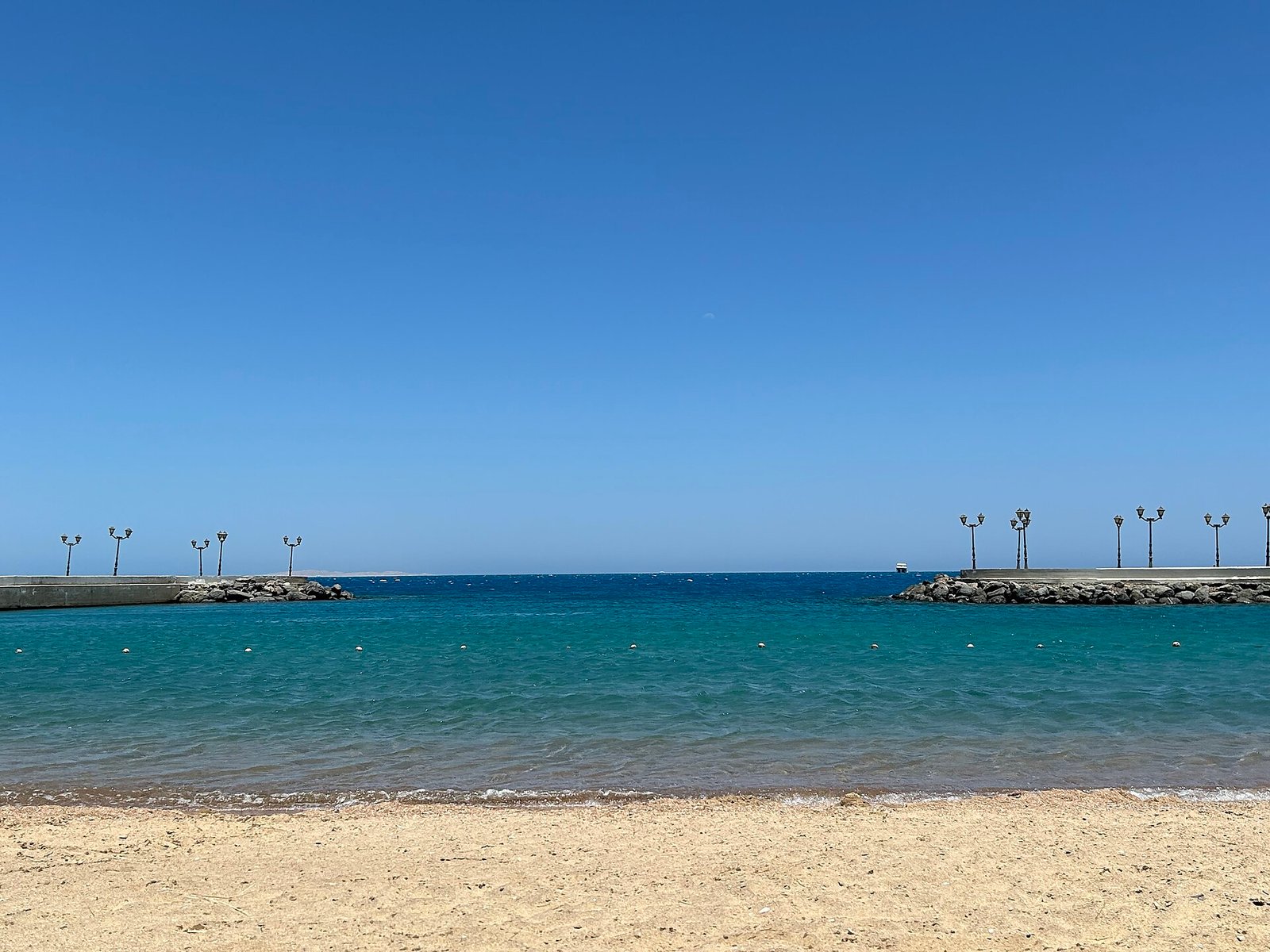
Four ways to spend the block that makes the tenth day worth having:
The Red Sea is the most popular closer by a distance and the one that costs most elsewhere, because three nights of coast is three nights not spent inland. What is on offer once you arrive is under excursions from Hurghada.
An itinerary is designed in nights, not days, because every change of hotel costs real time and real energy. Over ten days the split that works is narrower than people expect.
The pattern to avoid is one night per place. Each new room means checking in, unpacking and working out where things are, and three single nights in a row tire you more than one long transfer. One further rule: the last night belongs near the point you leave from.
One day in every ten day plan gets written off in advance. It is usually treated as lost: you land, clear the formalities, reach the hotel and rest. That is reasonable if you get in late, but an arrival in the morning or around midday leaves an afternoon that holds far more than people assume.
What works is anything undemanding: a market, a terrace over the river, or a museum if one is close. These also start you adjusting to the rhythm and the heat. What does not work is putting the headline site on day one, when you are tired, unacclimatised and on a body clock that has not caught up. Check what time you actually get in before deciding.
A Nile cruise contains many hours of pure sailing, and anyone who treats them as dead time gets bored. Used properly they are the best part of the trip, and the deck is where they happen. The valley changes constantly and slowly: palm groves, cane fields, mud brick villages, women washing at the bank, buffalo, fishing skiffs, herons. It is an extremely narrow green strip between two deserts, and from the water that is exactly how it looks.
Boats fill those hours with talks on history and craft demonstrations, and most carry a small library, a pool and a sun deck. Two moments are worth getting up for: the passage through the lock, and sunset over the river. Keep one afternoon for doing nothing at all, because that gap is worth more than another visit. Deck comfort is covered in what to pack for a Nile cruise.
Ten days has room for one addition, and they do not all cost the same. Ranked by what they give against what they consume:
The Red Sea is not an addition but a replacement for the closing block, which is why it sits in the section above. The balloon is covered in the hot air balloon over Luxor.
Trip lengths in Egypt are not a smooth scale. Certain days buy far more than others, and it is worth seeing where the steps fall.
| Length | What it covers | What it leaves out |
|---|---|---|
| 7 days | Cairo and the Luxor to Aswan cruise, done properly | Abu Simbel, any second region, most of the slack |
| 9 days | The above, plus Abu Simbel and one or two loose days | A closing block long enough to be its own thing |
| 10 days | The full circuit plus three consecutive days of coast or a second region | Having the coast and a second cultural region |
| 14 days | The circuit, a long coastal stay, and a desert or Mediterranean leg | Little, beyond the far south and the oases together |
The step from nine to ten is the largest single day gain here, because it turns fragments into a block. The step to fourteen is real but incremental, and mainly buys the option of not choosing. The contrast with a much shorter trip is in Egypt in 4 days.
For an itinerary mixing monuments with possible beach time, October to April is the comfortable window. The temperature makes long days at the sites pleasant rather than survivable, and the sea is warm enough for most people, though not for everybody in the depths of winter.
Summer does not rule the plan out, it reshapes it. Upper Egypt in July and August takes the middle of the day away, so monuments move to first light and afternoons move indoors or into the water, which pushes weight towards the Red Sea block. Winter has the opposite trade: full usable days and more people at every gate. Detail by month is in the best time to visit Egypt, and the crowd side in high and low season.
Ten days across three regions has more moving parts than a single base trip, and the joins are where plans come apart. Internal Egyptian flights are what make it possible. Cairo to Luxor, and Aswan back to Cairo or across to the coast, are the usual legs, and they are the ones we arrange and hold. On the Cairo to Luxor stretch the alternative is the overnight train, which saves a hotel night and costs you a morning.
The rest is ground. Cairo traffic is the biggest variable in the first three days. The move from the valley to the coast is either a short hop or a road crossing that eats a real part of a day, so it belongs on a travel day rather than tacked onto a sightseeing one. Timing decides the outcome: a mid morning departure removes the morning, which in Egypt is the useful part of the day.
This length is not simply a longer week. It has its own audience.
It suits you less well if you have one narrow interest and want depth in a single place, or if you want both the Red Sea and a full second cultural region, which is a fortnight rather than ten days.
We are a local agency in Cairo and we run these trips ourselves. Send us your dates, how many are traveling and what the last three days should be. If your dates cannot carry what you are asking for, we will say so. First time enquirers get our best first trip conditions and a written plan listing what is included. Itineraries are on Egypt tour packages, and the version we run most often is the 10 day Cairo, Luxor and Aswan itinerary.
Cairo at a proper pace, a full Nile cruise between Luxor and Aswan, Abu Simbel, and a closing block of three days on the Red Sea or in a second region such as Alexandria or the Western Desert. The classic circuit uncompressed, plus one thing that is your choice.
More than long enough for a complete first trip. You do the whole cultural route without rushing and add three consecutive days for a second region. It is the middle ground between one week and a fortnight.
The closing block. Nine days gives you a couple of loose days that transfers tend to eat. Ten gives you three consecutive days that can hold something whole, such as a real stay on the coast. That single day changes how the trip ends.
Three days in Cairo, an internal flight to Luxor, four nights sailing to Aswan, Abu Simbel, then three days on the Red Sea. The last block is flexible and can become Alexandria, the White Desert or Fayoum instead.
Yes, with room to spare. Cairo, the cruise and Abu Simbel first, then two or three nights on the coast to close. Two nights is the practical minimum for the transfer to be worth making.
October to April is the comfortable window, with temperatures that make long days at the monuments pleasant and a sea most people find warm enough. Summer works if you weight the plan towards the Red Sea and start temple days at first light.
Both work. The cruise means unpacking once and having the temples arrive at you, which is the efficient way to use days four to seven. Overland gives more control over timing. On ten days there is room for either.
Three, and splitting them is often better than keeping them together. Two at the start covers Giza, the museum and Saqqara, and one at the end lets you close near the point you leave from. The old city is what gets squeezed if you drop to two in total.
On this length, yes. It is the site travelers most often regret missing, and ten days absorbs it without damaging anything else. By air it takes a morning, by road a full day.
Ten days, built around what you actually want to see
We are the local team in Cairo that runs these trips. Send us your dates and what the last three days should be, and we will come back with a written plan and someone to ask once you are here.
Keep exploring