
Bedouins are the Arab peoples of the desert, traditionally nomadic herders of camels, goats and sheep organized into tribes. In Egypt they live mainly in the Sinai Peninsula, in the Eastern Desert between the Nile and the Red Sea, and along the Mediterranean coast of the Western Desert. Most are now settled or semi-nomadic, and many work as guides in Sinai and the desert.
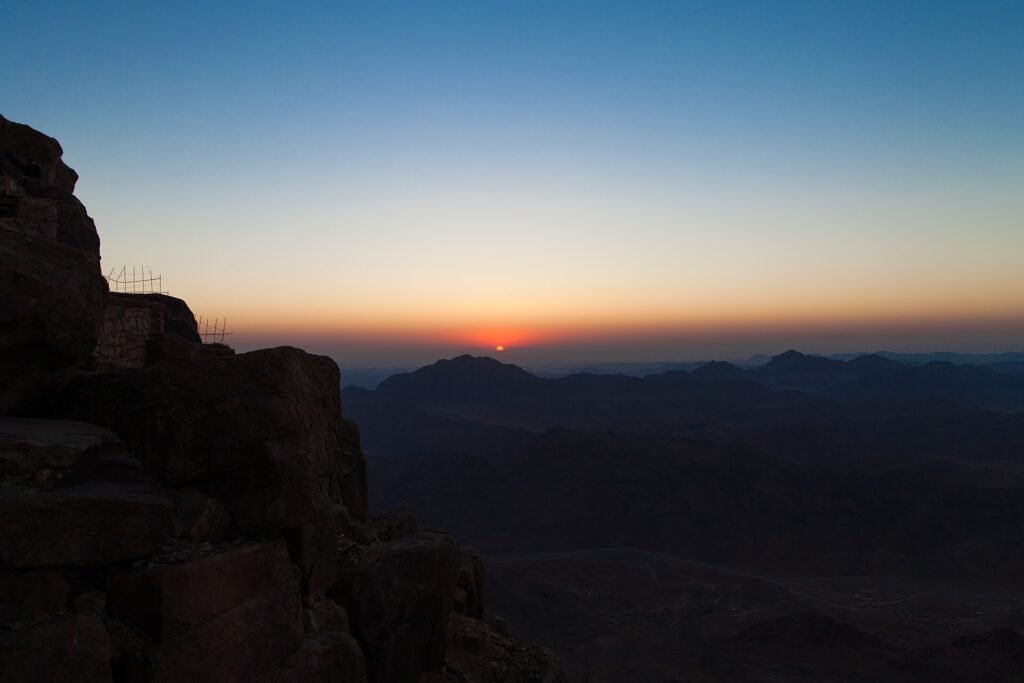
For many travelers, the word Bedouin conjures a movie scene: a black tent among the dunes, a kneeling camel, a glass of tea by the fire. Some of that still exists, but the reality of Egypt's Bedouins is richer and much more current. These are communities with centuries of history, their own customary law, their own Arabic dialects and a knowledge of the desert nobody else has, and today they mix tradition with cell phones, pickup trucks and tourism.
This guide explains what the word Bedouin means, which tribes live in each part of Egypt, what Bedouin culture looks like day to day, how Bedouins differ from Nubians or the people of Siwa and, above all, how to experience their world respectfully on your trip, from a night in the desert to the climb up Mount Sinai.
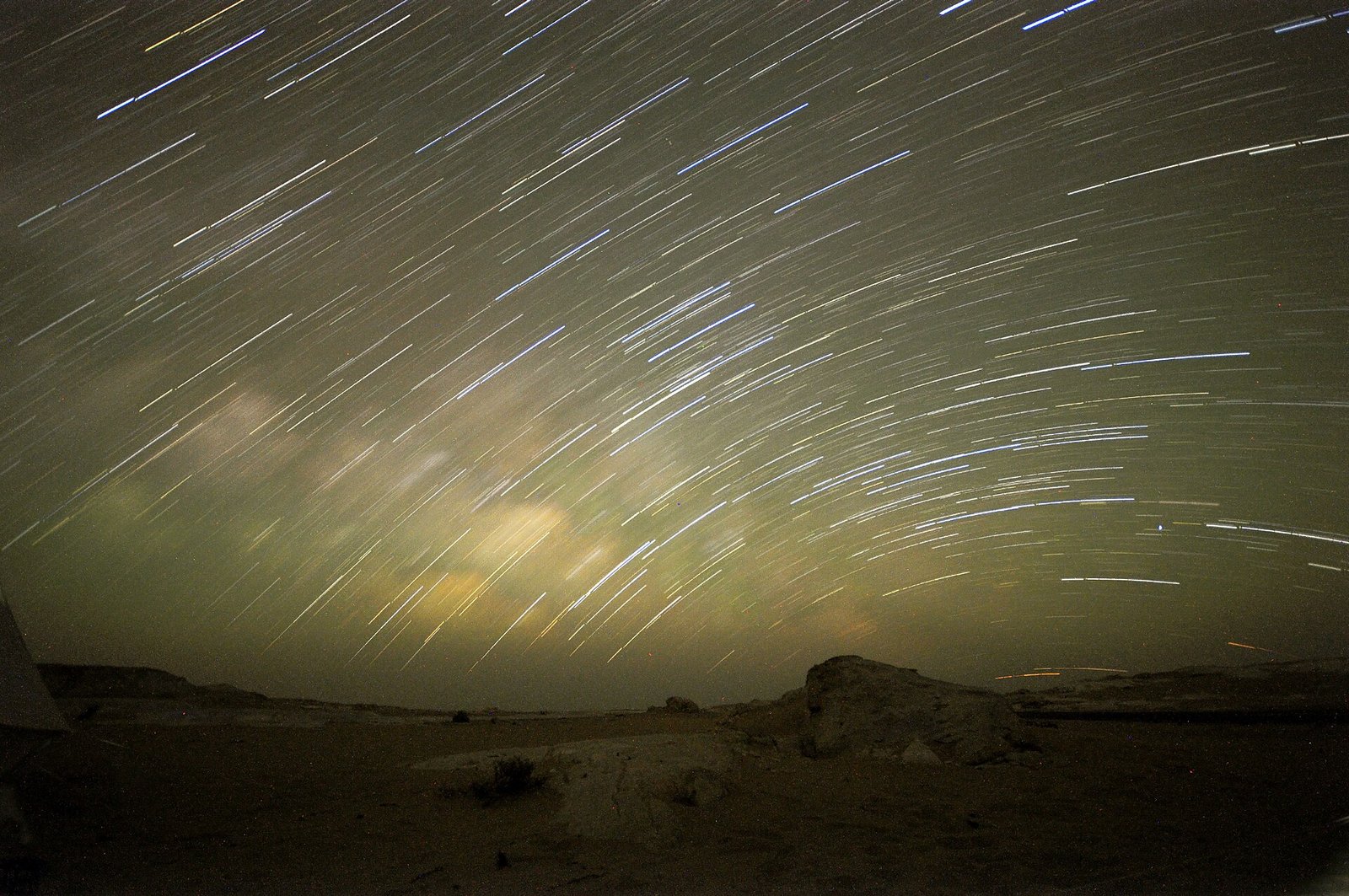
The word comes, by way of French, from the Arabic badawi, meaning someone who lives in the badiya, the desert or open steppe. It literally means desert people, as opposed to the hadar, those who live in towns and villages. Originally it described a way of life rather than an ethnic group: herders who moved with their animals in search of water and grazing according to the season.
Bedouins are organized into tribes, and each tribe into clans and extended families descended from a shared ancestor. Tribal belonging shapes almost everything: territory, alliances, marriages and loyalties. Bedouin groups live across the Arabian Peninsula, Jordan, the Levant and North Africa, and share an ethic of honor, hospitality and keeping one's word, even though each group has its own customs.
Today, Bedouin does not necessarily mean nomad. Most of Egypt's Bedouins live in houses, in villages or on the edge of towns such as Dahab, El Arish or Marsa Matruh, while many still keep herds, garden plots in the wadis or a tent in the desert for the grazing season. What defines them is their tribe and their culture, not the tent.
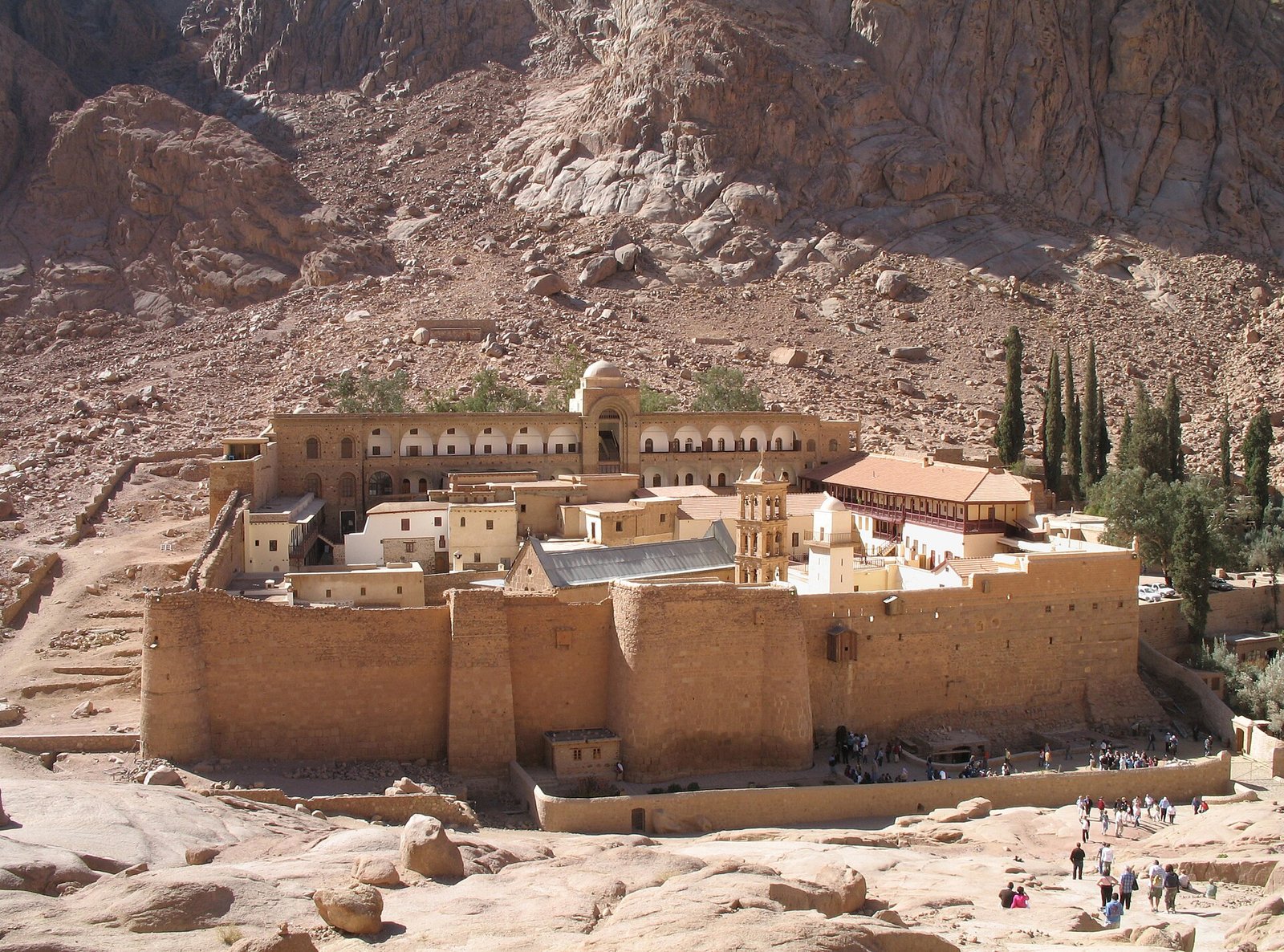
This is Egypt's great Bedouin heartland, home to around a dozen tribes with well-defined territories. In the south the largest tribe is the Muzeina, whose lands cover much of the Gulf of Aqaba coast from Sharm el Sheikh to Dahab and Nuweiba. In the high mountains live the Jebeleya, a tribe with a unique story: by their own tradition they descend from families the Byzantine emperor Justinian sent in the 6th century to protect and serve Saint Catherine's Monastery, who over time became fully Bedouin. Today they guide the climb up Mount Sinai and tend the walled mountain gardens. In the north, toward the Mediterranean, live tribes such as the Sawarka and the Tarabin. Our Sinai Peninsula travel guide puts it all on the map.
Between the Nile Valley and the Red Sea coast lies a region of mountains and dry wadis, home to the Ma'aza, herders who for generations crossed these ranges with their camels. Further south, toward Marsa Alam and the Sudanese border, live the Ababda and Bishari. Strictly speaking they are not Arab Bedouins but peoples of Beja origin with their own language, although they share the desert way of life and many customs.
The coastal strip between Alexandria and the Libyan border belongs to the Awlad Ali, one of Egypt's largest Bedouin tribes, centered on Marsa Matruh. In the inland oases such as Bahariya, most people are farmers settled for centuries, but desert culture is very much alive in the guides and camps that run trips into the White Desert.
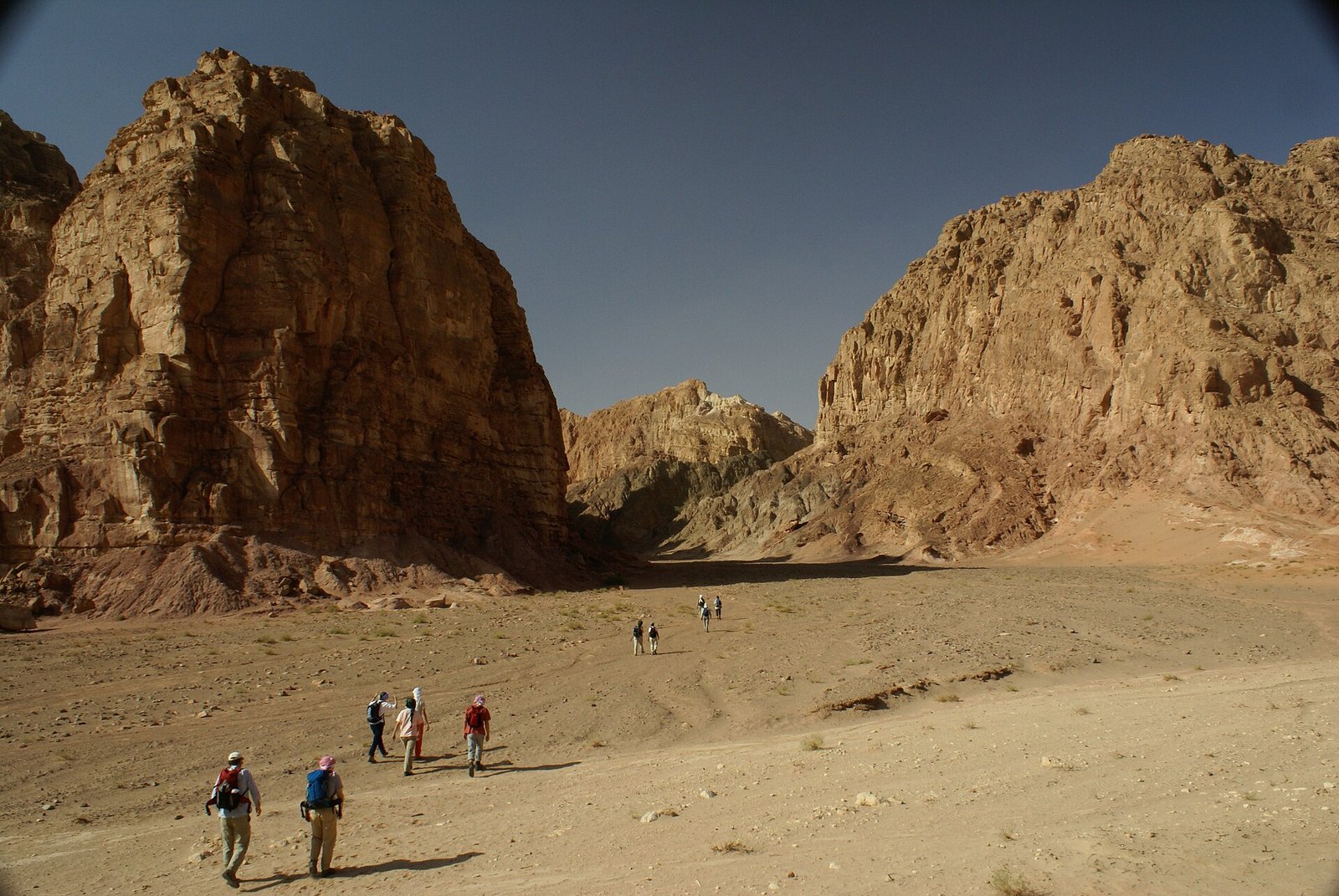
Travelers often mix these up, since all three live far from Cairo and all three have a strong culture of their own. They are different peoples:
Hospitality is the core value. In the desert, refusing water and shelter to a traveler could mean his death, and from that grew a code of hospitality still honored today. Tradition holds that a guest may stay three days before anyone asks who he is or why he came. The first thing you will be offered at a Bedouin tent or home is tea, and turning it down is considered rude.
Bedouin tea is served very sweet, often brewed with desert herbs such as sage or habaq, a wild Sinai mint. Coffee is made with cardamom and served in small cups, with its own etiquette about how many rounds to accept. Bread is flat and baked on a curved metal griddle or buried straight in the embers and sand, and you are likely to taste it at any desert dinner. For how tea works across the rest of the country, see tea and shisha in Egypt.
The traditional tent is woven from black goat hair and called bayt al-sha'r, the house of hair: the weave tightens when damp and keeps the cold out at night. Men wear the galabeya and a head scarf; Sinai Bedouin women are known for dresses hand-embroidered in red thread and for veils decorated with coins and beads worn on important occasions. Embroidery, weaving and silver jewelry are the most prized Bedouin crafts.
Alongside state law, Bedouins keep their own customary law, called urf, which settles disputes between families and tribes through tribal judges and mediators. It is very much part of daily life, and it explains why in Sinai an agreement is sealed with a conversation and a glass of tea rather than a piece of paper.
There are several ways into the Bedouin world, and they are not all alike. Here is what to expect from each:
A member of the Arab desert peoples, traditionally nomadic herders organized into tribes. The word comes from the Arabic badawi, desert dweller. Most Bedouins today are settled or semi-nomadic but keep their tribal identity and culture.
Mainly in the Sinai Peninsula, home to around a dozen tribes such as the Muzeina and the Jebeleya; in the Eastern Desert between the Nile and the Red Sea; and on the Mediterranean coast of the Western Desert, land of the Awlad Ali, centered on Marsa Matruh.
Very few fully. Most live in houses and villages, and many keep herds, garden plots in the wadis or a desert tent for part of the year. Tourism, transport and guiding are now major sources of income.
Bedouins are Arabs of the desert, organized in tribes with a herding tradition, living in Sinai and the deserts. Nubians are the people of the southern Nile between Aswan and Sudan, river farmers with their own languages and brightly painted houses.
Yes. The most popular options are desert dinners from Hurghada or Sharm el Sheikh, the Mount Sinai climb with Bedouin guides, trips from Dahab and a night in the White Desert. The beach-resort dinners are camps built for visitors; Sinai and the White Desert come closer to real desert life.
Flatbread baked on a griddle or in the embers, rice, lentils and beans, goat milk and cheese, and lamb or kid for celebrations. Very sweet tea, often with desert herbs, and cardamom coffee go with every gathering.
Plan your desert trip on WhatsApp
All our itineraries are on Egypt tour packages.
Keep exploring