Tea and shisha in Egypt: how to sit in a cafe like a local
Tea and shisha in Egypt: how to sit in a cafe like a local
Tea and shisha in Egypt live in the ahwa, the neighborhood cafe on almost every corner from Alexandria to Aswan. You order shai, strong black tea in a small glass, sweet by default and often with fresh mint, or a Turkish coffee where the sugar is brewed in, so you say how much when you order. The shisha comes with molasses-soaked tobacco in apple, mint, grape or lemon, a sealed disposable mouthpiece and no hurry at all. Around you, backgammon pieces slap, dominoes click and nobody expects you to leave. Women, couples and families are welcome in the bazaar cafes, the Nile terraces and any modern cafe. Here is how to order, how to behave and where to go.
The ahwa, and why it explains Egypt better than any museum
Ahwa is the Egyptian word for coffee and also for the cafe that serves it. The classic version is a narrow room open to the street, wooden chairs spilling onto the sidewalk, a counter with a gas ring and a battery of tea glasses, and a wall of shishas waiting for the evening. There is rarely a menu. There is always a television.
It is not a place to grab a drink and go. It is where the men of the block have met every evening for decades to talk, argue, play and watch the match. One glass of tea holds a chair for two hours and nobody blinks.
The monuments tell you about the pharaohs. An hour on a plastic chair with a glass of shai tells you about the people who live next to them. If you are working through what to see in Cairo, put an ahwa stop between two of the big sites and you will remember it longer than one of the sites.
What is in the glass: shai, karkade, sahlab and Turkish coffee
The national drink is shai, black tea brewed strong and served in a small glass with a saucer, never a mug. It arrives sweet unless you say otherwise. Ask for mint and a fistful of fresh leaves goes into the glass. Egyptians drink it after every meal, in every shop you buy something in and at every moment of hospitality. Refusing a glass is possible but rarely worth it.
There are two styles. Koshari tea is loose leaves steeped in the glass, lighter, the Cairo default. Saiidi tea, from Upper Egypt, is boiled hard with the sugar and comes out dark, bitter and strong enough to stand a spoon in.
- Karkade. Hibiscus steeped into a deep red infusion, hot in winter and iced in summer, tart and refreshing. Aswan is famous for it.
- Sahlab. A thick, hot, milky drink dusted with cinnamon, coconut and nuts. Closer to a dessert than a drink.
- Turkish coffee, called ahwa. Finely ground, brewed in a small long-handled pot and poured unfiltered into a tiny cup. The grounds settle at the bottom and you stop when you reach them.
Every drink is made with boiled water, so the ahwa is one of the safest places in Egypt to drink something that is not bottled. For the plates, see our guide to Egyptian food and what to eat.
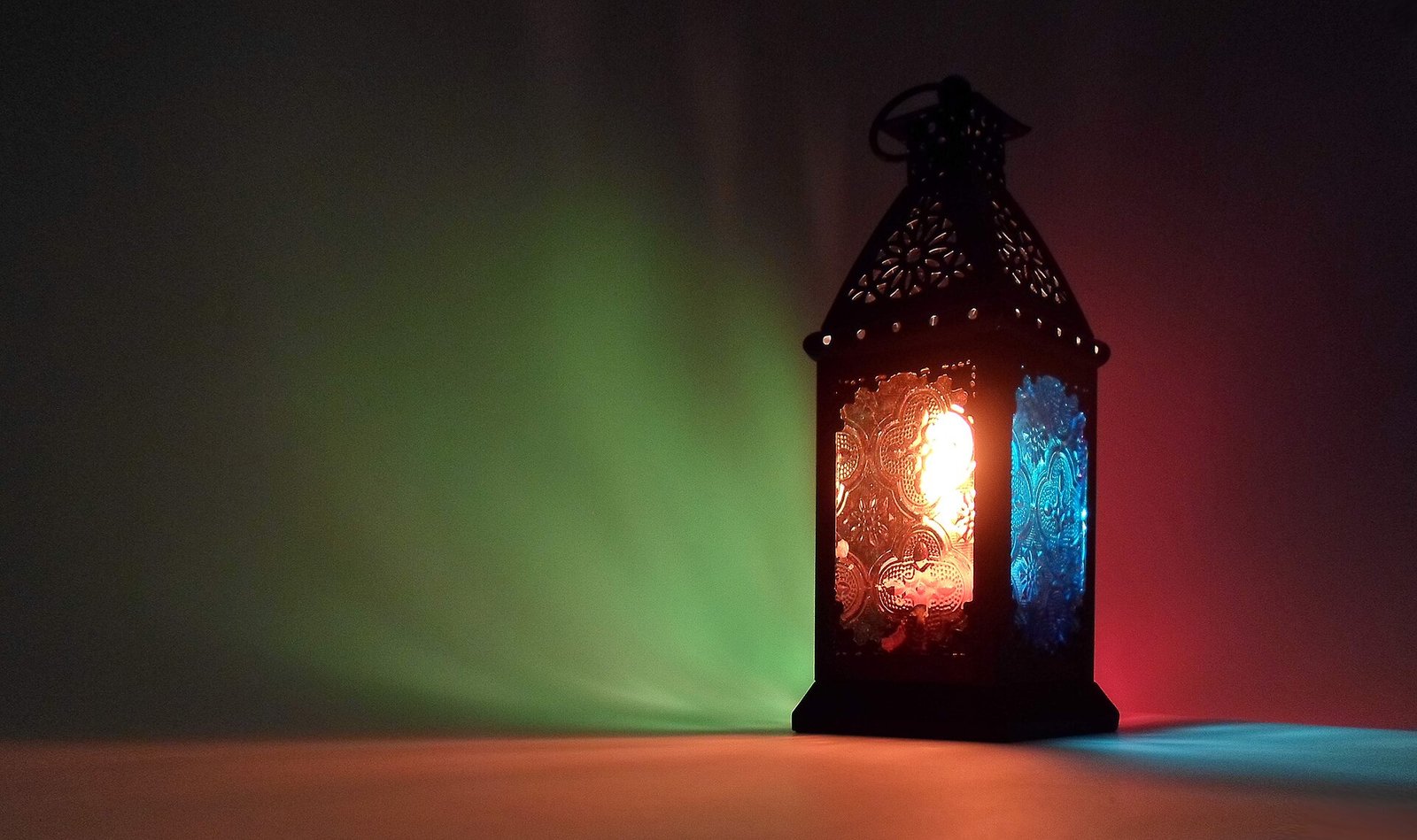
How to order tea and coffee without looking lost
The waiter appears before you sit down, there is no card to point at, and everything happens in Arabic. Four phrases handle it.
Ordering tea
- Shai gets you the default: strong, hot, sweet.
- Shai bi na'na adds fresh mint.
- Shai sukkar khafif means light sugar. Shai min gheir sukkar means none.
- Shai saiidi asks for the strong boiled Upper Egyptian version.
Ordering Turkish coffee: the sugar goes in first
This is the part Americans get wrong. The sugar is stirred into the pot while the coffee brews, not added at the table, so say how sweet you want it when you order:
| What you say | What you get | Who orders it |
|---|---|---|
| Ahwa sada | No sugar, bitter and strong | Purists, most older Egyptian men |
| Ahwa ala el riha | A hint of sugar, barely there | People who like it dark but not harsh |
| Ahwa mazbut | Medium sweet, the balanced default | The safe first order for a visitor |
| Ahwa ziyada | Very sweet | Sweet tooths, most students |
Drink it slowly and stop before the sludge. Paying happens when you leave: the waiter keeps your tab in his head or marks it on the saucer, and you pay him directly. More words that go a long way in cafes and shops are in our list of Arabic phrases for travel.
Shisha: flavors, how it is set up, and the etiquette around it
The shisha, also called hookah or narghile, is the ahwa's second engine: a glass base half full of water, a metal stem, a clay bowl packed with mu'assel, tobacco soaked in molasses and flavoring, and glowing charcoal on top. The smoke cools as it bubbles through the water, and the whole cafe hums with that sound after dark.
The flavors you will be offered
- Tuffah, apple. The classic. Ask for tuffahtein, double apple, the anise-tinged version most locals smoke.
- Na'na, mint. Cool and clean, often mixed with lemon.
- Enab, grape and shammam, melon. Sweeter, good for first-timers.
- Plain. Unflavored tobacco, much harsher, for people who already smoke.
How a session works, and the rules
A waiter brings the pipe lit, fits a sealed plastic mouthpiece on the hose and comes by with tongs to swap the coals. A bowl lasts roughly an hour; the point is the slow rhythm and the conversation, not volume.
- Use the disposable mouthpiece and ask for a new one if it did not arrive sealed.
- Sharing a pipe among friends is normal, each with their own tip. Nobody is offended if you decline.
- Order a drink with it. A shisha alone at a table for two hours is bad form.
One line on health: an hour on a shisha delivers far more smoke than a cigarette, water or no water, so treat it as an occasional cultural experience, not a gentle alternative to smoking. Anyone who prefers not to smoke can sit with a glass of tea and enjoy exactly the same evening.
Backgammon, dominoes and the match on the wall
The soundtrack of an Egyptian cafe is not music. It is the crack of backgammon pieces, the click of dominoes and the roar when Al Ahly or Zamalek score. Tawla, the Egyptian form of backgammon, is played fast and loud; the dice are thrown hard, the pieces slapped down, and a good player barely looks at the board. Dominoes are played in noisy teams, and the losers buy the tea.
You can join in. Ask the waiter for a tawla set, watch a table for ten minutes, then ask. Egyptians love teaching a foreigner and love beating one slightly more. When the Cairo derby is on, every chair faces the screen, the street fills with people standing, and the tea keeps coming. On a big game night, ask your guide which cafe to sit in. It is the best free show in the city.
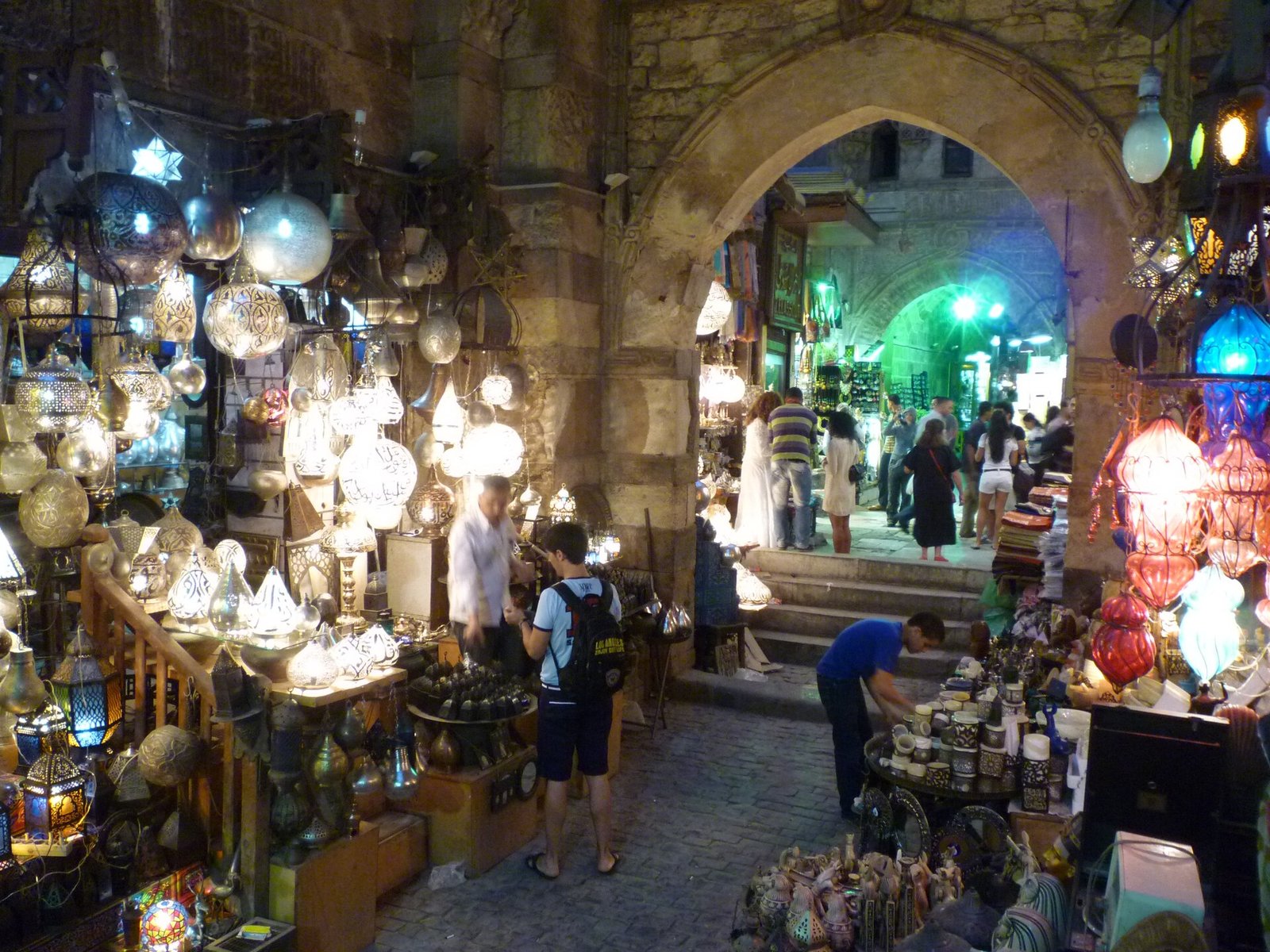
Women in the ahwa, and which cafes suit couples and families
The honest picture. The traditional street-corner ahwa in a working-class neighborhood is still mostly a male space, the way an old-school barbershop is. A foreign woman is served politely, but she may be the only woman in the room and she will be looked at. A companion, a guide or a group makes it a non-issue.
Everywhere else, Egypt has moved on. In the cafes of Khan el Khalili, along the Nile corniche, in Zamalek, Maadi and Heliopolis, and in every hotel terrace and modern coffeehouse, women sit, smoke shisha and meet friends without a second glance, and Egyptian women do the same. Dress as for the street: shoulders and knees covered in the old quarters, anything reasonable in the modern ones.
| Who you are | Where you will be happiest | What to expect |
|---|---|---|
| Couple | Bazaar cafes at sunset, Nile terraces, rooftops | Shared shisha, mint tea, the call to prayer |
| Family with children | Nile corniche cafes, hotel gardens, Al Azhar Park | Juice and sahlab for the kids, shade, shisha kept to one side |
| Solo woman | Khan el Khalili, Zamalek, hotel cafes | Warm service, occasional stares only in traditional spots |
| Group of friends | A neighborhood ahwa on match night | Tawla, dominoes, the most local evening of the trip |
For couples the cafe hour is one of the most romantic things on a trip, and it slots neatly into the evenings we describe in Egypt for couples.
The historic cafes of Cairo
Cairo has a category of cafe that is a monument in its own right: the historic ahwa of the old city, open for generations, with tarnished mirrors, brass lamps, carved wooden screens and walls that have heard every political argument of the last century. The most famous is El Fishawi in the heart of Khan el Khalili, pouring tea more or less without a break for over two hundred years. Its mirrored alley of tables is where Naguib Mahfouz, Egypt's Nobel laureate, sat and wrote.
Yes, it is touristy, and the sellers of wallets will work your table. Go anyway, in the late afternoon, order a shai bi na'na and give it forty minutes. Then walk two hundred yards in any direction. The lanes around Al Azhar mosque and Al Muizz street hold a dozen cafes of the same age and a fraction of the crowd, where the customers are bazaar shopkeepers and students. These are the ones your guide steers you to.
Downtown, around Talaat Harb street, the intellectual coffeehouses of the early twentieth century survive, with high ceilings, marble tables and waiters in white jackets. A walk through Islamic Cairo with a cafe at the end is the best way to see the whole category, because the cafe is the reward for the walking and the guide knows which door to push.
Nile-side terraces and rooftop cafes
The second kind of cafe evening is about the view. Along the Cairo corniche between Garden City and Zamalek, and on the Giza bank around Dokki, floating cafes and casual terraces sit right on the water, with shisha, tea, fresh juice and the lights of the bridges as feluccas drift past. Most are relaxed, family-friendly and open late, and they are where Cairenes take their own visitors.
Rooftops are the newer trend. A handful of restored houses near Al Azhar have terraces looking across the minarets, the best place in the city for a mint tea at sunset while the call to prayer ripples from mosque to mosque. Bring a layer; a winter evening at 60 F (16 C) on a terrace feels colder than it sounds. If you want the river itself, pair the cafe with a felucca ride on the Nile: an hour under sail at sunset, then tea on the bank as the lights come on.
Cafes in Luxor and Aswan
Upper Egypt does cafe life at a slower pace, with stronger Saiidi tea and the Nile right there. In Luxor the corniche cafes between the temple and the ferry landing look across to the Theban hills, which turn pink and then gray as the sun drops behind the Valley of the Kings. The souk behind the temple has small ahwas where shopkeepers sit after closing.
Aswan is the karkade capital. The hibiscus grows here, the market sells it dried in sacks, and every cafe serves it hot or iced in tall glasses. The Nubian villages across the water have cafes with painted walls, low benches and a rhythm slower than anywhere in Cairo, and a glass of tea in a Nubian courtyard is the moment most people remember from Aswan.
On a Nile cruise the sun deck serves tea and often shisha, but the corniche cafes at each stop are worth the walk, especially in Esna and Edfu where almost no tourists linger.
Etiquette, tipping and a few things not to do
- Greet the room. A "salam alaikum" to the waiter and a nod to the nearest table as you sit is normal.
- Accept the tea. If a neighbor sends over a glass, drink it and thank him. It obliges you to nothing.
- Ask before photographing people. The interior is fair game; the customers are not.
- Do not order alcohol. The ahwa does not serve it and asking makes everyone uncomfortable.
Tipping is expected and small. Round the bill up for the waiter, and leave a little extra for the boy who tended your coals, handed directly to him. The habits for a whole trip are in our guide to tipping in Egypt. Pay in cash when you leave; the tab is the one thing an ahwa never gets wrong.
During Ramadan the cafes close by day and explode into life after sunset, with the whole street drinking tea until the small hours. In the fasting month the evening ahwa is the highlight, not a compromise.
How Explora Egipto slots a cafe stop into the day
We never put "cafe" on an itinerary as a line item, because the ahwa is not an attraction. We build the day so that it lands there naturally. The Cairo pattern:
- Morning: the Pyramids and the Sphinx, then lunch.
- Afternoon: a guided walk up Al Muizz street, timed so you reach Khan el Khalili as the light softens.
- Late afternoon: tea at El Fishawi, then a quieter cafe the guide chooses that day, with a shisha for anyone who wants one and tawla for anyone who dares.
- Evening: the driver collects you at the bazaar gate for dinner, a felucca or the hotel.
In Luxor the cafe goes on the corniche after the west bank tombs, when you are dusty and the hills are turning color. In Aswan it is a glass of karkade in the Nubian village after Philae. On match night in Cairo we swap the plan for a neighborhood ahwa with the guide.
Your guide orders in Arabic, sorts out the sugar level, asks for sealed mouthpieces and handles the tab and the tips so you can just sit. Tell us how many days you have and who is traveling, and we send you the quote. See how these days usually run on our Cairo excursions page.
Frequently asked questions
What is an ahwa in Egypt?
An ahwa is the traditional Egyptian neighborhood cafe, and the word also means coffee. It is a small room with chairs spilling onto the sidewalk where locals drink strong sweet tea and Turkish coffee, smoke shisha, play backgammon and dominoes and watch soccer for hours. There is no menu and no pressure to order more than one glass.
How do I order tea and coffee in an Egyptian cafe?
Say "shai" for the default strong sweet black tea, "shai bi na'na" for mint, "sukkar khafif" for light sugar or "min gheir sukkar" for none. For Turkish coffee the sugar is brewed in, so order it as "sada" for no sugar, "mazbut" for medium or "ziyada" for very sweet. Pay the waiter when you leave.
Can women go to cafes and smoke shisha in Egypt?
Yes. In the bazaar cafes of Khan el Khalili, the Nile corniche terraces, hotel cafes and the modern neighborhoods of Cairo, women sit and smoke shisha as a matter of course. Very traditional street-corner cafes remain mostly male, and a woman there may draw stares; a companion or a guide makes any cafe comfortable.
Which cafe should I visit in Cairo?
Start with El Fishawi in Khan el Khalili, the mirrored cafe open for over two centuries and the most famous in Egypt, ideally in the late afternoon. Then let your guide take you to a quieter old cafe around Al Azhar, where the crowd is local. For a view instead of history, choose a floating cafe on the Nile corniche at sunset.
Is shisha in Egypt safe and hygienic?
Hygiene is fine in any reputable cafe: you get a sealed disposable mouthpiece and the water in the base is changed between customers. The health side is different: an hour on a shisha means far more smoke than a cigarette, so treat it as a one-off cultural experience, or order tea and enjoy the same evening.
Is it safe to drink tea and coffee in Egyptian cafes?
Yes. Tea, Turkish coffee, karkade and sahlab are made with boiled water and served hot, which makes the ahwa one of the safest places in Egypt to drink something that did not come from a sealed bottle. The thing to watch is ice at basic street stalls; in tourist-area cafes and hotels it is filtered.
Sit down, order a shai, and let Egypt come to you
Tell us your dates, who is traveling and whether you want the historic cafes, the Nile terraces or a neighborhood ahwa on match night, and we build the days so the tea hour lands in the right place, with a guide who orders for you. We send you the quote by WhatsApp.