
The Red Sea runs down Egypt's entire eastern edge, between Africa and the Arabian Peninsula. For travelers it breaks into three coasts: Hurghada and its bays, Sharm el Sheikh and Dahab in the Sinai, and quiet Marsa Alam in the south. Warm water all year, coral a few steps from the shore, and a four-hour drive from Luxor to finish a Nile trip on the beach.
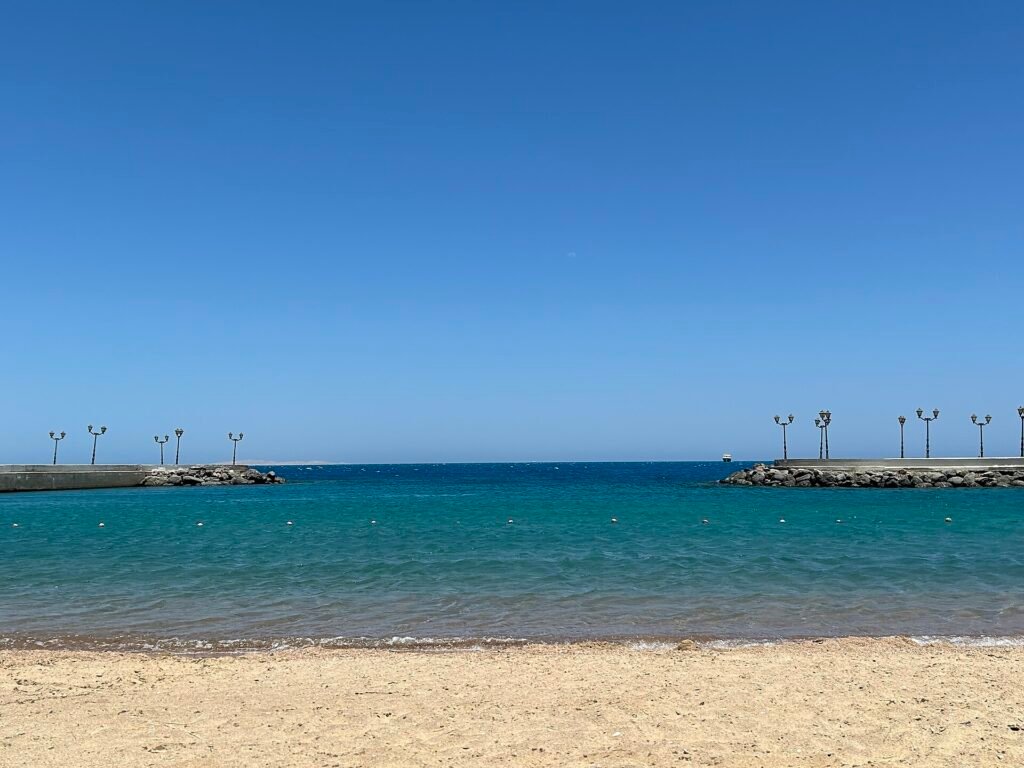
Most Americans plan Egypt around the pyramids, Luxor and a Nile cruise, and only notice the Red Sea when they see it on the map next to the valley. That is usually the moment the itinerary changes. A few days on the coast turn an intense sightseeing trip into a real vacation, and for divers and snorkelers the reefs are reason enough to fly across the Atlantic.
This page is the map we use when we build those trips: where the sea actually is, how the coasts differ, what you do on each, when the water is best, and how to connect the beach with Cairo and the Nile without losing a day to transfers. Every section links to our detailed guide for that place, written by the same team that meets you in Egypt.
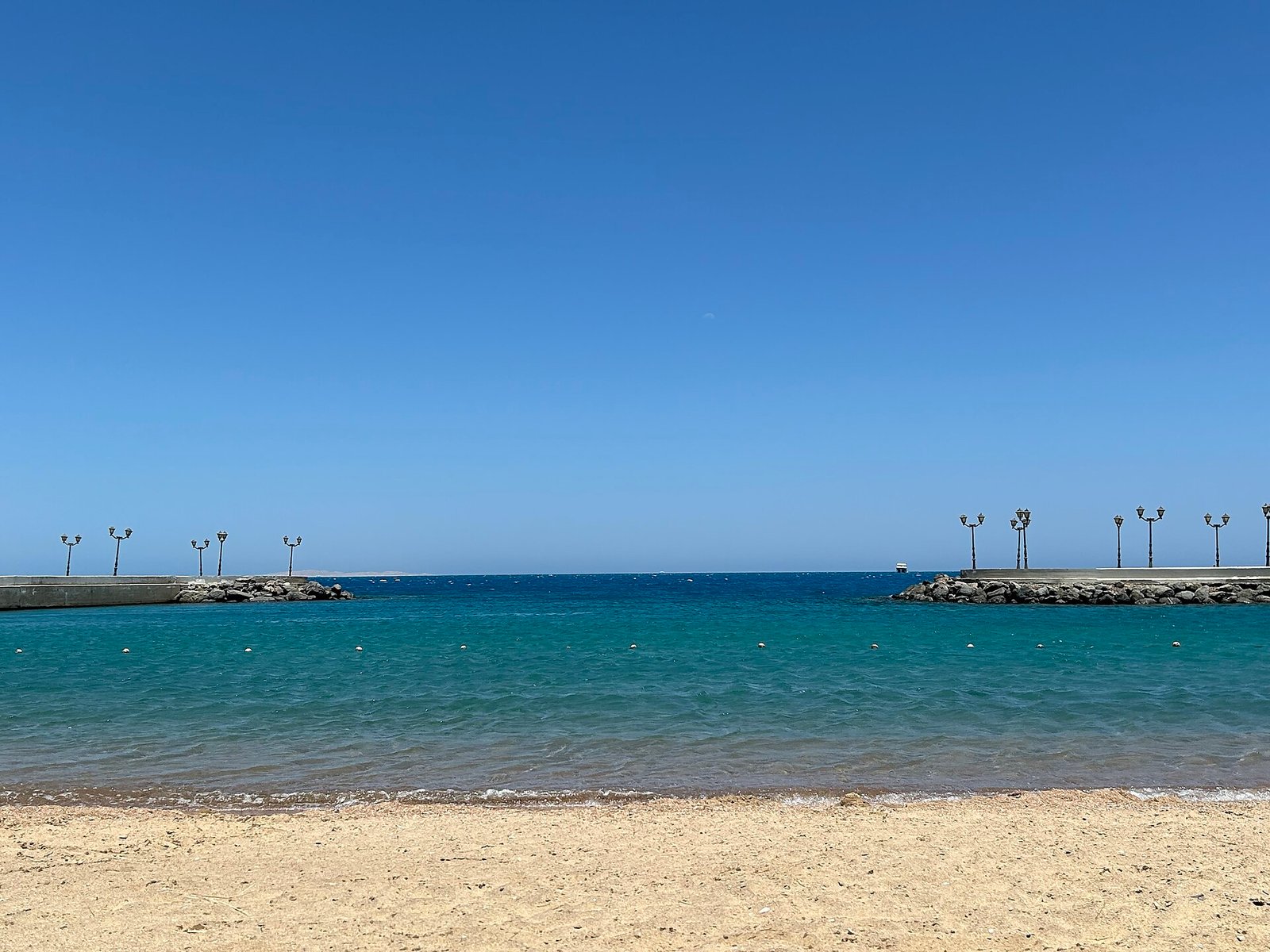
The Red Sea is an arm of the Indian Ocean wedged between northeast Africa and the Arabian Peninsula, well over a thousand miles from end to end. At its southern tip it opens to the ocean through the Bab el Mandeb strait, and in the north the Suez Canal links it to the Mediterranean. It is one of the warmest and saltiest seas on the planet, which is exactly why its coral reefs are so rich.
Egypt holds the whole western shore, from Suez down to the Sudanese border. In the north the sea splits into two gulfs that wrap around the Sinai Peninsula: the Gulf of Suez to the west and the Gulf of Aqaba to the east. So in practice Egypt has two Red Sea coasts, the mainland one with Hurghada and Marsa Alam, and the Sinai one with Sharm el Sheikh and Dahab. Our Sinai Peninsula guide explains that second coast in detail.
Nobody agrees on where the name comes from. The most common explanation is a microscopic alga that sometimes blooms and gives the surface a reddish tint; others point to the red mountains along the shore at sunset. Either way, the water you will swim in is deep blue offshore and bright turquoise over the reef.
Hurghada and its bays. The easiest base: an international airport, the biggest town on the coast, and a string of resort bays to the south such as Makadi, Soma Bay and Sahl Hasheesh. Just north sits El Gouna, a lagoon town built around canals and a marina. Boats leave Hurghada every morning for the Giftun islands and Orange Bay, and Luxor is about four hours away by road. Everything worth doing is in what to see in Hurghada.
Sharm el Sheikh. At the southern tip of the Sinai, next to Ras Mohammed National Park and the Straits of Tiran, two of the finest reef areas anywhere. Many hotels have a house reef you can snorkel straight from the beach, and it is the base for the night climb up Mount Sinai and a visit to Saint Catherine's Monastery. Full guide: Sharm el Sheikh.
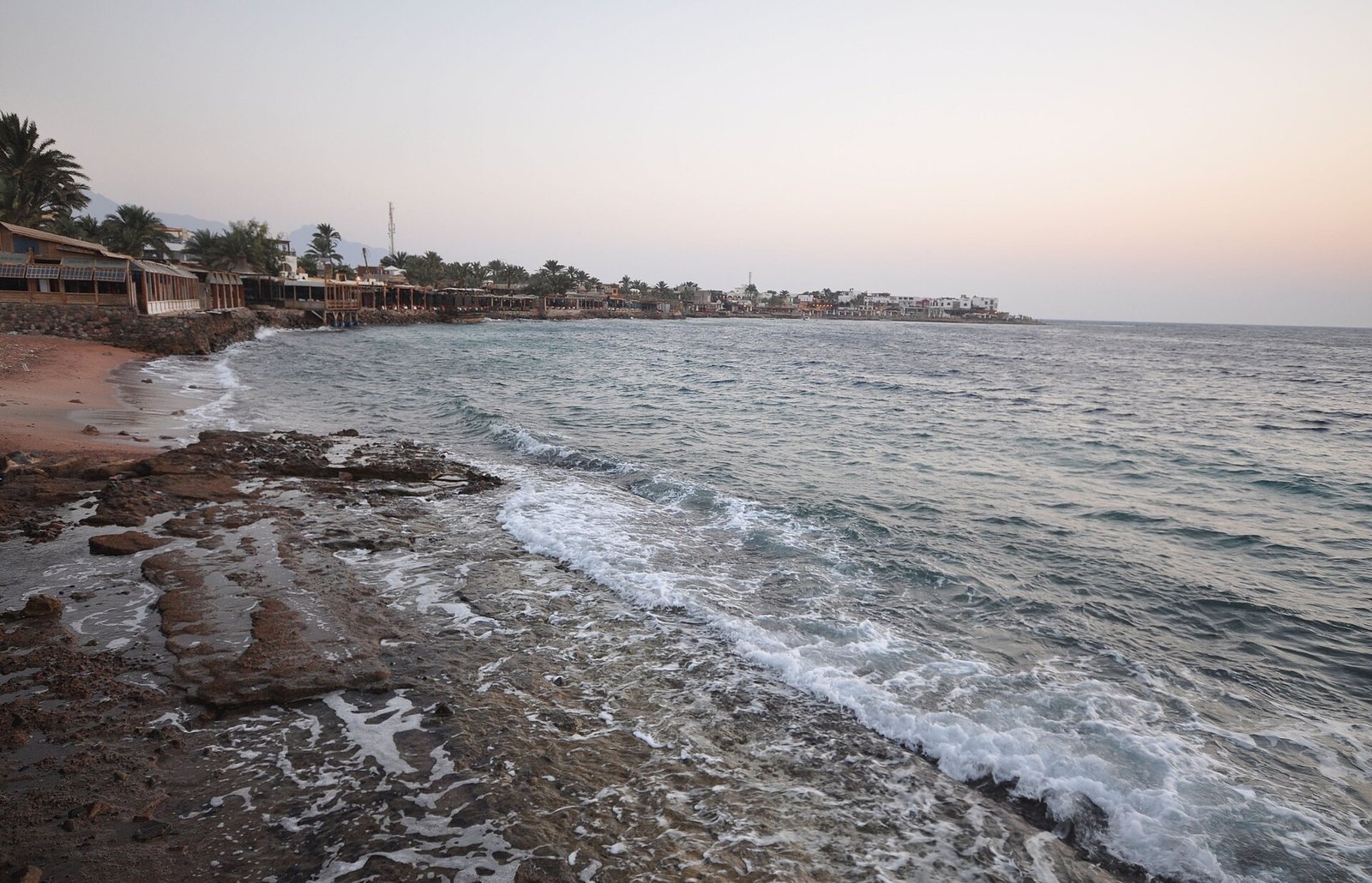
Dahab. An hour up the coast from Sharm, a former fishing village that became a laid-back base for divers and independent travelers, with waterfront cafes and reefs you simply walk into. It suits people who want atmosphere rather than a resort: Dahab.
Marsa Alam and the deep south. About three hours south of Hurghada, with its own airport, the coast becomes wilder and far less built up. This is sea turtle country, with quieter reefs and a slower pace: Marsa Alam.
The pattern that works best is ending on the beach. After Cairo and a Nile cruise between Aswan and Luxor, the road from Luxor to Hurghada takes about four hours, so you reach the coast the same afternoon. Three or four nights by the sea turn a full sightseeing itinerary into a complete vacation, and you fly home from Hurghada or back through Cairo.
Our 12-day grand Egypt tour is built exactly that way: Cairo, the Nile with Abu Simbel, Luxor and three nights in Hurghada at the end. If you would rather start with the sea, the Nile cruise from Hurghada flips the order, and the Egypt and Red Sea itinerary lays out the most common versions day by day. For a beach stay with everything covered, see Hurghada all inclusive.
Sharm el Sheikh works differently: it sits in the Sinai, far from the Nile Valley, so it pairs with a domestic flight from Cairo or Luxor. If you are torn between the two coasts, our side by side comparison is in Hurghada or Sharm el Sheikh.
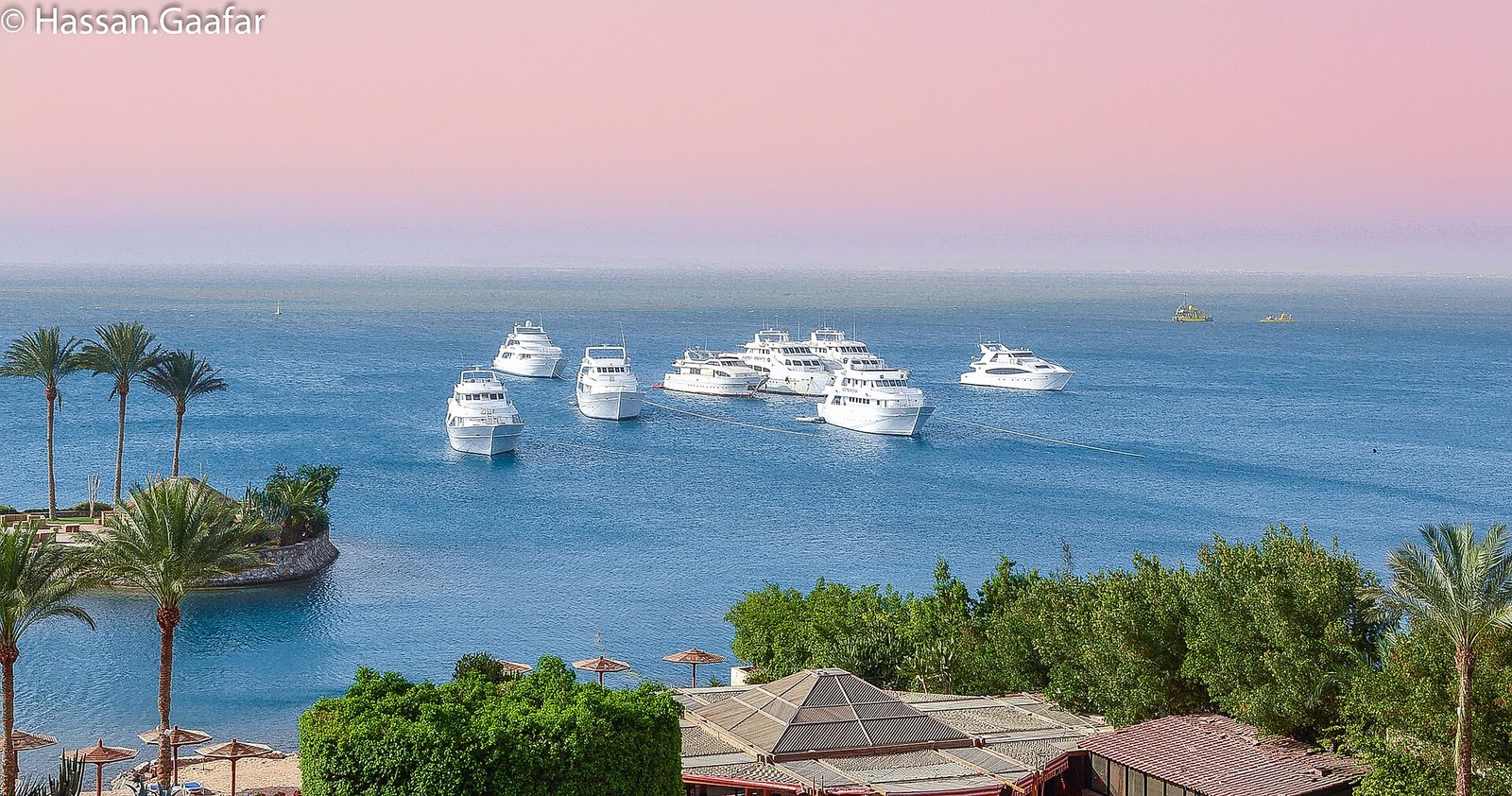
The Red Sea is a year-round destination, but each season feels different. From December to February the days are sunny and mild, the water sits around 70 to 72 °F and a steady north wind blows, so a thin wetsuit or a sheltered bay helps. Spring and fall, roughly March to May and October to November, are the sweet spot: warm air without the extreme heat and water that is just right, ideal if you are combining the beach with the Nile.
In summer the water climbs past 82 °F and swimming feels like a bath, but on land it is hot, especially down in Marsa Alam. It suits travelers who come mainly for the beach and the reef, less so anyone planning long midday visits to Luxor's temples. Our best time to visit Egypt guide covers the valley and the coast month by month.
The simple rule we use when we plan:
Coral is a living animal that takes decades to grow, so the golden rule is never to touch it or stand on it. Pack reef shoes for rocky entries, use a reef-safe sunscreen and put it on well before you get in the water. On boats, listen to the crew about currents and entry points: on the outer reefs the current can be strong even when the surface looks calm.
Drink bottled water, respect the midday sun even in winter, and book boat trips with reputable operators that carry life jackets and well kept gear. The Red Sea resort areas are among the most visited places in Egypt; as for any destination, check your own government's current travel advice before you go.
Between northeast Africa and the Arabian Peninsula. It opens to the Indian Ocean through the Bab el Mandeb strait in the south and connects to the Mediterranean through the Suez Canal in the north. Egypt holds the whole western shore plus the coasts of the Gulfs of Suez and Aqaba around the Sinai.
It depends on the trip. Hurghada and its bays are the most practical to combine with Luxor and a Nile cruise; Sharm el Sheikh has the best reefs and the Mount Sinai climb; Marsa Alam is the quietest and most natural, and Dahab has the most character.
Yes, and it is the combination our guests ask for most. The drive from Luxor to Hurghada takes about four hours, so you finish the cruise and the Luxor sights, then spend three or four nights on the beach before flying home, with no extra domestic flight.
From July to October, when the water passes 82 °F. In winter it drops to about 70 to 72 °F, cool but pleasant around midday. Spring and fall give the best balance between warm water and comfortable temperatures on land.
Yes. If you can swim, a mask, snorkel and fins are all you need. In Sharm el Sheikh, Dahab and Marsa Alam there are reefs a few feet from shore, and boat trips from Hurghada stop at shallow sites with a guide and life jackets for anyone who wants one.
There is no single answer. The most quoted theory points to a microscopic alga that occasionally tints the surface red; others credit the red mountains along the shore or an ancient habit of naming directions after colors. The water itself is blue and turquoise.
Tell us how many days you have and whether the sea is the heart of the trip or the reward at the end, and we will suggest the coast, the hotel and the order that fit best with the Nile. A real person from the team that meets you in Egypt replies, in English.
Plan your Egypt and Red Sea trip on WhatsApp
All our programs are listed in Egypt tour packages.
Keep exploring