Fishing in the Red Sea in Egypt is a full day of tuna, mahi mahi and grouper, if you go out on the right boat
Fishing in the Red Sea in Egypt is a full day of tuna, mahi mahi and grouper, if you go out on the right boat
Yes, you can go fishing in the Red Sea in Egypt, and it is one of the best sport fishing days you can add to a trip that is otherwise about temples and tombs. Licensed boats leave Hurghada, El Gouna, Safaga and Marsa Alam every morning to troll for yellowfin tuna, mahi mahi, kingfish and barracuda, or to drop baits on the ledges for grouper and snapper. The rules matter: no fishing inside the marine parks or over protected reefs, no spearfishing anywhere, and protected species go back in the water. Rods and lures come with the boat, the crew cooks part of the catch for lunch, and the people who do not fish snorkel off the stern. Here is how it works, plus the freshwater alternative on Lake Nasser.
What is allowed and what is not
The Egyptian Red Sea is one of the most regulated coasts in the region, and the rules are enforced by marine park rangers and the port authority. Know the outline before you book, because a boat that ignores them is a boat you do not want to be on.
- No fishing inside the marine protected areas. Ras Mohammed at the tip of Sinai, the Giftun Islands off Hurghada, Wadi El Gemal south of Marsa Alam and the offshore reefs with protected status are closed to fishing. Licensed boats run to authorized grounds outside them.
- No fishing over dive reefs. If a captain offers to troll across a named dive site, change boats. Everyone in the harbor knows which reefs are off limits.
- No spearfishing. Spearguns are prohibited in the Egyptian Red Sea, full stop. Do not pack one and do not accept an offer to use one.
- Protected species go back. Sharks, rays, turtles, Napoleon wrasse, dugong and the large reef groupers in their spawning season are not landed. Anything undersized goes back too.
- Catch limits in practice. There is no printed bag limit card for tourists, but licensed boats keep what the group will eat and release the rest.
- Licensed boats only. Every boat carries port authority paperwork, a fishing permit for the trip and a passenger list filed before departure.
The protected area map has grown over the years, so treat this as the shape of things rather than the legal text. A licensed crew works from the current version, which is the main reason to be on one.
The species you will actually see, and when
The Red Sea is not a one-fish fishery. Over a full day of trolling and bottom fishing a mixed bag is normal, and the season shifts what dominates. Water temperature stays between roughly 72 F (22 C) in winter and 84 F (29 C) in late summer, so nothing shuts down completely, but the pelagics move with the bait.
| Species | How you catch it | Best months | What to expect |
|---|---|---|---|
| Yellowfin and dogtooth tuna | Trolling over deep drop-offs, jigging for dogtooth | Late spring through fall | The hardest fight of the day. |
| Mahi mahi (dorado) | Trolling near debris and current lines | Spring and fall | Fast, acrobatic, and the best eating fish on board. |
| Kingfish and wahoo | Trolling at higher speed | Year round, strongest in cooler months | Long runs, sharp teeth, wire leaders. |
| Barracuda | Trolling and casting along reef edges | Year round | The most reliable fish in the sea. Big ones are released. |
| Grouper | Bottom fishing on ledges and wrecks | Year round, with spawning closures for large reef groupers | Steady action for beginners, excellent eating at legal size. |
| Snapper, emperor, trevally | Bottom fishing and jigging | Year round | The fish that keep kids busy while the adults wait for a tuna strike. |
The best combination of calm water and active fish is April to June and September to November. High summer fishes well but the deck is hot, often above 100 F (38 C) by midday, so boats leave at dawn. Winter has the bite but also the north wind, and rough days get called off, which is why we never put the fishing day last in the itinerary.
Most full days troll out to the grounds in the morning, anchor over a ledge for bottom fishing and lunch, then troll home. Trolling is the big-fish lottery with quiet stretches; bottom fishing is constant small action and the right choice for first-timers.
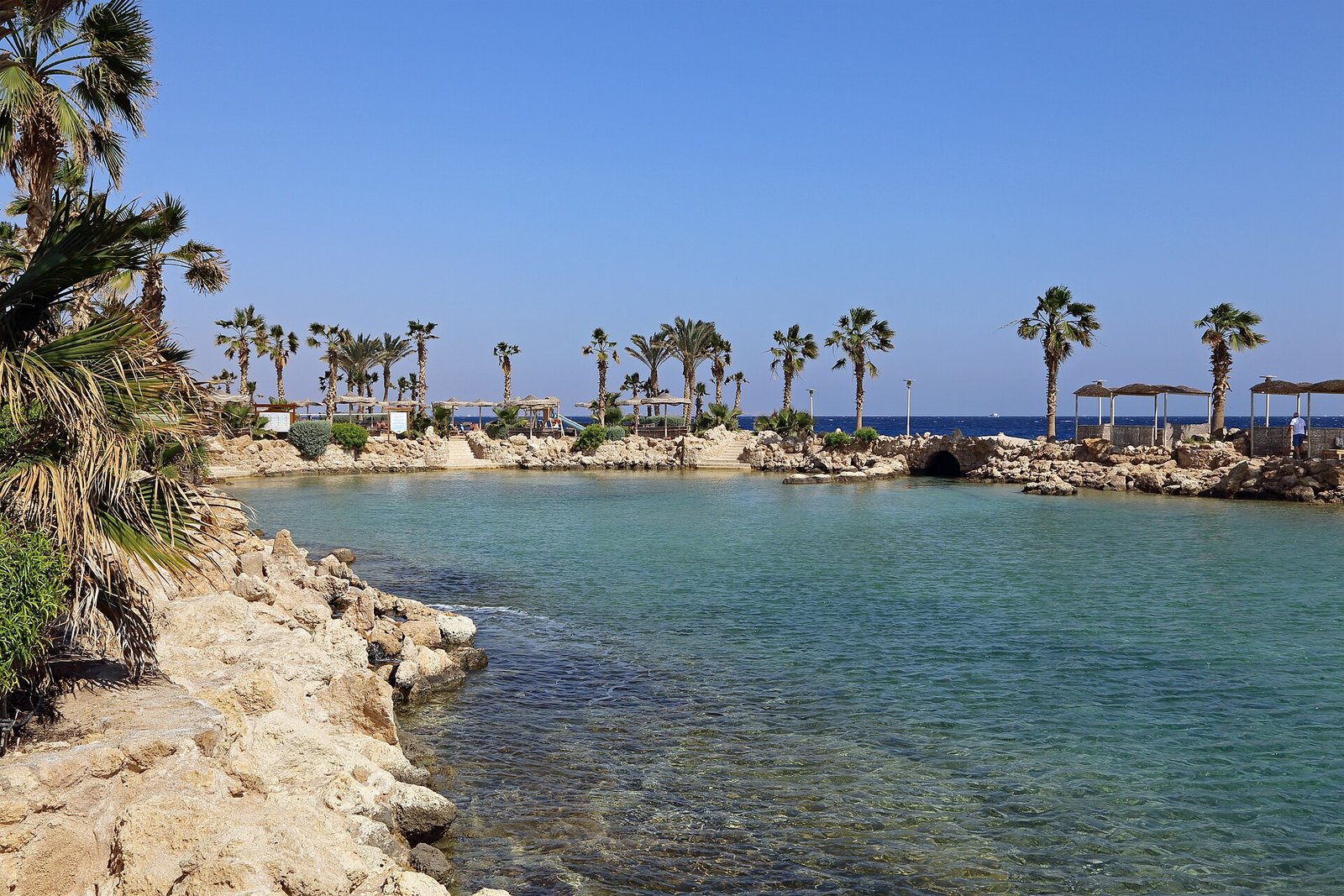
Where the boats leave from: Hurghada or Marsa Alam
The two main departure points differ in how far the good grounds are, how many boats compete for them and what else there is to do on the other days.
| Hurghada | Marsa Alam | |
|---|---|---|
| Boats and choice | The biggest fleet on the coast. More choice, more variation in quality. | Fewer boats, mostly long-standing operators. Less choice, more consistent. |
| Distance to the grounds | The productive water is a longer run out, so full days are long. | Deep water close to the marinas. Less running, more fishing. |
| Fishing pressure | Higher. Barracuda and bottom fish are reliable, big pelagics need the run. | Lower. This is where the larger tuna and the occasional sailfish come from. |
| Getting there | Domestic flights from Cairo and most of the coast hotels. | Its own airport too, but a longer transfer from the Nile and fewer hotels. |
| Non-fishing days | Islands, Old Town, easy day trips. | Quiet beaches, turtles, dugong bays, top-tier snorkeling. |
Two more options exist. El Gouna, just north of Hurghada, has the tidiest marina and the best maintained boats on the coast. Safaga and El Quseir run smaller, more personal trips where you deal with the skipper directly.
If you are basing yourself in the north, our guide to what to see in Hurghada fills the other days. If you are drawn south, Marsa Alam is the quieter, wilder end of the coast and the better bet for a serious angler.
Half day or full day
The most common question, and the answer depends on who is on the boat more than on the fish.
| Half day (morning, about four hours) | Full day (seven to nine hours) | |
|---|---|---|
| Where you fish | Close grounds and inshore ledges, mostly bottom fishing. | The outer drop-offs, trolling out and back plus an anchored session. |
| What you catch | Grouper, snapper, emperor, small trevally, barracuda. | All of that plus a real chance of tuna and mahi mahi. |
| Who it suits | Families with young kids, first-timers, anyone unsure about seasickness, hot summer days. | Anglers, mixed groups who want the lunch stop and the snorkel. |
| Food | Water and fruit, sometimes a light snack. | Lunch cooked on board, ideally from the catch. |
| Back at the hotel | Early afternoon, with the rest of the day free. | Late afternoon, sunburned and tired in the good way. |
Our honest steer: first time and any doubt, take the half day. Here for the tuna, take the full day, because the pelagic grounds take time to reach.
Gear supplied by the boat versus bringing your own
Every licensed charter carries rods, reels, lures, bait, wire leaders and a crew that rigs everything for you. You can arrive with nothing but sunscreen and fish all day. The supplied tackle is robust rather than refined, and perfectly adequate for the fish you will meet.
Serious anglers often want their own kit, and there is nothing stopping you. A four-piece travel rod, your own spinning reel and a small box of jigs and poppers pack easily and make a jigging day far more enjoyable.
Three things to confirm when booking, and we do this for you:
- Whether the gear is included or rented separately, and whether losing a lure to a barracuda is charged. On the boats we use it is included and nobody counts lures.
- Whether the skipper or the mate speaks English well enough to explain what is happening. On a trolling day the crew calls the shots.
- Whether the boat has shade, a toilet and enough life jackets for the group.
Seasickness, sun and what to bring
More Red Sea fishing days are ruined by seasickness than by a lack of fish. The boats are not large, the swell builds in the afternoon, and slow trolling is the exact motion that gets people. Three things genuinely help:
- Take the motion sickness tablet the night before and again in the morning, not once you already feel bad.
- Eat a light breakfast. An empty stomach is worse than toast and tea.
- Stay on deck, look at the horizon, and do not read or scroll your phone. Going below to lie down is the fastest way to stay ill.
If someone in the group is a known sufferer, book the half day in the morning when the sea is flattest.
Sun is the other hazard; the water reflects it back at you all day. Pack a hat with a strap, polarized sunglasses, high factor sunscreen reapplied at lunch, a thin long-sleeved shirt, and shoes with a grip sole rather than flip-flops. In winter add a windbreaker; the run home into a north wind is cold. Bring water, a dry bag for the phone, and cash for the crew tip.
Combining the fishing with snorkeling, and what the non-anglers do
It is rare that a whole group wants to fish. On most of our bookings two or three people are anglers and the rest are along for the boat. Arrange it in advance rather than on the morning.
The usual shape is a trolling run out, then a lunch anchorage near a good reef where the boat can hold position without touching coral. The anglers bottom fish off one side, the others snorkel off the swim ladder, and everyone eats together. The skipper needs to know this when he picks the grounds, because a good fishing ledge and a good snorkel reef are rarely the same place.
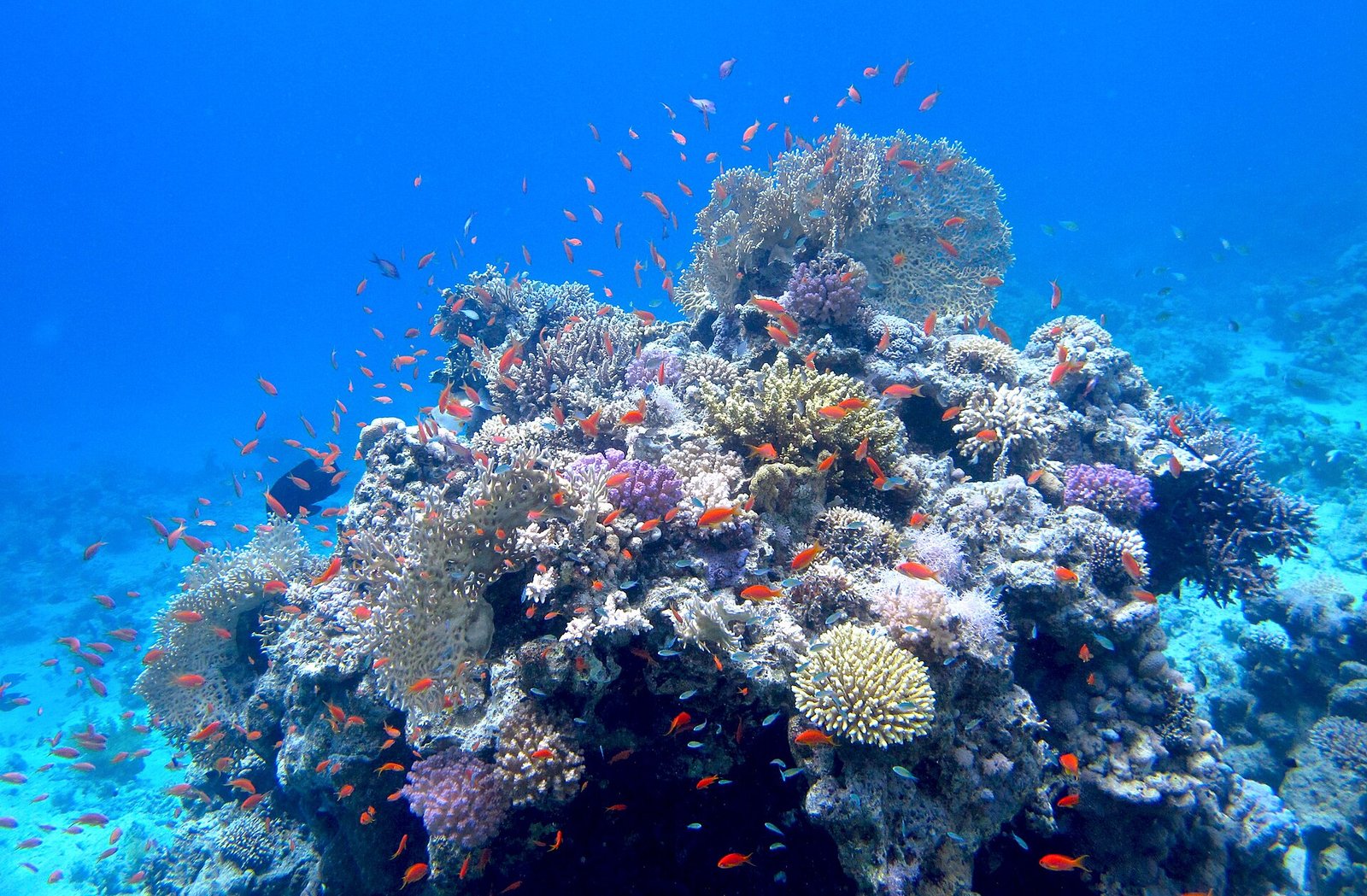
The Hurghada reefs are among the easiest in the world for a first snorkel, warm and shallow with fish that come to you; our guide to snorkeling in Hurghada explains what you will see. If someone in the group is a certified diver, that is a separate day on a dive boat, covered in our page on diving in the Red Sea, and it should not be the same day as the fishing.
Masks and snorkels are on board but shared; bring your own if you care about fit.
The catch-and-cook tradition on board
For many people this is the memory that outlasts the fishing. The boats carry a small galley and the crew cook lunch on board as a matter of course; when there is fish in the box, that fish becomes lunch. A mahi mahi grilled over charcoal on the stern with lemon, cumin and garlic, served with rice, salad and flatbread, eaten with your feet in the water, beats any restaurant on the coast.
Tuna is handled differently: the mate slices the belly thin and serves it raw with lime within minutes of landing it, then grills the rest. Grouper and snapper are fried or baked.
- Say at booking that you want to eat the catch. The crew then brings the extras and plans the anchorage around lunch.
- Nothing undersized or protected is kept for the pan. If the morning is slow, the boat has chicken or a backup fish from the market so nobody goes hungry.
- The rest is released. Ask if you want a fillet taken back to the hotel; most kitchens will cook it that evening.
The freshwater alternative: Nile perch on Lake Nasser
If big fish are the point of your trip, the Red Sea is not the only option. Lake Nasser, the vast reservoir behind the Aswan High Dam, holds Nile perch that grow past 100 pounds, along with tigerfish and huge catfish. The lake is enormous, almost empty of people, and fringed by desert and half-submerged temples. Very few Egypt visitors know it exists.
It works as a multi-day trip out of Aswan. A mothership carries the camp, the food and the crew, and small skiffs take two anglers each along the rocky shorelines and drowned wadis where the perch ambush bait. You troll deep-diving plugs, cast big lures into the rocks, and camp on the shore under a sky with no light pollution. Big perch are released; smaller ones feed the camp.
The season runs roughly from early fall to early summer; midsummer is too hot on the water to be sensible. It combines naturally with the temples of Aswan and Abu Simbel, and if you want the comfortable version rather than the tents, a Lake Nasser cruise sails the same water past the same temples, with a day's fishing arranged from the ship. It is a different animal: fresh water, no seasickness, hotter, more remote, and aimed at people who fish seriously.
How Explora Egipto books a licensed boat
You can walk down the Hurghada marina and negotiate a boat yourself. The reasons our travelers hand it to us are the things you cannot see from the dock.
- We only use licensed boats. Port authority registration, the fishing permit for the day, insurance, and a passenger manifest filed before departure.
- We know which crews follow the rules. The ones who run to authorized grounds, release what should be released and do not troll across dive reefs.
- We match the boat to the group. Anglers, kids, snorkelers, a known seasick traveler, someone who wants to jig for dogtooth: each changes which boat and which day we book.
- We place it correctly in the itinerary. Never on the last day, so a windy morning can be moved. Usually the second or third coast day, after you have slept off the Nile.
- Hotel pickup and everything on board. The car collects you before dawn, the boat has the tackle, the water, the lunch and the English-speaking crew, and the car brings you back.
It sits inside a full tour or on its own if you are already on the coast; the other coast days are on our excursions from Hurghada page. Tell us the dates, the group and the port, and we send you the quote.
Frequently asked questions
Can tourists fish in the Red Sea in Egypt?
Yes. Licensed charter boats take visitors out daily from Hurghada, El Gouna, Safaga, El Quseir and Marsa Alam for trolling and bottom fishing. You do not need a personal license; the boat's permit covers the trip. What you cannot do is fish inside the marine parks, over dive reefs or with a speargun, and protected species must be released.
What fish can you catch in the Red Sea?
Trolling brings yellowfin tuna, mahi mahi, kingfish, barracuda, bonito and occasionally wahoo or sailfish. Bottom fishing over ledges and wrecks produces grouper, snapper, emperor and trevally, and jigging the reef walls targets dogtooth tuna and giant trevally. A full day usually ends with a mixed bag rather than one species, and the spring and fall months give the widest variety.
Do I need to bring my own fishing gear to Egypt?
No. Every licensed boat supplies rods, reels, lures, bait and terminal tackle, and the crew rigs it all. The supplied gear is sturdy trolling and bottom tackle rather than high-end equipment. If you fish seriously, a travel rod, your own reel and a box of jigs are worth packing for a jigging day, but a first-timer needs nothing but a hat and sunscreen.
Is spearfishing allowed in the Red Sea?
No. Spearfishing is banned in the Egyptian Red Sea and the ban is enforced. Do not bring a speargun, and be wary of any operator who offers one. The same protection covers the reefs themselves: no fishing of any kind inside the marine parks such as Ras Mohammed, the Giftun Islands and Wadi El Gemal, and no fishing over the reefs the dive centers use.
Which is better for fishing, Hurghada or Marsa Alam?
Hurghada has the largest fleet, the most hotels and easy domestic flights from Cairo, but the productive grounds are a longer run out and the pressure is higher. Marsa Alam has deep water closer to the marinas, fewer boats and the better chance of larger tuna. For a family or a first fishing day, Hurghada or El Gouna. For a serious angler, Marsa Alam.
What is the best time of year for fishing in the Red Sea?
April to June and September to November combine calm seas with active fish, which is the ideal pairing for anyone prone to seasickness. Summer fishes well but the deck gets very hot, so boats leave at dawn. Winter has the bite for kingfish and barracuda but also the north wind, and rough days get called off, so leave room in the itinerary to move the day.
Cast a line in one of the richest seas on earth
Tell us your dates, who is coming and whether you want the tuna day out of Marsa Alam, a family morning from Hurghada or a Nile perch safari on Lake Nasser, and we come back with the licensed boat, the crew and the rest of the trip built around it. No prices on this page, just the quote in your inbox.