
Egypt with teenagers works when every day has one big site and one thing to do
Egypt with teenagers works when every day has one big site and one thing to do
Egypt with teenagers works when you treat the trip as a list of things to do rather than things to look at. A 13 to 17 year old remembers crawling up the passage inside the Great Pyramid, standing a few feet from a real pharaoh at the NMEC, snorkeling over a Red Sea reef and racing a quad through the desert at sunset. They do not remember the third temple of the day. The rhythm that works is one big site each morning with a guide who talks to them, not over them, one physical activity each afternoon, and a free hour with wifi before dinner. Ten days split as Cairo 3, Nile cruise 4 and Red Sea 3 covers all of it without a single long bus day.
What actually makes a teenager enjoy Egypt
Egypt is an easy sell to a teenager as long as you build the days around participation. Every hook below is something they do with their body, their phone or their wallet, and every one fits a normal family itinerary.
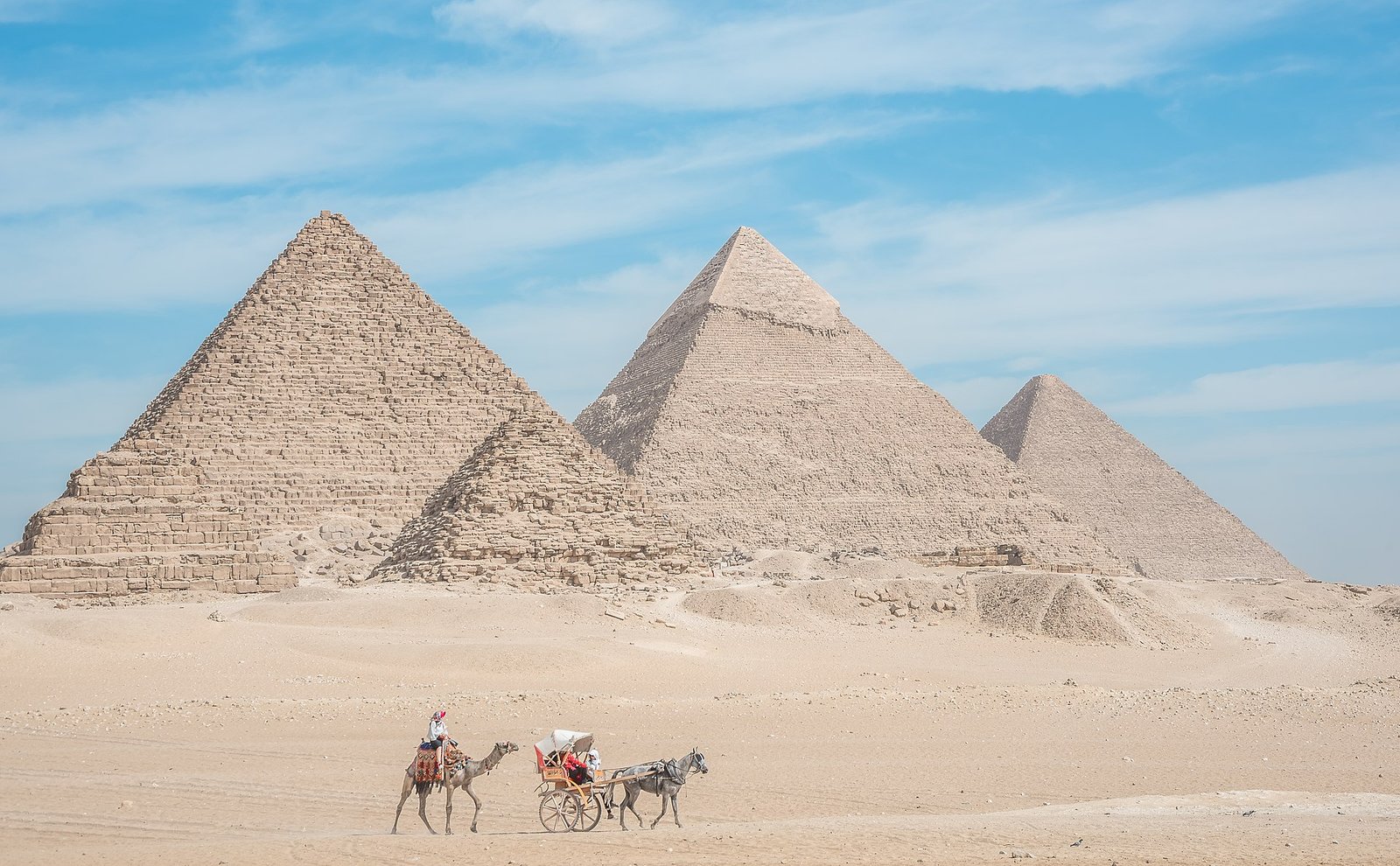
- Going inside a pyramid. The interior of the Great Pyramid, or the shorter walk into Khafre or Menkaure, is a steep, hot, low passage with a bare granite chamber at the end. Adults find it claustrophobic. Teenagers rate it the best thing at Giza, precisely because nobody is explaining anything.
- The tombs in the Valley of the Kings. Painted corridors going down into the rock, a real sarcophagus, and Tutankhamun's actual mummy still lying in his tomb. Three tombs is the right number. Add Ramses VI or Seti I on the extra ticket if your teen liked the first one.
- The royal mummies. The National Museum of Egyptian Civilization keeps the kings in a dim, quiet hall where you walk past Ramses II and Hatshepsut face to face. It is the museum stop most 14 year olds rank above everything else in Cairo.
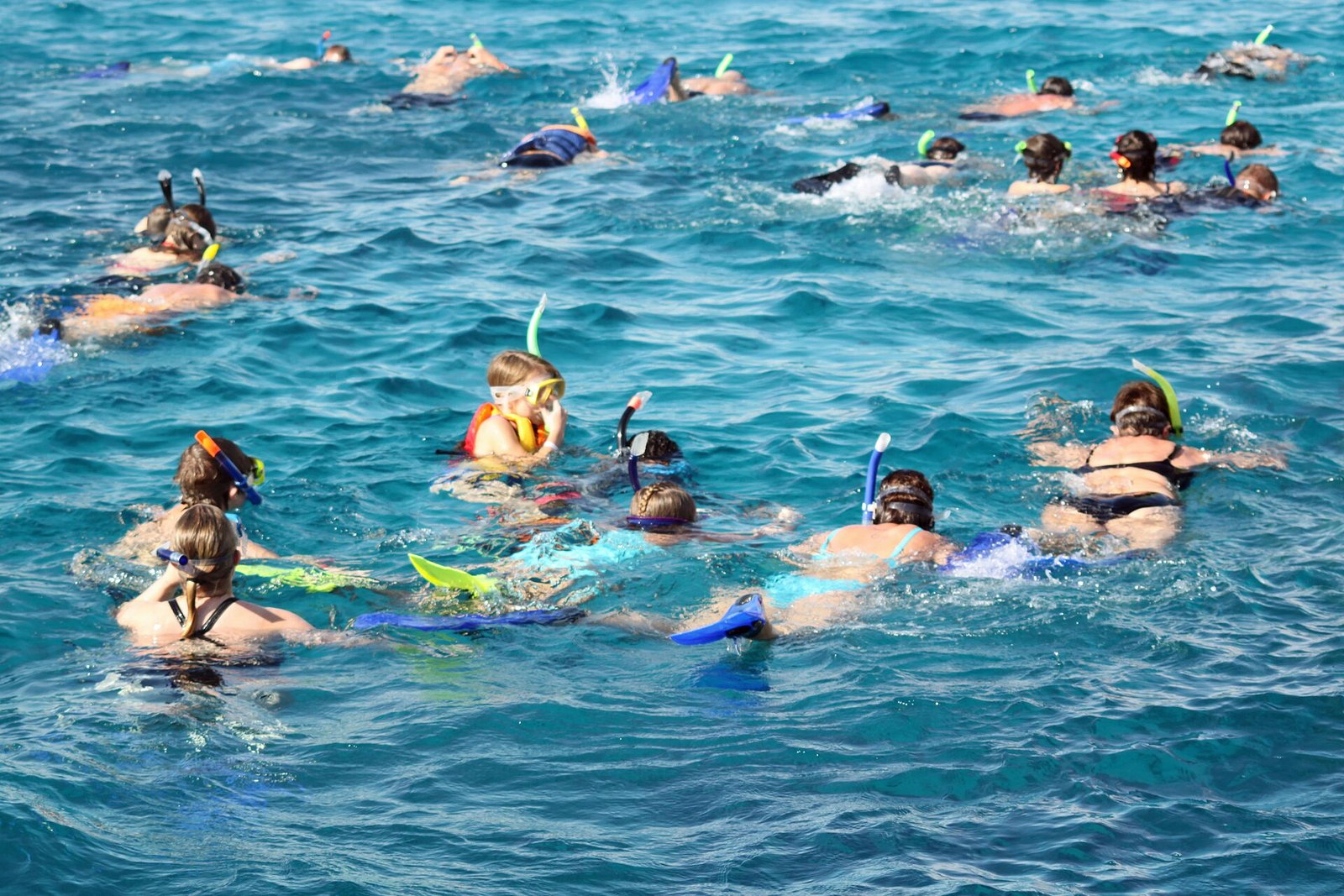
- Snorkeling and a discover-scuba dive. The reef off Hurghada starts in shallow water a short boat ride from shore, and most dive centers run an introductory dive for teenagers with an instructor holding their hand the whole time. Age rules vary by center, ask us.
- The quad and the sandboard. A sunset quad safari into the desert behind Hurghada, with a stop to sandboard down a dune, is the afternoon they talk about for the rest of the trip. Older teens can usually drive their own machine, younger ones ride behind a parent or the guide.
- The felucca. An hour under sail at Aswan, no motor, no commentary. They will not admit they liked it until later.
- The balloon. A hot air balloon over Luxor is a 4 am wake up even a 16 year old accepts, because the photo from the basket is the photo of the trip.
- A desert night. A Bedouin dinner in the desert behind Hurghada, with a bonfire and more stars than they have ever seen, gives the trip a story that is not about ruins.
- Haggling as a game. Give each teen a small budget in Khan el Khalili and a target for a lantern or a scarf, after reading our guide to haggling in Egypt together the night before. The sellers enjoy a confident teenager, and it turns shopping into sport.
- Street food with the guide. Koshari, ta'ameya sandwiches, sugar cane juice, feteer. With a guide who knows which stall is busy and clean, this is a highlight. Alone from a random cart, it can be a lost day.
What bores a teenager in Egypt, and how to dodge it
Every disappointed family we have hosted with teens made the same three mistakes.
Three temples in a row. Karnak in the morning, Luxor Temple at noon, Medinet Habu after lunch reads well on paper. To a 15 year old it is the same columns three times. One major site per day, chosen for a reason they can feel: Karnak because it is enormous, Abu Simbel because it was moved, Philae because you arrive by boat.
Long bus days. Luxor to Hurghada is roughly four hours of desert and checkpoints, and Cairo to Luxor by road is far worse. Fly Cairo to Aswan, let the cruise do the moving, and use the road once, Luxor to Hurghada, when everyone is happy to sleep.
Being lectured. Dynasties, dates and the full list of gods impress parents and lose a teenager in four minutes. The right guide asks the teen a question at the entrance, tells one dark story per site (the tomb robbers, the workmen's strike, the curse invented by a newspaper), and stops talking when they start photographing.
Two smaller killers: a 6 am wake up every day, and a formal dinner every night. Build in two lazy mornings and one pizza on the sundeck.
The pace that works: one site, one activity, one free hour
The daily template that has never failed us with a family of teens looks like this.
- Morning, one big site. Leave between 7 and 8, before the heat and the coaches. Two to three hours at a single site with the guide, then lunch in the shade.
- Afternoon, one activity. Something physical or fun: the pyramid interior, the felucca, a camel ride at Giza, the quad, the snorkel boat, a swim in the cruise pool. The guide rides along but the commentary stops.
- Late afternoon, a free hour with wifi. Back to the room by 4 or 5. Every teen needs an hour with a charger and a signal, and every parent needs the same hour on a balcony. Fight this and you lose the evening.
- Evening, something easy. A sound and light show once, a Nile dinner cruise once, a walk through Khan el Khalili once. The other nights, dinner and bed.
That is one guided block a day, not two. If the parents want more, split the family for an afternoon: adults see the second temple, teens stay by the pool with the driver on call.
A 10 day Egypt plan for a family with teens
The split we recommend to almost every family with kids between 13 and 17: three nights in Cairo, four on a Nile cruise, three on the Red Sea. One domestic flight, one boat, one road transfer, and a hook for the teen every day.
- Day 1, Cairo. Arrival, meet the driver, hotel with a pool near Giza. Nothing scheduled.
- Day 2, Giza. The plateau early, the Sphinx, inside the Great Pyramid, a camel at the panoramic point. Afternoon at the Grand Egyptian Museum for the Tutankhamun galleries, two hours maximum.
- Day 3, Cairo. The royal mummies at the NMEC, koshari with the guide, then Khan el Khalili for the haggling game and dinner in the old city.
- Day 4, fly to Aswan. Morning flight, board the ship. Afternoon felucca around Elephantine Island, evening in a Nubian village with dinner on a rooftop.
- Day 5, Abu Simbel. Early drive to the two temples that were sawn into blocks and moved up the cliff. The one long road day, and the story carries it. Back on board for the sail to Kom Ombo.
- Day 6, Kom Ombo and Edfu. Crocodile mummies at Kom Ombo, a short stop at Edfu, then a whole afternoon sailing: pool, sundeck, onboard games, a galabeya party depending on the ship. Read our guide to a Nile cruise with kids for what to check on the ship before booking.
- Day 7, Luxor west bank. Balloon at dawn for those who want it, then the Valley of the Kings and Hatshepsut's temple. Afternoon free on the ship.
- Day 8, Karnak and the road to Hurghada. Karnak early while it is cool, disembark, drive to the coast, straight into the water by mid afternoon.
- Day 9, Hurghada. Snorkel boat in the morning, with the discover-scuba dive for the teens while parents snorkel. Sunset quad safari, sandboarding and dinner in a Bedouin camp. Our list of excursions from Hurghada has the swaps.
- Day 10, Hurghada. Free beach day, then the flight back to Cairo.
With 12 days, add a second beach day and a Saqqara morning. With 8, cut the Red Sea to one night rather than the cruise, because the cruise is where the teens finally relax.
Cabins, rooms and who sleeps where
Nile cruise cabins are small, two lower beds and sometimes a fold-down third. A family of four with two teenagers needs two cabins side by side. With a 13 or 14 year old, most parents take one cabin with each child. With a 16 and a 17 year old, the teens share their own cabin and the parents get theirs back, which is the best thing you can do for the mood of the trip. A few ships have suites that sleep three comfortably. Ask us which has them for your dates.
In Cairo, ask for connecting rooms. In Hurghada the resorts are built for families: two-bedroom suites and villas on the beach. Check the wifi in the room everywhere, not the lobby, because the free hour with a signal is part of the contract.
Give the teens the balcony facing the Nile or the sea. They spend more time in the room than you do.

Screens, SIM cards and staying in touch
Do not fight the phone, feed it. A local SIM with a generous data plan, installed in the teen's phone by the guide on day one, turns the trip into content they want to share. Our note on SIM cards and mobile internet for travelers covers what to bring and where the stores are. eSIM works if you would rather set it up before you fly.
Coverage is good in the cities, on the coast and along most of the Nile, and drops between towns on the cruise and in the desert. Say so in advance and the dead hours become a feature. Ship wifi is slower than a SIM.
Two house rules that work: phones stay in pockets inside the tombs, and the family shares one photo album at the end of each day. The second sounds cheesy and is what they scroll through on the way home.
Safety, independence and what teenage girls wear
The tourist circuit is heavily policed and used to families. Teens can move around a hotel, a resort or the ship on their own, and older teens can walk the main lane of Khan el Khalili or the Luxor corniche in a pair while parents sit at a cafe within sight. What they should not do is take a street taxi alone, wander residential streets after dark, or follow a friendly stranger to a "family shop". The rules in our family guide to traveling in Egypt apply to teens too, with more freedom and the same few limits.
Our driver stays with the family for the whole trip, which is the practical answer to independence: a teen who wants an hour at a mall or a beach cafe goes with the driver, and the parents get their afternoon.
Dress for teenage girls follows the same lines as for any woman visiting Egypt: shoulders and knees covered at the sites and in the cities, shorts and swimwear fine at the resort, on the sundeck and on the boat. Loose cotton, a scarf in the bag for a mosque, sneakers for the tombs. See what to wear in Egypt as a woman for the packing list.
The guide is the whole trick
Everything on this page comes down to one person: the Egyptologist who spends the days with your family. A guide who is good with teenagers does four things differently.
- Speaks to the teen first at every site, not the parents, and remembers what they said they liked yesterday.
- Tells stories instead of listing dynasties. The tomb robbers of Deir el Medina, the pharaoh who was a girl, the general who became a king, the baboon mummies.
- Knows when to stop. Twenty minutes of talk, then silence and space to explore and photograph.
- Handles the practical side: the SIM card, the street food stall, the haggling, the vendors at Giza.
We match guides to families on purpose. Tell us the ages and what your kids are into (history, animals, diving, photography) and we choose accordingly. It is the most important decision in the trip.
Ages 13 to 14 versus 15 to 17: what hooks them and what to avoid
Two years make a difference at this age. A generalization, but it matches what we see on the road.
| Age band | What hooks them | What to avoid |
|---|---|---|
| 13 to 14 | Mummies, crocodile mummies, camels, the pyramid interior, the pool on the ship, the quad as a passenger, the haggling game, the sound and light show | More than 2 hours at any single site, museums with no clear target, late dinners past 9 pm, a discover-scuba dive if they are nervous swimmers |
| 15 to 17 | Snorkeling and the intro dive, driving their own quad, the balloon, the desert night, street food with the guide, a night walk in Islamic Cairo, their own cabin | Being treated as a child, a guide who only addresses the parents, zero free time, being told to put the phone away for a whole day |
For a mixed family, plan activities around the older one and pace around the younger one.
Mistakes families make with teens in Egypt
- Booking a group tour. A coach of forty adults with a fixed script is the fastest way to lose a teenager. A private car and guide saves the trip.
- Skipping the Red Sea to see more temples. The beach days are what the teens were promised and what makes the ruins tolerable.
- Doing Cairo last. Cairo is the most intense stop. Do it first while everyone is fresh, and finish on the sand.
- Booking the balloon for everyone. One tired 13 year old who did not want to get up at 4 am spoils the basket. Ask each one, and let the ones who say no sleep in.
- Coming in July or August. Midsummer heat on the west bank of Luxor flattens a teenager by 11 am. Spring break, Thanksgiving week and the winter holidays give cool mornings and a warm sea.
- No cash for the game. Haggling with a card does not work. Bring small bills so each teen can run their own negotiation.
- Treating the free hour as optional. It is the price of the morning. Pay it every day.
Frequently asked questions
Is Egypt a good destination for a family with teenagers?
Yes, and often better than with younger children. Teens can handle the early starts, the heat with a hat and water, the pyramid interior and the intro dive, and they get the point of the tombs and the mummies. The trick is pacing: one guided site in the morning, one physical activity in the afternoon, a free hour with wifi, and a Red Sea finish.
How many days do we need in Egypt with teens?
Ten is the sweet spot: three nights in Cairo, four on a Nile cruise between Aswan and Luxor, three on the Red Sea. Eight days works if you shorten the coast to one night rather than cutting the cruise. Twelve lets you add Saqqara and a second beach day. Under seven means choosing between the Nile and the sea, and with teens we keep the sea.
Can a teenager go inside the Great Pyramid?
Yes. The interior is a narrow, steep passage that leads to the King's Chamber, and it is hot and low in places. There is no age limit, only a separate ticket bought at the plateau. Anyone with claustrophobia or a bad knee should skip it. Most teenagers rate it the best part of Giza because it is an adventure, not a lecture.
Can teens do a discover-scuba dive in Hurghada?
Most dive centers on the Red Sea run an introductory dive for teenagers with an instructor holding them the whole time, in shallow water over the reef. The minimum age and the medical form depend on the center, and some ask for a parent in the water or on the boat. Tell us the ages and we confirm the rule with the center we use. Snorkeling from the same boat is open to everyone.
What should a teenage girl wear in Egypt?
The same guideline as any woman visiting: shoulders and knees covered at the temples, tombs, mosques and in the cities, with loose cotton and a light scarf in the bag. At the resort, on the cruise sundeck and on the snorkel boat, shorts and swimwear are normal. Sneakers for the tombs, sandals for the boat. Most girls resist once and are glad of it after the first day in the sun.
Is it safe to let teenagers explore on their own in Egypt?
Inside a hotel, a resort or the cruise ship, yes. In the main lane of Khan el Khalili or on the Luxor corniche, older teens can walk in a pair while you sit within sight. What we do not recommend is a street taxi alone or an evening walk in a residential area. Our driver stays with your family for the whole trip, so a teen who wants an hour somewhere goes with him, not alone.
Tell us the ages and we build the trip around them
Send us the ages of your kids, your dates and what they are into, from diving to history to photos for their feed. We come back with a private 10 day plan, a ship with the right cabins, a guide chosen for teenagers, and one clear quote.