
Is Egypt worth visiting in summer? Yes for the Red Sea and for early risers, no if you want temples at noon
Is Egypt worth visiting in summer? Yes for the Red Sea and for early risers, no if you want temples at noon
Egypt is worth visiting in summer if you accept one rule: the day is built around the sun, not around the itinerary. From June to September Cairo runs in the mid 90s F (about 35 C), Luxor and Aswan pass 104 F (40 C) by early afternoon, and the Red Sea coast sits a few degrees lower with a breeze. Visit the big sites between sunrise and ten in the morning, spend the middle of the day inside a tomb, a museum or a pool, and come back out after five. Do that and you get near-empty temples, warm sea and quiet cabins. Refuse to do it and you will spend the trip hiding from the heat. Here is the region-by-region reality.
The honest verdict, and who it is for
We run trips through every Egyptian summer, so this is not a pitch for the low season. The heat in Upper Egypt is real, and the travelers who come back happiest in July are the ones who planned around it.
Summer is worth it for:
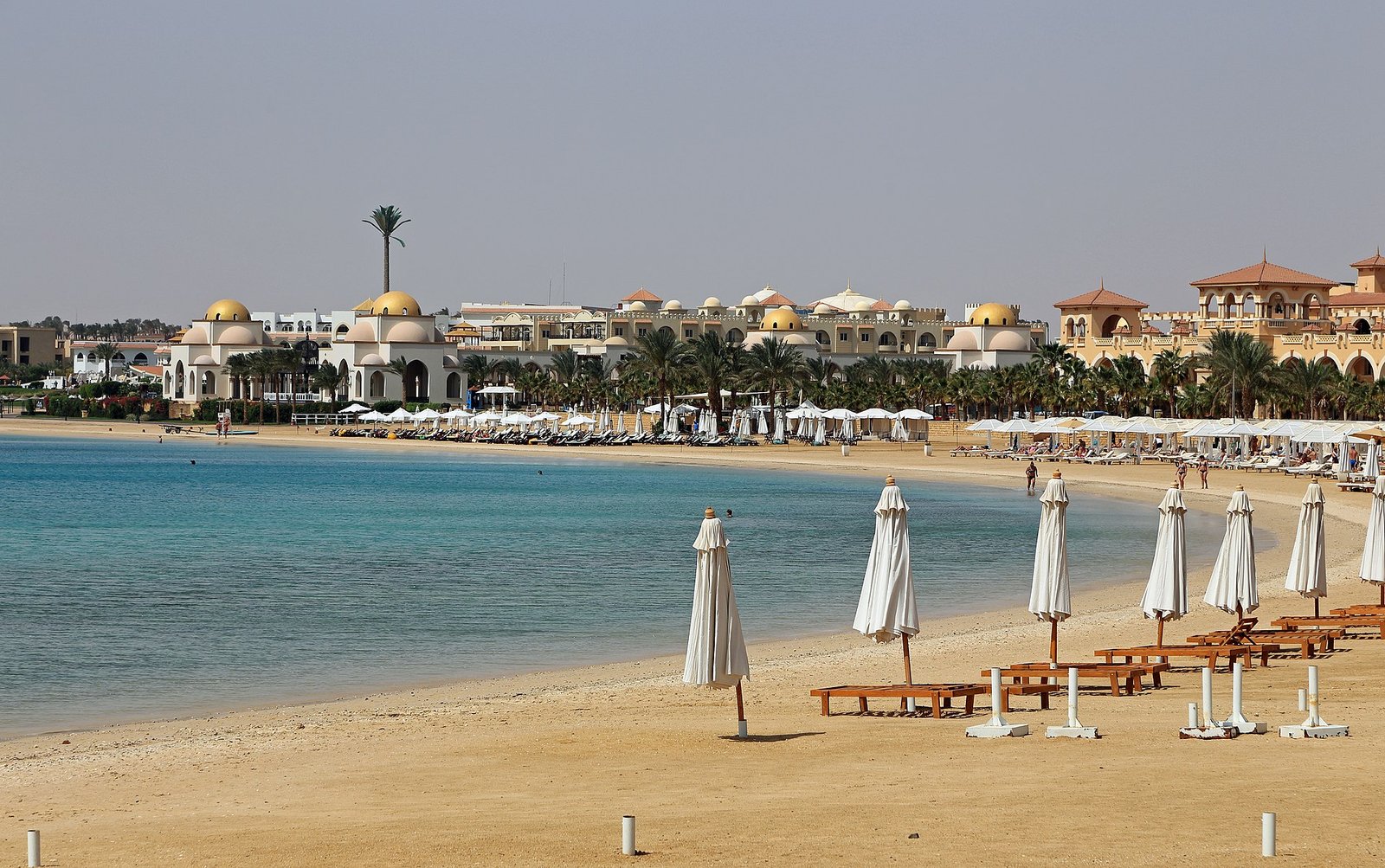
- Red Sea travelers. Hurghada, Marsa Alam, El Gouna and Sharm el Sheikh are at their best: warm water, good visibility, an afternoon breeze. If the beach is half your trip, summer is close to ideal.
- Early risers. If you can be at the gate of Karnak at six and back at the hotel by eleven, you will see the great sites with almost nobody in them.
- People who want space. Empty halls, tombs to yourself, guides with time to talk, easier cabins. None of that exists between October and April.
Summer is not worth it for:
- Anyone who wants to walk temples at midday. The classic day with three outdoor sites before lunch and two after does not exist from June to September. If that is the trip you pictured, read our guide to the best time to visit Egypt and wait for the cool months.
- Anyone who handles heat badly. Certain medical conditions, toddlers and frail older travelers make the summer south a poor idea.
June to September, region by region
Egypt is not one climate. Alexandria and Aswan in July are a beach day and a furnace, and the region matters more than the month. These are typical afternoon highs and pre-dawn lows.
| Region | Afternoon high | Pre-dawn low | What it feels like |
|---|---|---|---|
| Cairo and Giza | 95 to 100 F (35 to 38 C) | 72 to 77 F (22 to 25 C) | Hot and hazy, worse in traffic, fine in shade and at night |
| Alexandria and the north coast | 86 to 90 F (30 to 32 C) | 73 to 77 F (23 to 25 C) | Humid, breezy, the mildest summer in the country |
| Luxor | 104 to 109 F (40 to 43 C) | 75 to 79 F (24 to 26 C) | Dry, intense sun, workable before ten and after five |
| Aswan and Abu Simbel | 106 to 111 F (41 to 44 C) | 77 to 82 F (25 to 28 C) | The hottest corner, helped by the breeze on the river |
| Hurghada and El Gouna | 93 to 97 F (34 to 36 C) | 79 to 82 F (26 to 28 C) | Warm, windy afternoons, sea at 82 F (28 C) and up |
| Sharm el Sheikh and Dahab | 97 to 102 F (36 to 39 C) | 80 to 84 F (27 to 29 C) | Hotter than the western coast, still sea-tempered |
Month by month, June is the gentlest of the four, with cooler nights. July and August are the peak, August the more oppressive because the nights stop cooling. September starts almost as hot in the south, then breaks in its last ten days, and the Red Sea stays warm into fall.
If you already have dates, go straight to Egypt in June, Egypt in July or Egypt in August. This page is about the decision.
How a summer day is actually scheduled
Everything you gain and lose in summer lives in the clock, not the thermometer, so here is an honest timeline.
- 6:00 to 10:00. The main visit. The guide is at the door before sunrise. Four hours of good light, walkable stone and almost empty enclosures: this is where Karnak, the West Bank, Philae, Abu Simbel or the Giza plateau go.
- 10:00 to 12:00. A second site, with conditions. Still workable with a hat and water, but pick something short or with a roof: a tomb, Luxor Museum, the Nubian Museum, a covered souk.
- 12:00 to 5:00. The lost hours. Not a matter of toughing it out; a shadeless courtyard at two in the afternoon in Aswan is not a place to be. This block belongs to the pool, the cabin, a museum, a long lunch or a nap. Accepting this is the whole trick.
- 5:00 to 8:00. The second window. The best light of the day, and the sites empty as the buses leave. Luxor Temple after five, the Nile by felucca, Islamic Cairo as the shutters go up.
- 8:00 onward. The city wakes up. Egyptian social life moves to the night in summer. Cafes fill, families walk the corniche until midnight, and Cairo feels more alive than at any other time of year.
Count it up. You lose five hours in the middle and gain two excellent windows plus an evening that barely exists in winter. That is the trade, and it is a fair one if you take the nap.
What is genuinely better in summer
Once you accept the schedule, there are things the high season cannot give you at any hour.
- Empty sites. Standing alone in a painted tomb, photographing the hypostyle hall at Karnak with no one in the frame. In February this does not happen.
- Guides with time. With fewer groups to run, your Egyptologist is not watching the clock, and visits stretch when you ask questions.
- Easier cabins and better boats. The fleet keeps sailing and the good boats have space, including a dahabiya that would be full in November. Our guide to a Nile cruise in summer covers which boats handle the heat best.
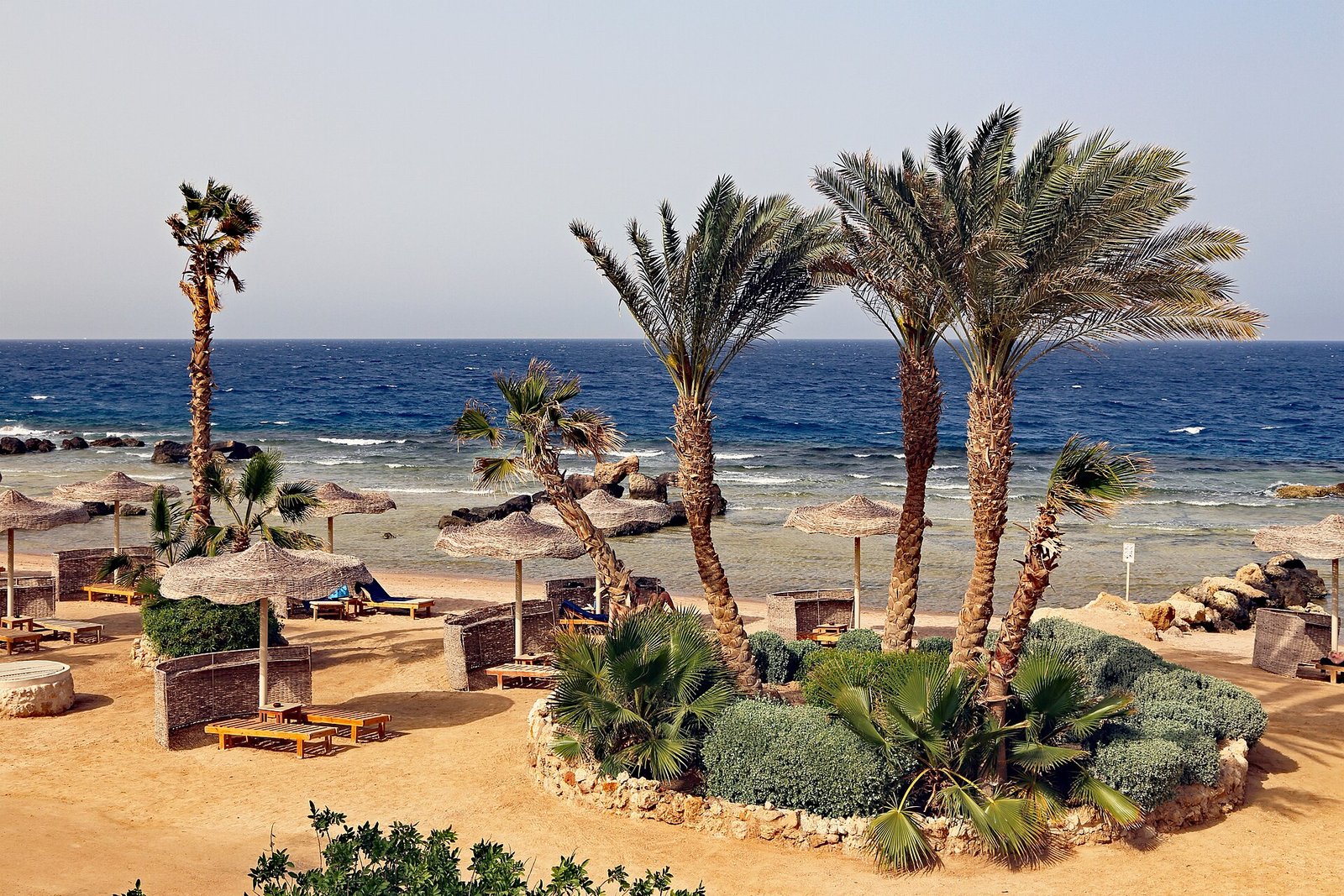
- The Red Sea at its peak. Water in the low 80s F (28 to 30 C), no wetsuit for snorkeling, long daylight and calm mornings.
- Sound and light in warm evenings. The pyramids sound and light show and the Karnak show are far more pleasant when you are not wrapped in a coat.
- Egypt at night. Cairo after nine in July is a different city from Cairo in January: rooftop dinners, Khan el Khalili open late, the corniche full of families.
None of this shows up in a climate table, and it is what people mention when they get home.
What is genuinely worse, so you decide with open eyes
The other column of the ledger is shorter but heavier.
- The midday block is gone, every day. If you dislike naps and pools, that is five dead hours a day.
- Fewer sites per day. A winter day in Luxor covers the Valley of the Kings, Hatshepsut, the Colossi, Karnak and Luxor Temple. A summer day covers the first three before ten and Karnak after five. Most people need an extra Luxor day to see the same list.
- Abu Simbel is a very early start. The road from Aswan leaves around four in the morning to arrive before the heat builds.
- Some experiences suffer. A camel ride at Giza at noon is a bad idea, so is a felucca at two in the afternoon, and a night in the White Desert is off the table for most operators in July and August.
- Ramadan or Eid can overlap. The Islamic calendar moves, so check whether your dates fall in a fasting month or a holiday; it changes opening hours and the evening atmosphere.
- Sun exposure is the real hazard. Sunburn and dehydration send more travelers back to the hotel than anything else.
If two or more of those made you wince, the cool months are your season.
Cairo versus Upper Egypt: two different summers
The capital and the south behave differently in summer, and it changes how you split your days.
Cairo is hot, but it is a city, and a city has shade, air conditioning and indoor headline sights. The Grand Egyptian Museum, the Egyptian Museum on Tahrir, Coptic Cairo, the mosques of Islamic Cairo and Khan el Khalili all work at any hour. Giza and Saqqara are the exceptions: open plateau, no shade, dawn or late afternoon only. A Cairo summer day runs pyramids early, museum at midday, old city in the evening, and it hardly feels like a compromise.
Luxor and Aswan are the opposite. Almost everything is outdoors, almost nothing has a roof, and the afternoon is hotter by ten degrees. Here the schedule is not a suggestion. The compensation is that both towns are built around the river, and a cruise boat or a hotel pool is a genuine refuge. Aswan has a breeze on the water that Luxor lacks.
The Red Sea is the third Egypt, and in summer the easy one: the point is to be in the water anyway.
So in summer we weight the trip toward Cairo and the coast, and make the Upper Egypt segment tighter, usually on a boat so the heat of the day is spent on the river rather than in a van.
Families in summer
Summer is when American school calendars push families toward Egypt. The answer depends on the ages.
Teenagers and children over about eight do well. They cope with early starts better than adults expect, they love the pool block, and an empty tomb is far more fun for a kid than a tomb in a shuffling line.
Children under five are different. They cannot regulate temperature the way an adult can, and a stroller on the Giza plateau at nine in the morning in August is already a hot stroller. We steer families with toddlers toward a coast-heavy itinerary with a short, early Cairo segment, or toward the cool months.
A summer family trip in practice: Cairo first for two or three nights, then a domestic flight south and a Nile cruise, because the boat solves the midday problem for a family better than any hotel, then the Red Sea for as many days as the calendar allows.
Our page on a family vacation in Egypt covers the year-round questions. In summer, add one rule: every child carries a water bottle and a hat they will actually keep on.
Heat and hydration rules that actually matter
Egyptian summer heat is dry heat, and that cuts both ways. Sweat evaporates and cools you, which is why 100 F in Luxor feels less brutal than 92 F in Houston. But your clothes never get wet, so you have no sense of how much water you are losing, and thirst arrives late. These are the rules our guides enforce.
- Drink before you are thirsty. A liter before you leave the hotel, a bottle in hand at every site. If you have not needed a restroom by mid morning, you are behind.
- Electrolytes, not only water. Rehydration salts from any pharmacy, one a day in the south.
- Cover up, do not strip down. Long, loose, light-colored sleeves and pants beat shorts and a tank top. A wide hat, not a cap.
- Shade is a different climate. In dry air the gap between sun and shade is enormous. Walk from shadow to shadow and let the guide talk in the shade.
- Know the warning signs. Headache, no longer sweating, dizziness, nausea, confusion. Any of those and the visit ends, no arguments.
- Sunscreen on a schedule. High SPF before you leave the room, reapplied at every stop, including ears, neck and feet.
Follow these and the heat becomes background. Ignore them and it becomes the trip.
The shape of a summer itinerary
Put it together and a summer itinerary has a recognizable shape, different from a November one. This is the outline we start from for ten days.
| Days | Where | Why it goes here in summer |
|---|---|---|
| 1 to 3 | Cairo and Giza | Museums fill the midday, pyramids at dawn, old city and sound and light in the evening |
| 4 | Domestic flight to Aswan, embark | Morning flight, afternoon on the boat, Philae at sunset or first thing next day |
| 5 | Abu Simbel and sail | Pre-dawn departure, back on board by early afternoon, the boat does the rest |
| 6 to 7 | Kom Ombo, Edfu, Luxor | Temples at first light, sailing through the heat, Luxor Temple in the evening |
| 8 | Luxor West Bank | Valley of the Kings at opening, Hatshepsut, Colossi, done by eleven |
| 9 to 10 | Red Sea | Road transfer from Luxor to Hurghada, then reef, pool and nothing before nine |
Three choices matter more than the rest. The boat sits in the middle so the hottest region is handled on the water. The Red Sea sits at the end so the trip finishes easy. Cairo gets an extra half day because its museums absorb the midday block. With two weeks you add Marsa Alam or a second Luxor day; the Egypt and Red Sea itinerary page shows longer versions of the same logic.
How Explora Egipto builds a summer trip
We are a local agency based in Egypt with our own guides and vehicles, and summer is when that matters most. What we do differently from June to September:
- Pickups before sunrise, written into the plan. An actual time agreed the night before, with the guide at the door.
- Site order by shade and opening time. Our guides know which tombs are open this month and which courtyards catch morning shade.
- Boats and hotels chosen for summer. Sundeck shading, pool size and cabin cooling weigh more than in winter; the midday block only works if the pool is worth sitting by.
- A margin in every day. If someone is struggling, a site moves to the evening or a museum swaps in. Nobody is marched through Karnak at one in the afternoon to keep a schedule.
Tell us your dates, who is traveling and how you feel about heat, and we come back with a day-by-day plan on the timeline above. You send the dates, we send the quote for everything on the ground.
Frequently asked questions
Is Egypt too hot to visit in summer?
Not too hot to visit, too hot to visit badly. Cairo and the coast are workable at any hour with a plan. Luxor and Aswan pass 104 F (40 C) most afternoons from late June through early September, which rules out outdoor visits between roughly noon and five. Everything before ten and after five is fine.
Which summer month is the best for Egypt?
June, by a clear margin. Nights are still cooler, the sea is already warm, and the peak heat has not settled in. Late September is the other good option, because the south breaks in its last ten days and the Red Sea is at its warmest. July and August are the hardest. If you can choose, take June.
Is a Nile cruise a good idea in summer?
It is the best way to do Upper Egypt in summer. The boat turns the lost midday hours into sailing time, cabins and lounges are air conditioned, and the temples are visited at first light and at dusk from the dock. Choose a boat with a shaded sundeck and a real pool rather than the cheapest option.
Can I visit the pyramids in summer?
Yes, at opening time. The Giza plateau at seven in the morning in July is warm, bright and almost empty; by ten the heat is building and the buses have arrived. Do the plateau, the Sphinx and a short camel ride before nine, then move indoors to the Grand Egyptian Museum for the middle of the day.
Is the Red Sea worth it in summer?
Summer is arguably the best season for the Red Sea. Water sits in the low 80s F (28 to 30 C), so you snorkel and dive without a wetsuit, visibility is good and mornings are calm. Afternoons are windy on the Hurghada side, which keeps the air pleasant. Pair four or five coast days with a short cultural segment.
Should I go to Egypt in summer with young children?
With children over about eight, yes, with early starts and a pool every afternoon. With children under five we are cautious: small bodies overheat faster and cannot always tell you. For toddlers we suggest a coast-heavy trip with a short, early Cairo segment, or waiting for the cool months. Either way, every child carries water and wears a hat.
Summer in Egypt works when someone has planned the sun for you
Send us your dates, who is coming and how you feel about heat. We come back with a day-by-day plan on the timeline you have just read, the boat and hotels chosen for summer, and the quote for everything on the ground. No prices on this page, just an honest answer to whether your summer dates are worth it.