Egypt With Kids: A Practical Guide for Families
Egypt With Kids: A Practical Guide for Families
Egypt suits children better than most parents expect, and when it goes wrong it goes wrong in very predictable ways. The country is rarely the problem. The problem is heat, an itinerary designed for adults, and a first morning that opens with the biggest sight of the trip while everyone is still wrecked from the journey. This is written from the Egyptian side, by people who put these trips together on the ground.
Why children take to Egypt
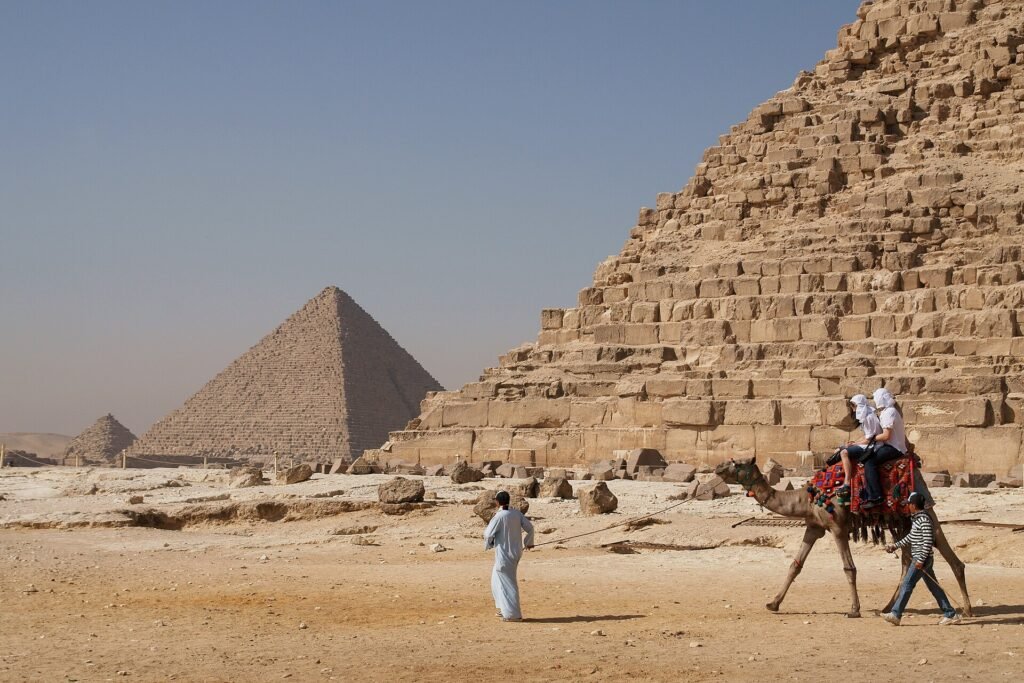
Egypt hands a child something unusual: a story larger than the object, attached to an object that is still enormous. Mummies, tombs cut into rock, a sphinx with a broken nose, treasure that sat in the dark for three thousand years, and gods drawn with the heads of falcons, jackals and cats. Most of it is already familiar from school, films and books, which is exactly why seeing it at full scale lands so hard.
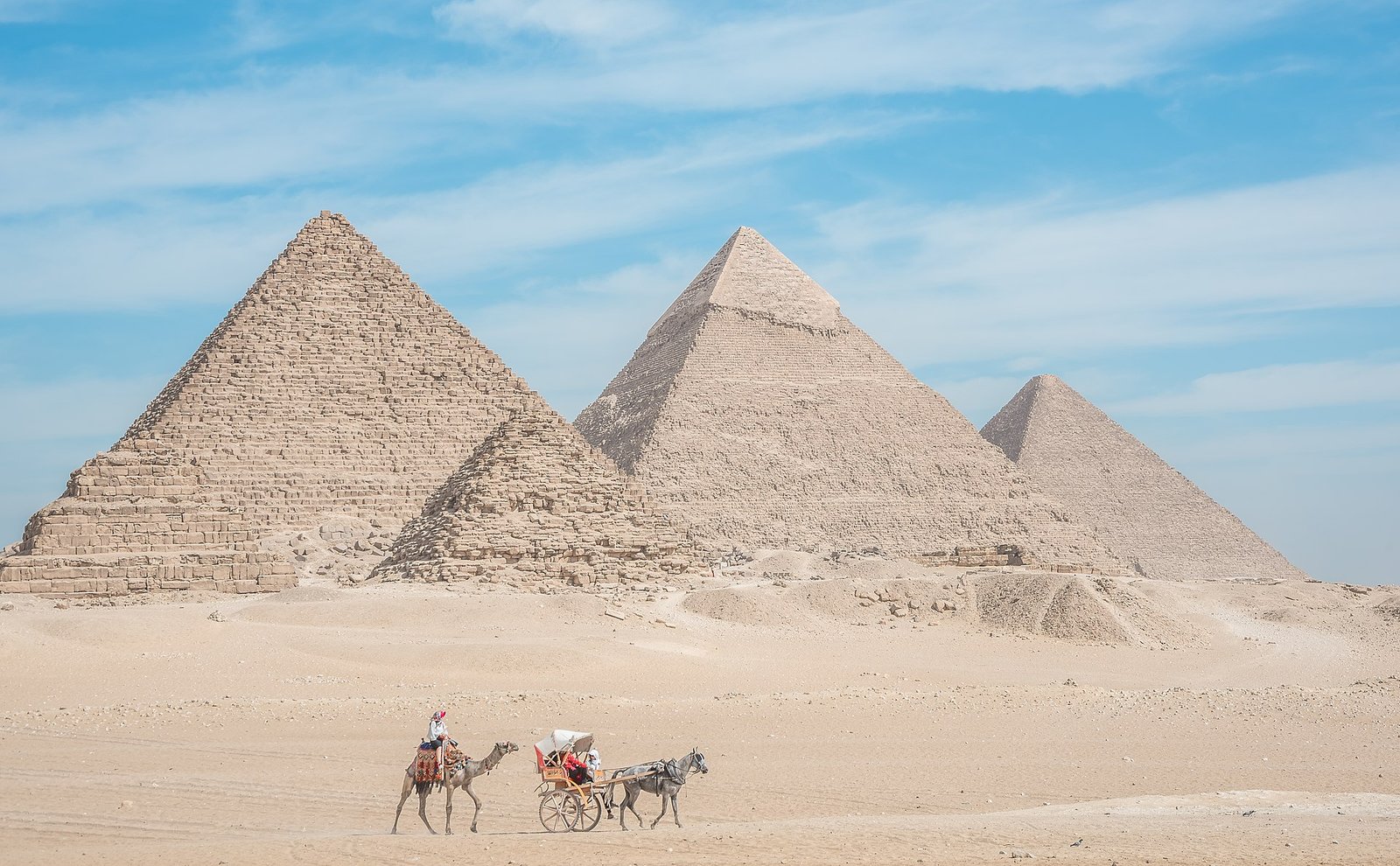
The Giza pyramids do the heavy work. So does the Grand Egyptian Museum beside them, where the Tutankhamun galleries are. If your children are around eight or older, teach them to spot four or five gods with animal heads before you leave home, and hand them the job of finding each one. A visit stops being something done to them and becomes a search.
The age that suits this trip
The honest answer is from six or seven years old. That is the point at which a child can stay with a visit and, more importantly, remember it afterwards. Younger than that and the trip is entirely doable, especially on a cruise, but the temples will say very little to them and you are traveling for your own sake, which is a legitimate choice as long as you plan it that way.
| Age | What the trip really is | What works |
|---|---|---|
| Up to 3 | Pure logistics: shade, naps, meal times, a route built for adults with frequent stops | A carrier rather than a stroller, the boat, the pool, short mornings |
| 4 to 7 | Animals, boats and water. Monuments in short doses and only if they become a game | Felucca, camel, snorkeling, the deck pool |
| 8 to 12 | Probably the best age of all. They already know the pharaohs, so a mummy or a tomb genuinely hits | Cartouche hunting, tombs, the Tutankhamun rooms, naming the gods |
| Teenagers | Content works if autonomy comes with it | The camera, choosing one visit, holding the map, and the Red Sea |
Sand, steps and uneven ground make a stroller close to useless at almost every archaeological site, so with a toddler a carrier is not a preference, it is the equipment.
The route that works: Cairo, the Nile, the Red Sea
Three settings in sequence, each one covering the weakness of the last. A week covers Cairo and a Nile cruise comfortably. Ten days lets you finish on the Red Sea, and if you are weighing that up, our note on how many days to plan goes through the trade-offs.
Cairo first
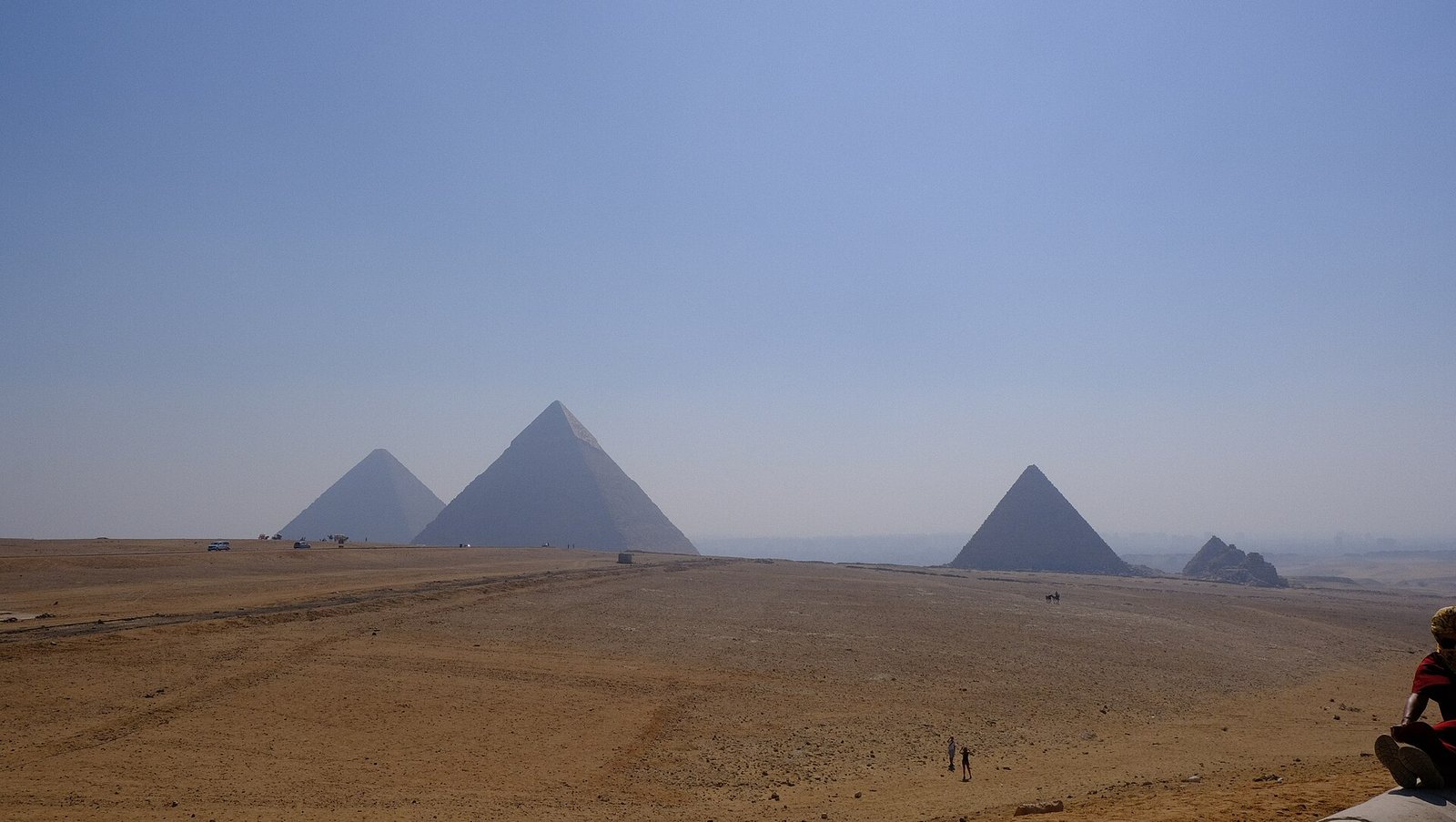
Start with the shock: Giza, the Sphinx, and the Tutankhamun galleries at the Grand Egyptian Museum. Two big mornings, not four. Cairo traffic eats time, so a private transfer and an early start are worth more here than any extra site on the list.
Then the river
A Nile cruise is the part parents underestimate and then rate highest. The boat is a floating hotel with a pool on the roof, your luggage stays where it is, the temples come to you, and there is a fixed place for meals and bedtime. If a family day falls apart, it falls apart within twenty meters of your cabin rather than in a coach park.
The felucca in Aswan is the other river moment worth building in. It is slow, quiet, close to the water, and after a week of stone it is the thing they describe first when they get home.
Finish on the Red Sea
Calm, shallow water and reef fish close to shore. Snorkeling is the closest thing Egypt has to a guaranteed hit with a child between about six and twelve, particularly with a buoyancy vest and an adult in the water alongside. Check how your beach enters the sea before you book: some resorts have a sand entry or a jetty out over the reef, but plenty of them put you into the water over coral, which is why water shoes belong in the case.
Pacing, which is the whole game
One visit lived properly in the morning, then an afternoon in the pool, beats three temples and a child who has stopped speaking. Keep the middle of the day indoors or in the water. Every parent who has done this trip badly did the same thing: they treated the itinerary as a list to be completed.
Build one day with nothing in it. Not a rest day in theory, an actual empty day. It absorbs the late night, the upset stomach and the sandstorm that arrive on their own schedule.
When to go
October to April, and never the summer. Inside that window, November to March is the part worth defending without hesitation, because the shoulder edges in October and April can still be genuinely hot in Aswan and Luxor, which is precisely where you will be standing at midday. Heat is the only factor capable of ruining a trip that otherwise tends to go well. If your dates are fixed and land at the edges of the window, shift the sightseeing earlier in the morning and protect the afternoons. Our page on the best time to visit breaks the months down properly.
Heat is also the first safety issue, ahead of everything else people worry about. Children dehydrate faster than adults and complain later. A wide-brimmed hat, thin long sleeves rather than a t-shirt and cap, water in hand constantly, and no exposed sightseeing in the middle of the day. What everyone gets wrong is dressing children for the beach at an archaeological site; what to wear covers the rest.
Arrival and the first two days
The flight is long from almost everywhere, and on top of it comes the time change, the heat and unfamiliar food. The first two days are usually the worst of the whole trip, and they are also the two days most families overload.
Three decisions fix most of it. Give day one no demanding visit at all, just a pool and a short walk, so everybody resets. Arrange the airport transfer in advance, with the driver's name and the vehicle plate in your hand, because negotiating transport at night with luggage and tired children is a scene you can delete entirely. And if you land before dawn, book the room from the previous night so you can walk straight in at any hour. It costs a night you do not sleep in and it saves the trip.
You arrange your own international flight. We handle everything from the airport door onward, including domestic sectors such as Cairo to Luxor or Aswan, which we deliberately schedule without tight connections when children are traveling.
Planning this trip yourself takes hours. We build it for you, and we answer every question before you commit to anything.
Food, water and health
Food is rarely the difficulty people brace for. Rice, chicken, pasta, potatoes and bread are everywhere, so even a genuinely fussy child eats. The fruit is excellent. What deserves care is raw food outside hotels and cruise boats, and the water.
Drink bottled water only, check that the seal is intact, and use it for brushing teeth too, at least for the first few days. That matters most with small children, who swallow whatever is in the cup. Hotels and boats either include it or sell it. There is more detail on drinking the tap water if you want the reasoning.
Rehydration salts are the single most useful item in the medicine bag on this trip. Bring your regular medication in its original packaging along with a written note of allergies and conditions. Pharmacies in Egypt are plentiful and the staff are well trained, and there is medical care within reach in the tourist areas. Many Nile boats carry a doctor or have one on call, but that varies by operator and by boat, so ask specifically rather than assume it.
Safety, in the specific
The broad question is answered elsewhere, and if it is on your mind, read how safe Egypt is and check your own government's travel advice before you commit. Tourist areas are guarded, and on a cruise or an organized trip you move inside a controlled environment rather than improvising.
The risks that actually apply to a family are smaller and more mundane. Traffic when crossing, which in Cairo means holding hands and crossing with a local, not on your own read of the gap. Sun and hydration. The pool, with young children, on a boat where nobody is formally on lifeguard duty. And one that almost nobody follows: tell your children explicitly, before you go out, not to touch the cats and dogs that come up to them, however friendly they look. Rabies precautions in the region make an animal bite a trip-ending event rather than a scraped knee.
What to pack
- A baby carrier instead of a stroller.
- Thin long sleeves and a wide-brimmed hat.
- Water shoes if the Red Sea is on your route.
- Rehydration salts, plus your usual medicines in their original boxes.
- Screen-free entertainment for transfers and waits. Cards, a sticker book, a puzzle.
- A camera or a notebook of their own, which is what turns a visit into their task rather than yours.
- Tissues and hand gel. Toilets at archaeological sites are basic.
How we build a family trip
The difference between a chaotic version of this trip and a comfortable one is almost entirely operational. Private transfers so you are never arguing with a taxi in the heat with three bags. A guide who is genuinely good with children, which is a specific skill and not the same as being a good Egyptologist. Cabins and rooms chosen for how a family actually uses them. Domestic flights with room to breathe. Mornings sized to your children's ages rather than to a template.
We book direct as a local agency in Egypt, which means the person planning your days is in the same country as your guide. Our family tour packages start from US$1,348 for the classic seven-to-ten-day route, and Nile cruise itineraries start from US$755. Message us on WhatsApp at +201032295513 with your dates and your children's ages and we will come back with a real plan rather than a brochure.
Common questions about Egypt with children
Is Egypt a good idea with children?
From what age should you take children to Egypt
When is the best time to travel to Egypt with children?
Is Egypt safe for children?
Which activities do children enjoy most in Egypt?
What kind of trip works best in Egypt with children?
Let us put the trip together
We are a local agency in Egypt. Tell us your dates and what you want to see, and we will come back with a plan, the practical details sorted and someone to ask when you are here.
Part of our guide to
Practical Guide 11 guides
This article is part of that pillar. The rest of it:
- ▸Arabic Phrases for Travel in Egypt
- ▸Cairo Airport: What Happens When You Land, and How to Leave
- ▸Can You Drink the Water in Egypt?
- ▸Exchanging Money in Egypt: Where to Change Cash and How Much at a Time
- ▸Haggling in Egypt: How to Bargain Without Overpaying
- ▸High Season, Low Season and Shoulder Season in Egypt
- ▸How Much Does a Trip to Egypt Cost? A Real 2026 Breakdown
- ▸Food Prices in Egypt: What Meals Really Cost
- ▸How Much Money to Bring to Egypt: The Cash You Actually Need
- ▸Is Cairo Safe? The Real Risks and How to Get Around
- ▸Photography in Egypt: The Rules, the Tickets and the Light
Keep exploring
To finish planning your trip to Egypt
- ▸Power Plugs in Egypt: Outlet and Adapter Guide
- ▸Photography in Egypt: The Rules, the Tickets and the Light
- ▸Egypt in December: Weather, Crowds and the Festive Season
- ▸Egyptian Currency and Money in Egypt: Cash, Cards and ATMs
- ▸How Much Does a Trip to Egypt Cost? A Real 2026 Breakdown
- ▸Haggling in Egypt: How to Bargain Without Overpaying
- ▸Solar Eclipse Egypt 2027: Luxor, the Path and How to See It
- ▸See all our Egypt tours