
Travel First Aid Kit for Egypt: What to Pack and What to Buy There
Travel First Aid Kit for Egypt: What to Pack and What to Buy There
Most people who travel to Egypt never open their first aid kit for anything worse than a blister. The ones who do open it almost always reach for the same few things: rehydration salts, something to settle the stomach, high protection sunscreen, and their own prescription medication in its original box. Everything after that is refinement.
This guide covers what is worth carrying from home, what is easier to buy in an Egyptian pharmacy than to pack, how to move prescription medicine across a border, and the symptoms that mean you stop treating yourself and see a doctor. It is general travel information, not medical advice. Speak to your doctor, your pharmacist or a travel health clinic before you fly, especially if you take regular medication.
The kit that covers almost every Egypt trip
Pack small. A sandwich bag of the right things beats a shoebox of what-ifs.
- Oral rehydration salts. The most useful single item for this destination, and as much for a hot day among the temples as for an upset stomach.
- An antidiarrhoeal such as loperamide. Not a cure, but it buys you a quiet coach ride or a flight to Aswan.
- High protection sunscreen, aftersun and a lip balm with sun protection.
- Paracetamol and ibuprofen for headaches, fever and the ache that follows a long walking day.
- An antihistamine for bites, dust and any mild allergic reaction.
- Motion sickness tablets if you are at all prone to it.
- Insect repellent for evenings near the water.
- Plasters, blister plasters, gauze, an antiseptic, hand gel and wipes.
- An antacid, because the food is rich and the portions are generous.
- Your own prescription medication, in its original packaging, in enough quantity to cover the trip plus several spare days.
Everything except the last line can be bought in Egypt, usually within a short walk of your hotel. The one thing that must travel with you, in full, is your own treatment.
Stomach trouble, the problem you are most likely to meet
Travelers' diarrhoea is the common complaint here, as it is in most places where the food, the water and the local bacteria are unfamiliar. Egyptians and visitors alike call it pharaoh's revenge, which tells you how routine it is. It is rarely serious, but it can still cost you two days of a nine day itinerary, which is why prevention is worth some discipline in the first week.
Drink bottled or properly filtered water, and use it for brushing your teeth if you want to be careful. Be wary of ice in places that do not look busy, and go easy on raw salads and unpeeled fruit for the first few days while your system adjusts. Hot food that arrives hot is your friend. For the full picture on whether the tap water is safe, we have a separate guide.
If it happens anyway, rehydration is the treatment and loperamide is the convenience. Sip the salts steadily rather than drinking a litre at once, eat plainly for a day, and rest. Most cases settle within a day or two. Resist the urge to start antibiotics without being examined, because the wrong drug for the wrong bug simply prolongs the problem.
Sun, heat and dust
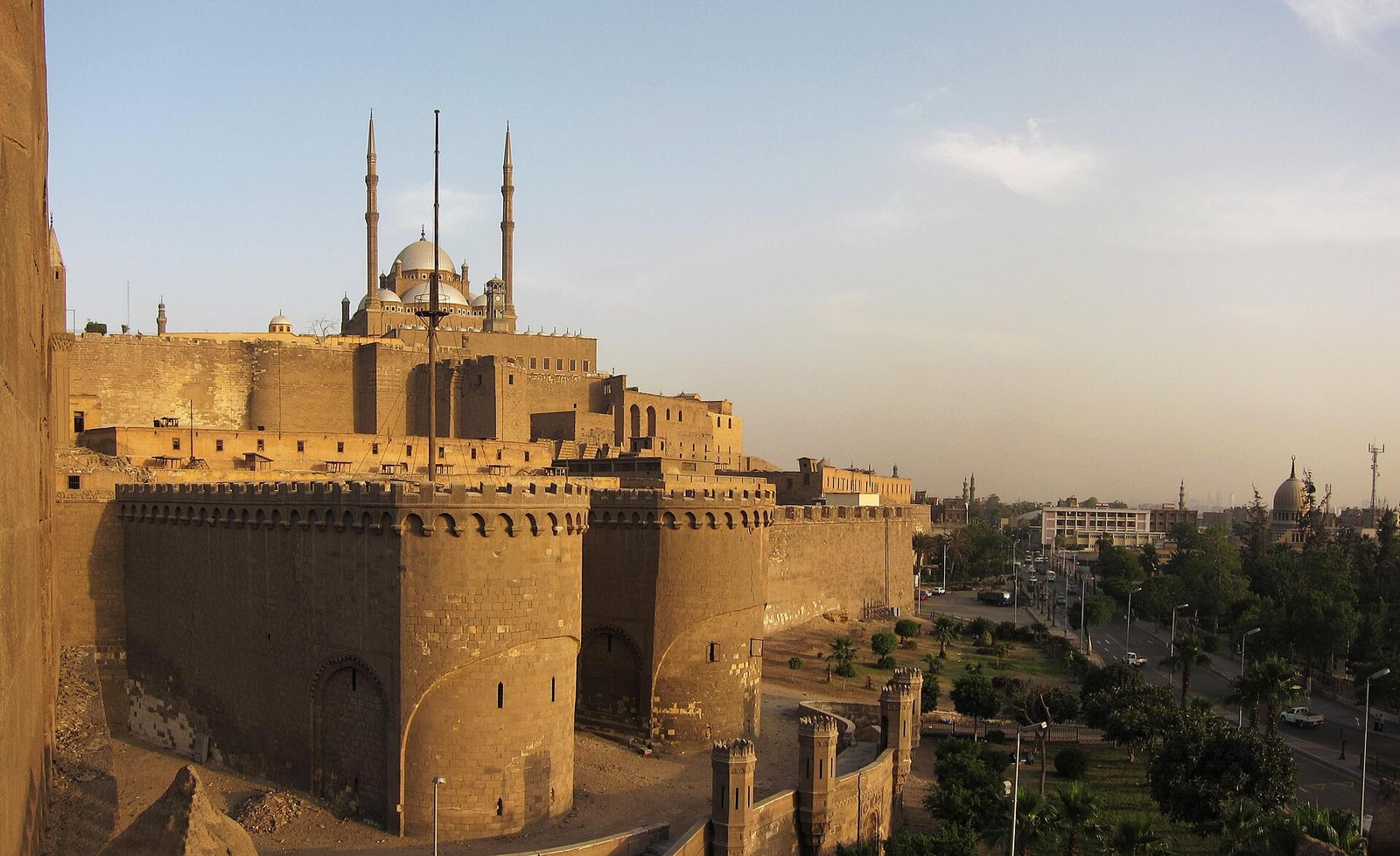
The Egyptian sun is strong for most of the year, and it is strongest in exactly the places you will spend your days: open temple courtyards, desert tracks and the deck of a boat. Sunburn from a morning on the water is the classic mistake, because the breeze hides the heat. A brimmed hat, sunglasses and a shirt with sleeves do more for you than sunscreen alone, which is one reason our note on what to wear is worth reading first.
Heat exhaustion is the risk that catches sensible people out. The early signs are a headache, cramps, feeling weak or dizzy, and skin that stops sweating even though you are hot. The response: shade or air conditioning, sit down, water with rehydration salts rather than plain water, and cool your neck and wrists. Do not push on to the next tomb because the group is moving. How hard the heat hits you depends a great deal on when you travel.
Dust is the part almost no packing list mentions. Cairo is dusty, the desert edges are dustier, and in spring the khamsin winds can fill the air with sand for a day at a time. If you have asthma, keep your reliever inhaler on you rather than in the hotel, and consider a spare. Contact lens wearers are happier in glasses on a desert day, and eye drops earn their space.
Bites, boats and balloons
Mosquitoes turn up around water and greenery: the Nile bank at dusk, the oases, hotel gardens and farmland. They are a nuisance rather than a serious threat for most travelers, but repellent and a long sleeved layer at sunset save you a week of scratching.
Motion sickness deserves a thought before you finalise the itinerary. Four situations bring it on. A Nile cruise is usually a very calm sail, though a windy afternoon on open water is a different matter, so it is worth a moment when you are choosing a Nile cruise. Desert roads have long straight stretches and sudden bends. A Red Sea boat crossing can be choppy. And a balloon flight over Luxor lifts off before dawn on an empty stomach, a combination some people do not enjoy. If tablets work for you, take them before you set out, not after the queasiness starts.
For diving days on the Red Sea, add drying ear drops and a reef safe sunscreen. Water that stays in the ear canal after repeated dips is what lets an ear infection take hold, and drying drops clear it before that starts. Reef safe means a mineral filter, zinc oxide or titanium dioxide, rather than a chemical one.
Do not swim in the Nile or in canals
This is the most Egypt specific health rule there is, and the one most packing guides leave out. Schistosomiasis, also called bilharzia, is present in fresh water in parts of Egypt. It is carried by freshwater snails and the parasite enters through intact skin, so wading and paddling count as much as swimming. The infection can stay silent for weeks before it declares itself, which is exactly why people ignore the rule.
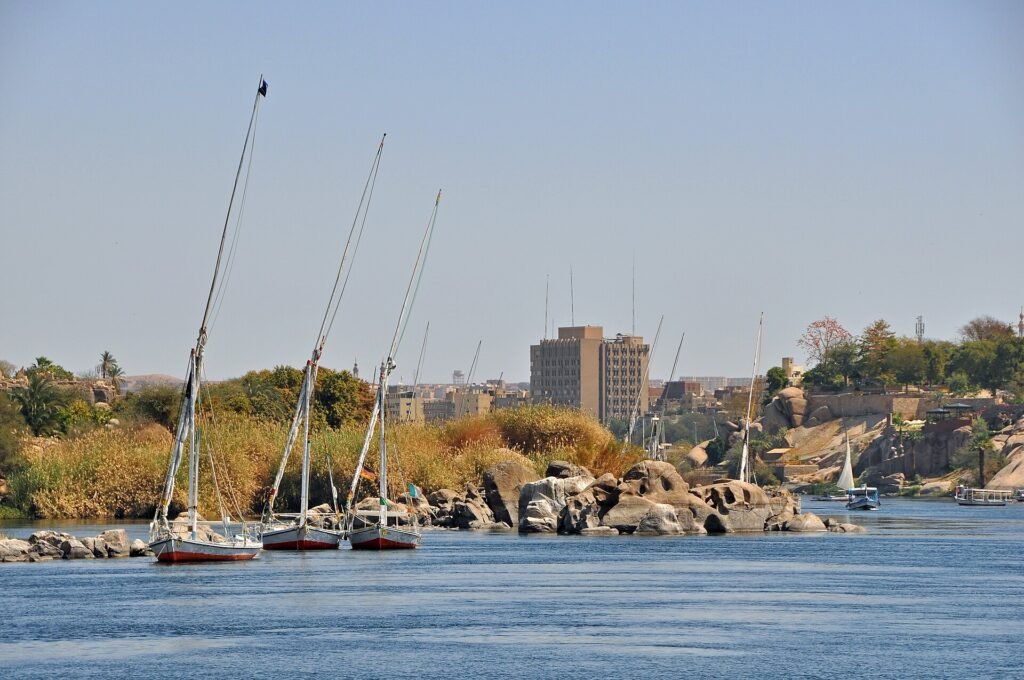
The practical version: no swimming, wading or rinsing off in the Nile, in canals or in irrigation channels. Chlorinated hotel pools are fine, the Red Sea is fine, and a felucca ride is fine because you are on the water rather than in it. If you do end up immersed, tell a doctor once you are home and say where you were. It is straightforward to test for and to treat.
Vaccinations, and the one rule that is genuinely compulsory
For most travelers, Egypt asks for no vaccination certificate at the border. There is one exception and it is a real one: proof of yellow fever vaccination is required from travelers arriving from, or who have passed through, a country where yellow fever is a risk. Rules of this kind get revised, so confirm the current requirement with an Egyptian embassy or consulate, or with a travel clinic, before you fly.
Beyond that, everything is a recommendation rather than a requirement. Travel health services commonly suggest being up to date on tetanus, hepatitis A and typhoid for Egypt, alongside your routine vaccinations. Rabies vaccination before travel is worth discussing if your trip is long or remote, or if you are traveling with children, who are the most likely to approach an animal. A clinic will weigh your route and your health history, and some vaccines need a few weeks to take effect, so book well before departure rather than in the final week. Nothing on this page replaces that appointment: doses, interactions and anything involving a chronic condition belong with a professional who has your notes.
Planning this trip yourself takes hours. We build it for you, and we answer every question before you commit to anything.
Flying with your own medication
Four rules cover almost every situation, even on a short trip.
- Hand luggage, never the hold. A delayed suitcase takes your treatment with it, and a cargo hold is not kind to every medicine.
- Original packaging, box and patient leaflet included. It makes any border check quick, and lets a pharmacist in Luxor identify what you take.
- More than you need. Cover the planned trip and several days on top, because flights get canceled.
- Paperwork, and a note in English. Carry a copy of your prescriptions plus a short typed list of your conditions, your allergies and your medicines by their generic names. Brand names change from one country to the next while generic names are understood in any pharmacy, and that note turns a difficult consultation into a two minute one.
One further check before you travel. Some medicines that are ordinary at home are controlled in Egypt, in particular opioid painkillers such as those containing tramadol or codeine, and certain sedatives and stimulants. If you take anything in those categories, ask an Egyptian embassy or consulate what documentation you need, carry the prescription or a signed letter from your doctor, and do not travel with more than your treatment requires. If your medicine needs refrigeration, ask your own pharmacy how to handle a long flight and a hot country.
Egyptian pharmacies, and what you can leave at home
Pharmacies in Egypt are everywhere, well stocked and open late, and in cities and tourist areas you will rarely be more than a few streets from one. For most travelers, common items cost noticeably less than at home. Rehydration sachets, painkillers, antacids, antihistamines, plasters and sunscreen are all easy to find, which is the argument for a small kit.
Three things to know before you rely on that. What is sold freely varies in both directions, so a medicine you take off a shelf at home may need a prescription here, and the reverse is also true. Staff in the tourist districts of Cairo, Luxor, Aswan and the Red Sea resorts often speak good English, but that is far less dependable in smaller towns, so a written generic name is worth more than your ability to describe a symptom. And in Egypt the pharmacy is where local people go first with a minor problem, so walking in and describing what is wrong is normal rather than an imposition.
Bring from home your own treatment, anything you are particular about and would rather not switch mid trip, and your usual sunscreen if your skin reacts to unfamiliar formulas.
What to add for your kind of trip
| Your itinerary | Worth adding |
|---|---|
| Nile cruise | Motion sickness tablets, and any medicine you cannot easily buy between stops |
| Desert or oasis nights | Heavy moisturiser, extra lip protection, saline nasal spray, and a warm layer for cold nights |
| Diving or snorkeling | Drying ear drops, reef safe sunscreen, and a rash vest, which protects your back better than cream |
| Long temple days | Blister plasters, rehydration salts, and a refillable bottle you keep full |
| Traveling with children | Paediatric versions of whatever you carry for yourself, plus a thermometer |
When to stop treating it yourself
A first aid kit handles the small things. These are the situations where the right move is a pharmacy or a doctor, and where waiting until tomorrow is the wrong instinct.
- A fever that will not come down, or one that settles and then returns.
- Being unable to keep fluids down for several hours, particularly in the heat, and especially in a child or an older traveler.
- Any symptom getting worse rather than levelling off, blood in diarrhoea, or severe abdominal pain.
- Any animal scratch or bite, however trivial it looks, including from the friendly cats around temples and hotels. Wash the wound with soap under running water for several minutes, then seek medical care the same day. Treatment after a rabies exposure works, and it works because it is started quickly.
- Heat stroke signs: confusion, cramps, dizziness, or hot skin that has stopped sweating.
- Anything at all that happens in connection with a dive.
Call your insurer before you call anyone else. They will point you to a clinic in their network and will often settle the bill directly rather than leaving you to pay upfront and claim later. Hotels and cruise boats can also arrange for a doctor to come to you, which for a stomach problem is faster. If you have not sorted it yet, travel insurance with medical cover is the purchase that turns a bad afternoon into an administrative detail.
How to pack it
Keep the kit in one clear bag rather than scattered through your luggage, put the prescriptions and the medical note in that same bag, and tell whoever you are traveling with where it lives. The person looking for your inhaler should not be searching three suitcases.
Traveling with a local operator moves part of this off your plate: a guide who knows which pharmacy is open at ten at night, and a driver who can get you there. If you would like a tailor made Egypt trip built around your pace, message us on WhatsApp at +201032295513. You arrange your own international flights, and we take care of everything from the moment you land.
Common questions about a travel first aid kit for Egypt
What medicines should you take to Egypt?
What is the pharaoh's revenge?
Do you need vaccinations to travel to Egypt?
Can you take your own medication to Egypt?
Do you need travel insurance for Egypt?
Are there pharmacies in Egypt?
Let us put the trip together
We are a local agency in Egypt. Tell us your dates and what you want to see, and we will come back with a plan, the practical details sorted and someone to ask when you are here.
Part of our guide to
Practical Guide 11 guides
This article is part of that pillar. The rest of it:
- ▸Arabic Phrases for Travel in Egypt
- ▸Cairo Airport: What Happens When You Land, and How to Leave
- ▸Can You Drink the Water in Egypt?
- ▸Exchanging Money in Egypt: Where to Change Cash and How Much at a Time
- ▸Haggling in Egypt: How to Bargain Without Overpaying
- ▸High Season, Low Season and Shoulder Season in Egypt
- ▸How Much Does a Trip to Egypt Cost? A Real 2026 Breakdown
- ▸Food Prices in Egypt: What Meals Really Cost
- ▸How Much Money to Bring to Egypt: The Cash You Actually Need
- ▸Is Cairo Safe? The Real Risks and How to Get Around
- ▸Photography in Egypt: The Rules, the Tickets and the Light
Keep exploring
To finish planning your trip to Egypt
- ▸Mistakes to Avoid in Egypt: 15 Travel Mistakes and Fixes
- ▸Cairo Airport: What Happens When You Land, and How to Leave
- ▸Renting a Car in Egypt: Drive Yourself or Hire a Driver?
- ▸How Much Does a Trip to Egypt Cost? A Real 2026 Breakdown
- ▸Uber and Careem in Cairo: How Ride Apps Really Work
- ▸Egypt Travel Checklist: Passport, Visa, Packing and Timeline
- ▸Solar Eclipse Egypt 2027: Luxor, the Path and How to See It
- ▸See all our Egypt tours