The Museum of Islamic Art in Cairo is the quiet museum that rewards a second visit to Egypt
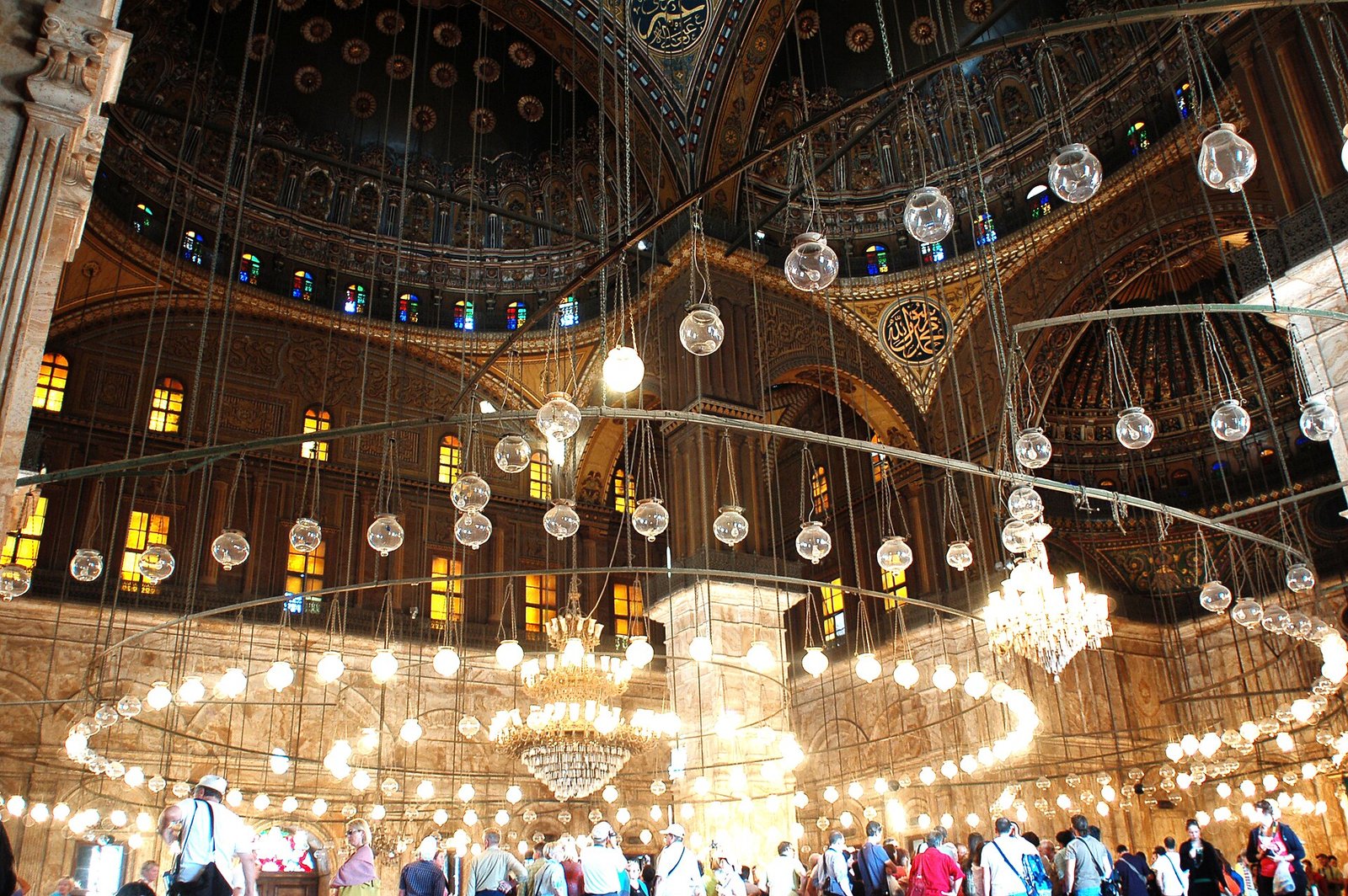
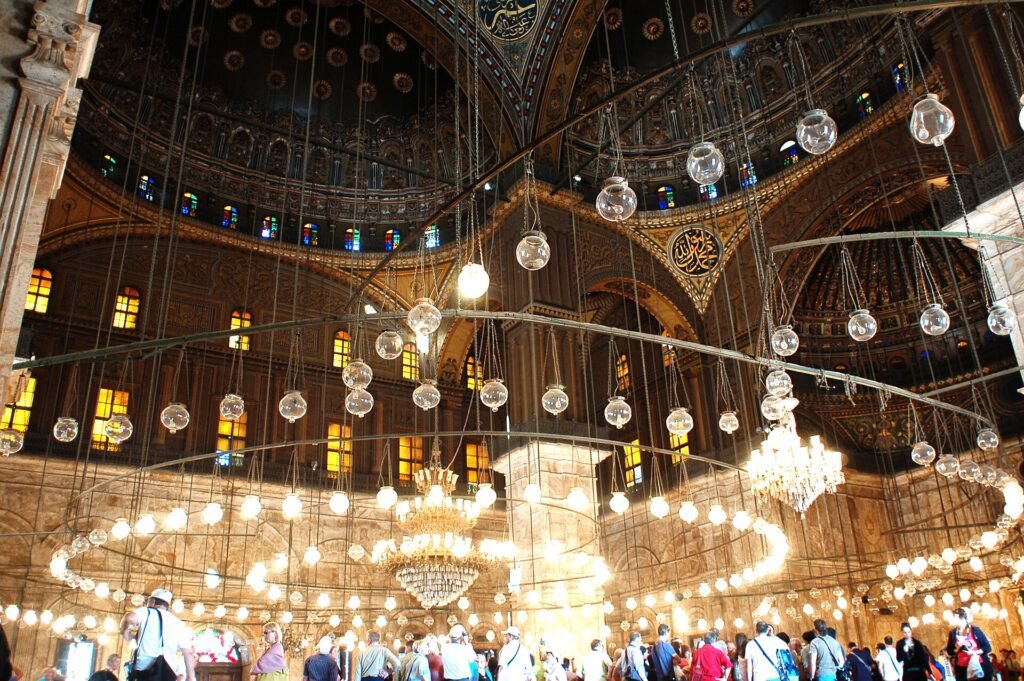
The Museum of Islamic Art in Cairo is the quiet museum that rewards a second visit to Egypt
The Museum of Islamic Art in Cairo holds one of the largest collections of Islamic art anywhere in the world, and on most days you can walk its galleries almost alone. It sits in the Bab al Khalq building on the edge of Islamic Cairo, a short walk from Bab Zuweila, and it was carefully restored after a bomb across the street damaged it in the previous decade. Inside are Fatimid carved woodwork, Mamluk enameled mosque lamps, carpets, ceramics, astrolabes, illuminated Qurans and marble fountains, arranged by dynasty on one side and by material on the other. Give it two hours with a guide, pair it with the old city the same morning, and do not save it for a tired afternoon after the Citadel.
What the Museum of Islamic Art actually is
Most visitors to Cairo see two museums: the Grand Egyptian Museum out by the pyramids and, if they have time, the old Egyptian Museum on Tahrir Square. Both are about the pharaohs. The Museum of Islamic Art is about everything that came after, the thirteen centuries of art made under Muslim rule from Spain to India, with Egypt at the center of it.
The collection is enormous. It is counted among the largest holdings of Islamic art in the world, and only a fraction of it is on the floor at any time. What is on display has been chosen well, so you are looking at the best of each period rather than wading through storerooms.
The building itself matters. It is the Bab al Khalq palace, a grand stone block built at the start of the last century specifically to hold this collection, standing where the modern downtown meets the medieval city. Walk out of the front door, turn toward the old walls, and you are in Islamic Cairo within minutes.
In the previous decade a car bomb aimed at the police headquarters across the street shattered the facade and damaged hundreds of objects. The museum closed for a long restoration and reopened with new lighting, new cases and a cleaner layout. In a strange way the bombing helped it. The galleries you walk through now are among the best presented in Egypt.
What you see inside
This is a museum of objects, not monuments. Nothing is colossal, and that is the point. You lean in, you read a carved inscription, you notice the tiny brush strokes on a bowl. Here is what stops people in their tracks, in rough order of how often I see it happen.
- Fatimid woodwork. Carved panels from the palaces of the Fatimid caliphs, showing hunters, musicians, dancers and animals. These are a thousand years old and the figures still have expressions. They are the single reason many art historians come to Cairo.
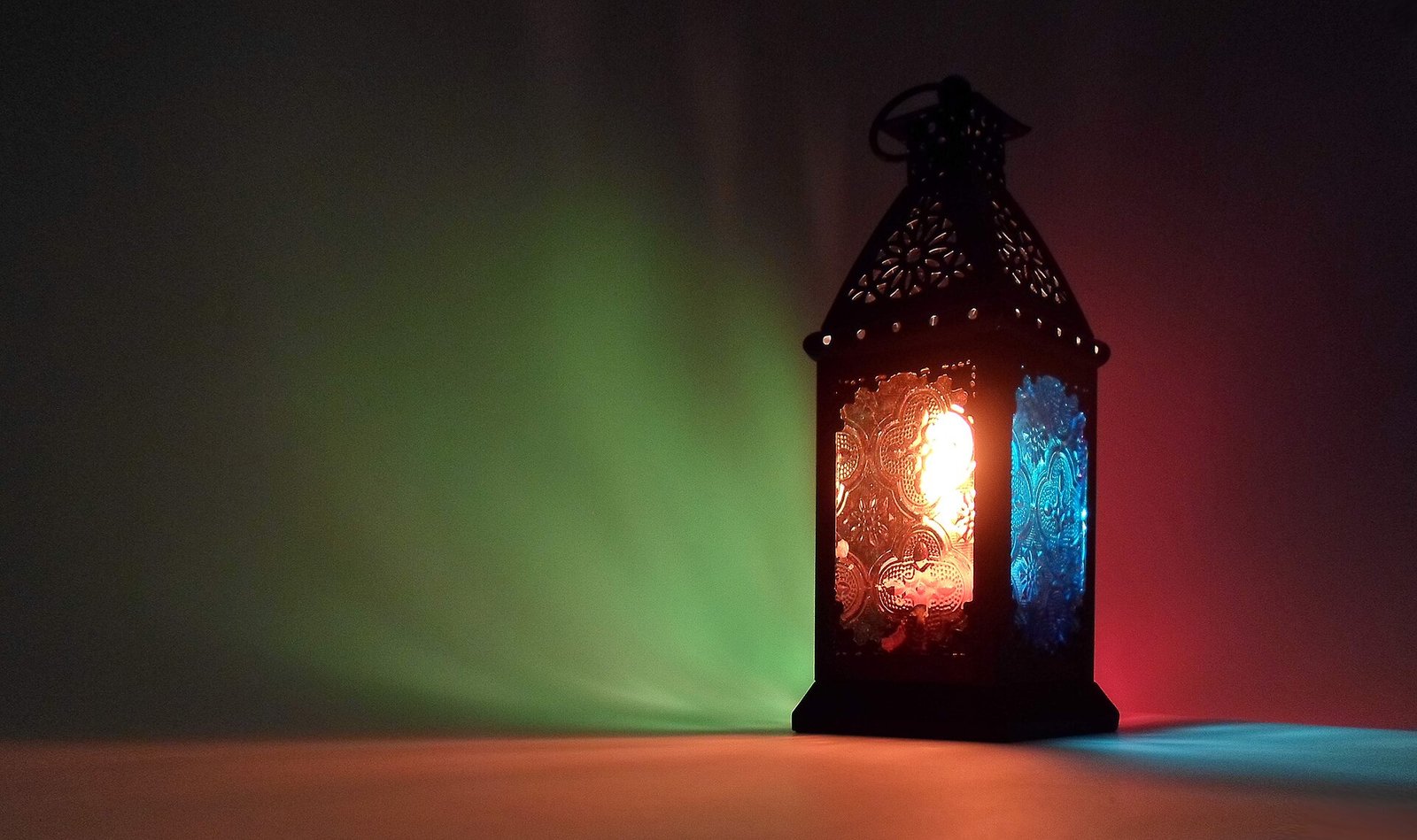
- Mamluk glass mosque lamps. Enameled and gilded glass lamps that once hung in the great mosques of the old city, each carrying the name of the sultan or emir who paid for it. Lit from inside their cases, they glow the way they were meant to.
- Carpets and textiles. Prayer rugs, court carpets and embroidered panels, including textiles woven for the Kaaba in Mecca, in a dim gallery that protects the dyes.
- Ceramics. Lusterware from Fatimid Egypt, blue and white from Persia and Ottoman Iznik tiles, laid out so you can watch the techniques move from one region to another.
- Astrolabes and scientific instruments. Astrolabes, celestial globes, compasses, surgical tools and pharmacy jars. Americans who grew up hearing that the Middle Ages were dark tend to spend a long time here.
- Illuminated Qurans. Manuscripts in gold and lapis from several dynasties, alongside pen boxes, inkwells and calligraphy tools.
- Marble fountains. Complete courtyard fountains lifted out of Mamluk and Ottoman houses, with the inlaid marble floors around them, so you see how a wealthy Cairo home once sounded and felt.
- Metalwork. Brass basins, ewers and candlesticks inlaid with silver and gold, the craft that Cairo was famous for across the medieval world.
Plan on being surprised. Almost everyone arrives expecting a room of carpets and leaves talking about the woodwork or the instruments.
How the galleries are organized
The layout is simple once you know the logic, and knowing it saves you from wandering. The museum is split into two wings on one floor.
One wing by dynasty
The first wing runs in chronological order through the ruling dynasties: Umayyad, Abbasid, Fatimid, Ayyubid, Mamluk and Ottoman. Each period gets its own space, so you can see the taste of the court change from one century to the next. If you have only an hour, this is the wing to walk.
One wing by material
The second wing groups objects by what they are made of or what they were for: textiles and carpets, ceramics, glass, metalwork, woodwork, coins, weapons, science and medicine, calligraphy and manuscripts. This wing is for people who care about craft. You can stand in front of three centuries of lamps at once.
The two approaches overlap, which is deliberate. A Mamluk lamp appears in the Mamluk room for its history and in the glass room for its technique. Do not worry about seeing both. Pick the wing that matches your interest and let a guide pull you into the other for the three or four cases worth crossing over for.
Highlights worth crossing the museum for
If you remember nothing else, remember this table. These are the pieces I walk guests to first.
| Gallery | What to see | Why |
|---|---|---|
| Fatimid | Carved wooden panels from the caliphs' palaces | Human and animal figures in Islamic art, rare and very old, still full of life |
| Mamluk | Enameled glass mosque lamps | The signature object of medieval Cairo, each one signed by its patron |
| Woodwork | Minbars and mashrabiya screens | Shows the carpentry that still fills the mosques you will walk past on Al Muizz |
| Textiles | Kaaba coverings and court carpets | Egypt wove the Kaaba cloth for centuries, a story most visitors never hear |
| Science | Astrolabes and celestial globes | Precision instruments that explain how medieval sailors and astronomers worked |
| Manuscripts | Illuminated Qurans and calligraphy tools | The best place in Egypt to understand why writing is the highest Islamic art |
| Ceramics | Fatimid lusterware and Iznik tiles | Watch a technique travel from Iraq to Egypt to Turkey in three cases |
| Architecture | Complete marble fountains | The only way to feel the inside of a Mamluk house without entering one |
How to combine it with an Islamic Cairo walk the same day
This is the pairing that makes the museum click. Seen on its own, it is a fine collection. Seen the same morning as the streets the objects came from, it becomes the key to the whole old city.
My preferred order starts at the museum when it opens, while your feet are fresh and the galleries are empty. Spend about two hours inside. Then walk out and head toward Bab Zuweila, the great southern gate of the medieval walls. It is a short walk, about ten minutes at an easy pace along the edge of the old city, and you pass tent makers and small workshops on the way.
- Museum of Islamic Art, two hours, in the cool of the morning.
- Walk to Bab Zuweila, climb the minarets of the Mu'ayyad mosque beside it for the best rooftop view in the old city.
- Continue north along Al Muizz Street through the spice and copper quarters.
- Lunch in the Khan el Khalili area, then the Qalawun complex and Al Azhar in the afternoon if you still have energy.
The walk itself is covered in detail in our guide to Islamic Cairo and Al Muizz Street. The point of doing the museum first is simple. When you stand under a lamp niche in a Mamluk mosque an hour later, you have just seen the lamp that hung there.
If you are shopping in the bazaar afterwards, read our notes on haggling in Egypt before you go. Prices in the copper lane start high for a reason.
How much time you need and who it suits
Two hours is the honest number for a first visit with a guide. Ninety minutes if you stick to the dynasty wing. Three hours if you are the kind of person who reads every label, and this museum rewards that kind of person more than any other in Cairo.
It is not for everyone, and I would rather say so than send you somewhere you will not enjoy. It suits:
- Second time visitors. If you have already done the pyramids, the Grand Egyptian Museum and Luxor, this is one of the best additions to a return trip. Our guide to a second time in Egypt puts it near the top of the list.
- People who loved Al Muizz Street. If the mosques and the carved doorways of the old city were the highlight of your first trip, this is the same world under glass and explained.
- Anyone who wants the quiet museum. No tour buses, no crowds at the famous case, no queue. You can hear your own footsteps. After the scale of the GEM, many guests tell me this is the museum they enjoyed most.
- Design and craft people. Architects, textile lovers, ceramicists, calligraphers, jewelers. They tend to overrun the two hours.
It suits less well on a first, short trip when every hour is fought over. If you have three days in Cairo, the pharaonic museums and the pyramids come first, and our Cairo in 3 days plan reflects that. Add this museum when you have a fourth day, or when you are coming back.
Photography, children and what a guide adds
Photography
Photography without flash has generally been allowed inside, and the lighting is good enough that a phone does well against the dark cases. Rules on tripods and larger cameras change, so check on the day and follow whatever the staff tell you. The glass lamps and the lit manuscripts photograph beautifully; the carpets, in their low light, do not. Our page on photography tips and camera rules in Egypt covers the general etiquette.
Children
It is a better museum for children than its reputation suggests, as long as you keep it short and give them a mission. The astrolabes, the weapons, the animal figures in the Fatimid wood and the fountains hold a ten year old for an hour. Teenagers who are into design or gaming aesthetics often like it more than the pharaonic museums. Under about eight, do the fountains and the lamps and leave while it is still fun.
The guide's role
This is the museum where a guide earns their keep most clearly. The labels are decent but they assume you know who the Fatimids were, why the Mamluks mattered and what a minbar is for. A good Egyptologist guide turns a case of brass into a story about the sultan who commissioned it and the mosque down the road where it stood. They also know which twenty cases are worth your time and which forty are for specialists. Ask us and we send you the quote for a private half day that pairs the museum with the walk to Bab Zuweila.
How it compares with the GEM and the Coptic Museum
The three are not competitors so much as three different Egypts. The Grand Egyptian Museum is vast, modern and pharaonic, built around Tutankhamun, and it is the museum you must see once. The Coptic Museum in Old Cairo is small and intimate, about the Christian centuries between the pharaohs and Islam, and belongs with the churches around it. The Museum of Islamic Art sits between them: bigger than the Coptic, far calmer than the GEM, and the only one about the Cairo you actually walk through. If you are still choosing between the big pharaonic museums, our comparison of the Grand Egyptian Museum and the Egyptian Museum on Tahrir settles it. This one is the museum you add afterwards.
Mistakes to avoid
I have watched every one of these happen, and they all turn a good visit into a forgettable one.
- Doing it in the afternoon after the Citadel. This is the classic error. The Citadel is hot, spread out and tiring, and a museum of small objects is the wrong thing to see when your legs are done and your attention has gone. Put the museum first, in the morning, and the Citadel another day.
- Squeezing it between two big pharaonic sites. The change of subject is too abrupt. The Egyptian Museum on Tahrir Square in the morning and this one after lunch sounds efficient and works badly. Pair it with the old city, not with the pharaohs.
- Going without a guide because it is a museum. See above. It is the least self explanatory of Cairo's museums for an American visitor with no background in Islamic history.
- Arriving on a closing day. Hours and closing days change, and the museum has occasionally closed for events. We check the current schedule for you before your day, so you never find a locked door.
- Trying to see everything. Pick a wing. Two hours in one wing beats four hours of shuffling through both.
- Skipping Bab Zuweila. The walk is short and the view from the minarets is the best in the old city. Leaving it out is like visiting the pyramids and not walking around the back.
If you want the museum built into a wider set of days, our Cairo excursions page shows how it fits alongside the pyramids, Saqqara and the old city.
Frequently asked questions
Is the Museum of Islamic Art in Cairo worth visiting?
Yes, for the right visitor. It holds one of the largest Islamic art collections in the world, the galleries are beautifully lit and almost always quiet, and it explains the old city you walk through afterwards. On a first short trip the pharaonic museums come first. On a second trip, or with a fourth day in Cairo, it is one of the best mornings the city offers.
Where is the Museum of Islamic Art and how do I get there?
It is in the Bab al Khalq building on the edge of Islamic Cairo, where downtown meets the medieval city. A car or ride app from Zamalek or downtown takes a few minutes outside rush hour, and our drivers bring you to the door. From the museum, Bab Zuweila and the start of Al Muizz Street are a short walk, which is why we pair the two.
How long does the Museum of Islamic Art take?
Plan two hours with a guide for a first visit. Ninety minutes covers the dynasty wing alone, which is the better choice if time is tight. People who love craft, design or calligraphy regularly stay three hours. With children, an hour focused on the fountains, lamps, astrolabes and Fatimid animal figures is about right.
Can I take photos inside the Museum of Islamic Art?
Photography without flash has generally been allowed, and phone cameras do well against the dark cases. Rules for tripods and professional equipment change, so ask on the day and follow the staff. The glass lamps and illuminated manuscripts photograph best. The carpet gallery is kept dim to protect the dyes, so do not expect much there.
Is the Museum of Islamic Art good for children?
Better than most people expect, if you keep it short. The astrolabes, the weapons, the carved animals in the Fatimid woodwork and the marble fountains hold younger children for an hour. Teenagers interested in design often prefer it to the pharaonic museums. Under about eight, do the fountains and the lamps, then leave while it is still fun.
Should I visit the Museum of Islamic Art or the Coptic Museum?
Different mornings, different stories. The Coptic Museum is small and intimate and belongs with the churches of Old Cairo. The Museum of Islamic Art is larger, calmer than the GEM, and belongs with Bab Zuweila and Al Muizz Street. If you have one extra half day and you loved the old city on a previous trip, choose the Islamic museum. If you are drawn to the early Christian centuries, choose the Coptic.
See the Cairo the pharaohs never knew
Tell us which days you have in Cairo and whether this is your first trip or a return. We build the morning around the Museum of Islamic Art and the walk to Bab Zuweila with one of our own guides and a driver at the door, check the current schedule before you go, and send you the quote the same day.