
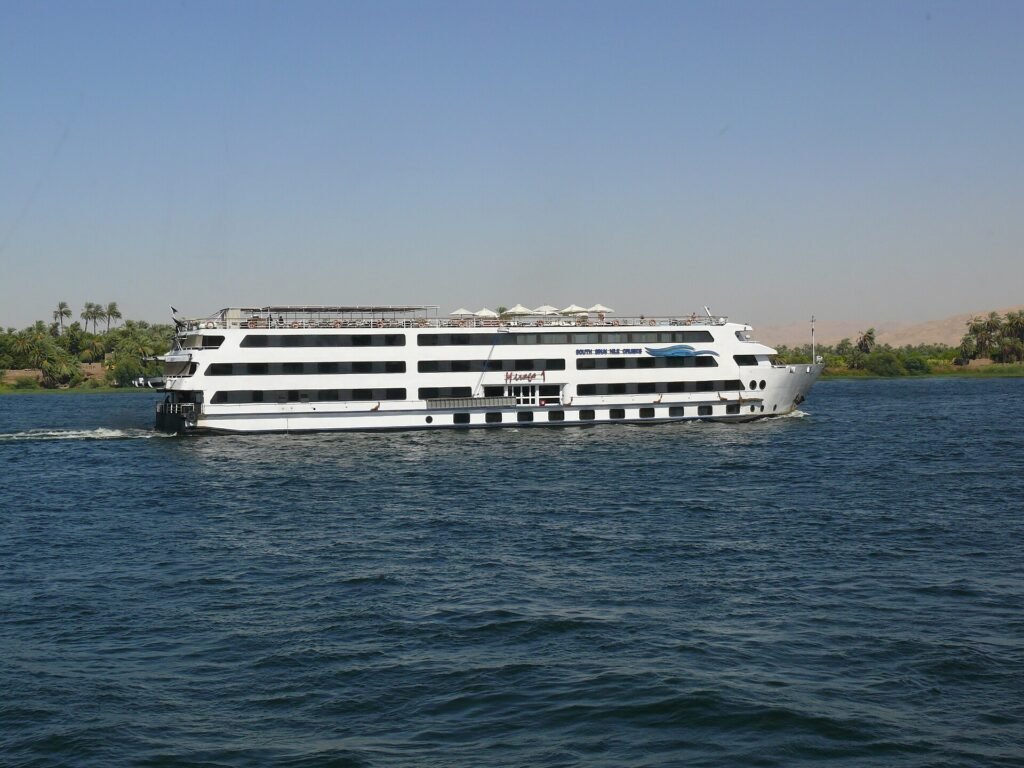
A luxury Nile cruise means fewer cabins, not more stars. You choose between a deluxe motor ship with a spa and a proper pool, a boutique vessel of twenty or thirty cabins, or a private dahabiya under sail with six to ten. The temples are the same on every one. What you buy is space, quiet, a la carte cooking and a crew that knows your name.
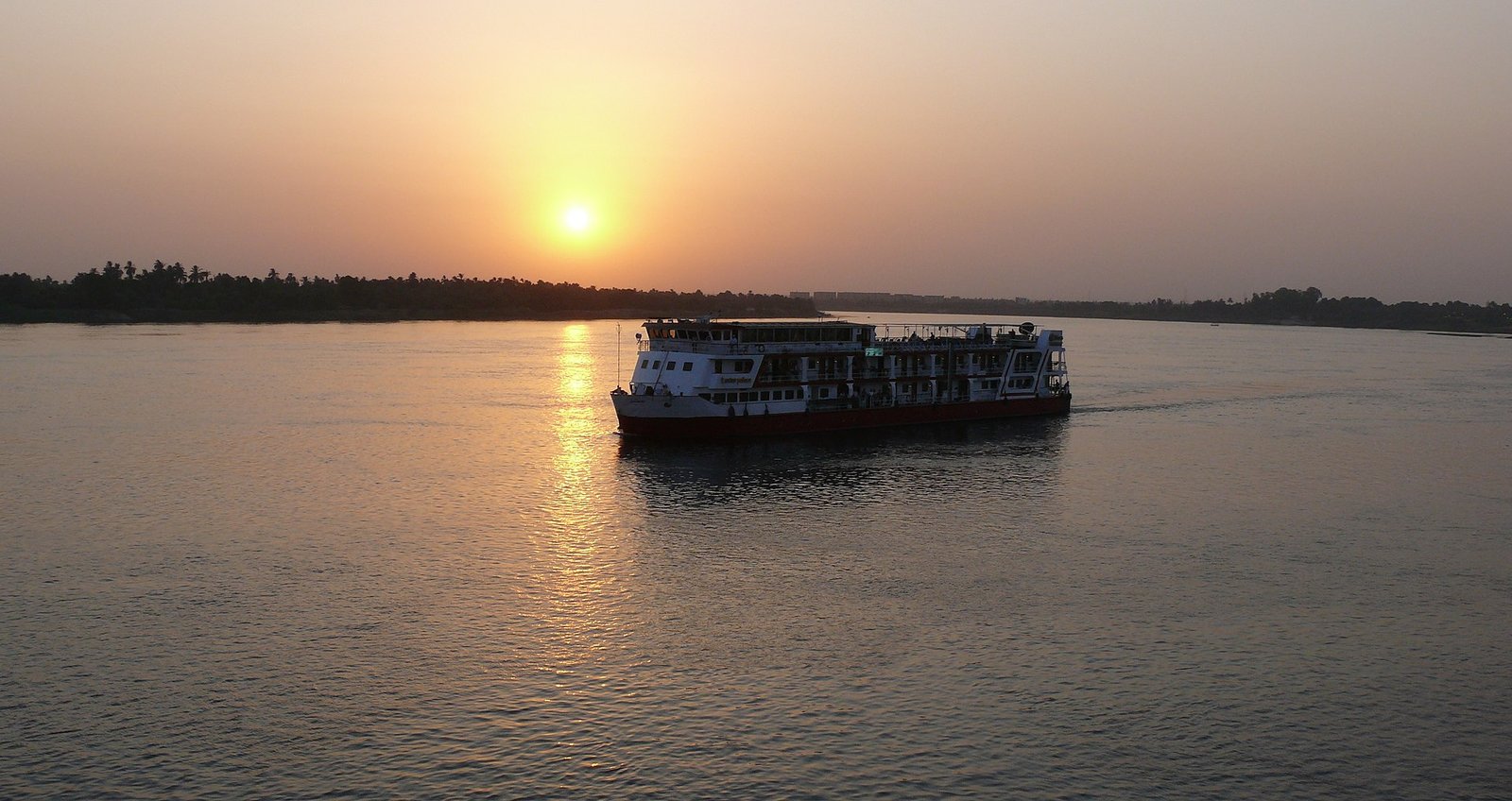
Almost every boat on the Nile advertises itself as five star, so the word carries little information on its own. Four things separate a genuine luxury vessel from a well kept standard one, and none of them is the plaque behind reception.
The first is size. Luxury ships carry twenty or thirty cabins rather than eighty, which changes the deck, the dining room and the queue at every gangway. The second is the cabin, which stops being a functional box and becomes a suite with a full height window or a private balcony. The third is the food, cooked to order rather than refilled in a buffet tray. The fourth is the ratio of crew to guests, which is why staff learn your name on day one. Categories below this tier are set out in our guide to Nile cruise boat types.
Luxury on the Nile is not one product. Three different experiences share the label, and knowing which one you want is most of the decision. A deluxe motor ship is a floating hotel of the high end sort. A boutique motor ship keeps the engine and the fixed route but shrinks the passenger list. A luxury dahabiya drops the engine almost entirely.
| Format | Cabins, roughly | How it feels | Suits | What you give up |
|---|---|---|---|---|
| Deluxe motor ship | Fifty to eighty | A high end hotel that moves, with spa, pool and several restaurants | Travellers who want full facilities and timings they can plan around | Quiet, and any sense of having the deck to yourself |
| Boutique motor ship | Twenty to thirty | Calm and personal, still motorised and still on the classic schedule | First visits that want the full route without the crowd | Spa and pool shrink, or disappear |
| Luxury dahabiya | Six to ten | A private sailing house on the water, long moorings, no engine noise | Honeymoons, and families or friends taking the whole boat | Facilities, and a timetable you can set a watch by |
None of the three is better in the abstract. They fail in different places, which is why the answer depends on who is travelling and how long you have.
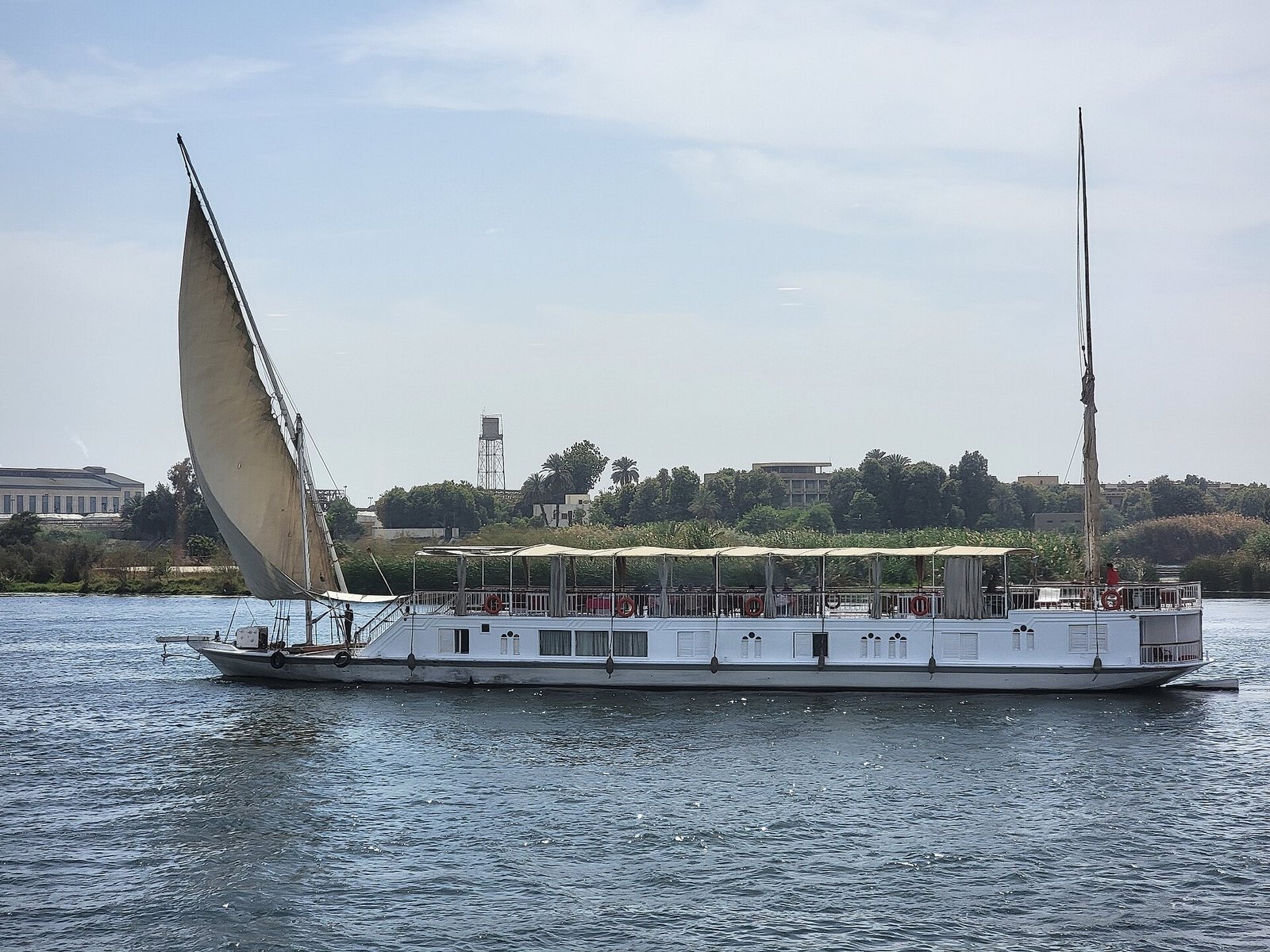
A dahabiya is a two deck wooden sailing vessel with two lateen sails and very few cabins. The word comes from Arabic and points back to the gilded barges of the pharaohs, but the form travellers recognise today is the nineteenth century one, the boat that carried visitors up the river before steam took over.
The luxury here is a different substance. There is no spa, and the pool, if there is one, is a plunge. What you get instead is silence: water, wind in the canvas and birds on the bank, with no engine underneath any of it. Dinner happens at one long table, and the crew cooks with what the villages sell along the way.
Because a dahabiya is light and shallow, it moors where a large ship cannot, on sandbanks and quiet stretches of bank with nothing else in sight.
The clearest jump in comfort is the cabin. A standard Nile cabin is compact and windowed, designed for sleeping between excursions. A luxury suite is often twenty-five square metres or more, and it is built to be used in daylight: a wide window that opens or a private balcony, a larger stone bathroom, proper toiletries. A few top categories add a plunge pool on the upper deck suites.
Two details matter more than the square metres, and neither appears in a brochure. The first is the deck the cabin sits on, because a lower deck window looks out at the waterline while an upper deck one looks over it. The second is which side of the ship you are on, since moorings at Luxor and Aswan often place vessels alongside each other.
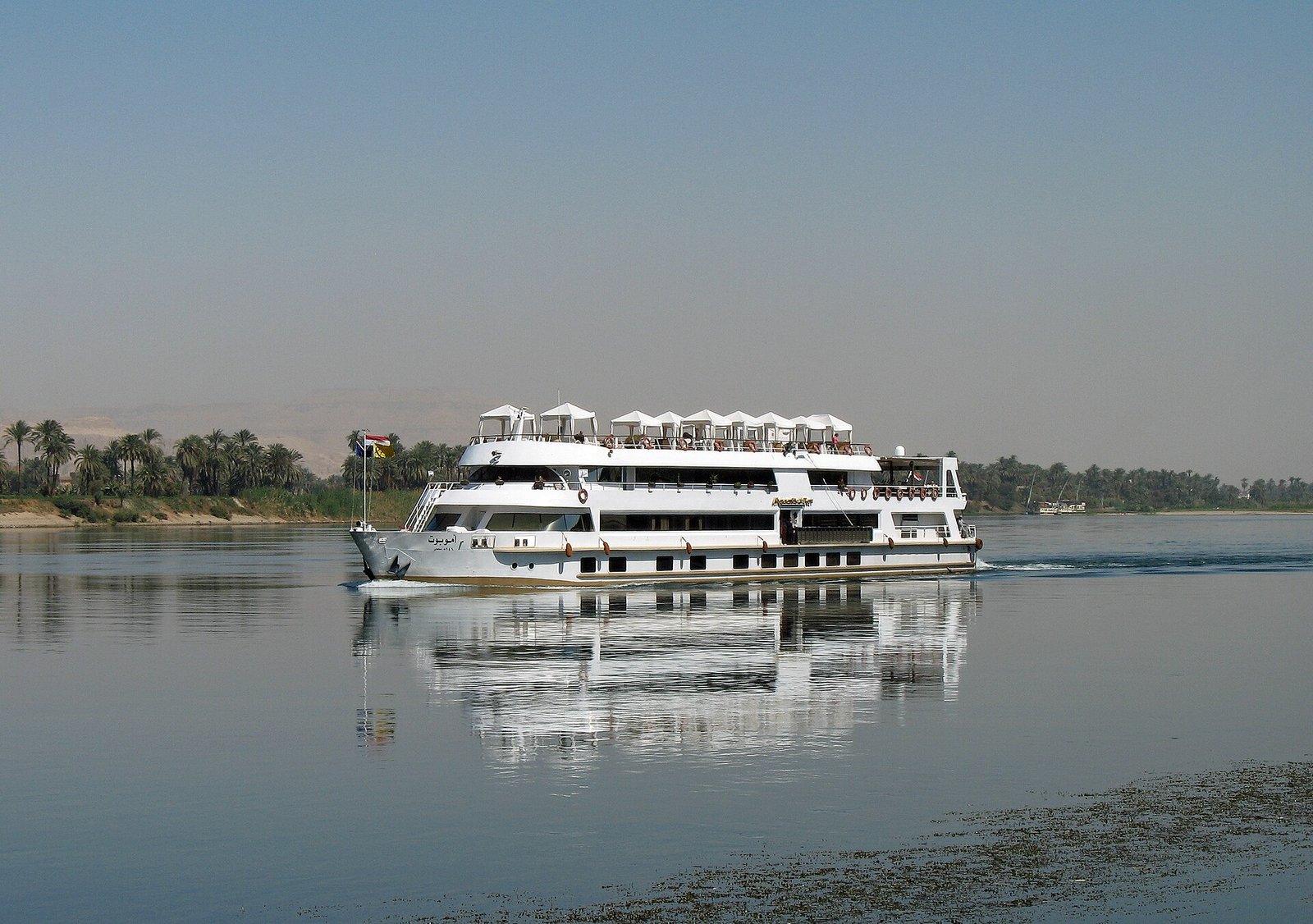
Every ship on the river has a sun deck, and on paper they look alike. The difference is arithmetic. Thirty guests on a full length upper deck is a wide, quiet space with loungers to spare. A hundred and sixty guests on the same deck is a busy poolside, with towels claiming chairs at eight in the morning.
This is why the number of cabins is the most useful question you can ask about any Nile vessel. It predicts the deck, the dining room, the gangway queue and the size of the group you walk through a temple with, and it predicts far more than the star rating does.
The afternoon sailing is the part travellers underrate before they go and rank first afterwards, and a quiet deck is exactly what a smaller passenger list buys.
The rhythm is the same as on any Nile vessel, with more room inside it. Mornings are early, because the monuments are hot by ten and full by nine.
A typical day opens with an early call and coffee, then breakfast, or a boxed one when the departure is before dawn. The guided visit runs through the morning, two to four hours on your feet, with a licensed Egyptologist working with your party rather than reading a script to a coach group. You are back aboard by early afternoon for lunch, and the ship casts off during the meal.
Afternoons are for sailing, tea and the deck. Dinner is later, and on the smaller vessels it is a single sitting at one table rather than a buffet on shifts. Most ships offer something afterwards, often Nubian music, and it is easy to skip in favour of the stars.
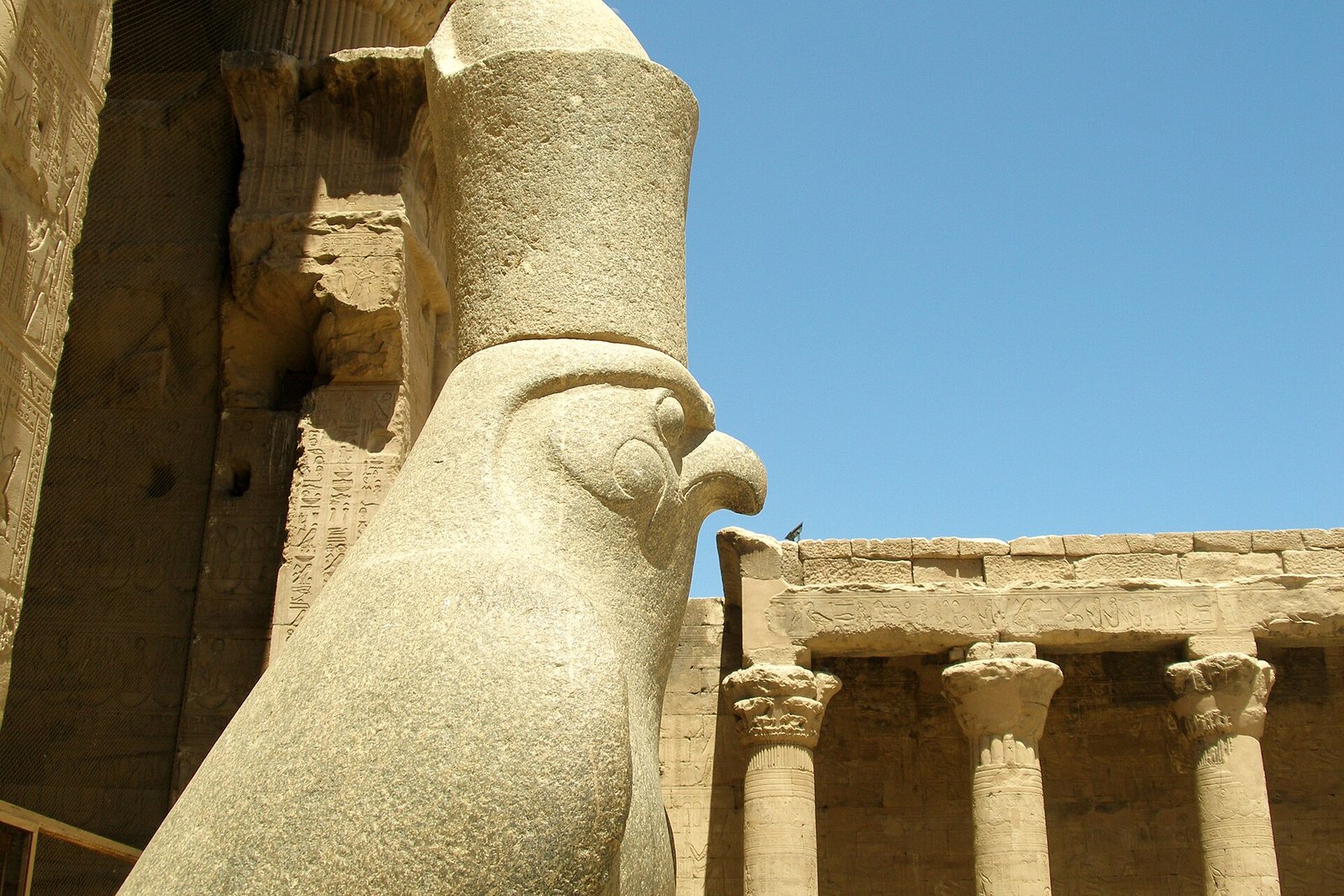
This is worth being blunt about, because the brochures rarely are. A luxury cruise does not visit different monuments. The route is the classic one between Luxor and Aswan, with Karnak, Luxor Temple, the Valley of the Kings, Hatshepsut, Edfu, Kom Ombo and Philae. Nobody sells private access to those sites, and no ship category gets you past a gate before it opens.
What changes is how the visits feel. Smaller groups move at their own speed, so you can spend twenty minutes at the back of Karnak where almost nobody walks. Guides have room to answer awkward questions instead of delivering a fixed talk, and timings are often shifted away from the busiest hour at the most crowded temples.
So luxury on the Nile buys time and space, not extra stops. The route day by day is on our Nile cruise page, and the ticketed monuments are listed on Egypt monument entrance fees.
The difference between a standard and a luxury sailing is real, but it is not where the photography suggests.
Luxury is not a regulated category on the Nile, so it pays to verify rather than trust the label.
The same checklist for standard vessels is on how to choose a Nile cruise, and the operator side is covered in how to choose an Egypt tour operator.
October to April is the comfortable window on the river, and inside it the shoulder weeks are the quiet ones with the same weather. Late December and Easter are the crowded peaks, and boutique vessels sell out first, because a ship with twenty cabins has very little to sell.
Summer sailings are genuinely hot in the valley. A cruise handles the heat better than an overland trip does, but you will be starting before dawn and resting through the afternoon. Season detail is on the best time to visit Egypt and high and low season.
Because the luxury tier is small, lead time matters more here than anywhere else on an Egypt itinerary. If your dates flex by a week, say so: moving a sailing by a few days is often the difference between the vessel you wanted and the one that was left.
It suits honeymoons and anniversaries, where the point is the two of you rather than the mileage. It suits families and groups of friends large enough to take a whole dahabiya, which turns an indulgence into something reasonable per person. It suits repeat visitors who have done the classic circuit once and want the river slowly this time.
It is the wrong choice in a few honest cases. With very few days and a wish to see every temple between Luxor and Aswan, a good standard vessel covers the ground more efficiently. If facilities are what you are paying for, a large deluxe ship delivers more than a small boutique one. And with young children who want a pool and other children to play with, the small vessels are quieter than families usually enjoy, which a Nile cruise with kids covers properly.
A luxury sailing costs more than a standard one for structural reasons rather than decorative ones. Far fewer cabins carry the same crew, fuel and fixed costs, and a kitchen cooking to order for thirty people is a different operation from a buffet for a hundred and sixty.
Quoting a single figure would be misleading, because the range is wide and moves with four things: the vessel, the season, whether you share or take a dahabiya entirely, and how much is bundled in. Taking a whole vessel sounds extravagant until you divide it across a family group.
For the budget picture, our guide to how much a trip to Egypt costs sets the context, and what is included in an Egypt tour explains where itineraries differ.
A Nile cruise is rarely the whole holiday. Most travellers pair it with Cairo, and both ends of the river connect to Cairo by domestic Egyptian flights of about an hour. On a standalone sailing those sectors are usually quoted separately; on a combined itinerary they are built in and ticketed for you.
The direction you sail is worth choosing rather than accepting. Luxor to Aswan runs upstream, slower, with more deck hours. Aswan to Luxor runs downstream and leaves more time ashore. The better tiebreaker is where you go next, since the end point decides your connection. We run the route both ways, as Luxor to Aswan and Aswan to Luxor, and longer itineraries are on Egypt tour packages.
There is no checkout on this site and no fixed departure calendar. Every sailing is quoted against your dates, your party and the vessel category you want, by the team that runs the trips on the ground in Egypt.
Message +20 1032295513 on WhatsApp with three things: roughly when you want to travel, how many are travelling, and whether you lean towards a deluxe ship, a boutique vessel or a dahabiya. If you are not sure, say so and we will lay the options out against your dates rather than pushing one. If this is your first trip with us, you get our best first-trip conditions and a written list of what is included and what is not.
Questions about a specific vessel, dietary requirements, mobility on narrow stairs or how a domestic sector connects are better asked now than discovered later. You can read what other travellers have written on our reviews page, or start from a custom Egypt tour if the river is one part of a bigger plan.
Fewer cabins, larger suites with a balcony or a full height window, cooking to order instead of a buffet, and a higher ratio of crew to guests. The route and the temples are identical. What changes is deck space and the size of your group at a monument.
There is no single answer, because the three formats fail in different places. For full facilities, a deluxe motor ship. For quiet and privacy, a dahabiya. For a middle path, a boutique vessel. We recommend the specific ship available on your dates rather than a category.
The high end ones are luxurious, in a different currency. You are buying silence, deck space and exclusivity on a private sailing vessel, not marble and a spa menu. Cabins are comfortable and the cooking is often excellent, but the facilities of a large deluxe ship are not there.
No. The itinerary is the same classic run between Luxor and Aswan. What changes is how the visits are handled: smaller groups, a guide working with your party alone, and timings shifted where possible away from the busiest hour.
It varies widely with the vessel, the season and whether you share or take a dahabiya privately, so a fixed figure would be misleading. The reliable way to find out is a quote against your dates and party size.
Deluxe motor ships typically run to fifty or eighty cabins, boutique vessels around twenty to thirty, and a dahabiya six to ten. Ask for the exact number and the full occupancy passenger count, because that figure predicts your week better than any star rating.
Yes, and on a dahabiya it is common. With six to ten cabins, a family or a group of friends can take the vessel entirely, so the deck, the table and the schedule are yours. Divided across a group that size it becomes a sensible way to travel together.
It is one of the formats it suits best. A quiet deck, a private balcony over the river and a single sitting at dinner are what honeymooners remember, and they are what a small passenger list produces.
Further ahead than a standard sailing, because there is so little of it. Winter dates and anything over a holiday period should be settled well in advance, since a twenty cabin vessel sells out quickly. Summer sailings can often be arranged at shorter notice.
Nothing here quite the trip you had in mind? Tell us what you want to see and the team in Cairo builds the itinerary around your answers.
Build a custom Egypt trip