Egypt in 9 days is the itinerary that fits the whole classic route, Abu Simbel included
Egypt in 9 days is the itinerary that fits the whole classic route, Abu Simbel included
Nine days is the first length at which the classic Egypt route stops being a race. The plan that works: three nights in Cairo for Giza, Saqqara and the two big museums, a morning domestic flight to Aswan, Abu Simbel the next day, a 4-night Nile cruise down to Luxor with Kom Ombo, Edfu and the Valley of the Kings on the way, then a full extra day in Luxor for the tombs most 7-day trips skip, and an evening flight back to Cairo for your last night. Every site on the list, one domestic flight each way, one pre-dawn start. Below is the day table, the honest Red Sea variant, and how we build it.
Why 9 days is the sweet spot for the classic route
The classic Egypt route is Cairo, Aswan, the Nile between them, and Luxor. Seven days gets you through it, but only by cutting something: usually Abu Simbel, sometimes Saqqara, always the second Luxor day. Ten days gets you through with room to spare and starts asking what else to add. Nine is the length where every essential fits and nothing is squeezed.
The reason is arithmetic. Cairo needs three nights to do Giza, Saqqara and the museums without stacking two of them on one exhausted afternoon. Abu Simbel needs its own morning out of Aswan. The cruise needs four nights if you want the temples seen in daylight rather than at a jog. Luxor's west bank needs two visits, because the Valley of the Kings alone does not cover it. Add a travel day at each end and you land on nine.
If you are torn between eight and nine, the ninth day is the most valuable day of the trip, because it turns Luxor from a checklist into a place. If you are torn between nine and ten, the tenth is about rest or the sea, not more monuments. The shorter shape is in Egypt in 7 days, and the whole ladder is in how many days you need in Egypt.
The 9-day Egypt itinerary at a glance
This is the shape we build most often. It runs south to north on the river, which puts Abu Simbel early, when you are freshest, and leaves Luxor for the end, when you know how to read a temple.
| Day | Where you sleep | What you do |
|---|---|---|
| 1 | Cairo | Arrival, meet your guide and driver, a first evening on the Nile |
| 2 | Cairo | Giza plateau, the Sphinx, then Saqqara and the Step Pyramid in the afternoon |
| 3 | Cairo | Grand Egyptian Museum in the morning, Egyptian Museum on Tahrir Square, Coptic or Islamic Cairo |
| 4 | Cruise ship, Aswan | Morning flight Cairo to Aswan, Philae Temple, the High Dam, felucca at sunset, board the ship |
| 5 | Cruise ship, sailing | Abu Simbel at dawn by road, back to the ship by early afternoon, sail toward Kom Ombo |
| 6 | Cruise ship, sailing | Kom Ombo at first light, Edfu by horse carriage, the Esna lock, the long afternoon on deck |
| 7 | Cruise ship, Luxor | Valley of the Kings, Hatshepsut's temple, the Colossi of Memnon, Karnak in the afternoon |
| 8 | Cairo | Disembark, a full Luxor day: balloon at sunrise, Tombs of the Nobles, Deir el Medina, Medinet Habu, Luxor Temple, evening flight to Cairo |
| 9 | Home | Departure day, with a last Khan el Khalili walk if the flight is late |
Eight nights, two domestic flights, four of them on the water. Nothing on the list is a maybe.
Days 1 to 3: Cairo, Giza, Saqqara and the museums
Three nights is the number that makes Cairo enjoyable rather than survivable. Day 1 is arrival: hotel check-in, a walk along the corniche and dinner, because the first Cairo morning should be the Pyramids with fresh legs.
Day 2 is Giza and Saqqara, in that order and early. You reach the plateau when the gates open, walk between the three pyramids before the heat, and sit in front of the Sphinx before the tour buses stack up. Then the drive south to Saqqara, where the Step Pyramid of Djoser is the oldest stone building on earth and the tombs around it hold the finest carved reliefs in the country. Most 7-day trips drop Saqqara. On nine days it stays.
Day 3 is museums and old Cairo. The Grand Egyptian Museum near Giza takes a full morning if you give Tutankhamun's galleries the time they deserve. The older Egyptian Museum on Tahrir Square is still worth an hour or two for what has not moved. The afternoon goes to Coptic Cairo or the mosques and market lanes of Islamic Cairo. We map the three days in Cairo in 3 days, including which museum to do first.
Day 4: the domestic flight to Aswan and the first evening on the river
The morning flight from Cairo to Aswan takes about an hour and a half. You land mid-morning and your Aswan guide is at the airport. The ship is your hotel from tonight, so the luggage goes straight aboard while you go sightseeing.
The Aswan afternoon is the gentlest of the whole trip. Philae Temple sits on an island and you reach it by motorboat, which is half the pleasure. The High Dam is a short stop that explains why Abu Simbel had to be moved. Then a felucca as the sun drops behind the west bank dunes, the image most people take home from Aswan.
We recommend flying rather than the overnight train for this leg. The train is an experience, but it delivers you tired at dawn on the day you most need to be sharp. Our guide to domestic flights in Egypt explains how the internal routes work and why we book them for you.
Day 5: Abu Simbel, then the boat sails
This is the earliest start of the trip, and the only one. The road convoy leaves Aswan before dawn, the drive is about three hours across flat desert, and you arrive as the light comes across Lake Nasser and hits the four seated colossi of Ramses II. The Great Temple and Nefertari's smaller temple beside it were cut from the cliff more than three thousand years ago, then sawn into blocks and rebuilt on higher ground in the 1960s to escape the rising lake. Two hours on site is right.
You are back in Aswan by early afternoon and the ship sails with you on the sun deck. Flying to Abu Simbel and back is the alternative when the road does not appeal; it saves a few hours and costs you the desert. Details on both are in Abu Simbel tickets and how to visit.
Days 6 and 7: Kom Ombo, Edfu and the Luxor west bank
Day 6 is the day people mean when they say they loved the cruise. Kom Ombo comes first, a temple to two gods on a bend of the river, with the crocodile mummies next door. Then a couple of hours of sailing to Edfu, where you go up to the temple of Horus by horse carriage. Edfu is the most complete temple in Egypt, roof still on, and it is where hieroglyphs start to make sense.
The afternoon is the long sail through the Esna lock to Luxor. This is the stretch that makes a 4-night cruise worth the extra night over a 3-night one: hours on deck watching fields, water buffalo and villages slide by, with no temple to get to. The ship ties up in Luxor after dark.
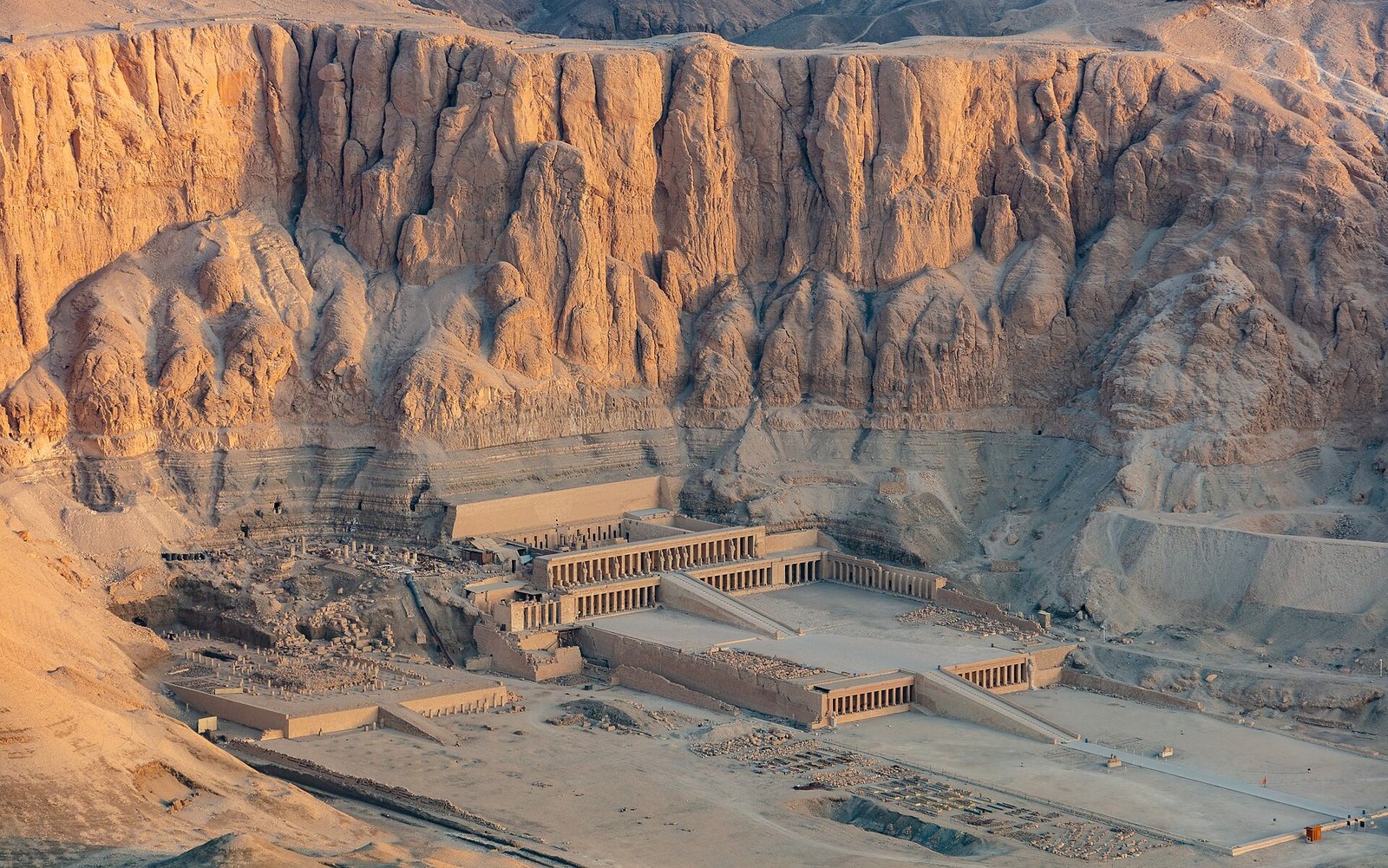
Day 7 is the west bank, early. The Valley of the Kings opens with the sun, and you want to be in the first tombs before the coaches arrive. Three tombs are on the standard ticket, and your guide picks the three that are open and least crowded that morning. Hatshepsut's terraced temple and the Colossi of Memnon follow. Karnak fills the afternoon, and an afternoon is the minimum.
Day 8: the full extra Luxor day, and why it changes the trip
This day is the whole argument for nine over seven. On a shorter trip you disembark and go straight to the airport. On nine days you disembark and Luxor is yours until the evening flight.
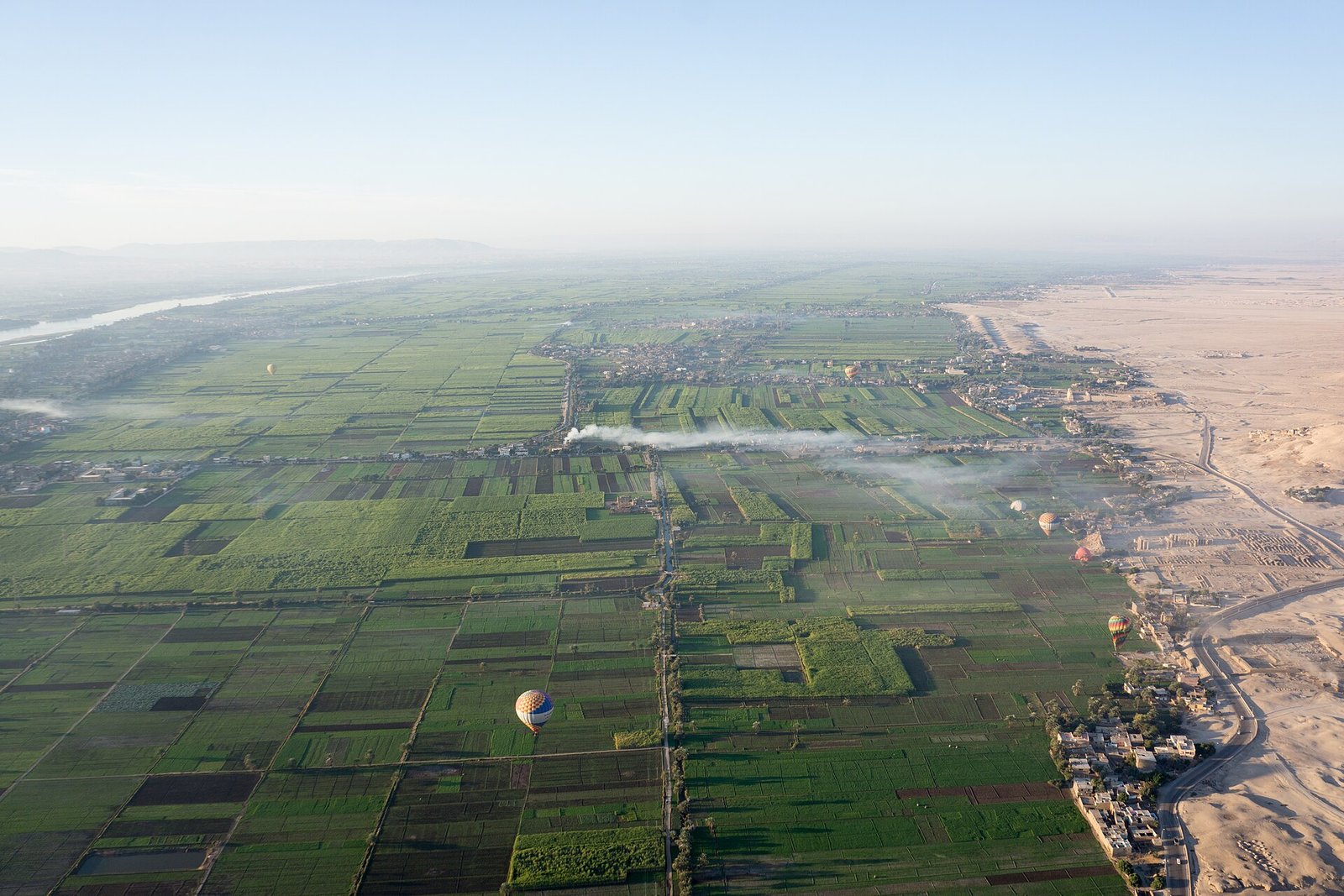
Start with the hot air balloon at sunrise if you want it: up from the west bank fields before six, over the Valley of the Kings as the light turns gold, down by breakfast. Then the sites the cruise schedule never reaches:
- Tombs of the Nobles. Painted banquets, harvests and hunting, more human than anything in the royal valley, and usually empty.
- Deir el Medina. The village of the men who cut the royal tombs, with two small tombs whose colors look painted last year.
- Medinet Habu. The mortuary temple of Ramses III, the deepest carved reliefs in Egypt, hardly anyone in front of them.
- Luxor Temple in the late afternoon. The avenue of sphinxes, the mosque inside the courtyard, the columns lit as the sun goes.
The evening flight to Cairo takes about an hour and you are at your hotel for a late dinner. Your last night is in Cairo, which keeps day 9 simple whatever time you leave.
The variant: a 3-night cruise plus one night on the Red Sea
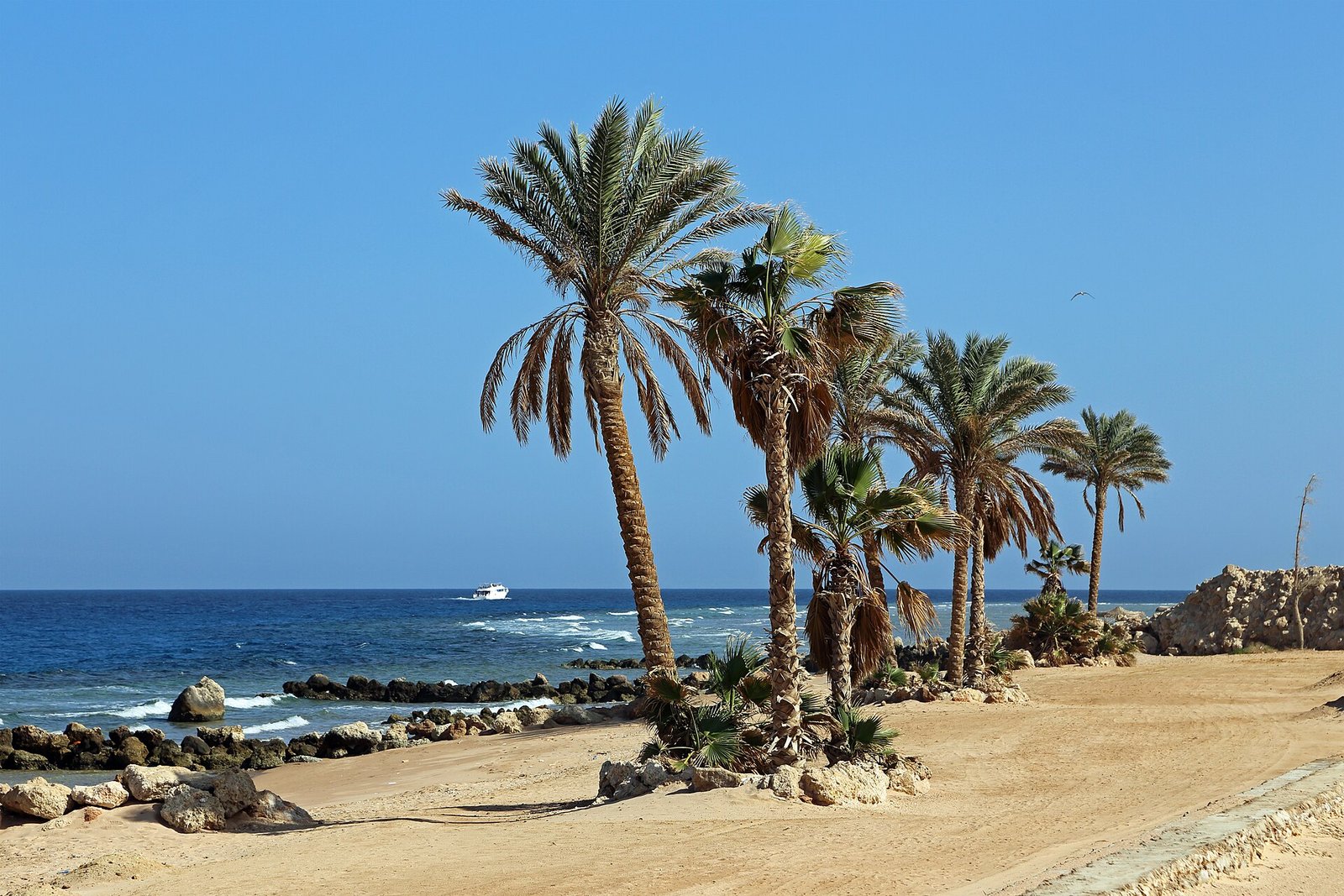
Some travelers ask for the sea. It can be done in nine days, and we build it when asked, but honestly described first. The version that fits swaps the 4-night cruise for a 3-night one, drops the extra Luxor day, and sends you over the mountains to Hurghada for one night.
| Day | Classic 9 days | Red Sea variant |
|---|---|---|
| 1 to 3 | Cairo, Giza, Saqqara, museums | Same |
| 4 | Fly to Aswan, Philae, felucca, board a 4-night cruise | Fly to Aswan, Philae, felucca, board a 3-night cruise |
| 5 | Abu Simbel, sail | Abu Simbel, sail |
| 6 | Kom Ombo, Edfu, the long sail | Kom Ombo, Edfu, sail to Luxor by evening |
| 7 | Valley of the Kings, Hatshepsut, Karnak | Valley of the Kings in the morning, disembark, four to five hours by road to Hurghada |
| 8 | Balloon, Tombs of the Nobles, Deir el Medina, Medinet Habu, evening flight to Cairo | A morning at the beach or a snorkel trip, afternoon flight Hurghada to Cairo |
| 9 | Departure | Departure |
What you gain: one swim in the Red Sea and a night in a resort. What you give up: Karnak is compressed or dropped, the extra Luxor day is gone, and day 7 becomes a temple morning followed by a long drive. One night at the sea is a taste, not a rest; you check in at dusk and leave after breakfast.
The Red Sea deserves two or three nights, and that means ten days or more. If nine is fixed and the sea is a must, we build this version and tell you where it is tight. If the sea is a wish rather than a must, keep the classic plan, and read Egypt in 10 days for the version where the beach fits properly.
Pacing: what nine days feels like on the ground
Start times matter more than site counts. On the plan above there is one pre-dawn start (Abu Simbel), two early starts (Giza and the Valley of the Kings, for heat and crowds rather than distance), and one optional very early start (the balloon). The other days begin after a proper breakfast.
The rhythm is two full days, then a lighter one, all the way through. That alternation is what stops the trip from blurring into one long temple.
Two rules we hold to: never two sites with a long drive between them on the same afternoon, and never a museum after a temple. For couples, families and travelers past retirement, the shape works unchanged; we adjust the depth at each stop and the midday breaks, not the list of places.
Seasons: what the weather does to a 9-day plan
The route is the same in every month. The clock is not.
- November to February. Cairo mornings are cool, around 50 to 60 F (10 to 16 C), and Luxor afternoons sit near 70 to 75 F (21 to 24 C). The easiest weather for a nine-day plan, and the busiest season on the river, so ships need booking well ahead.
- March, April, October. Warm and dry, 80 to 90 F (27 to 32 C) in Upper Egypt, with the occasional spring dust wind in March and April. Early starts still make sense; the afternoons are for the deck and the pool.
- May to September. Luxor and Aswan reach 100 to 108 F (38 to 42 C) in the afternoon. The plan still works, but every site moves to the first hours of the day and the middle of the day is spent on the ship or in a museum. Cairo is milder, around 95 F (35 C).
Our month-by-month guide to the best time to visit Egypt covers holidays and crowds. The only season we suggest reversing the order for is deep summer, when flying to Luxor first puts the hottest city on the shortest walking day.
How Explora Egipto builds your nine days
We are a local agency in Egypt with our own guides and vehicles, and nine days is the trip we build most. In practice:
- The cruise comes first. Ships sail on fixed days, so we anchor the cruise to your arrival date and build the rest around it. Our Nile cruise from Aswan to Luxor is the usual backbone.
- Domestic flights are booked and held by us. Cairo to Aswan on day 4, Luxor to Cairo on day 8, timed to the ship.
- One Egyptologist guide per city. A Cairo guide for three days, a cruise guide from Aswan to Luxor, and the same guide for the extra Luxor day so nothing is repeated.
- Private car and driver in Cairo, including Saqqara and both airport transfers.
- Abu Simbel by road or by air, with the ship holding your cabin either way.
- Every entrance ticket handled in advance, including the balloon and the west bank tombs that carry their own tickets.
Tell us your arrival date, who is traveling and whether the sea is a must or a wish. We come back with the day-by-day, the ship and cabin, the Cairo hotel and the quote. No prices on this page; ask us for the quote.
Frequently asked questions
Is 9 days enough for Egypt?
For the classic route, yes, and comfortably. Nine days covers Cairo with Giza, Saqqara and both major museums, Abu Simbel from Aswan, a 4-night Nile cruise with every temple between Aswan and Luxor, and a full extra day in Luxor. The Red Sea, Alexandria and the Western Desert each want ten days or more.
Should the cruise go Aswan to Luxor or Luxor to Aswan on a 9-day trip?
On nine days we prefer Aswan to Luxor. It puts Abu Simbel on day 5, when you are rested, and ends the cruise in Luxor, where the extra day has the most to offer. Sailing the other way works too; some ships only run that direction on certain days, and then we mirror the plan.
Can I fit the Red Sea into 9 days?
You can fit one night in Hurghada by taking a 3-night cruise instead of a 4-night one and giving up the extra Luxor day. It is a rushed version: a temple morning, a long drive, one sunset at the beach and a flight the next afternoon. The sea deserves two or three nights, which means ten days or more.
Is Abu Simbel worth a whole morning on a 9-day itinerary?
Yes. It is the most visually overwhelming site in Egypt, and its modern rescue from the lake is a story in itself. On nine days it fits without cutting anything else, which is why nine is the length we recommend. It costs one pre-dawn start and you are back on the ship by early afternoon.
Do I need the domestic flights, or can I take the train?
On a 9-day plan we recommend flying both legs. The morning flight to Aswan lands you at the ship with a full afternoon ahead; the evening flight from Luxor gives you the whole extra day first. The sleeper train is an experience, but it arrives tired at dawn and eats the margin that makes nine days relaxed.
What is the best month for a 9-day Egypt trip?
October through April is the easy window, with cool mornings and warm afternoons and no need to rearrange the days. Summer works if you accept early starts and midday rest, and the temples are quieter. The busiest weeks on the river are late December and early January, when cabins go early.
Nine days, the whole classic route, and no day that feels cut short
Send us your arrival date and who is coming. We come back with the 9-day plan built around the right ship, the domestic flights held, and Abu Simbel and the extra Luxor day already in place. No prices on this page; the quote arrives in your inbox.