
Egypt tours from the USA work best when a local agency takes over the moment you land
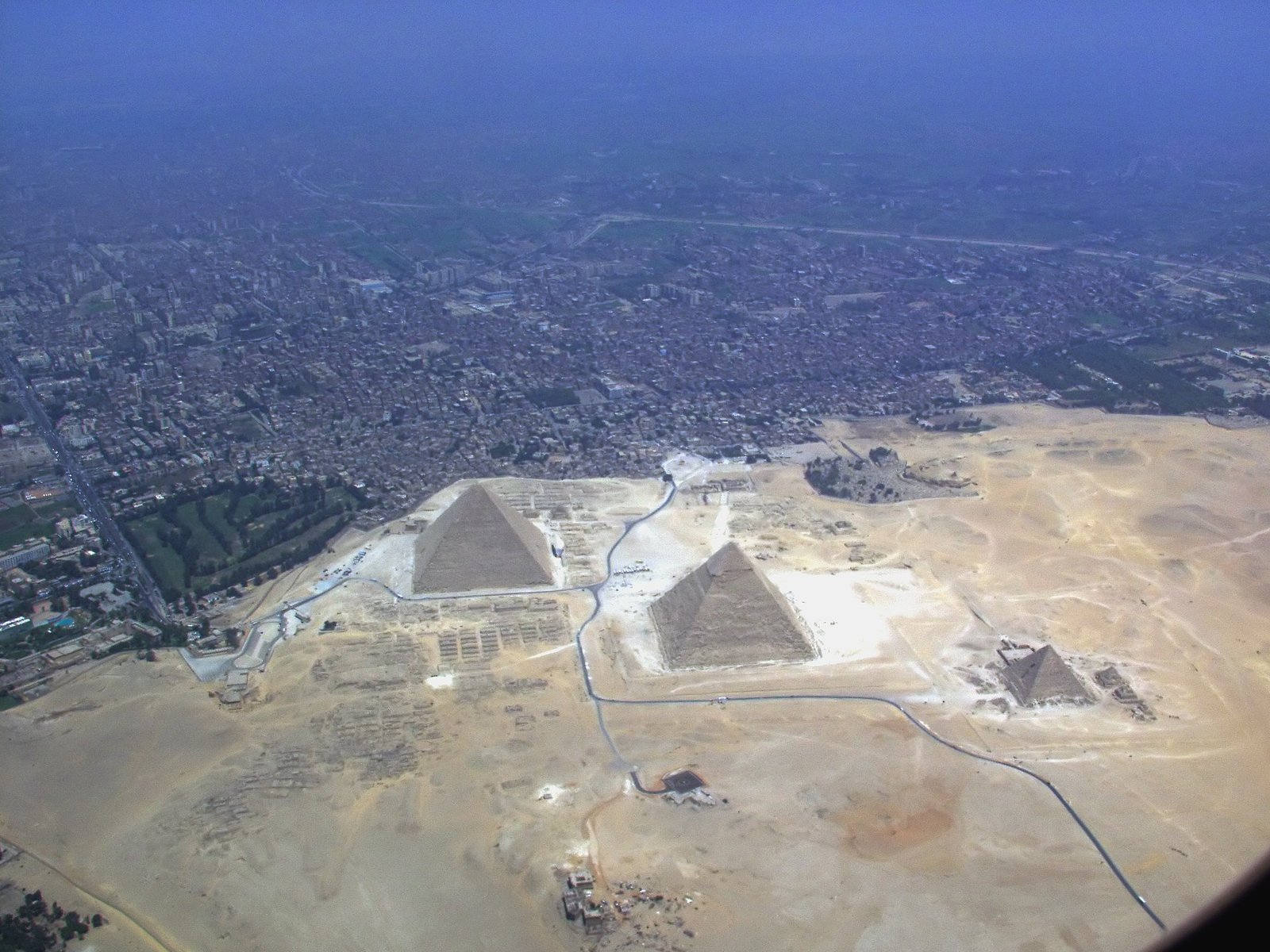
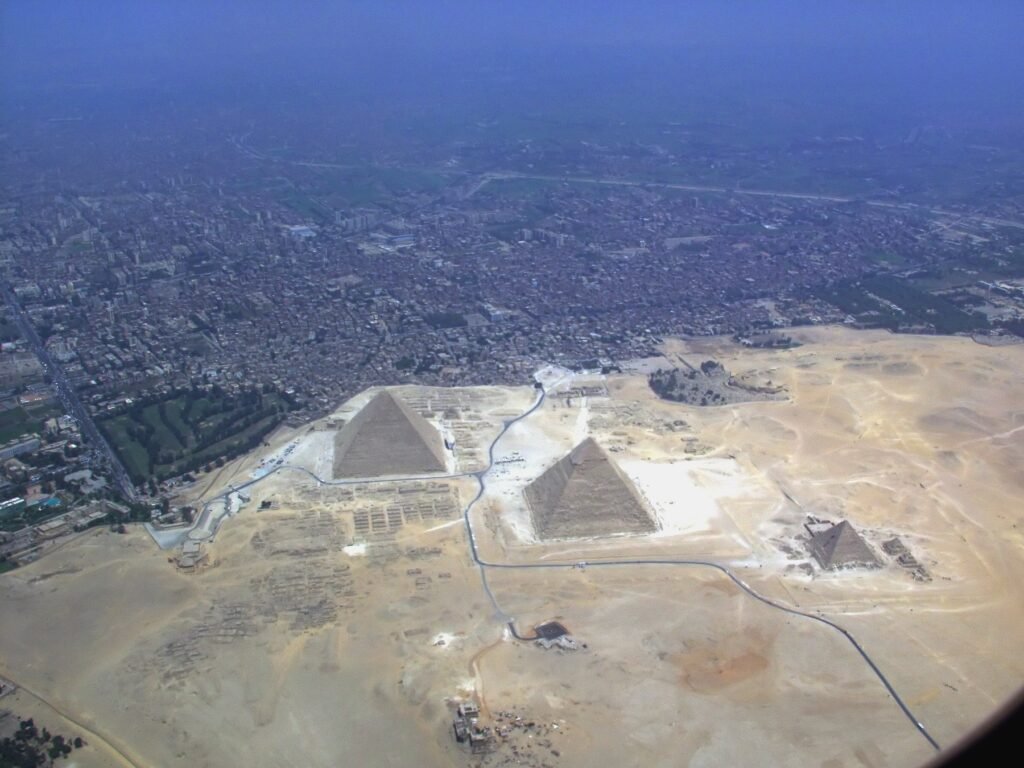
Egypt tours from the USA work best when a local agency takes over the moment you land
If you are planning an Egypt tour from the USA, the split is simple. You book your own flight to Egypt, and we take over the moment you land in Cairo: an Explora Egipto representative meets you inside the terminal, walks you through the arrival visa, and puts you in our car to the hotel. From there the whole trip is ours: Egyptologist guides, private vehicles, hotels, the Nile cruise, domestic flights to Luxor or Aswan, monument tickets and the airport run home. US travelers usually come for 8 to 12 days around Thanksgiving, winter break or spring break. Below is what to expect on the ground, from jet lag to tipping, and how the quote works.
What Explora Egipto covers from the moment you land
Think of the trip as two pieces. Getting yourself to Cairo is yours. Everything on Egyptian soil is ours, in this order.
- Airport meet. A representative with your name on a sign is waiting inside Cairo International, before passport control where the airport allows it. He helps with the visa sticker and walks you out to the vehicle. Our Cairo airport arrival guide shows what the terminal looks like at 3 a.m.
- Transfers. Private, air-conditioned vehicle with our own driver, from the airport to the hotel and between every visit and airport on the itinerary.
- Guides. A licensed, English-speaking Egyptologist in Cairo and a second one in Luxor and Aswan. Ours, not subcontracted for the day.
- Hotels. Four and five star properties we know room by room, with a pyramid-view option in Giza and a Nile-view option downtown.
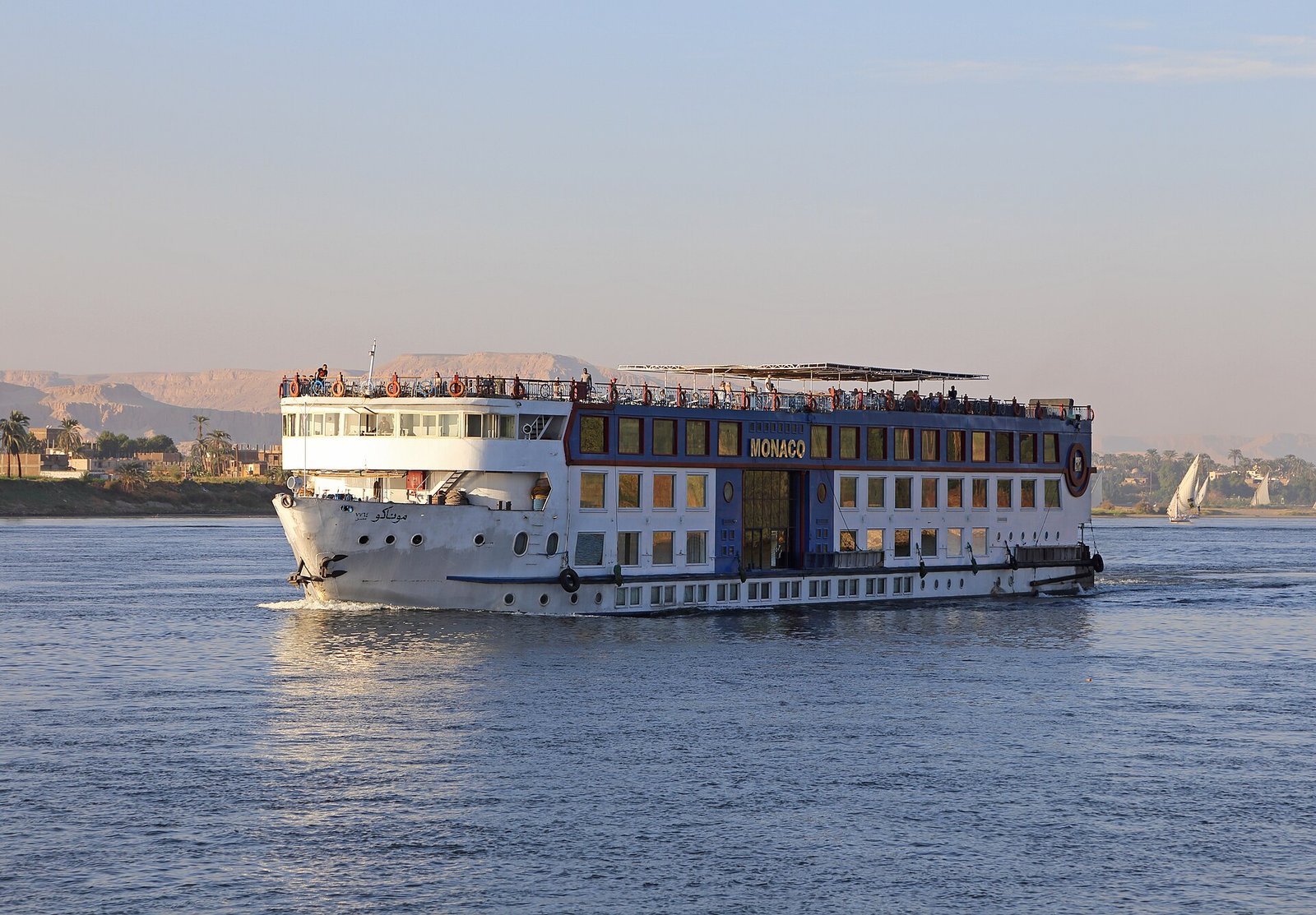
- Nile cruise. Three or four nights between Luxor and Aswan on a boat we have inspected, with meals aboard and a guide for every temple stop.
- Domestic flights. Cairo to Luxor, Aswan to Cairo, or Cairo to Hurghada when the program calls for it. We book them, we hold the tickets, we get you to the gate.
- Tickets. Every monument and museum on the plan, bought in advance so you never stand in a ticket line.
If a museum changes its closing day or a domestic flight moves, the person who fixes it is in Egypt, not in a call center.
What stays on your side of the Atlantic
We are a ground operator, so three things are yours, and we would rather say it here than surprise you in the quote.
- Your flight to Egypt. We do not sell, book or advise on it. You have more room than we do to pick an airport, use miles and choose times that suit your family. Once you have the ticket, send us the arrival and departure times and we build the itinerary around them.
- Travel insurance. Buy a policy that covers medical care abroad before you leave.
- Your passport and visa. Six months of validity from the day you enter Egypt. The visa is covered next.
Everything else, from the airplane door opening in Cairo to it closing on the way home, is on our side.
Visa and passport for US citizens, in plain words
US passport holders can obtain a tourist visa on arrival at Cairo International, or apply for an e-visa online before the trip. The arrival visa is a sticker bought at a bank counter just before passport control, and our representative walks you to that counter and then to the immigration line, so it takes minutes rather than an hour of guessing.
Two details matter. The visa follows your passport, not your address: if you live in the US but travel on a Mexican, Colombian or other passport, the rule may differ, and we check your case before you fly. And keep a printed hotel confirmation in your carry-on; immigration rarely asks, but when they do, you want it in hand.
Procedures change from season to season, so we send you the current steps the week before you travel. The full picture is in our guide to Egypt visa requirements.
Time zone, jet lag and why day one should be soft
Egypt sits roughly seven hours ahead of the East Coast and ten hours ahead of the West Coast, give or take an hour around the daylight-saving switches. Most US travelers land in Cairo late at night or at dawn, awake for the better part of a day.
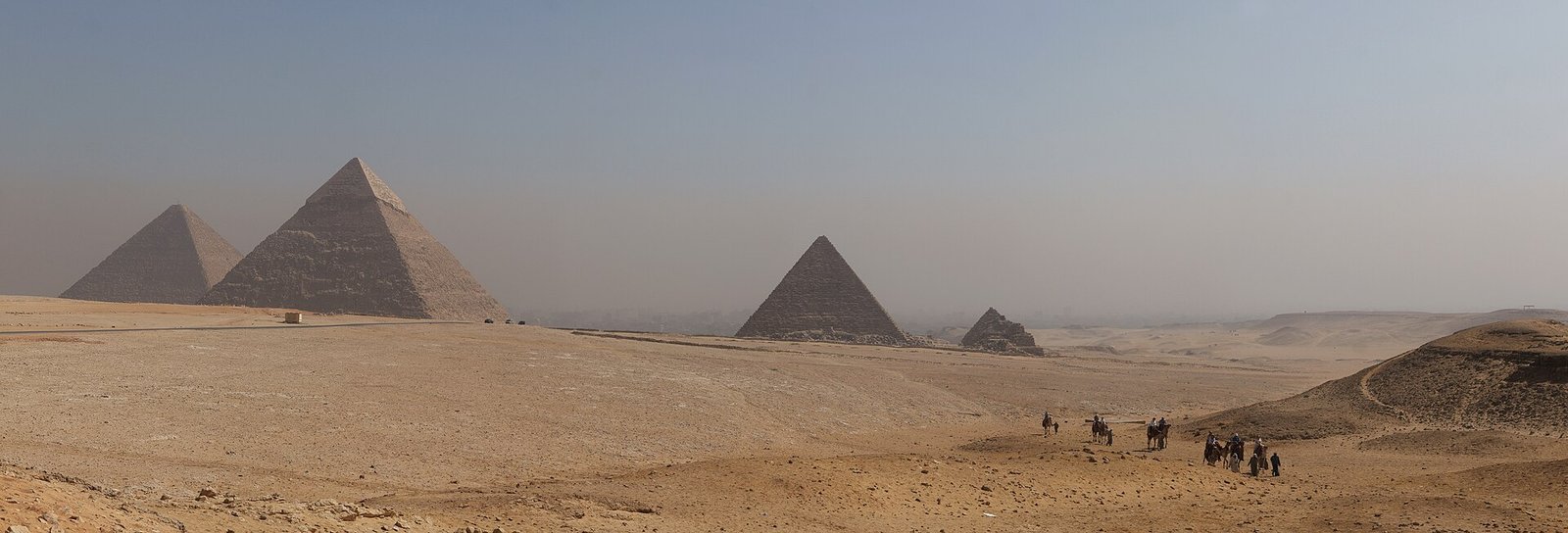
The mistake we see every week is scheduling the Pyramids for the morning after arrival. Giza at sunrise deserves a person who is actually awake. Our standard is a soft first day: sleep until you wake naturally, a short walk in Zamalek or on the Citadel terraces, a felucca hour on the Nile at sunset, dinner by 8 p.m. and lights out early. The big sites start on day two, and by day three the body has switched to Cairo time.
On the way home, leave breathing room between your last domestic flight and your departure from Cairo. If you dived in the Red Sea, respect the no-fly interval your dive center gives you.
Best months for US school-holiday windows
Most American families travel when school lets them. Here is how each window plays out, with the temperatures you will feel in Luxor, always hotter than Cairo.
| US window | Egypt weather | Our verdict |
|---|---|---|
| Thanksgiving week (late November) | Mid 70s F (about 24 C) in Luxor, cool evenings in Cairo | The best family week of the year. Book the cruise early, everyone else has the same idea. |
| Winter break (late December to early January) | Low 70s F (about 22 C) by day, jackets at dawn in the Valley of the Kings | Peak season. Perfect weather, busiest sites. We start visits at opening time to beat the buses. |
| Presidents Day and mid-winter break (February) | Around 75 F (24 C) in Luxor, fresh in Cairo | Quietly excellent. Fewer crowds than December, same light. |
| Spring break (March to mid April) | 80s F (27 to 32 C), occasional dusty khamsin wind | Warm and lively. Pack a scarf for the wind and start early. |
| Summer (June to August) | Well over 100 F (40 C) in Luxor and Aswan by noon | Doable with early starts, pool afternoons and a Red Sea finish. |
| Labor Day and September | Mid 90s F (35 C), dropping week by week | Still hot in the south. October is the sweet spot if you can wait. |
If your dates are flexible, our guide to the best time to visit Egypt goes month by month. If they are not, tell us the window and we shape the days around the heat and the crowds.
Safety in practical terms
The tourist circuit of Cairo, Giza, Luxor, Aswan and the Red Sea resorts is well policed and heavily visited, and the everyday risk there is traffic, not crime. Egyptian drivers treat lanes as suggestions, which is one reason every transfer on our trips is in our own vehicle with our own driver.
- You are never alone at a site. A guide who speaks the language handles the vendors, the ticket checks and the occasional police checkpoint.
- Pickpocketing exists in crowded markets like Khan el Khalili, as in any big city. Front pockets, zipped bags.
- Women get more attention in the street than at home. It is verbal and tiresome rather than dangerous, and it drops to almost nothing with a guide beside you.
- Tap water is not for drinking. Bottled water is everywhere and our vehicles carry it.
- Enroll with the State Department's traveler program before you leave.
Our longer piece on whether Egypt is safe for tourists covers the Sinai, the Western Desert and where we simply do not take clients.
Money, cards, phone and eSIM for Americans in Egypt
Egypt runs on a mix of cards and cash, and you need both. Hotels, cruise boats, larger restaurants and the better shops take Visa and Mastercard, and tap-to-pay is spreading fast in Cairo. Everything smaller, from a bottle of water at a temple gate to a carriage ride in Luxor, is cash in Egyptian pounds.
- Tell your bank you are traveling so the first ATM withdrawal in Cairo is not declined.
- Use ATMs attached to bank branches or inside hotels, and take out enough for two or three days at a time.
- Bring some clean, newer US bills as a backup. Exchange offices are picky about torn or marked notes.
- Keep small Egyptian notes separate for tips and bathrooms; nobody has change for a large bill.
Your phone in Egypt
Your US phone will work, and the question is only how you pay for it. Your carrier's international day pass is zero effort and fine for a week of maps and messages. An eSIM installed at home and switched on in the airport taxi is what most of our American clients do now. A local SIM from the arrivals hall gives the strongest signal on the Nile and needs an unlocked phone. Our guide to a SIM card and mobile internet in Egypt compares the networks.
WhatsApp is how Egypt talks, and it is how you talk to us during the trip, in the group chat we open with your guide and driver. Signal drops on the river between Edfu and Kom Ombo and inside the deeper tombs, so download your maps before the cruise.
Tipping culture, explained for a US traveler
Americans arrive already comfortable with tipping, which is a head start. The Egyptian version, called baksheesh, is smaller in size and wider in reach. A tip is expected by the person who carries a bag, opens a tomb gate or hands you a paper towel in a bathroom, and by the guide, the driver and the cruise crew at the end of their time with you.
The rhythm is small notes, often, given with a smile and without ceremony. Nobody is offended if you decline a service you did not ask for. Three habits make it painless:
- Break large bills into small ones at the hotel on day one.
- Let the guide handle the tips at monuments; he knows who actually did something.
- Give the guide and driver their tip on the last day, and the cruise crew through the box the boat provides.
Our page on tipping in Egypt covers who, when and how.
Sample 8 and 10 day trips from the US
Eight days is the shortest trip we recommend from the US, because jet lag eats the first day. Ten days adds Abu Simbel and breathing room. Both start and end in Cairo with a domestic flight to Luxor and another back from Aswan.
| Day | 8 day classic | 10 day complete |
|---|---|---|
| 1 | Land in Cairo, meet, transfer, rest | Land in Cairo, meet, transfer, rest |
| 2 | Giza Pyramids, Sphinx, Saqqara, Memphis | Giza Pyramids, Sphinx, Saqqara, Memphis |
| 3 | Grand Egyptian Museum, Citadel, Khan el Khalili | Grand Egyptian Museum, Citadel, Khan el Khalili |
| 4 | Fly to Luxor, Karnak and Luxor temples, board the cruise | Islamic Cairo and Coptic Cairo, evening sound and light show |
| 5 | Valley of the Kings, Hatshepsut, Colossi, sail to Edfu | Fly to Luxor, Karnak and Luxor temples, board the cruise |
| 6 | Edfu and Kom Ombo temples, sail to Aswan | Valley of the Kings, Hatshepsut, Colossi, sail to Edfu |
| 7 | High Dam, Philae, felucca, fly to Cairo | Edfu and Kom Ombo temples, sail to Aswan |
| 8 | Transfer to the airport, fly home | High Dam, Philae, Nubian village |
| 9 | Abu Simbel at sunrise, fly to Cairo | |
| 10 | Transfer to the airport, fly home |
The 8 day version is our Egypt classic tour of 8 days, and the 10 day version is the Egypt tour of 10 days through Cairo, Luxor and Aswan. Both bend to your flight times and hotel level. With 12 days we add Alexandria or three nights on the Red Sea.
Why a local agency instead of a US tour operator
Every Egypt tour sold in the US is delivered on the ground by an Egyptian company. The question is whether you talk to that company directly or through a layer in between.
| What matters | US tour operator | Explora Egipto, local agency |
|---|---|---|
| Who plans your days | A product team packaging one route for a catalog | The people who will drive, guide and meet you |
| Guides and vehicles | Subcontracted per departure from a ground handler | Our own Egyptologists and our own fleet, the same faces all week |
| Group size | Coach groups of 20 to 40 on fixed departures | Private for your party, or a small group when you ask for one |
| Changing the plan | Fixed once the brochure is printed | Swap a museum for a market the night before, we just tell the driver |
| When something goes wrong | A phone line in a US time zone | An office in Cairo and a guide at your side, on WhatsApp, on Cairo time |
| Your flight to Egypt | Sometimes bundled, sometimes not | Always yours to book, so you keep control of routing and miles |
None of this makes a US operator a bad choice. It means a middle layer, and most families prefer to talk to the person who will be standing next to them at Karnak.
How the quote works, step by step
There is no form and no account. It all runs on WhatsApp, in English, like this.
- You write. Approximate dates, number of travelers and their ages, the hotel level you like, and anything you especially want to see or avoid.
- We reply with a day-by-day proposal. Hotels and cruise named, domestic flights placed, every visit listed, and the quote at the bottom with what it includes.
- You edit. Add a night in Aswan, upgrade the boat, move the whole trip a week. We send a new version, usually the same day.
- You confirm. Then you book your flight to Egypt and send us the times.
- We build the arrival plan. Meet-and-greet time, the soft first day, the visa steps for the week you land.
Ask us for the quote whenever you are ready.
Frequently asked questions
Do you book my flight from the US to Egypt?
No. Explora Egipto is a ground operator in Egypt, and your flight to Cairo is yours to book with whatever airport, airline and miles suit you. What we do is take your arrival and departure times and build the entire itinerary around them, including the airport meet on the way in and the transfer on the way out. Send us the times once you have them and the plan adjusts.
Do US citizens need a visa for Egypt?
Yes. A US passport holder gets a tourist visa either on arrival at Cairo International, at a bank counter before passport control, or as an e-visa applied for online before the trip. Our representative walks you to the counter and through immigration. The passport must be valid for six months from your entry date, and the rule follows the passport you carry, not the country you live in.
How many days do I need for a first Egypt trip from the US?
Eight days on the ground is the minimum that makes the long trip worthwhile: Cairo with the Pyramids and the museum, a domestic flight to Luxor, a Nile cruise to Aswan and a flight back. Ten days adds Abu Simbel and a slower rhythm, and twelve days lets you finish on the Red Sea or in Alexandria.
Is Egypt safe for American tourists?
The tourist circuit of Cairo, Luxor, Aswan and the Red Sea resorts is heavily visited and well policed, and on our trips you are with a guide and a private driver throughout. The everyday risks are traffic and the occasional pickpocket in a crowded market, not violent crime. Enroll with the State Department before you leave, drink bottled water, and follow the guide's lead at checkpoints.
Will my US credit card and phone work in Egypt?
Both will. Visa and Mastercard are accepted at hotels, cruise boats and larger shops, with cash in Egyptian pounds for small purchases and tips. Tell your bank you are traveling before your first ATM withdrawal. Your phone works through your carrier's international plan, an eSIM installed at home or a local SIM from the airport, and WhatsApp is how you reach your guide all week.
How do I get a quote for an Egypt tour from the USA?
Write to us on WhatsApp with your approximate dates, the number of travelers, the hotel level you prefer and what you most want to see. We answer with a day-by-day proposal and the quote for it, with inclusions spelled out. You change whatever you like, we resend, and when the plan feels right you confirm and then book your flight to Egypt around it.
Land in Cairo and let the rest be ours
Tell us your dates, who is traveling and the school break you are working around, and we come back with a day-by-day plan built for a traveler crossing the Atlantic: a soft first day, the Pyramids when you are awake, and the airport run timed to your flight home. No prices on this page, just a quote in your inbox.