A seven day Egypt itinerary splits the week in two. Three days in Cairo cover the Giza pyramids, the Sphinx and the great museum. The remaining four run south on the Nile between Aswan and Luxor, taking in Philae, Kom Ombo, Edfu, Karnak and the Valley of the Kings. One domestic flight is what holds the week together.
Seven days is the shortest window in which Egypt stops feeling like a highlights reel. With four or five you have to choose between the pyramids and the temples, and whichever you drop is the one you will think about afterwards.
The split that works is three days in Cairo and four in the south. Cairo holds the pyramids, the Sphinx, the museums and the old city. The south holds the river and almost every standing temple worth the journey.
If you are still weighing up length, read how many days you need in Egypt before locking in dates.
Here is the shape of the week before the day by day. The nights on the boat are what people most often misjudge, so they are explicit.
| Day | Where you sleep | What you see | Time on the move |
|---|---|---|---|
| 1 | Cairo | Giza plateau, Sphinx, panorama point | Transfer, then 45 minutes to Giza |
| 2 | Cairo | Museum, Citadel, Coptic Cairo, Khan el-Khalili | City traffic only |
| 3 | Cruise boat at Aswan | High Dam, Philae, a felucca | Domestic flight, roughly 90 minutes |
| 4 | Cruise boat, sailing | Kom Ombo and Edfu | Most of the day under way |
| 5 | Cruise boat at Luxor | Karnak and Luxor Temple | Short drives on the east bank |
| 6 | Cruise boat or Luxor hotel | Valley of the Kings, Hatshepsut, Colossi of Memnon | A half day on the west bank |
| 7 | Departure | A free morning if timings allow | Domestic flight, Luxor to Cairo |
Run it the other way, Luxor first and Aswan last, and the same week works. The order comes down to which sailing dates are open.
One day shorter? The Egypt in 6 days itinerary shows what to trim.
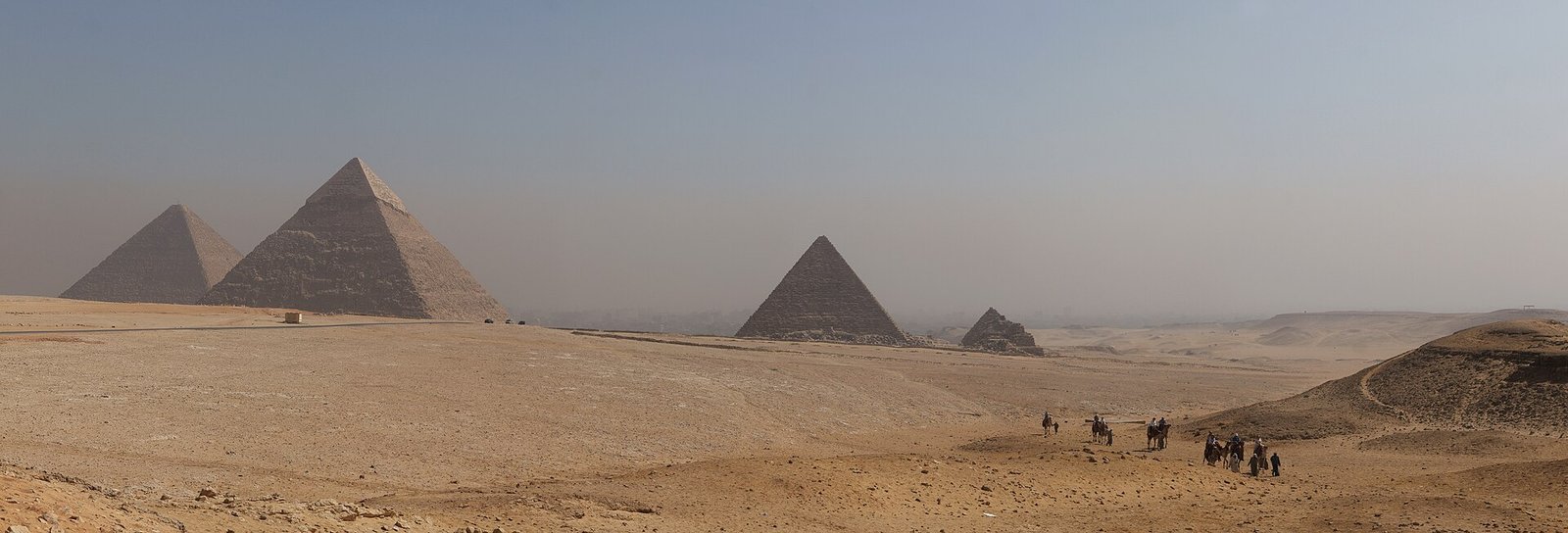
If you land in the morning or around midday, do not spend the afternoon in the hotel. The Giza plateau is about 45 minutes from the center, and nothing prepares you for the scale.
An afternoon covers the three main pyramids of Khufu, Khafre and Menkaure, the Sphinx and its valley temple, and the panorama point where all six structures line up. If you have the energy, buy the separate ticket to go inside one. The passage is low, narrow and hot and the chamber is bare, but standing in it stays with you.
Bring water, a hat and closed shoes, because the sand gets into everything. And take a qualified Egyptologist rather than whoever offers you a camel at the gate. If you land late at night, move Giza to the morning of day two.
Day two belongs to the city, and it starts with a choice of museum. The historic Egyptian Museum on Tahrir Square has the old cabinet of curiosities atmosphere. The Grand Egyptian Museum out by Giza is the modern one, built for the Tutankhamun collection.
Which objects sit where has shifted in recent years, so check what is on display when you travel. Our guide to the Grand Egyptian Museum and the page on the Tahrir Square museum set out what each does best.
In the afternoon, change centuries. Islamic Cairo gives you medieval mosques, the Citadel of Saladin and a view over the roofs. Coptic Cairo holds early churches and the Ben Ezra synagogue.
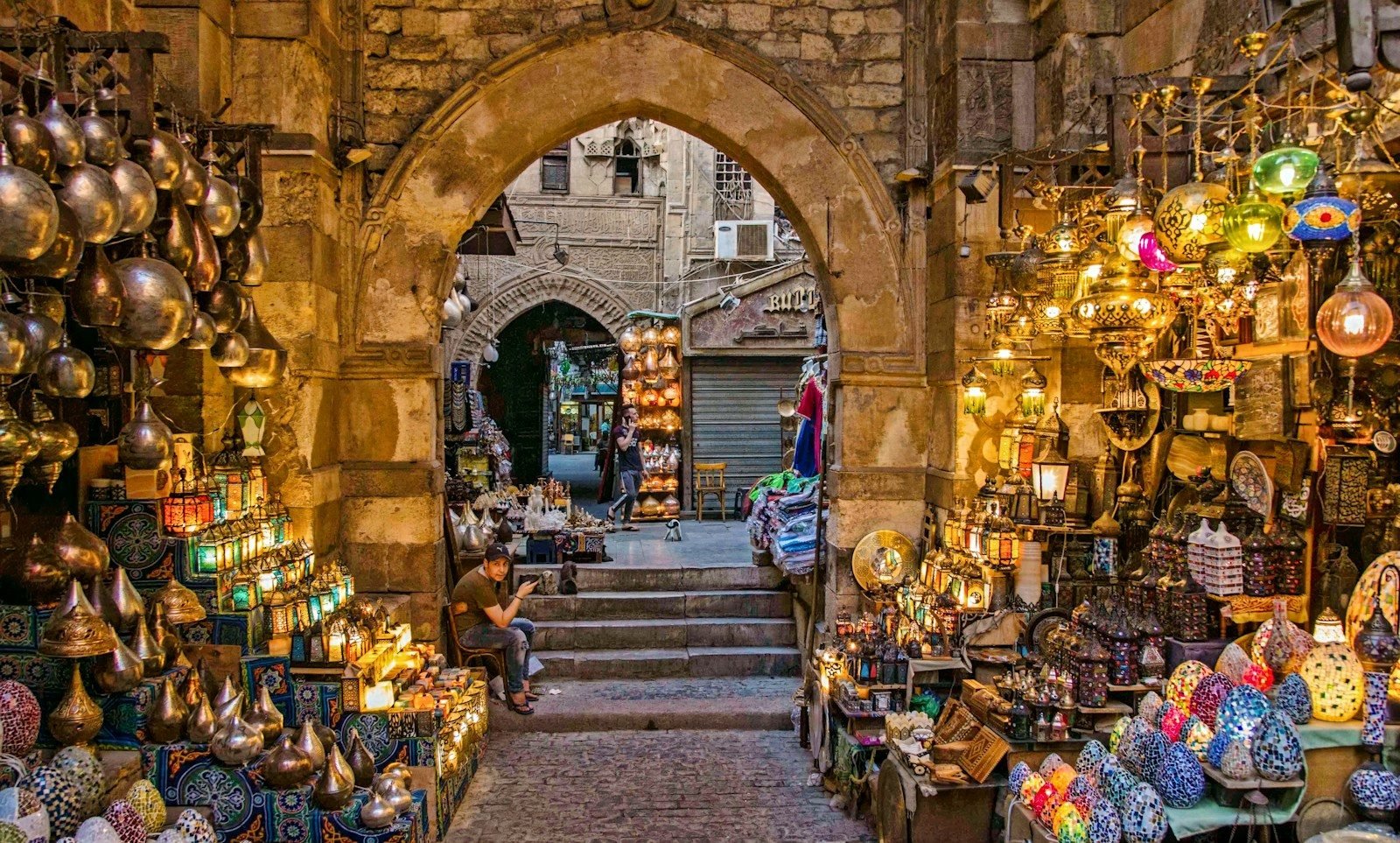
Finish in Khan el-Khalili as the lamps come on. Copper, spices, hibiscus tea and cheerful haggling, which our notes on haggling in Egypt will make less awkward. Then an early night, because tomorrow starts before dawn.
An early domestic flight takes you from Cairo to Aswan. The air is drier, the light harder and the pace slower. Plenty of travelers come home saying Aswan was their favorite stop.
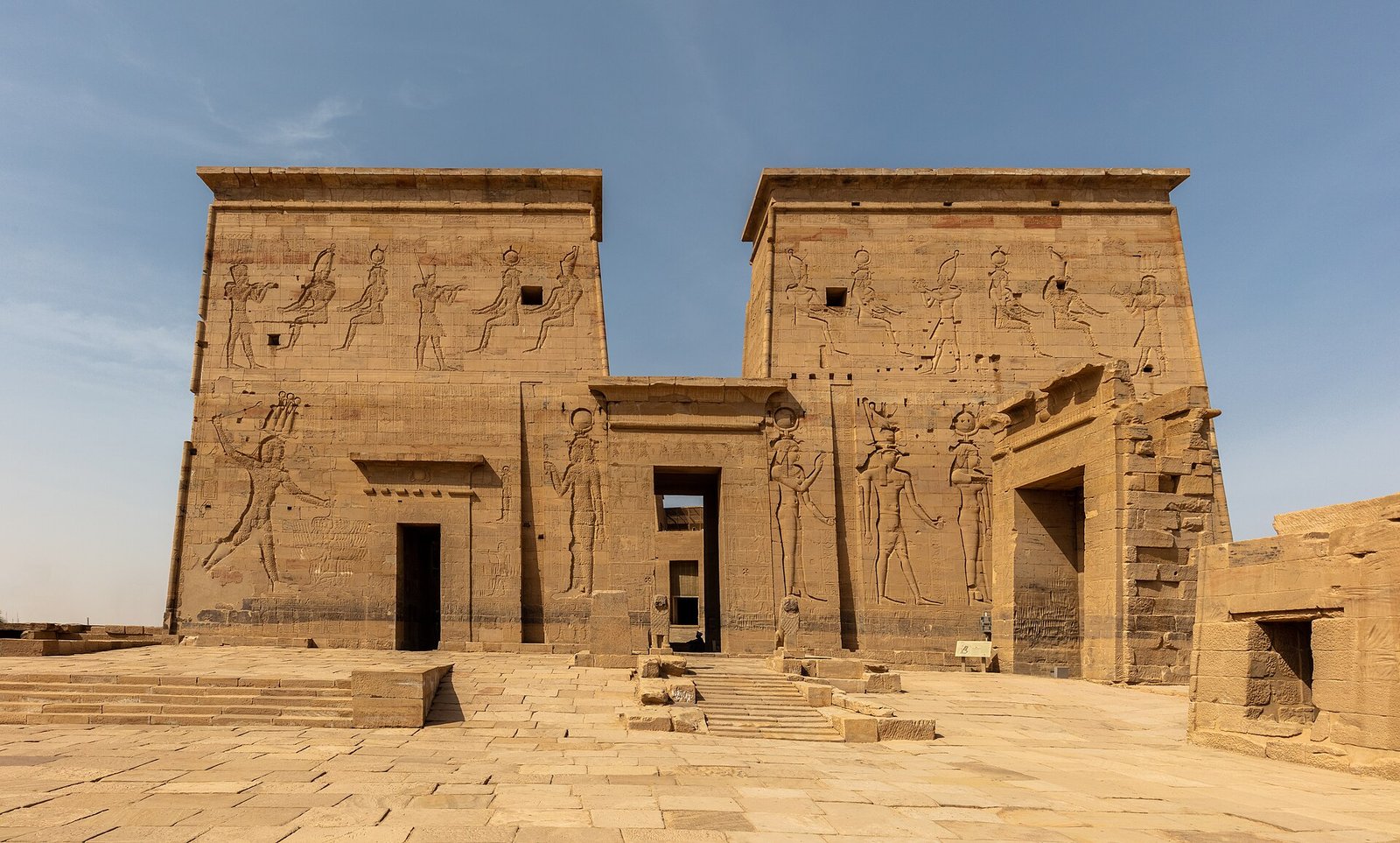
The morning usually takes in the Aswan High Dam, then the one that matters: the Temple of Philae, dedicated to Isis, dismantled and rebuilt block by block on the island of Agilkia after the water rose. You reach it by small boat, and it appears out of the water looking staged.
Late afternoon is for a felucca, the traditional lateen rigged sailing boat, tacking around Elephantine Island while the sun drops behind the dunes. No engine, no commentary.
Your boat becomes your hotel for the next few nights. The guide to the Nile cruise between Aswan and Luxor has the detail.
This is the quietest day of the week and, oddly, the one people talk about most afterwards. The boat casts off and the Nile goes past: palm groves, children waving from the banks, buffalo in the shallows, white egrets.
Mid afternoon the boat ties up at Kom Ombo, unusual among Egyptian temples because it is a double one, split down the middle between Sobek the crocodile god and Haroeris the falcon. It sits at the water, so you walk up from the boat.
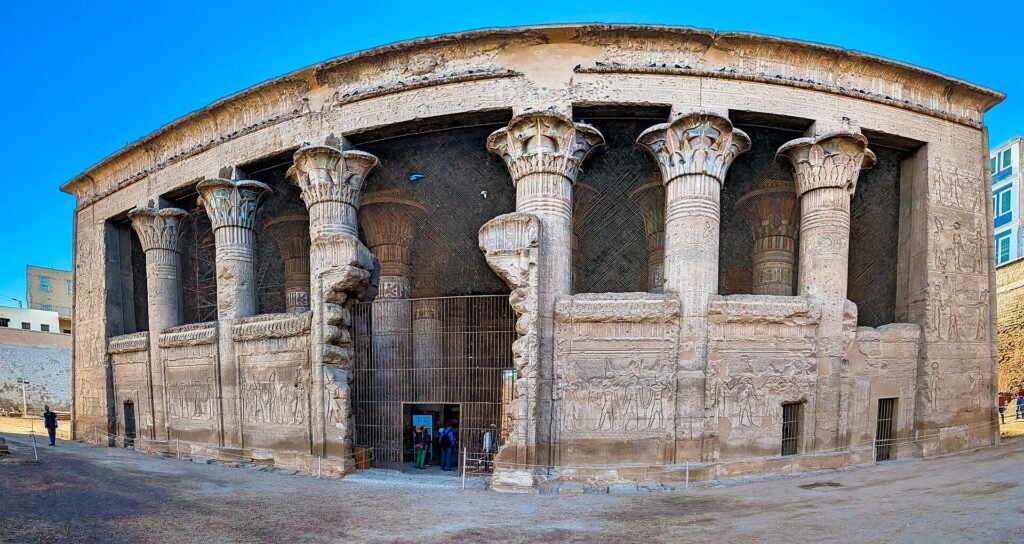
Edfu comes that evening or the next morning depending on the schedule. Its Temple of Horus is the best preserved in Egypt, roof and all, and the usual way in is by horse drawn carriage. Inside, it reads less like a ruin than like a building that was locked up one day.
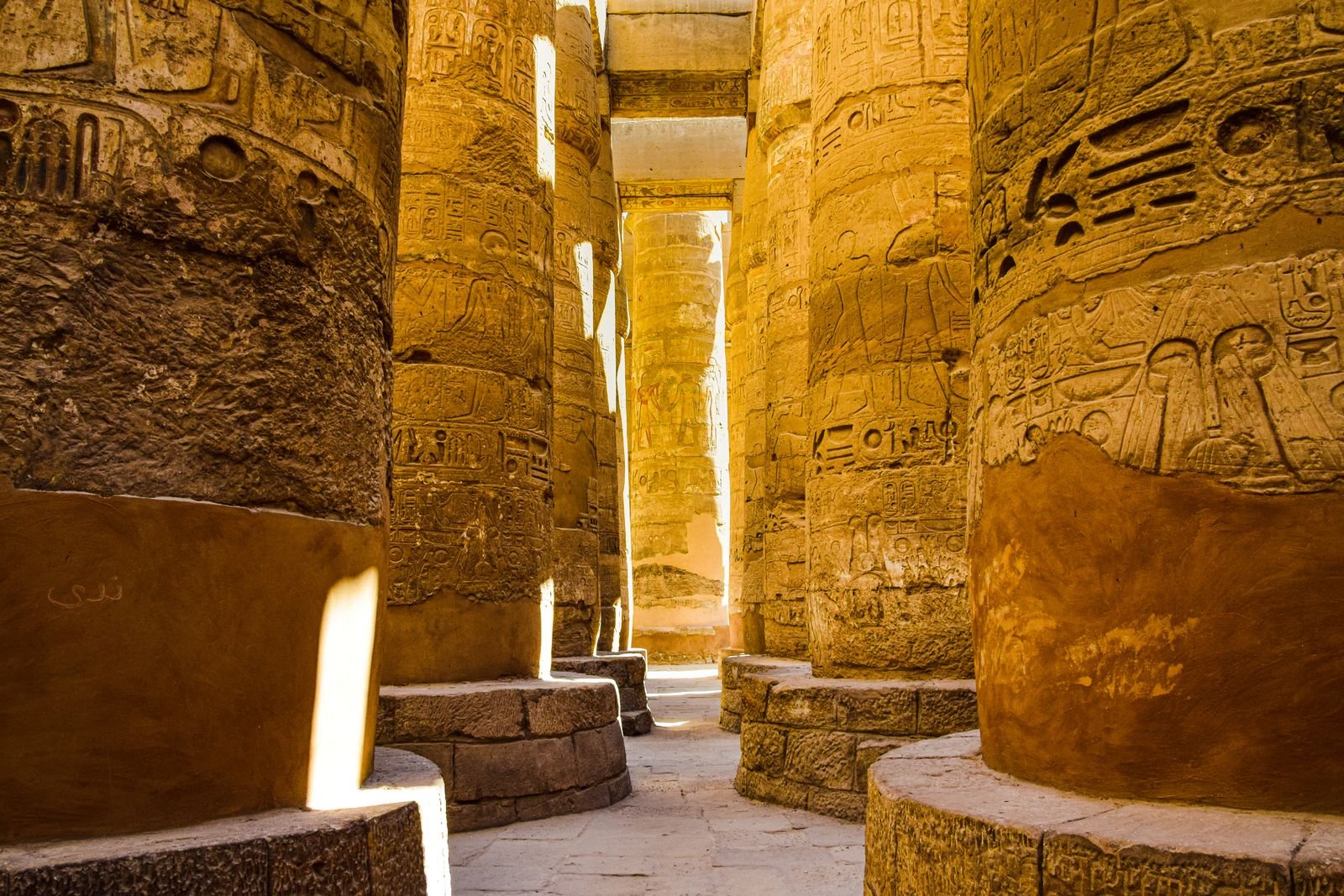
The boat reaches Luxor, ancient Thebes, capital of Egypt at the height of its power. The east bank, the side of the living, carries two enormous temples that between them absorb most of a day.
Karnak is the largest religious complex the ancient world built, added to by pharaoh after pharaoh across roughly two thousand years. Its hypostyle hall holds 134 columns so thick that several people cannot reach around one, and walking the central aisle is the most humbling few minutes of the week.
Luxor Temple works best after dark, floodlit and thinner of crowds. The avenue of sphinxes that once ran the roughly three kilometers between the two temples has been excavated along its length.
The Egypt tour packages show how these days combine with other routes, and Luxor excursions covers the rest.
You cross to the west bank, the side of the dead, where pharaohs stopped building visible tombs and hid them under a mountain. The Valley of the Kings is the centrepiece: dozens of tombs cut into rock, a handful open at any time, with painted ceilings whose colors have held for three thousand years.
The standard ticket admits you to a set number of tombs, with a few of the famous ones sold separately, and which are open changes for conservation reasons. Our page on Valley of the Kings tickets and tombs explains how it works.
Then the temple of Hatshepsut, the woman who ruled as pharaoh, its three terraces cut clean against a gold cliff at Deir el-Bahari. On the way you pass the Colossi of Memnon, two seated giants said in antiquity to sing at dawn.
Start early: by late morning the west bank is hot and shadeless.
The final day is shaped by your departure time. The usual pattern is to disembark in Luxor after breakfast and take the short domestic flight back up to Cairo, which leaves the rest of the day comfortable rather than tight.
A spare morning before the transfer is the moment for the shopping you skipped on day two: alabaster, spices, papyrus that is actually papyrus. You haggle better on day seven.
You leave with Cairo, the pyramids, the desert light at Aswan, five major temples and the navigable stretch of river between Aswan and Luxor.
One decision does more than any other to set whether these seven days feel spacious or frantic: flying between Cairo and the south rather than going overland. The flight to Aswan takes roughly 90 minutes. The overnight train covers the same ground in closer to thirteen hours.
That is not about comfort. It is about a whole day of sightseeing that either exists or does not. Take the train each way and two of your seven days become transit.
The sleeper train is genuinely enjoyable and we are happy to build it in, but it belongs in a nine or ten day trip. We handle the domestic flights inside Egypt as part of the itinerary, and they should be booked early.
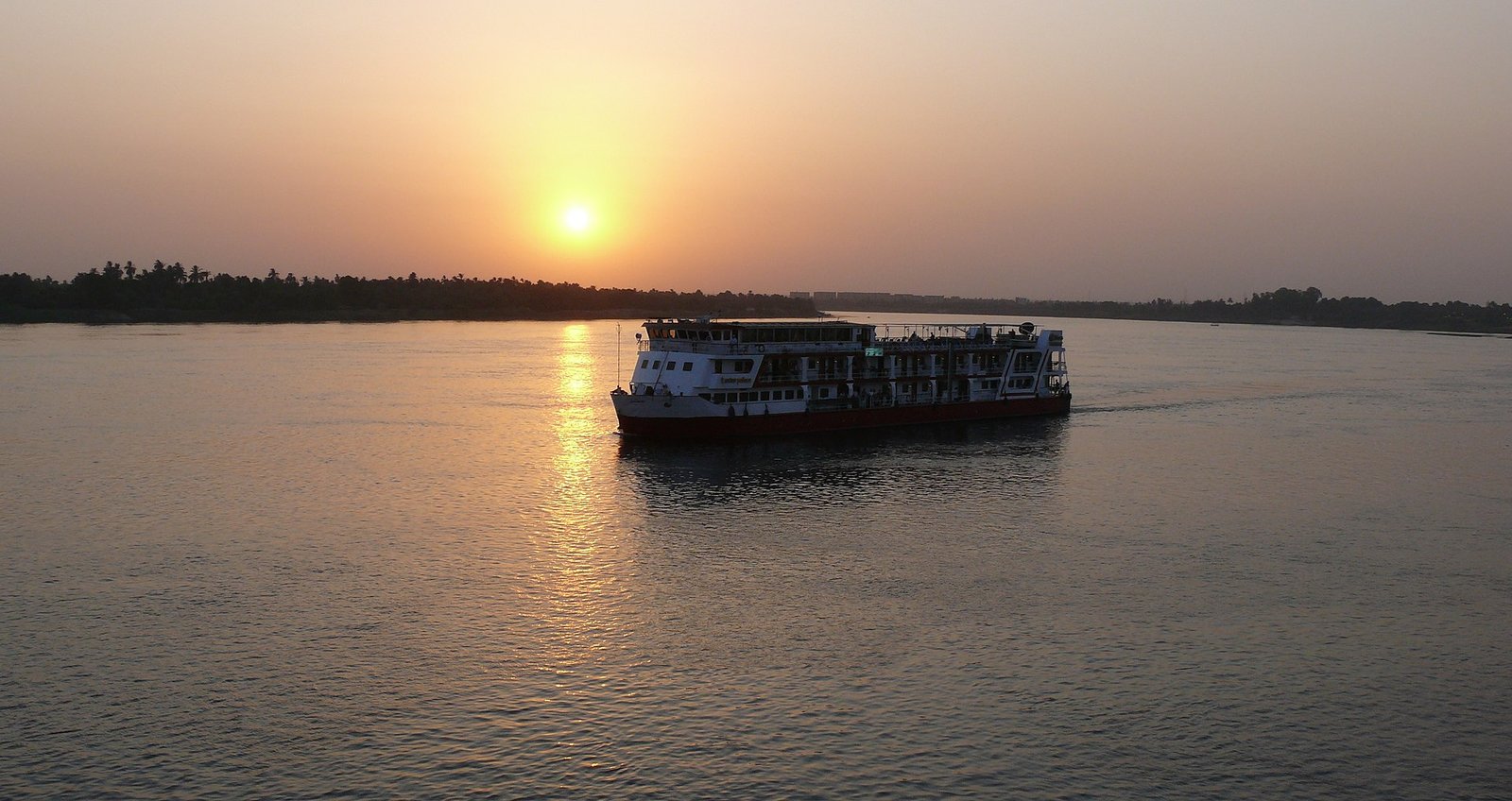
This is the real fork in a seven day plan. You can sleep on a boat that moves between the temples, or stay in hotels in Aswan and Luxor and drive. Both work, and they produce quite different weeks.
| What changes | Nile cruise | Hotels in Aswan and Luxor |
|---|---|---|
| Unpacking | Once, on day three | Twice, plus the road between |
| Reaching the temples | Kom Ombo and Edfu arrive at you | Kom Ombo and Edfu cost a road day |
| Daily schedule | Set by the sailing times | Yours, within reason |
| Evenings | On deck, usually moored | Out in a real town, with choice |
| Meals | Full board on the boat | You pick your own restaurants |
| Best for | A first visit to Egypt | A repeat visit, or fussy eaters |
| Weak point | Fixed timings, less freedom | You lose the sailing itself |
For a first trip we recommend the cruise almost every time. Waking up already moored beside the next temple is much of what makes the southern half memorable. How to choose a Nile cruise and the guide to types of Nile cruise boat cover the rest.
October to April is the comfortable half of the year. Sunny days, cool evenings, and temperatures that let you spend a full morning at Karnak without the heat making decisions for you. It is also the busy half, which is why boats and flights need booking further ahead.
July and August in the south are severe. Aswan and Luxor pass 40 degrees regularly, and the west bank tombs are hotter still. The week can be done in summer, but only with dawn starts and a long rest through the middle of the day.
May, September and early October sit in between: hot but manageable, with fewer people at the sites. The best time to visit Egypt and the notes on high and low season go month by month.
Things sell out in a predictable order, and getting it wrong forces a rebuild of the whole itinerary.
Seven days covers the classic route completely, which also means it excludes everything that is not on it. Better to know now than on day five.
If more than one of those calls to you, you want nine or ten days rather than seven, and we would rather say so now.
None of this is complicated, but all of it changes how the week feels.
Enough for the classic route, which is what most first time visitors mean by Egypt. Cairo with Giza and the museum, then a Nile cruise between Aswan and Luxor, covers the pyramids, the river and the major temples.
Two or three days in Cairo for Giza, the Sphinx, a major museum, Islamic and Coptic Cairo and Khan el-Khalili. Then three or four nights on the Nile: Aswan, Philae, Kom Ombo, Edfu and both banks at Luxor.
Yes, and on a week long trip it is close to essential. The flight takes around 90 minutes against roughly thirteen hours overland, and that saving becomes a full day of sightseeing in the south.
Both directions visit the same temples. Sailing north from Aswan to Luxor goes with the current and usually needs one night fewer, which suits a seven day plan. In practice the departure dates decide it.
For a first visit, the cruise. You unpack once, Kom Ombo and Edfu come to you rather than costing a road day, and the sailing is a large part of the experience. Hotels suit a repeat trip.
October to April, when days are sunny and evenings cool. July and August in Aswan and Luxor are severe, regularly above 40 degrees, and the week works then only with dawn starts and a long midday rest.
Only by sacrificing something else. It means a very early return trip from Aswan on the day you would otherwise see Philae and sail, or an extra night. Most travelers prefer to stretch to eight or nine days.
The cruise boat or the two southern hotels, because the sailing days fix every other date. Then the two domestic flights, your Egyptologist guide, and any separately ticketed tombs. Check your visa position early, since rules differ by nationality.
You can do it alone, but on a week this tight you lose time to logistics a guide absorbs, and the sites are close to unreadable without one. Karnak and the west bank are large and poorly signposted.
More than most people plan for. Expect several hours on your feet on the Cairo days and at Karnak, on uneven stone and sand, plus stairs and ramps in the tombs. Fine at moderate fitness in sensible shoes.
Let us build this week around you
We are a local agency based in Cairo, running our own trips rather than reselling. Send us your dates and how many are traveling, and you get a written itinerary with a clear list of what is included and what is not. First time enquirers get our best first trip conditions.
See the Egypt tour packages or read the reviews page.
Keep exploring