
A 4-star vs 5-star Nile cruise: what actually changes, and which one is right for you
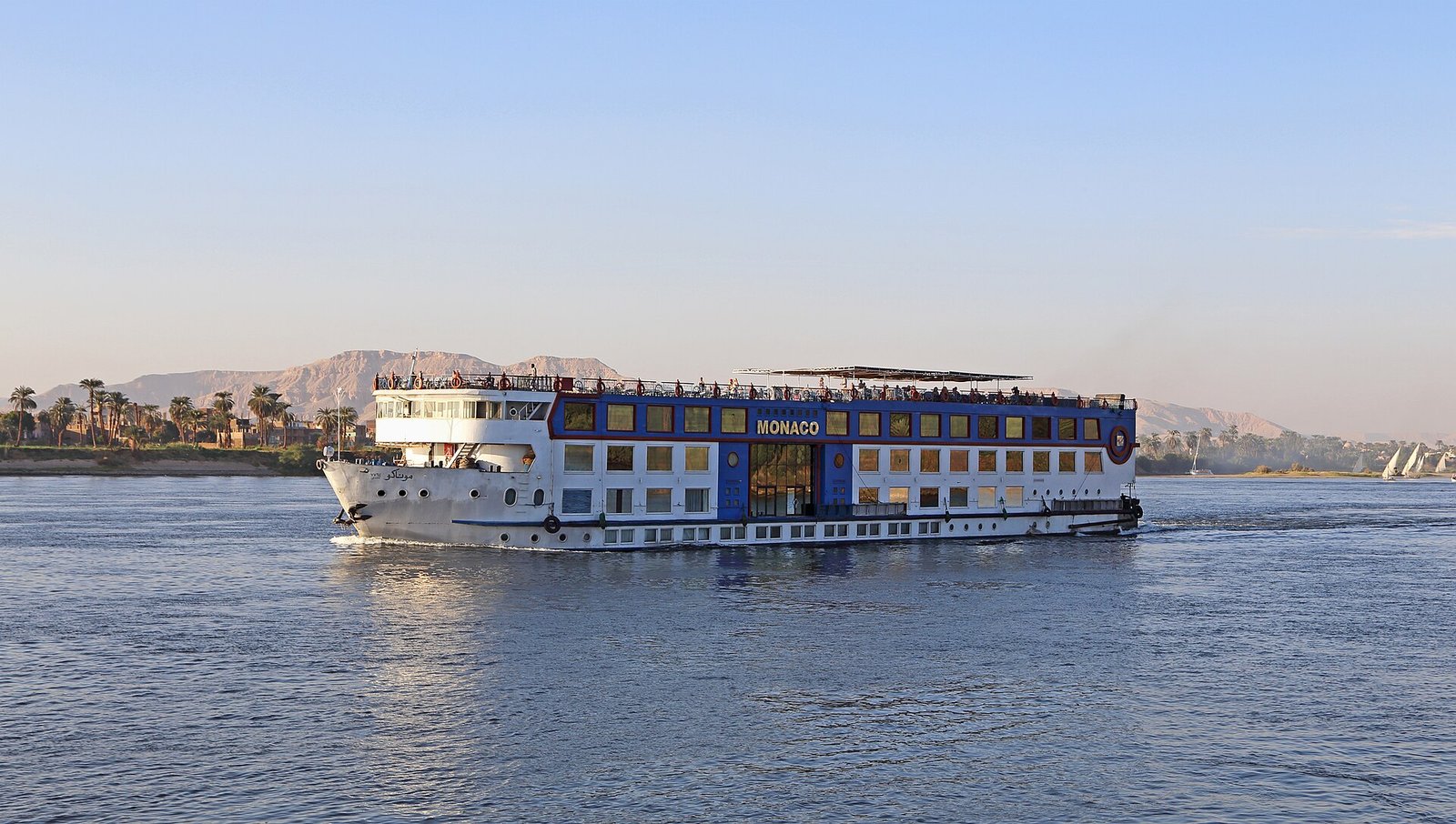
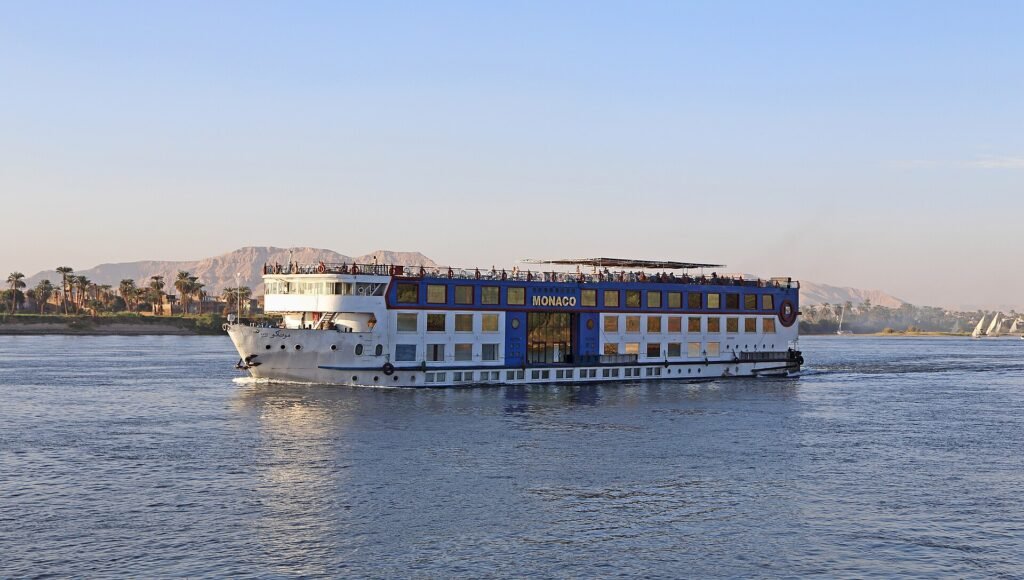
A 4-star vs 5-star Nile cruise: what actually changes, and which one is right for you
Both sail exactly the same stretch of the Nile and stop at exactly the same temples. What changes between a 4-star and a 5-star Nile cruise is the boat: how big your cabin is and whether it has a panoramic window or a balcony, the quality and range of the food, the pool and the sun deck, how old the vessel is, and how many people share each space. In Egypt the star rating is assigned by the cruise company itself, not by an independent body, so the name of the ship and the date of its last refit tell you more than the number. Here is how to choose without overpaying or selling yourself short.
First things first: the itinerary is identical
Before comparing anything, it helps to clear up the most common misunderstanding. A 5-star cruise does not visit more temples than a 4-star one. The classic route between Luxor and Aswan, in either direction, stops at the same places: the Valley of the Kings and Karnak in Luxor, the temple of Edfu, the temple of Kom Ombo and, on reaching Aswan, Philae and the High Dam. The star rating does not change the map, it changes the boat you sleep and eat on between visits.
That means the decision is not about seeing more or seeing less. It is about two levels of comfort on board for 3 or 4 nights. Once you know what you want from the boat, the choice becomes simple. For how the trip itself works, our Nile cruise page has the full picture.
What a star actually means on an Egyptian boat
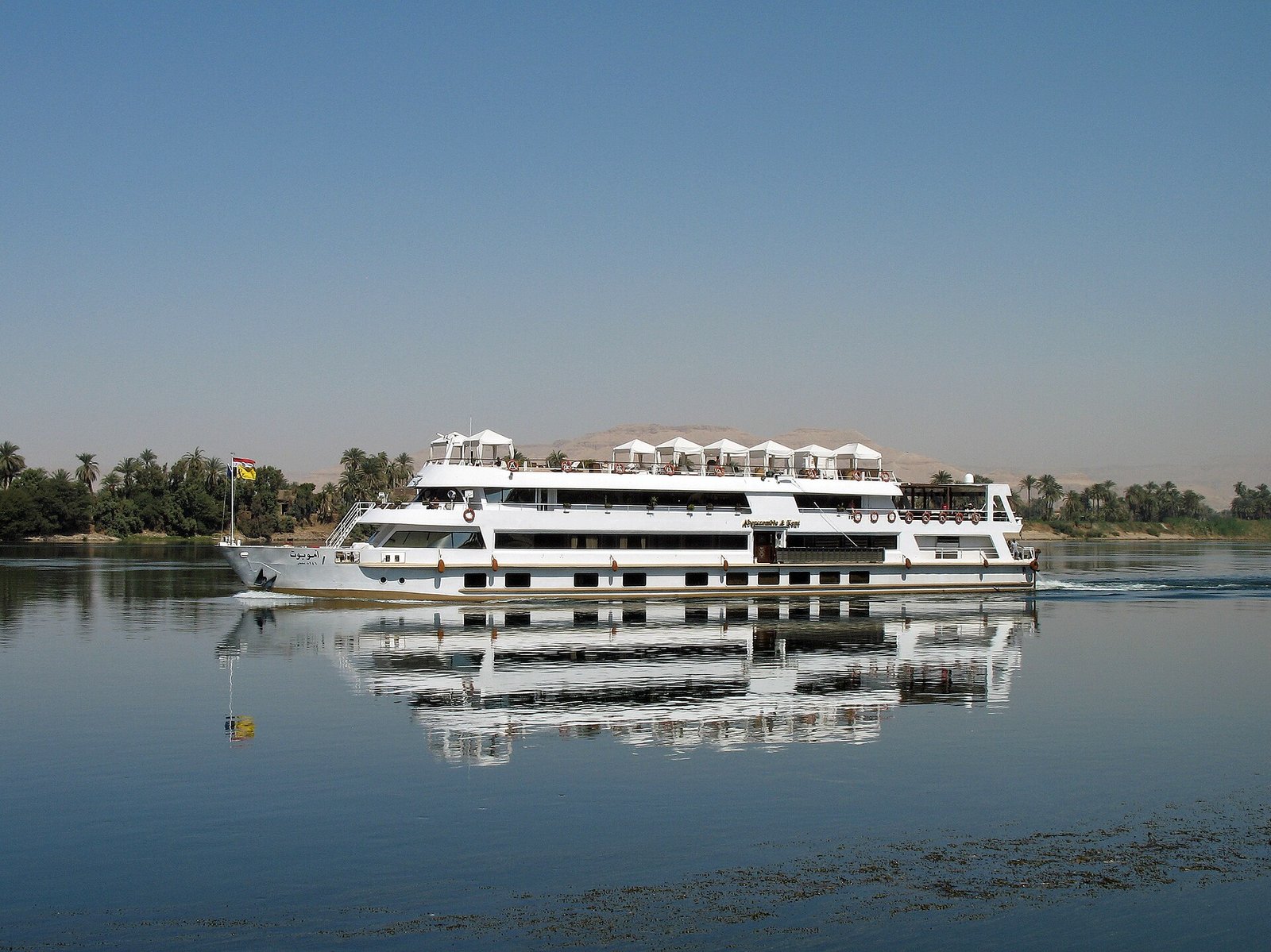
In a European hotel, the stars follow a standard. On Nile boats they do not. The category is declared by the cruise company, and no inspector comes round to check that a 5-star from 1998 still deserves the label. That is why the same badge covers freshly refitted ships with generous cabins and careful kitchens, alongside others that were luxury twenty years ago and barely pass today.
The practical consequence is that the star count is where the question starts, not where it ends. What really matters is the specific ship, the year of its last refit, and what people who sailed on it a few months ago have to say. We work with a small group of vessels we know one by one, which is why we can tell you which is in good shape right now, not which was when the stars were handed out.
The cabin: where you feel the difference most
If there is one place the jump in category shows every single day, it is the cabin. On a decent 4-star, cabins run around 14 to 16 square meters, with a window that on many boats does not open and sometimes sits at water level. It is clean and functional, and for sleeping and showering it does the job, but it is not a place you want to spend the afternoon.
On a current 5-star, cabins start at 18 to 20 square meters and gain a floor-to-ceiling panoramic window or, on the newest boats, a small private balcony. The difference between watching the Nile through a porthole and sitting with the door open as it slides past at sunset sums up what you are buying when you step up a category. If you are traveling as a couple or on the trip of a lifetime, this point alone usually settles it. For what to bring on board in either case, see our list of what to pack for a Nile cruise.
Food and service on board
Both levels run on full board with a buffet in the main dining room, so nobody goes hungry on either. The difference lies in variety, in the quality of the ingredients, and in how it is served. On a 4-star the buffet is decent and repetitive, with simple international dishes and some Egyptian cooking. On a 5-star there is more choice, live cooking stations, better bread and desserts, and on several ships an a la carte restaurant or a themed dinner on board.
Service follows the same logic. With more crew per passenger, on a 5-star they know your face by the second day, cabins are cleaned twice daily, and any request gets a faster answer. On a 4-star the staff are friendly but stretched, and you notice it at the breakfast rush or when everyone comes back from an excursion at once.
Sun deck, pool and shared spaces
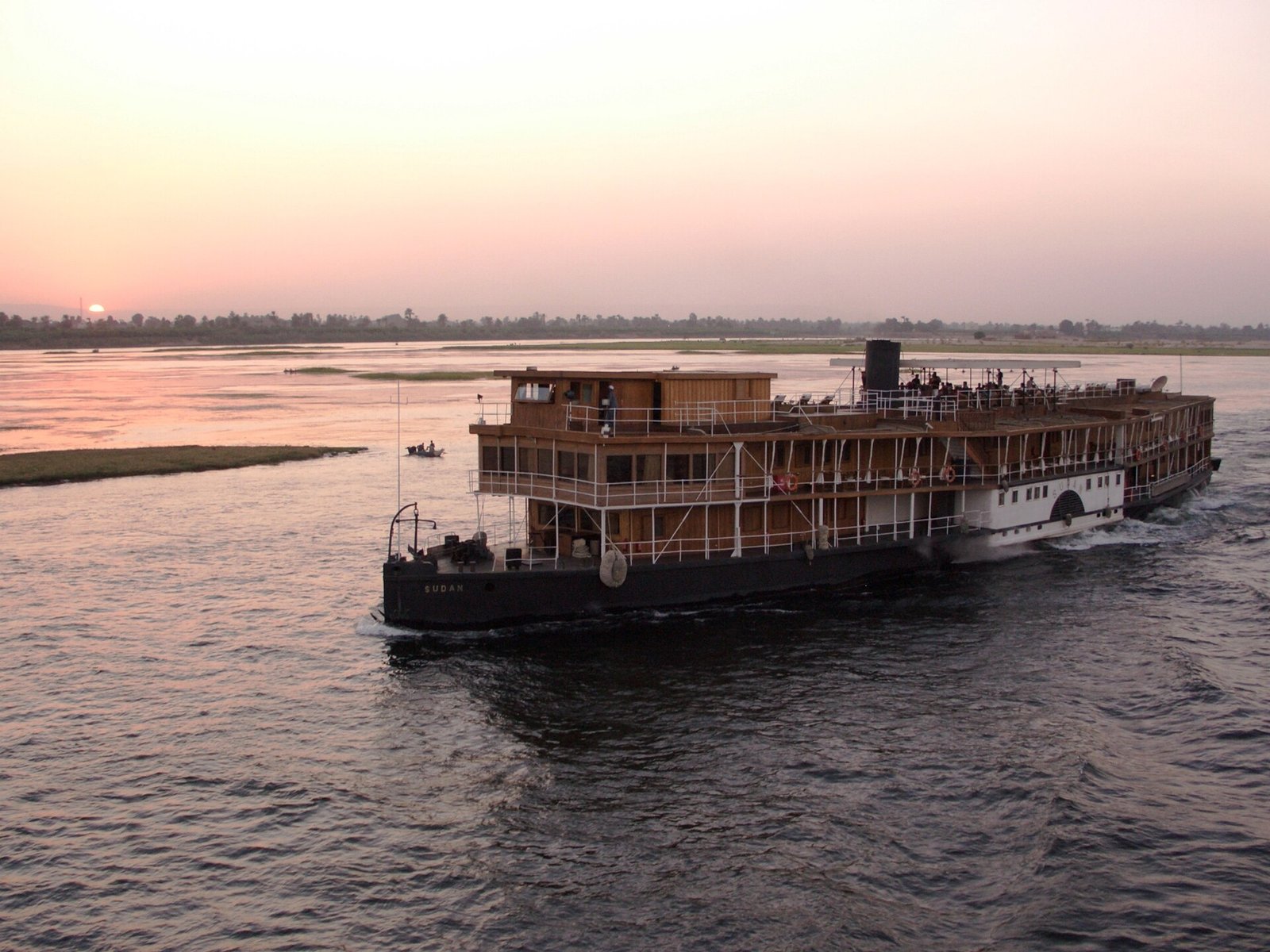
Almost every boat, 4-star or 5-star, has an upper deck with a pool. The difference is its size and how many people share it. On a 4-star the pool is small, more for cooling off than for swimming, and in the sunny hour after lunch the loungers run out fast. On a 5-star the deck is wider, there is more shade, the pool is larger and, above all, the space per passenger is far more generous.
Shared spaces follow the same pattern. A lounge bar with a view, a small gym and on some boats a spa with massages are common at the top level and rare in the middle. If your idea of a cruise includes whole afternoons on deck watching the banks go by, the 5-star earns its keep. If the boat is mainly where you sleep between temples, you will use that part of the price less.
The age of the boat matters more than the star
This is the point that changes people's minds most often once we explain it. A 4-star refitted two years ago can offer a better cabin, a better bathroom and better food than a 5-star that has gone fifteen years untouched. Stars do not expire in Egypt, but boats do age: the carpet, the air conditioning, the bathroom plumbing and the state of the buffet give it away quickly.
So when someone asks us whether the 5-star is worth the extra money, the honest answer is that it depends which 5-star and which 4-star. We always ask for the refit date before recommending a ship, and we would rather put you on a well-kept 4-star than a tired 5-star. For a description of the types of vessel sailing the river today, see our guide to Nile cruise ships.
4-star and 5-star, side by side
Stripped to the essentials, this is how the two categories compare when the boat is in good condition in both cases.
| What you are comparing | 4-star | 5-star |
|---|---|---|
| Temples and itinerary | The same | The same |
| Cabin | 14 to 16 m2, small window | 18 to 20 m2, panoramic window or balcony |
| Food | Decent buffet, limited range | Wide buffet, live cooking, sometimes a la carte |
| Pool and deck | Small pool, tight deck | Larger pool, more shade and space |
| Crew per passenger | Stretched | Generous, cabin cleaned twice daily |
| Extras | Lounge bar | Lounge, gym, sometimes a spa |
| Best for | Temples first, budget-conscious | Couples, special trips, people who live on the boat |
The price gap between the two is usually moderate relative to the total cost of the trip, because the excursions, the guide and the entrance fees weigh the same in both. Current ranges and what each includes are in our guide to the Nile cruise price.
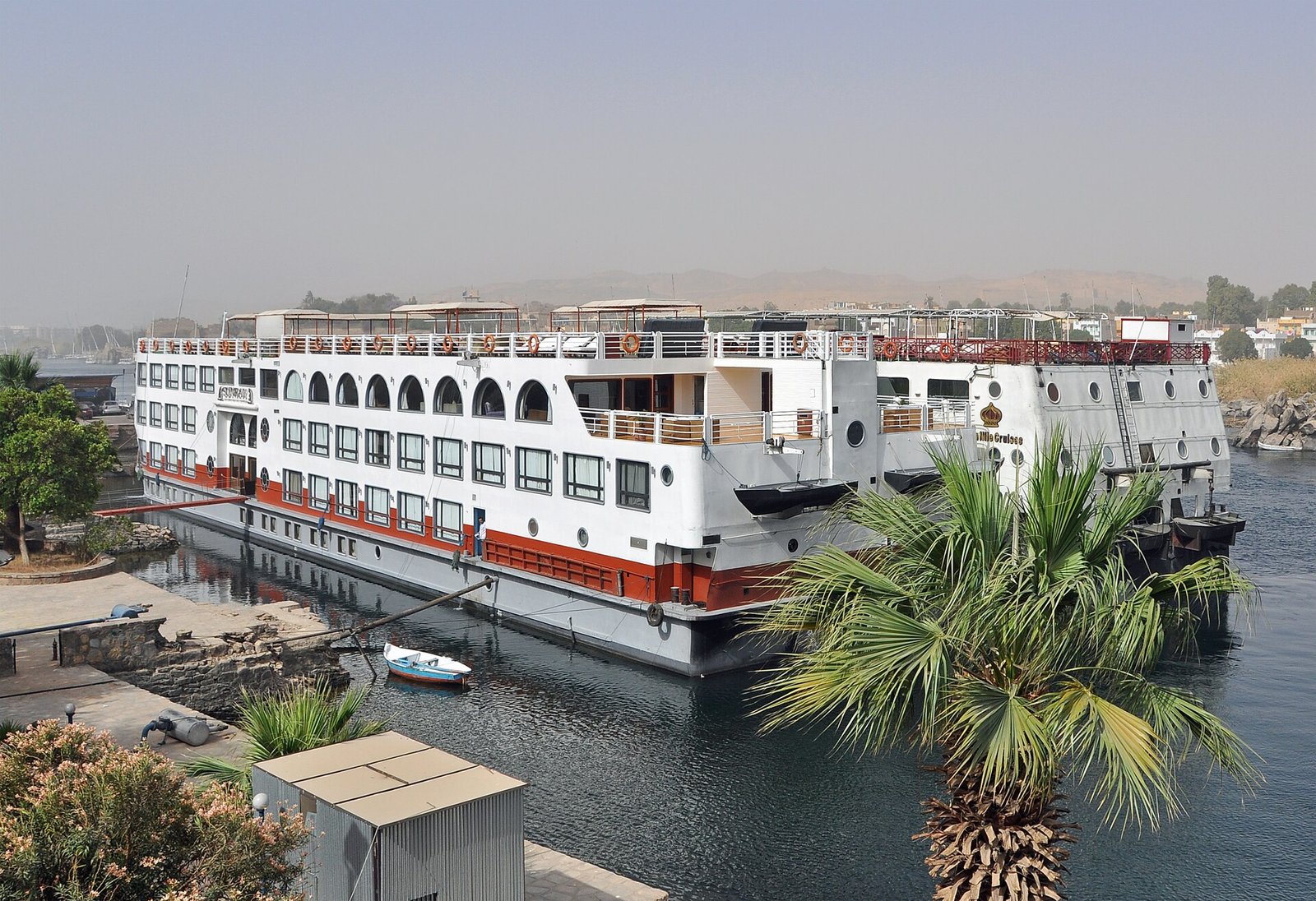
So which one do I choose
Choose the 4-star if the boat is a means and not an end for you: you want to see the temples with a good guide, sleep comfortably, and not pay for a deck you will hardly use. It is also the sensible option if you are traveling in a large group or on a tight budget and would rather put the difference into an extra night in Luxor or a hot air balloon flight. Our guide to a cheap Nile cruise explains how to fit in a good 4-star without giving up what matters.
Choose the 5-star if the trip is an occasion, if you are traveling as a couple, or if you know you will spend real time on board. The cabin with a panoramic window, the wide deck at sunset and the careful food turn the sailing hours into a part of the trip you enjoy rather than endure. For a honeymoon or an anniversary it is the category we recommend almost every time, and we go into it in a Nile cruise for your honeymoon.
And if you want something different from both, there is a third way: the dahabiya, a small sailing boat with only a handful of cabins that moves without an engine, stops where the big ships cannot, and sits outside the star scale altogether. It is the most intimate option on the river, with a rhythm and a price of its own.
How Explora Egipto does it
We do not work with just any boat on the river. We select a small number of vessels in each category, visit them, and keep track of them season by season. When you write to us, we tell you which specific ship is in good shape now, not which one had a good reputation ten years ago. Every cruise includes an English-speaking Egyptologist guide, transfers, entrance fees and the excursions to every temple on the route, so the only decision left to you is the category.
Tell us your dates, how many of you are traveling, and whether the boat is the heart of the trip or the place you sleep, and we will send you the two or three options that fit best, with the refit date of each and no small print. You can see how the cruise fits into a full trip in our Egypt tour packages.
Frequently asked questions
Does a 5-star cruise visit more temples than a 4-star one?
No. The itinerary between Luxor and Aswan is the same in both categories: Karnak and the Valley of the Kings in Luxor, Edfu, Kom Ombo, and Philae and the High Dam in Aswan. What changes is the boat you sleep and eat on, not the places you visit.
Are the star ratings on Nile boats official?
Not in the European sense. The category is declared by the cruise company itself and no independent body reviews it over time. That is why two boats with the same stars can be very different, and the specific ship and its last refit matter more than the number.
Is a 5-star worth the extra money?
It depends on how much you will actually use the boat. If you want a roomy cabin with a panoramic window, a deck with space and better food, yes. If the boat is mostly where you sleep between temples, a well-kept 4-star performs just as well and leaves budget for other things.
Can a 4-star be better than a 5-star?
Yes, and it happens often. A recently refitted 4-star clearly beats a 5-star that has gone many years without renovation. Asking for the date of the last refit before booking is the single most useful check you can make.
What is the cabin like in each category?
On a 4-star it runs around 14 to 16 square meters with a small window. On a 5-star it starts at 18 to 20 square meters with a panoramic window or, on the newest boats, a private balcony. It is where you notice the difference most from day to day.
What is a dahabiya and where does it fit?
It is a traditional sailing boat with only a few cabins that moves without an engine and stops at banks the big ships cannot reach. It sits outside the star scale and is the most intimate, unhurried option on the Nile, with a rhythm and a price of its own.
The right boat for your Nile
Tell us your dates, how many of you there are and what you expect from the boat, and we will send you two or three concrete options with the refit date of each, an English-speaking guide and every excursion included. No small print, and no paying for what you will not use.