How to plan a trip to Egypt, in the order the decisions actually need to be made
How to plan a trip to Egypt, in the order the decisions actually need to be made
Planning a trip to Egypt comes down to about ten decisions, and they go in a fixed order because each one narrows the next. Pick the season first, since heat in the south decides how the days feel. Then settle the number of days, then the shape of the trip, which for a first visit is almost always Cairo plus a Nile cruise, with a Red Sea beach at the end if the calendar allows. From there you choose private or small group, the boat, whether Abu Simbel is in, the hotels by area and, only then, what gets booked and when. Passport, insurance, money, phone and packing come last and take one afternoon. This guide walks that order through to the morning you land in Cairo.
The planning order, at a glance
Most planning headaches come from deciding things in the wrong sequence, not from deciding them badly. Each step below limits the options of the next, so follow the order and you make every decision once.
- Season. Which month, and what the south will feel like.
- Length. Days on the ground in Egypt.
- Shape. Cairo plus a Nile cruise, and whether a beach fits.
- Style. Private guide and vehicle, or a small group.
- The boat. Nights, direction and category.
- Abu Simbel. In or out, by road or by air.
- Hotels. Neighborhood first, property second.
- Booking sequence. What is reserved first and how far ahead.
- Paperwork. Passport, visa, health, insurance.
- Logistics. Money, phone, packing and the arrival day.
Step one: pick the season, with temperatures in Fahrenheit and Celsius
The season comes first because it changes the rhythm of every day. In winter you can stand in the Valley of the Kings at noon; in July you visit the same tombs at seven and spend the afternoon on the boat.
| Months | Cairo daytime | Luxor and Aswan daytime | What it means |
|---|---|---|---|
| October to April | 64 to 77 F (18 to 25 C) | 75 to 86 F (24 to 30 C) | The classic season. Full days, cool evenings, busiest boats around Christmas and spring break. |
| May and September | 86 to 95 F (30 to 35 C) | 100 to 104 F (38 to 40 C) | Shoulder months. Early starts, a pool at midday, thinner crowds. |
| June to August | 95 F and up (35 C and up) | 104 to 113 F (40 to 45 C) | Hot season. Temples at dawn, afternoons on board, and the Red Sea as the second half. |
Check where Ramadan falls in your year, since it moves about eleven days earlier annually and changes opening rhythms and evening life. The month by month detail is in our guide to the best time to visit Egypt.
Step two: decide how long, honestly
Count days on the ground, not calendar days. You land in Cairo in the afternoon or evening, so that first day is a check-in and an early dinner, and the last day ends at the airport by late morning. Nine calendar days is seven working days.
- Five to six days: two days in Cairo and a three night cruise. Tight, but it covers the essentials.
- Seven to eight days: the sweet spot for a first visit. Cairo, a four night cruise and one spare day for Abu Simbel.
- Ten to twelve days: all of the above plus a Red Sea stay, or Abu Simbel with a night in the south.
- Two weeks or more: add Alexandria, the White Desert or Sinai, or slow everything down on a dahabiya.
Resist the urge to squeeze. The ranges are broken down day by day in how many days you need in Egypt.
Step three: the shape, Cairo plus the Nile plus an optional beach
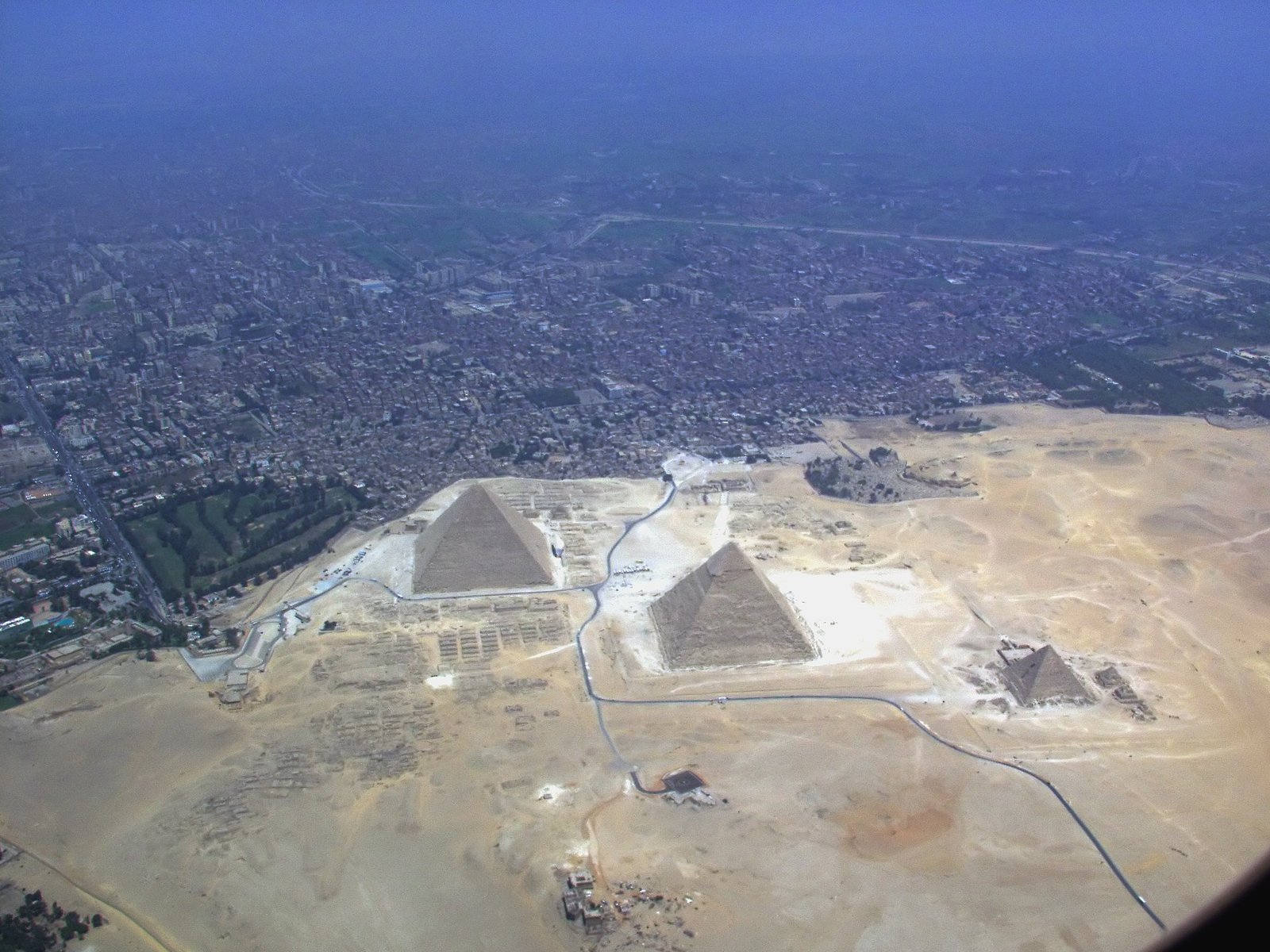
Almost every first trip has the same two blocks. Block one is Cairo: the Giza pyramids and the Sphinx, the Grand Egyptian Museum, an evening in the old city. Block two is the river between Luxor and Aswan, where the Valley of the Kings, Karnak, Edfu, Kom Ombo and Philae sit in a line that a cruise ship follows. Between them is a domestic flight of about an hour, timed to the boat.
The optional third block is the Red Sea. Hurghada is about four hours by road from Luxor, so a cruise that ends in Luxor rolls straight into three or four beach nights. The rule of thumb: Cairo first, river second, beach last, so the trip winds down rather than up. Our first trip to Egypt itinerary shows the day by day version.
Step four: private tour or small group
In Egypt almost everyone travels with a guide, because the sites are large and the history needs telling. The real choice is whether that guide and vehicle are yours alone or shared with a handful of other travelers.
| Private with your own guide | Small group | |
|---|---|---|
| Pace | Yours. Linger at Karnak, skip the papyrus shop, start at six. | Set by the group and the schedule. |
| Dates | Any date, built around your calendar. | Fixed departures, one or two a week. |
| Best for | Families, couples, specific interests, limited mobility. | Solo travelers and people who like a social trip. |
The cruise is shared on any trip, but your guide on the excursions can still be private. That mixed model, private guide on land and a good ship on the water, is what most of our travelers choose.
Step five: choosing the Nile cruise, the decision that fixes the calendar
The cruise has the least flexibility of anything in the trip, so it anchors the rest. Ships sail on a fixed weekly rhythm, four nights from Luxor on set days and three nights from Aswan on others, and your Cairo days and domestic flights are placed around whichever departure fits.
- How many nights. Four from Luxor sees more at a calmer pace. Three from Aswan is the compact version and pairs well with Abu Simbel first.
- Which direction. Luxor to Aswan front-loads the biggest sites while you are fresh. Aswan to Luxor saves the Valley of the Kings for the finale.
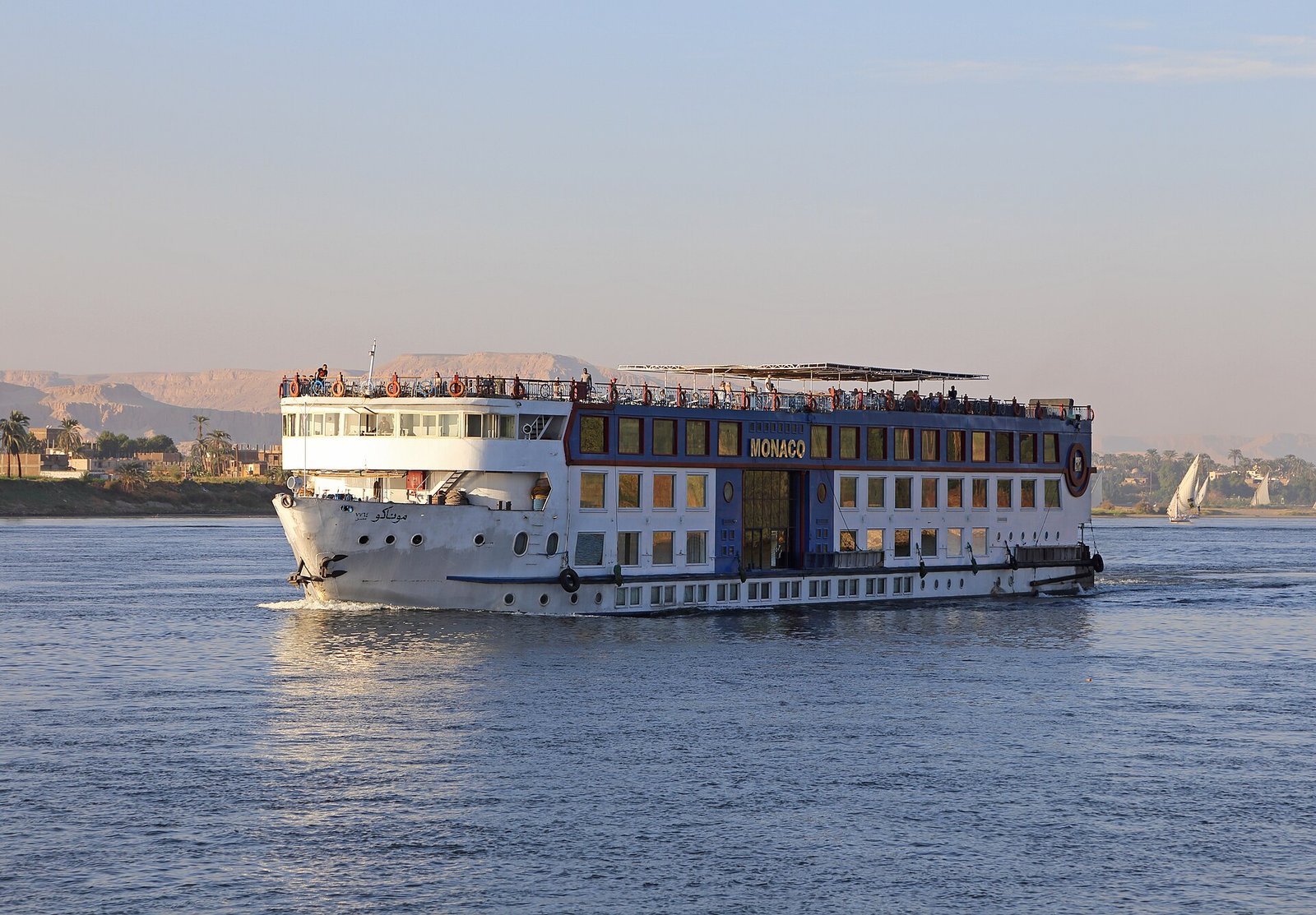
- Which category. A standard ship, a deluxe ship with larger cabins and a better sundeck, or a dahabiya, the sailing boat with a dozen guests that stops where the big ships pass.
Cabin deck and ship size are covered in how to choose a Nile cruise. Send us your dates and we tell you which ships leave that week.
Step six: the Abu Simbel decision
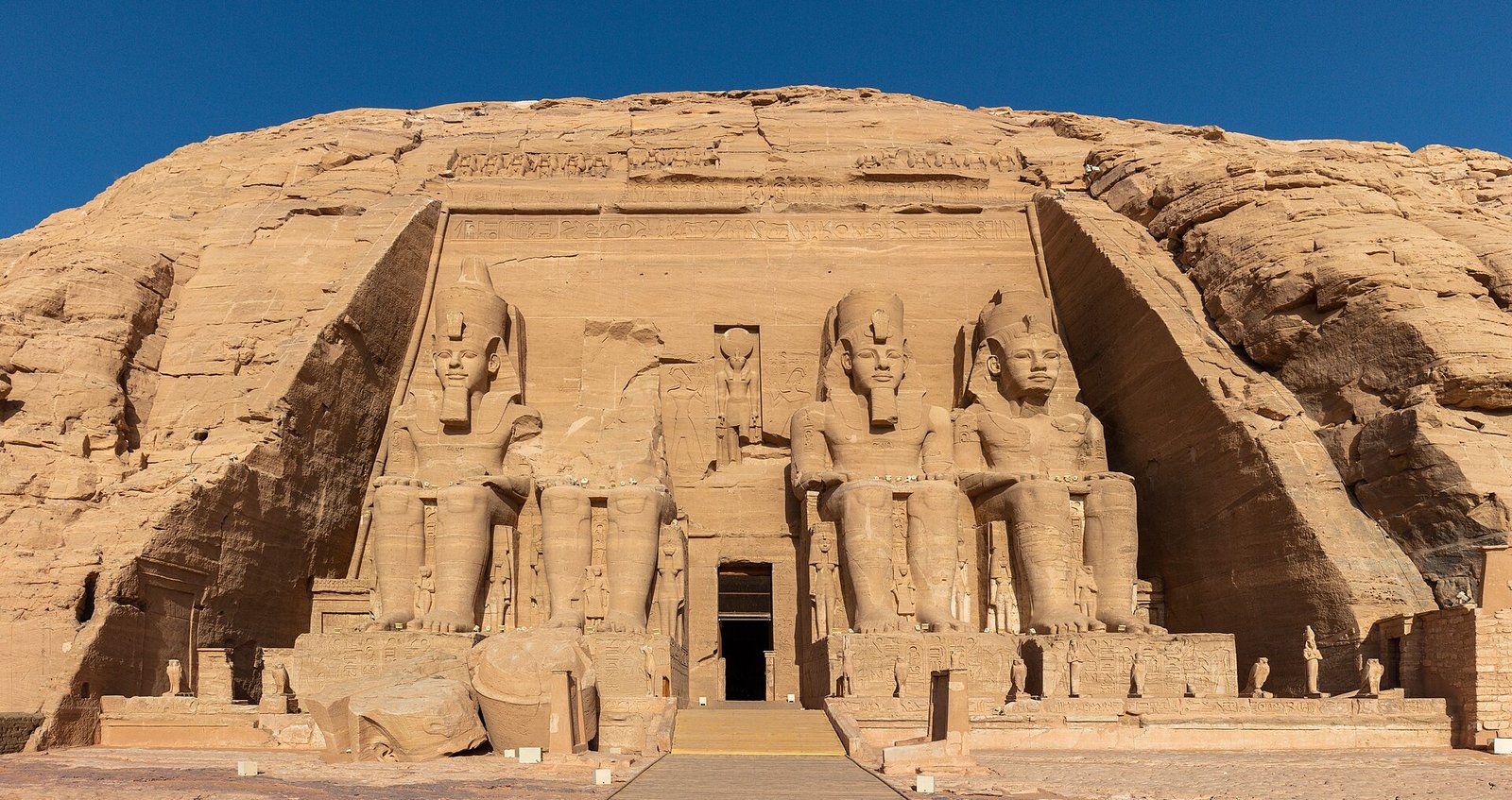
Abu Simbel is the one big site outside the natural line of the trip, about 175 miles (280 km) south of Aswan. Reaching it costs either a very early morning or an extra night, and the right way depends on the day count from step two.
- Day trip by road from Aswan. Leave around four in the morning, three and a half hours each way, back by early afternoon. The most common choice.
- Day trip by air. A short flight from Aswan and a bus to the temples. More sleep, less road, fewer seats.
- Overnight at Abu Simbel. Drive down in the afternoon, see the sound and light show, walk in at sunrise before the day trippers. The best version, and it costs one night.
With seven days on the ground, take the road day trip. With ten or more, stay the night. With five, skip it without guilt. Tickets, timing and the sun festival dates are in our Abu Simbel visiting guide.
Step seven: hotels by area, before hotels by name
Choose the neighborhood first. The area decides your mornings, your evenings and how much time you lose in traffic, and a good property in the wrong place is a worse choice than a plain one in the right place.
- Cairo, Giza side. The pyramids in the window at breakfast, a long drive from everything else. One or two nights around the pyramid day.
- Cairo, Zamalek and Garden City. Nile-side, walking distance to Tahrir, quieter streets, the best restaurants. Our default.
- Cairo, Heliopolis. Near the airport. Only for a late arrival or a very early domestic flight.
- Luxor. The East Bank corniche puts Luxor Temple and Karnak at your door; the West Bank has small guesthouses among the tombs. On a cruise, the ship is your hotel.
- Aswan. The corniche and the islands for river views; the Nubian village of Gharb Soheil for a night in a painted house.
- Red Sea. Hurghada for choice, El Gouna for a planned lagoon town, Sahl Hasheesh for quiet resorts, Marsa Alam for reefs and turtles.
Step eight: what to book first, and how far ahead
The classic mistake is booking the thing that is easiest to book before the thing that is hardest to change. This sequence avoids it.
- The cruise cabin. Fewest berths, fixed departure days. Reserved first, and it sets the dates for everything else.
- The domestic flights. Cairo to Luxor or Aswan and back, timed to the ship and booked with it.
- The hotels. Cairo nights on either side of the flights, then the beach if there is one.
- The limited-entry extras. The Abu Simbel flight or overnight, the sunrise balloon over Luxor, and the tombs with a daily visitor cap, which sell out first in high season.
- Evenings. The Nile dinner cruise, the sound and light show. These can wait until a month out.
How far ahead: for December through March and any school vacation week, start four to six months out to have your pick of ships and cabins. For shoulder and summer months, six to eight weeks is usually enough, though dahabiyas fill earlier in every season.
Step nine: documents, visa, health and insurance in plain words
Passport. Egypt asks for validity of at least six months beyond your arrival date and a blank page for the stamp. Check it the day you decide to go, since a renewal can take weeks.
Visa. Most US travelers obtain a tourist visa either in advance through the official online portal or on arrival at Cairo airport. Confirm the current rule on the official source before you travel; the practical steps are in Egypt visa requirements.
Health. No vaccinations are required for travelers arriving directly from the United States, but a travel clinic visit six to eight weeks out is sensible. Carry regular medication in its original packaging, in your hand luggage.
Insurance. Buy a policy that covers medical treatment abroad, medical evacuation and the cost of changing plans, and buy it the day you reserve the trip rather than the week before you leave, because the protection only counts from the day you hold it.
Step ten: money, phone and packing
Money. Hotels, ships and larger restaurants take cards; tips, bazaars, cafes and site vendors want cash in Egyptian pounds. ATMs are everywhere in the cities. Bring a modest amount in clean, newer US bills to exchange on arrival, tell your bank the dates, and carry two cards from different banks in different bags.
Phone. An eSIM set up before you leave home works the moment you land; a local SIM from an Egyptian carrier is better value for a longer stay and is sold in the arrivals hall against your passport. Download offline maps either way.
Packing. Layers, because a winter morning in the Valley of the Kings can be chilly and the afternoon warm. Shoulders and knees covered for mosques, comfortable walking shoes, a wide hat, sunscreen, a refillable bottle, a scarf, a daypack and a type C or F adapter for the 220 volt sockets. The full list by season is in what to pack for Egypt.
The arrival day, planned like the rest
You land in Cairo, usually in the afternoon or evening. A visa on arrival is bought at the bank counters before passport control. Our representative meets you after customs with a name board and rides with you to the hotel; the drive to Zamalek or Giza can take an hour in traffic.
Plan nothing that evening except a walk, a light dinner and an early night; the first full day at the pyramids starts at eight. The whole sequence, from the jet bridge to the hotel door, is in our Cairo airport arrival guide.
A planning timeline, by months before departure
| When | What to settle |
|---|---|
| Six months out | Month and trip length. Passport checked. Private or small group. Write to us with the dates. |
| Four to five months out | Cruise cabin and direction confirmed. Domestic flights and Cairo hotels placed around it. Abu Simbel and the beach decided. |
| Three months out | Insurance bought. Travel clinic visit made. Balloon, limited-entry tombs and special dinners reserved. |
| Two months out | Visa route confirmed on the official source, applied for if online. Final itinerary agreed. |
| One month out | Bank notified, eSIM chosen, offline maps downloaded, packing list started. |
| The last week | Print and photograph passport, visa, insurance card and itinerary. Pack by layers. |
| Arrival day | Visa desk if needed, meet your representative, hotel, early night. The trip starts tomorrow. |
A February trip follows this closely. A June trip can be planned inside two months, with the same steps in the same order.
How Explora Egipto plans it with you
We are a local agency in Egypt with our own guides and vehicles. You write to us on WhatsApp with three things: roughly when, roughly how long and who is traveling. We come back with a handful of questions, the ones above, and then a day by day plan that already answers them: the ship that sails your week, the flights that match it, the Cairo hotel by area, Abu Simbel in or out.
You edit it. Most people move a museum, add a beach night or swap the balloon for a felucca sunset. We rebuild the plan, hold the cabin while you decide, and send the quote for the whole trip on the ground. On the day, one person in Egypt answers your messages, and your guide already knows where you want to linger.
Frequently asked questions
Where do I start when planning a trip to Egypt?
Start with the month, because the season decides what a day in Luxor or Aswan feels like and how much you see between breakfast and lunch. Then fix the number of days on the ground. Those two answers narrow everything else: which cruise departures fit, whether Abu Simbel and a beach have room, and how early you need to reserve. Only then look at boats and hotels.
How far in advance should I plan a trip to Egypt?
For travel between December and March, or over any school vacation, begin four to six months ahead so the ship and cabin you want are still open. For shoulder and summer months, six to eight weeks is usually enough, though deluxe ships and dahabiyas fill first in any season. Closer than that, write to us anyway; there is nearly always a workable combination.
Do I need a Nile cruise on a first trip?
You do not need one, but it is the easiest way to see the Luxor to Aswan stretch, because the ship is your hotel, your transport and your restaurant while the temples appear one after another on the bank. A land version with hotels in Luxor and Aswan works well for second visits or for people who dislike ships. For a first trip, the cruise wins for most travelers.
Should I book Egypt myself or use a local agency?
Booking it yourself gives you full control, but you will be assembling a cruise, domestic flights, hotels, guides and transfers from different suppliers and hoping the timings line up. A local agency builds the same trip as one plan, holds the pieces together when a flight moves or a tomb closes, and gives you one person to message from Egypt. For a first visit, most travelers find that calmer.
What is the most common planning mistake?
Booking around the wrong anchor. Travelers lock in hotels or a beach week first, then discover that no cruise sails on the dates left in the middle. The ship has the fewest options and fixed departure days, so it should be chosen first. The second most common mistake is checking the passport in the last month; six months of validity is required and renewals take time.
Can I plan a trip to Egypt with a beach at the end?
Yes, and it is the best way to order it. Finish the cruise in Luxor and drive about four hours to Hurghada, El Gouna or Sahl Hasheesh for three or four nights, then take a domestic flight from Hurghada back to Cairo. With ten or more days on the ground, a beach block fits without cutting anything from the river.
Send us your dates and we do the planning in the right order
Tell us roughly when, how long and who is coming. We reply with the ship that sails your week, the day by day plan around it, the hotels by area and a clear answer on Abu Simbel and the beach. Then we hold the cabin while you think it over and send you the quote for the whole trip on the ground.