Is Egypt worth visiting? Yes, and here is the honest version of that answer
Is Egypt worth visiting? Yes, and here is the honest version of that answer
Yes. Egypt is worth visiting because nothing else on earth substitutes for it. The Pyramids of Giza, the painted tombs of the Valley of the Kings, Karnak, Abu Simbel, a slow boat on the Nile and the coral of the Red Sea exist in one country and nowhere else. The honest part is the rest. Egypt is hot, loud, persistent and occasionally frustrating, and a badly planned trip feels like a chain of transfers punctuated by people asking for tips. Almost all of that friction disappears with a local guide and driver. Below is what is unmatched, what people dislike, who will love it, who will not, and how to build a first trip you will not regret.
What Egypt has that nothing else replaces
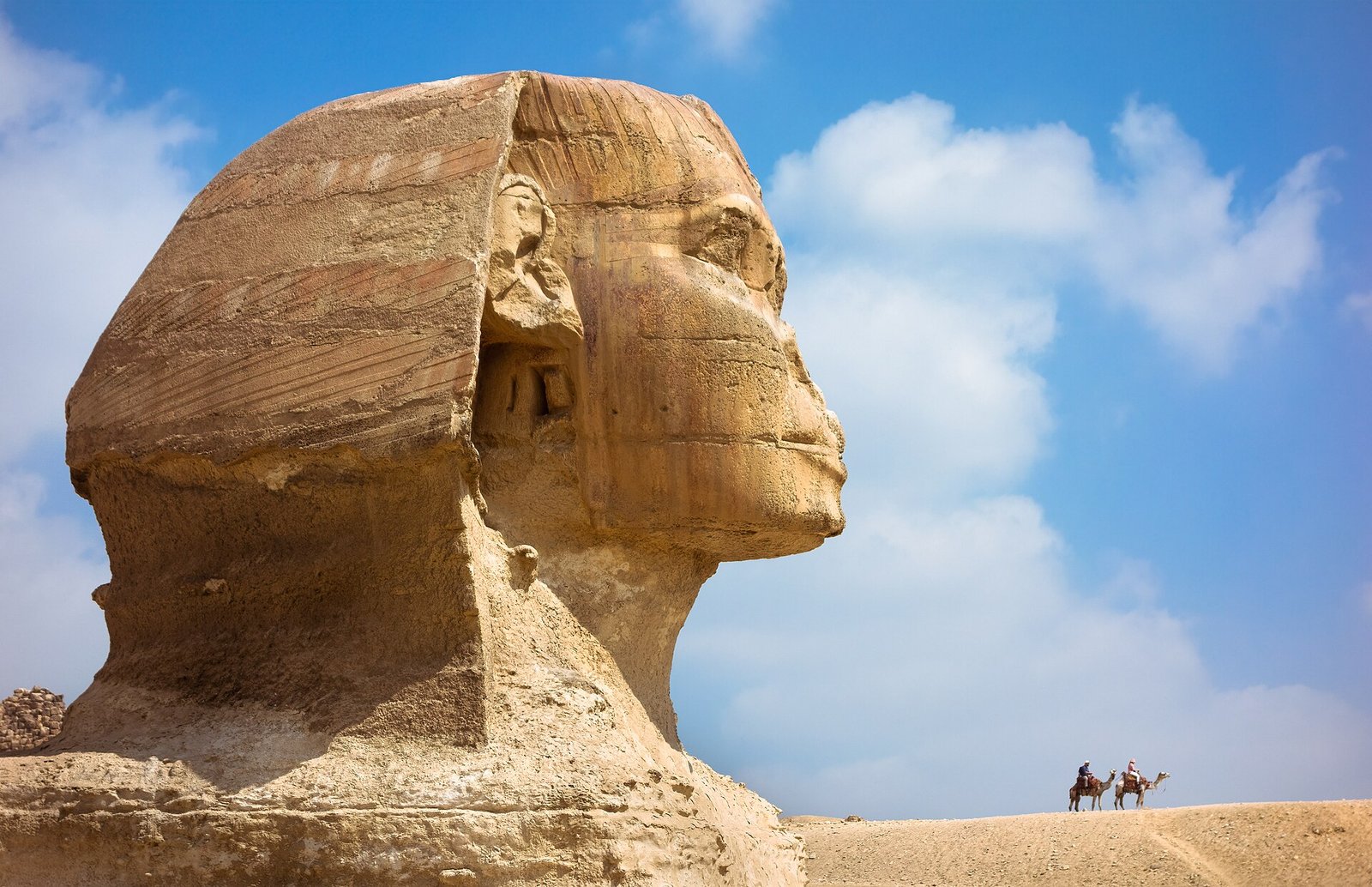
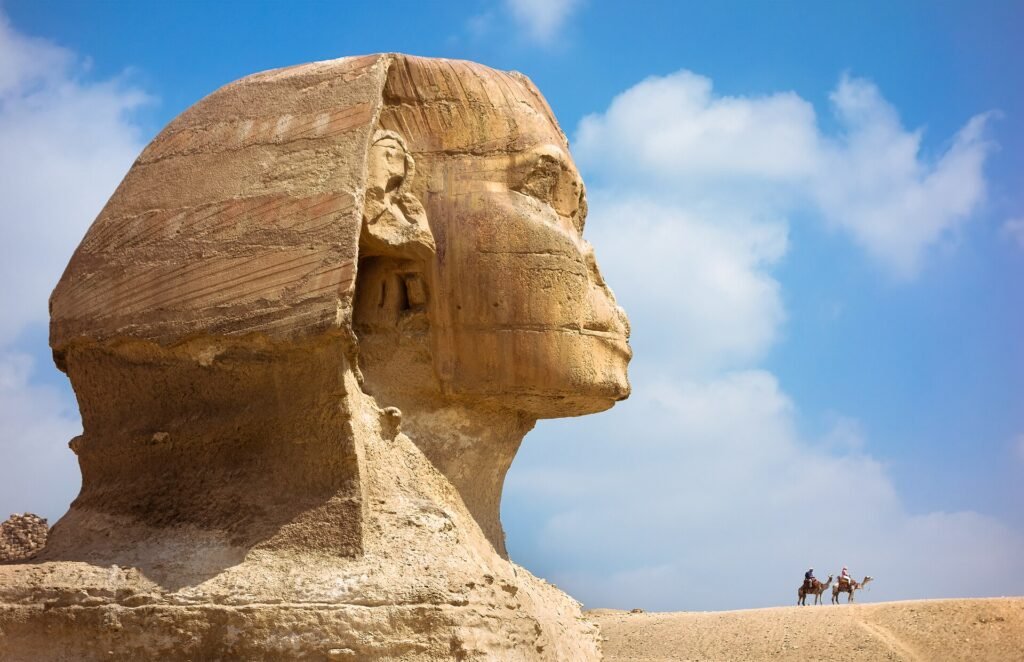
Start with the obvious one. The Pyramids of Giza are the only wonder of the ancient world still standing, and no photo prepares you for the scale. The Great Pyramid was already two thousand years old when Rome was founded. You stand at the base, look up, and your sense of what humans can build resets.
Luxor is where the trip stops being a checklist. Karnak is a temple complex the size of a small town, with a hall of columns you walk through like a stone forest. Across the river, the Valley of the Kings holds tombs whose ceilings are still painted in the blues and golds they had the day they were sealed. Nowhere else has this density of intact ancient art.
Then the Nile itself. A cruise between Luxor and Aswan is slow, quiet and oddly moving: palm groves, buffalo at the water, kids waving from the bank, a temple appearing around a bend. Most travelers name it the favorite part of the trip, and our guide to a Nile cruise versus a land tour explains why it beats driving between the same sites.
The Red Sea is the counterweight. Reefs off Hurghada, Marsa Alam and the Sinai coast are among the best in the world, and you can snorkel over live coral straight from a beach. After a week of temples, three days of warm water is what makes the trip feel balanced.
Around those anchors sit the extras: Islamic Cairo, the Grand Egyptian Museum with the Tutankhamun collection, Nubian villages, excellent food, and everyday hospitality Americans rarely expect.
What people dislike about Egypt, and how much of it is avoidable
An honest answer has to include the complaints, because they are real. Here is each one, what it looks like in practice, and how much a local agency takes off your plate.
| Complaint | What it actually looks like | With a local guide and driver |
|---|---|---|
| Hassle | Vendors at the Pyramids, camel handlers, "helpers" at the ticket line, shopkeepers who follow you | Mostly gone. A guide beside you signals that you are spoken for |
| Heat | Luxor and Aswan pass 100F (38C) from May to September, with little shade at the sites | Reduced by scheduling: temples at dawn, the boat or pool in the afternoon |
| Tipping culture | Small tips expected by bathroom attendants, tomb guardians, drivers, porters | Handled or coached. Your guide carries small bills and tells you who gets what |
| Traffic | Cairo is one of the most congested cities anywhere; a crosstown trip can take two hours | Absorbed. The driver knows the timing and Cairo days are planned by neighborhood |
| Bureaucracy at sites | Separate tickets per tomb, camera permits, tombs closed without notice, bag checks | Invisible. Tickets are bought in advance and the guide knows what is open this week |
| Dust and bathrooms | Sand everywhere, basic restrooms at many monuments | Partly. Pack wipes, use hotel and cruise bathrooms, let the guide time the stops |
The pattern in the right-hand column is clear. The two complaints that survive a perfect operator are heat and dust, and both are fixed by choosing the month well. Everything else is a people problem, which is what a good local guide exists to solve. Our guide to tipping in Egypt covers the item Americans worry about most.

How a local agency removes most of the friction
The biggest divider between travelers who love Egypt and travelers who found it exhausting is not budget, age or fitness. It is whether someone local was running the day.
A private Egyptologist guide does several jobs at once. They explain what you are looking at, which in Egypt is the difference between seeing a wall and understanding a story. They act as a buffer at the Pyramids and the bazaar, so nobody approaches you twice. They know which tomb opened last week and when to leave Karnak before the coach groups arrive.
A private driver turns Cairo from an obstacle into a city you can enjoy. You are met at the hotel door, you never negotiate a fare, and the car waits while you eat.
Behind both sits the office: domestic flights between Cairo, Luxor, Aswan and Hurghada, cruise cabins on boats we have inspected, tickets bought in advance, and a WhatsApp line that answers while you are still at the site. That is the version described in our page on Egypt tours for travelers from the USA.
Is Egypt safe? The practical answer
For the places a tourist actually goes, yes. Cairo, Giza, Luxor, Aswan, Abu Simbel and the Red Sea resorts sit inside a tourism corridor the Egyptian state treats as a national priority. You will see checkpoints on the highways, tourist police at every monument and bag scanners at hotel doors.
The real risks are ordinary ones. Traffic is the thing most likely to hurt you, which is one more argument for a driver. Sun and dehydration send more visitors to bed than anything else. An upset stomach is common and usually mild if you stick to bottled water and cooked food.
Violent crime against visitors is rare, and the hassle you will meet is commercial, not threatening. Women traveling alone or in pairs get more attention than at home, mostly comments and stares, and a guide in the room removes almost all of it. The areas the US State Department flags, such as parts of the Sinai interior and the desert near the Libyan border, are not on any first-trip itinerary. Our full guide to whether Egypt is safe goes region by region.
What Egypt costs, in general words
We do not put prices on this page. The only figures that exist are the quotes we send for specific dates and hotels. What we can say is where Egypt sits in general terms: for what you get, it is one of the best-value destinations a US traveler can pick. Meals, entrance fees, guides, drivers and domestic flights all cost less than their equivalents in Western Europe.
Where the money goes is predictable. The cruise or hotel category is the biggest variable, from a comfortable standard boat to a small luxury dahabiya. The second is how many private days you book versus days on your own at the resort. The third is the season, because winter and the holidays are in demand and summer is not.
What does not vary much is the core: a private Egyptologist guide, a driver, tickets and transfers. Never economize on those, because they are exactly the parts that make Egypt enjoyable. Our guide to whether Egypt is expensive to travel compares the categories. Then ask us for the quote for your dates.

Who will love Egypt, and who will not
Egypt is a strong-flavored destination. Most people love it, some merely like it, and a few should go somewhere else. Knowing which group you are in matters more than any list of highlights.
You will love it if
- Ancient history moves you, even in a general way. The idea of standing inside a painted tomb makes you a little emotional.
- You like a trip with a story arc: the capital, then the temples, then the river, then the sea.
- You can handle early mornings and long days in exchange for extraordinary rewards.
- You enjoy people. Egyptians talk to strangers, joke with you, invite you in.
- You are a couple, a family with curious kids, or a solo traveler who wants a guide rather than a tour bus.
Think twice if
- You want a purely restful vacation. The cultural circuit is demanding. A Red Sea resort on its own is a different, calmer trip.
- Social intensity drains you. You will be spoken to constantly, and a guide filters it rather than removing it.
- You can only travel in July or August and struggle with heat. It is manageable, but it shapes every day.
- You need polished infrastructure everywhere. Expect construction, dust, sparse signage and basic bathrooms at many sites.
- Ancient history bores you. Then much of the trip will feel repetitive.
If you landed mostly in the first list, book it. If you landed in the second, adjust the shape: fewer temple days, more Red Sea, a cooler month, a slower boat.
The best shape for a first trip
The first-trip shape that produces the fewest regrets runs ten to twelve days on the ground, in this order.
- Cairo, three nights. The Pyramids and the Sphinx on day one, the Grand Egyptian Museum and Islamic Cairo on day two, Coptic Cairo, the citadel and the bazaar on day three.
- Domestic flight to Luxor. About an hour in the air, replacing a full day on the road.
- Luxor, one or two nights. Karnak and Luxor Temple, then the west bank: Valley of the Kings, Hatshepsut, ideally a hot air balloon at dawn.
- Nile cruise, three or four nights to Aswan. Esna, Edfu and Kom Ombo from the boat, then Philae and the Nubian village.
- Abu Simbel. A long day from Aswan by road or a short domestic hop, and worth every hour.
- Red Sea, three nights. Hurghada or Marsa Alam, nothing but reef, sun and sleep before flying home from Cairo.
The order matters. Cairo first, while you are fresh. The river in the middle is the rest. The sea at the end sends you home relaxed instead of wrung out. Our guide on how many days you need in Egypt shows shorter and longer versions of the same skeleton.
The month matters almost as much. October through April is the comfortable window, with December and January the coolest and busiest. March and November are the sweet spot for warm days, cool nights and thinner crowds. Read our best time to visit Egypt guide before fixing dates.
The case for a second trip
Here is what the phrase "once in a lifetime" hides: a surprising number of our clients come back. The first trip covers the greatest hits and leaves you aware of how much you skipped, because Egypt has more first-rank sites than any itinerary can hold.
The second trip is where Egypt gets personal. A dahabiya, the small sailing boat with a few cabins, takes the same river at half the speed and stops at islands the big boats pass. Abydos and Dendera, north of Luxor, have some of the finest painted ceilings in the country and almost no crowds. Alexandria is the Mediterranean and a completely different Egypt. Siwa oasis is a week on its own.
Divers come back for the Sinai and the southern Red Sea. Hikers come back for Mount Sinai and Saint Catherine's monastery. And most people simply come back for a second look at Luxor, because the tombs they missed are as good as the ones they saw. The ideas are in our guide for a second time in Egypt.
The regrets people bring home
Almost nobody regrets going to Egypt. What they regret is a decision made months earlier at the kitchen table, and it is nearly always one of these four.
- Too short. The most common by a wide margin. A week with Cairo, Luxor and Aswan squeezed in is possible, but it feels like a sprint, and travelers say afterward that two more days would have changed everything.
- Wrong month. Usually a July or August trip planned around school breaks without adjusting to the heat, or a Christmas trip booked late that landed in the busiest fortnight.
- No guide at the key sites. The regret independent travelers voice most. Not because anything went wrong, but because they walked through the greatest monuments on earth without understanding what they were seeing. In Egypt, context is the experience.
- Trying to see everything. Adding Alexandria, the White Desert and the Red Sea to a ten-day plan that was already full. The result is a trip made of transfers. Pick the anchors, leave the rest for the second visit.
None of the four is about the country. All four are decided during planning, which makes them the easiest problems in travel to avoid.
How Explora Egipto builds it
We are a local agency based in Egypt with our own guides and vehicles, and we build every trip from a conversation, not a template. You tell us your dates, how many days you have, who is traveling and what excites you. We come back with a day-by-day plan and the quote for it.
Every trip includes a private Egyptologist guide at the monuments, a private driver in each city, domestic flights or transfers between Cairo, Luxor, Aswan and the coast, a cruise or dahabiya cabin chosen for your dates, and all tickets arranged before you arrive. The WhatsApp line is answered by the people who planned your trip and stays open while you are in the country.
What we do not do is sell you a seat on a coach with forty strangers. If Egypt is going to be the trip of your life, it deserves to be built by someone who knows the difference.
Send me a first-trip plan with Cairo, the Nile and Abu Simbel
Frequently asked questions
Is Egypt worth visiting if it is my first big trip abroad?
Yes, on one condition: go with a local guide and driver rather than on your own. Egypt is not a hard country for a guided traveler, because the hotel, the car and the guide form a bubble that handles the language, the tickets and the hassle. It is a hard country for a nervous first-timer improvising with taxis. Get the support right and this becomes the benchmark for every later trip.
Is Egypt worth visiting in summer?
It is, if you accept that the heat shapes the day. Luxor and Aswan sit well above 100F (38C) from June to September, so we plan temples at sunrise, tombs before mid-morning and the boat, the pool or a museum after lunch. Crowds are far smaller and the Red Sea is at its best. If you can move the dates to October or April, do.
Is the hassle in Egypt as bad as people say?
Without a guide it can be tiring: camel handlers at the Pyramids, unofficial "helpers" at ticket lines, persistent vendors in the bazaar. It is commercial pressure, never a safety issue, but it wears you down by the third day. With a guide beside you most of it simply stops, because you are visibly spoken for. That, plus a driver instead of taxis, is the difference between the horror stories online and the real trip.
Is Egypt worth it if I am not really a history person?
Usually yes, because the Pyramids and the painted tombs impress people who never opened a history book, and a good guide tells them as stories rather than dates. The honest caveat: if ancient history actively bores you, a week of temples will feel repetitive. In that case we shorten the monument days, keep the Nile cruise for the scenery and pace, and give more nights to the Red Sea or to Cairo's food and markets.
Is a Nile cruise worth it, or should I stay on land?
For a first trip, the cruise. The temples between Luxor and Aswan sit on the river, so the boat is both hotel and transport, and you unpack once. The sunsets from the deck are the part people talk about for years. A land tour makes sense when someone wants full control of timing at each site or dislikes boats. A dahabiya, the small sailing boat, is the best of both.
How many days does Egypt need to be worth the trip?
Seven days is the minimum that covers Cairo, Luxor and Aswan without feeling cheated. Ten to twelve days is the number we recommend, because it adds the Nile cruise at a proper pace, Abu Simbel and a few nights on the Red Sea. Anything shorter works only as a Cairo-and-Luxor taster, and it is the version most likely to leave you wishing you had stayed longer.
Egypt is worth it. Let us make sure your version of it is too
Tell us your dates, how many days you can give it and who is traveling, and we come back with a day-by-day plan built around the Pyramids, the Nile and the Red Sea, with a private guide and driver throughout. No prices on this page, just the quote in your inbox.