
What follows is how to read the advisory yourself, where the restricted areas actually are
relative to where you would be, what genuinely causes travelers trouble here, and the practical
things worth doing. We would rather you check the primary source than take our word for it, so we
point at it throughout.
Go to your own government's foreign travel advice and look up Egypt directly, whichever country issues your passport. Do not rely on a number quoted in a blog
post, including this one, because advisories are revised and a figure written into an article stays
frozen at whatever it was on the day it was published.
Two things about how the system is structured are worth understanding before you look:
Egypt is a case where the carve-out matters more than the headline. Read the named areas, then
compare them against your actual itinerary. That comparison is the answer to your question, and it
is more useful than any single number.
If your government runs a traveler registration scheme, signing up before you go is free
and takes a few minutes. It lets the nearest embassy reach you if something changes while you are
in the country.
The Sinai Peninsula is the source of most of the confusion, because it is one name covering two
completely different places.
North and central Sinai is the area that carries the strictest guidance. It is
interior desert and Mediterranean coast, it has no monuments on any standard itinerary, and there
is no reason for a visitor to be there.
South Sinai is where Sharm el Sheikh, Dahab and St Catherine's Monastery are.
It is a separate region, geographically and administratively, reached by different roads, and it is
the part of Sinai that receives tourists.
Between them and the rest of the country sits the Suez Canal, so the Sinai is separated from the
Nile valley by water and by distance. Cairo to the Nile valley to Aswan, which is the spine of
almost every trip, is a different part of the country entirely.
The other named areas in the advisory are the Western Desert near the Libyan border and parts of
the far south near Sudan. Both are remote, both are far from the Nile corridor, and neither appears
on a normal itinerary.
This question comes up constantly, so it deserves a direct answer
rather than reassurance.
Egypt borders Israel and the Gaza Strip at its northeastern corner, in the Sinai. That border is
roughly 250 miles (400 km) from Cairo and considerably farther from Luxor and Aswan, which sit
several hundred kilometers south of the capital. For scale, Aswan is closer to Khartoum than it is to
that border.
Day to day in the Nile valley, the region does not intrude on a visitor's experience. Sites
operate on normal hours, cruises run their normal schedules, and the practical texture of a trip is
unchanged.
What we would say honestly: situations can change, and if that possibility would leave you
anxious for the whole trip, that anxiety is itself a reason to wait. A trip you spend worrying
through is not a good trip regardless of what actually happens. Check the current advisory, check
your government's guidance, and decide with the current information rather than with an article's
snapshot.
Many of the worries we hear come from old stories; we take them one by one in myths about traveling to Egypt.
This is the part that gets least attention and accounts for nearly every ruined day. Ranked by
how often it happens:
Notice that violent crime against tourists does not appear on that list. Pickpocketing exists in
crowds as it does in any major city, and that is the level of property crime worth planning around.
For the scale behind those crowds, our Egypt tourism statistics page tracks arrivals by year and the record seasons.
Worth addressing specifically, because it is the single most searched sub-question and it
deserves a straight answer rather than either alarm or dismissal.
Street harassment, mostly verbal, is a real and commonly reported annoyance, more so in crowded
urban areas than at archaeological sites or on a cruise. It is an unpleasantness rather than a
danger, and most women who travel here describe it that way.
What reduces it: dressing more conservatively than you would at home once outside a resort,
which in practice means covered shoulders and knees; using ride-hailing apps rather than hailing
cars on the street; sitting in the back seat; and declining to answer where you are staying. Many
women traveling alone choose a guided trip or a cruise for a first visit specifically because it
removes the daily transport and logistics, which is where most of the friction sits. More practical answers on money, dress and getting around are in our Egypt travel FAQ.
Cairo's metro has cars reserved for women, marked on the platform, which many travelers prefer at
busy times.
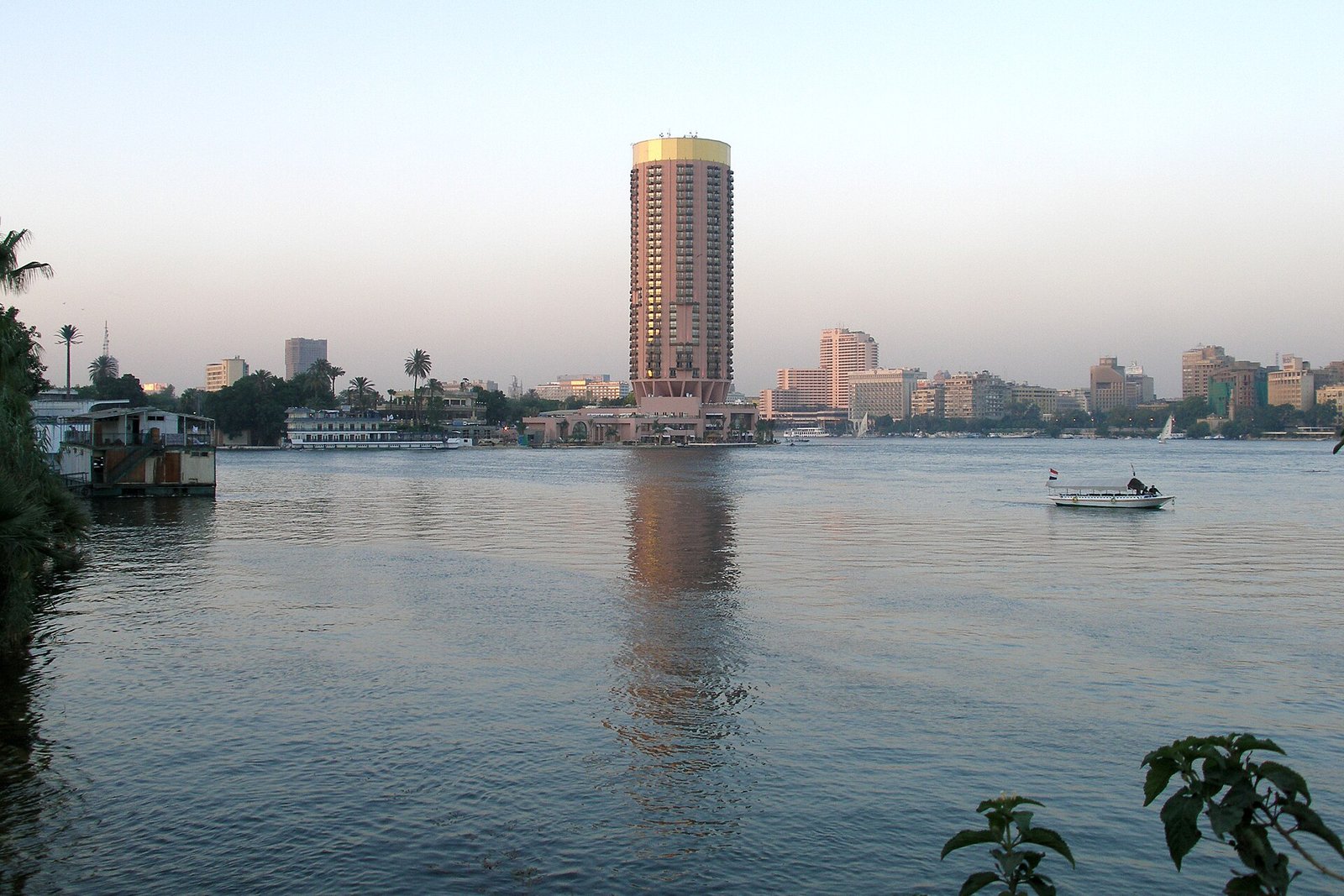
We are based in Egypt, our guides and drivers are our own people, and we keep an eye on
conditions daily because it is where we live and work. If a site is closed, a road is congested or
a plan needs rearranging, that is handled by someone standing in the same country rather than
relayed through offices abroad.
If you have a specific concern about your dates or your route, ask us directly and we will give
you a specific answer, including telling you if we think you should wait.
Message us on WhatsApp.
Planning detail is on Egypt tour packages, the river
itself on Nile cruises, and what a quote does and does not include on
what is included.
Keep exploring