Visiting Egypt during Eid works well once you know which Eid it is and where the whole country goes on vacation
Visiting Egypt during Eid works well once you know which Eid it is and where the whole country goes on vacation
Visiting Egypt during Eid is not a problem, and handled right it can be the liveliest week of your trip. There are two Eids. Eid al-Fitr closes the month of Ramadan and runs three official days. Eid al-Adha, the feast of the sacrifice, comes roughly ten weeks later with four official days, often stretched into a long weekend. The Pyramids, the temples and the museums stay open. Banks and government offices close. The real effect is domestic: Egyptian families head for the Red Sea, Alexandria and Ain Sokhna, filling beach hotels and trains, while Luxor, Aswan and the Nile cruises barely notice. Book early and order your days around that.
What Eid al-Fitr and Eid al-Adha actually are
Eid means feast in Arabic. Egypt has two major holidays that carry the name, and they differ in origin, in mood and in what they do to your itinerary. Americans tend to hear "Eid" as one thing. It is two.
Eid al-Fitr is the festival of breaking the fast. It falls on the first day of the Islamic month of Shawwal, the morning after Ramadan ends. The mood is light and loud: new clothes, butter cookies called kahk dusted with powdered sugar, kids clutching gift money, parks and Nile corniches packed until well after midnight. Egyptians call it the small Eid.
Eid al-Adha is the festival of the sacrifice. It comes on the tenth day of Dhu al-Hijjah, the month of the pilgrimage to Mecca, and commemorates Ibrahim, the Abraham of the Bible, being given a ram to sacrifice in place of his son. Families who can afford it slaughter a sheep, a goat or a calf and split the meat three ways, between the household, relatives and the poor. This is the big Eid: more solemn on the first morning, more visible in the street, and longer. Both are national vacation weeks.
The dates shift about eleven days earlier each year, so check the calendar for your trip
This is the mistake we see most often from travelers planning from the United States. Both Eids follow the Islamic calendar, which is lunar and about eleven days shorter than the Gregorian year. Each year the two holidays land roughly eleven days earlier than they did the year before, and over about three decades they cycle through every season.
That is why this page gives no dates, and why you should be wary of any site that prints them as fixed. The start of each Eid depends on the sighting of the new moon and is confirmed the evening before, which can move it by a day. The Egyptian government also announces the official holidays shortly beforehand and often extends them to bridge into the weekend.
- Look up both Eids for the year of your trip in a reliable Islamic calendar.
- Add a day of margin on either side, one for the moon and one for the bridge days.
- If your dates touch that margin, send us the itinerary and we tell you what to move.
We work from the official Egyptian holiday announcements and adjust programs as soon as the moon is confirmed. For the full year of celebrations, including Coptic Christmas, Sham el-Nessim and the Abu Simbel sun alignment, see our guide to Egypt's festivals and holidays.
What closes and what stays open during Eid
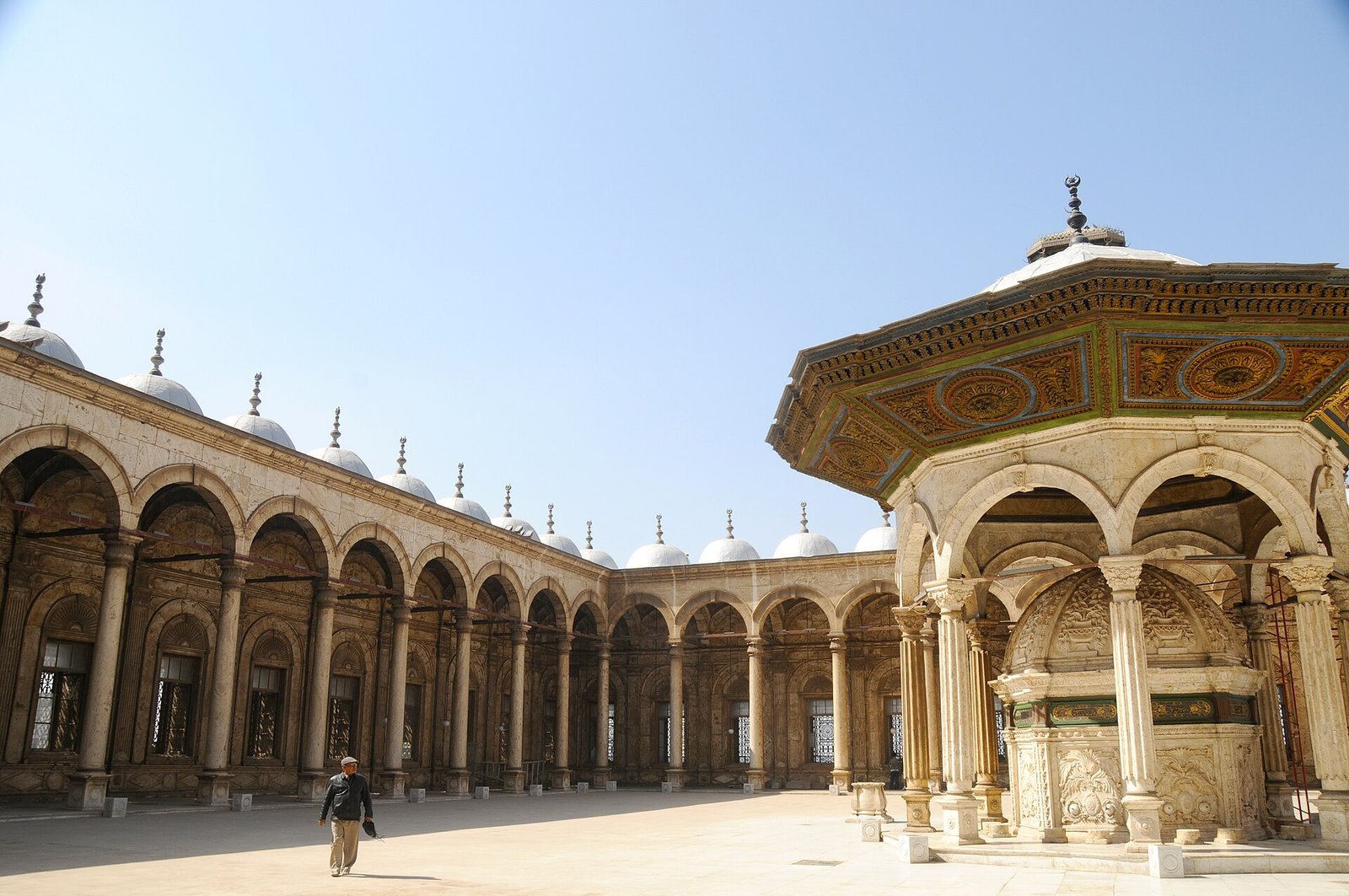
Good news first: the monuments open. The Pyramids of Giza, Saqqara, Karnak and Luxor Temple, the Valley of the Kings, Philae, Abu Simbel and the major museums all operate through both Eids. A site may open a little later or shorten its hours on the first morning. Check the current schedule for the week you travel, but count on the visit happening.
What shuts is the administrative side of the country. Banks, post offices, ministries and most street-level currency exchanges close for every official holiday day. ATMs keep working, though in tourist areas they run dry fast, so take out cash the day before the holiday starts.
Shops follow their own rhythm. On the first morning, after the dawn prayer, the whole country is at home or visiting relatives, and many stores and stalls in Khan el-Khalili look shuttered. From the afternoon of day one, and in full swing by day two, they reopen, and the bazaar is busier than usual because Egyptians themselves are out shopping.
Restaurants, cafes and hotels stay open and have their best week of the year. Reserve dinner anywhere with a Nile view.
The crowd effect: where Egypt goes on vacation
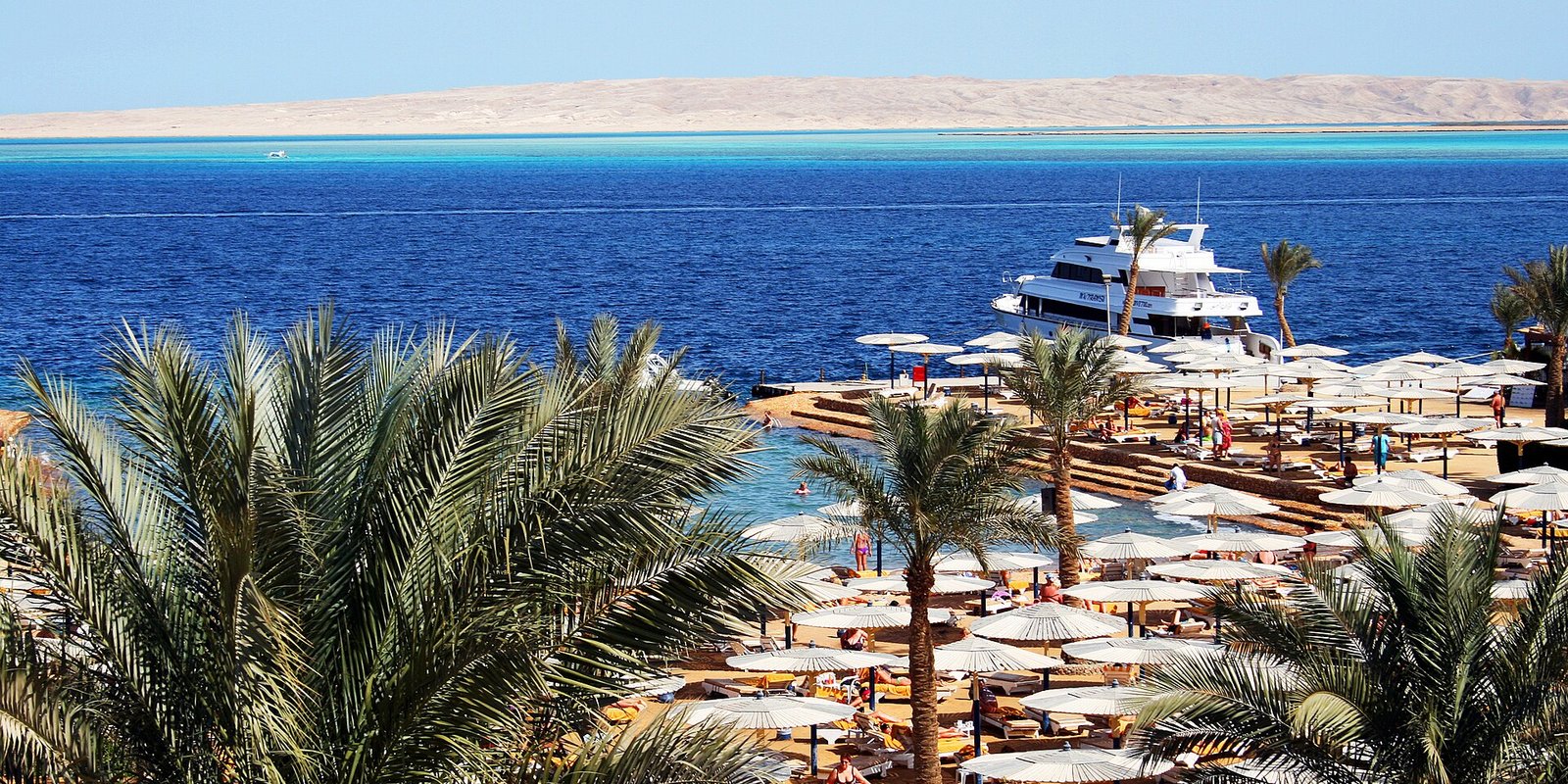
Eid is the long weekend for the entire country, and that is the single variable that really shapes your trip. Egyptians on vacation do not go to see temples. They go to the sea. Hurghada, Ain Sokhna, El Gouna and Alexandria receive a wave of families from Cairo and the Delta.
Mid-range beach hotels sell out weeks ahead, especially the all-inclusive resorts of Hurghada. The highway from Cairo to Ain Sokhna and the desert road to Alexandria turn into parking lots the day before the holiday and again on the last day. Trains to Alexandria sell to the last seat, and the overnight sleepers to Luxor and Aswan fill with families visiting relatives in the south.
Upper Egypt, by contrast, breathes. Luxor and Aswan are not domestic vacation destinations in any season, and a Nile cruise between the two runs exactly as it does any other week: the temples with their usual international visitors, the excursions on schedule, the crew wishing you Eid Mubarak at breakfast.
The eve of Eid and the day after the last holiday are the mass departure and return days. Do not schedule long road transfers on either. By the third day after the holiday, the country is back at work and the banks reopen.
Alexandria and the trains, specifically
During Eid the Alexandria corniche is the busiest place in Egypt, the seafront cafes are full from noon until dawn, and the train from Cairo is the one route where standing room is a real possibility. Put Alexandria before the holiday or a few days after it, and go by private car rather than train if it has to be during.
Eid al-Adha on the street: what you will actually see
Eid al-Adha needs its own section because it is the one date in the year when a sensitive traveler can feel uncomfortable outside. On the morning of the first day, after the dawn prayer, families slaughter sheep, goats and, in working-class districts, calves. In villages and in neighborhoods like Sayeda Zeinab, Imbaba and Shubra this happens at the front door or on the sidewalk, and blood runs in the street for a few hours before municipal crews hose it away.
It is a religious and charitable act, not a show. Do not photograph it without asking, do not react with visible disgust, and if a family invites you to watch the meat being shared out, say thank you. In middle-class districts and around the hotel zones the slaughter happens in licensed abattoirs and you will see none of it.
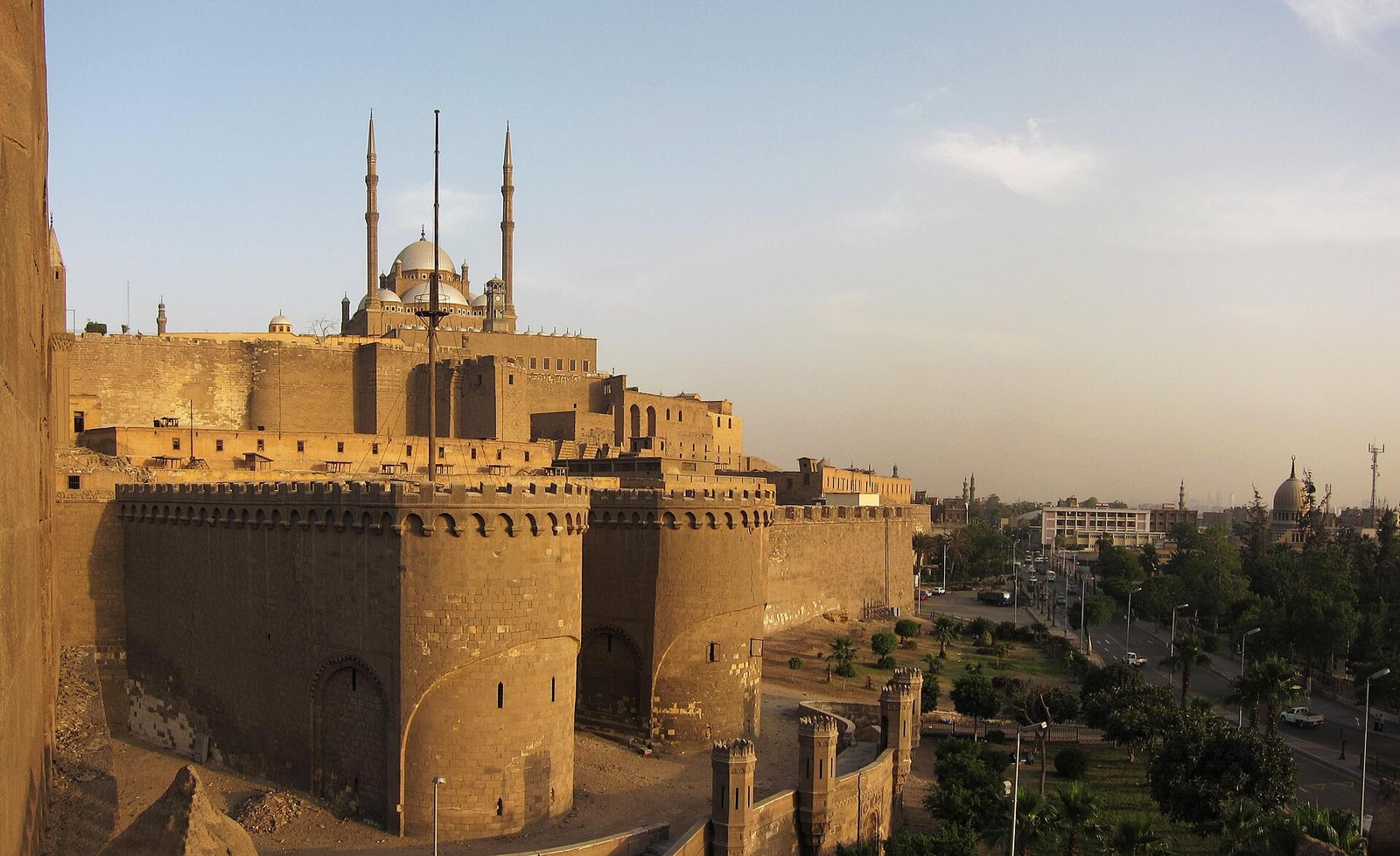
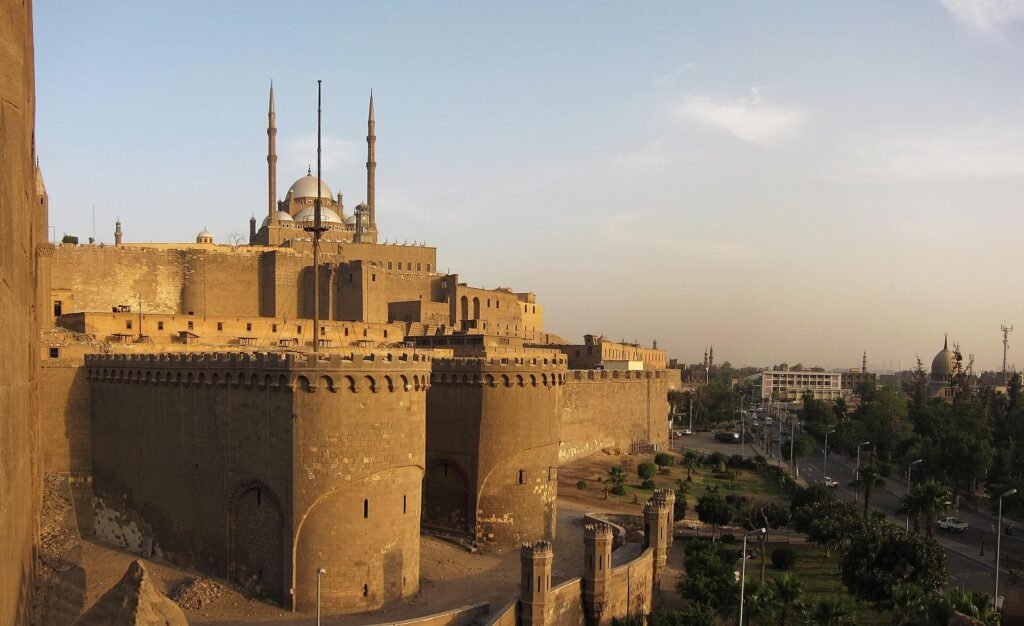
Traffic follows its own script. On the eve, Cairo's streets fill with livestock trucks, pop-up sheep markets on empty lots and last-minute shopping. The first morning, by contrast, is the emptiest and quietest of the year: the perfect moment for the Pyramids, the Citadel or Coptic Cairo with the car moving freely. From midday the noise returns.
In Luxor, Aswan and on the cruise you see the holiday from a distance and little more.
Greetings, food and how to behave when you are invited
Three phrases change your trip. The universal greeting is Eid Mubarak, blessed feast, and it works with anyone: the front desk, your guide, the driver, the juice-stand owner. The more Egyptian version is Kol sana wenta tayeb, roughly "may you be well every year", and the reply is Wenta tayeb. Say it with an American accent and watch faces light up. More basics are in our list of Arabic phrases for travel.
Invitations are real and frequent. During Eid al-Fitr you will be offered kahk, round shortbread cookies buried in powdered sugar and stuffed with dates or walnuts. During Eid al-Adha you may be offered a plate of fattah, rice layered over toasted bread with meat and a garlic and vinegar sauce, which our guide to Egyptian food and what to eat explains in full. Accepting a cookie and a glass of tea is the right move; refusing three times in a row reads as cold. If you are invited to a home, bring sweets from a good pastry shop and take your shoes off at the door if the family does.
Children receive the eidiya, a small banknote from uncles and grandparents, and spend it on firecrackers, balloons and ice cream. Expect firecrackers at night.
Dress does not change from the rest of the year, but a notch more care is appreciated, because everyone around you is wearing something new. Shoulders and knees covered in the street and in the old quarters, as we explain in what to wear in Egypt. The temples and the Pyramids become the Egyptian family outing on these days, so you will be asked to pose for photos with strangers. Accept with patience; it is friendly, not a scam.
Availability and cost, in general words
The rule of thumb: during Eid, whatever Egyptians want gets scarcer and dearer, and whatever foreigners want stays about the same. Red Sea, Ain Sokhna and Alexandria beach hotels charge domestic high-season rates and impose minimum stays. Domestic flights to Hurghada sell out on the eve and on the last day of the bridge. Train fares do not change, but the seats vanish.
Cairo, Luxor and Aswan hotels, and Nile cruise cabins, follow the international tourism season, not the Eid calendar. If Eid falls in summer, those days are low season; if it falls in winter, you pay the usual high season. The full picture is in our guide to high and low season in Egypt.
Entrance tickets, guides and private vehicles do not change price, but many drivers want to spend the holiday with their families, so a car with driver and an English-speaking guide need to be reserved further ahead than usual. Tell us your dates and we send you the quote.
The best plan for each Eid
With all of that in hand, the itinerary almost draws itself.
| Aspect | Eid al-Fitr | Eid al-Adha |
|---|---|---|
| Official length | Three days, often bridged into the weekend | Four days, frequently stretched into a long weekend |
| Mood on the street | Festive, light, families strolling, sweets everywhere | Solemn on the first morning, festive afterwards |
| What might unsettle you | Nothing much beyond nighttime firecrackers | The slaughter in working-class districts on day one |
| Best place for the holiday days | Cairo and Upper Egypt | Luxor, Aswan and the Nile cruise |
| When to do the Red Sea | Before Eid, or from the third day after | Before Eid, or two days after the last holiday |
| Ideal morning for the Pyramids | The second morning of Eid | The first morning of Eid, city empty |
Plan for Eid al-Fitr. Arrive in Cairo during the last days of Ramadan, when the city has its most beautiful nights. Visit Giza and Saqqara on the second morning, while the city sleeps off the long night. Then head south to Luxor and Aswan, and finish on the Red Sea once the domestic long weekend has emptied out.
Plan for Eid al-Adha. Put Cairo on the first morning of Eid, with the Pyramids and the Citadel free of traffic, stay out of the working-class districts until midday, and spend the central days of the holiday on the Nile cruise, where Eid shrinks to a greeting from the crew and a special menu. The Red Sea goes at the end, with two days of margin after the last holiday.
Between Cairo and the south on these dates we prefer the domestic flight to Luxor or Aswan, because the overnight train is the service that suffers most from the long weekend.
Eid is not Ramadan, and the difference matters for your plan
Many travelers blur the two. Ramadan is a month of daytime fasting: neighborhood cafes close during the day, monument hours shrink, and the country's rhythm turns nocturnal. It is a beautiful month, with the best nights of the year in Cairo, but it asks you to adapt your hours.
Eid al-Fitr is the opposite: the explosion of daytime life after the month of fasting. Cafes fill again at noon and everyone is in a better mood. Eid al-Adha, some ten weeks later, has no connection to fasting at all and is lived as a family and street holiday.
In short: in Ramadan, prepare for a country on a night schedule; in an Eid, prepare for a country on vacation.
How Explora Egipto plans a trip around Eid
Our team spends Eid the way every Egyptian family does, which is exactly why we know which day to be where. When a trip overlaps a holiday, we do four things before confirming it.
- We check the official calendar and add the moon and bridge-day margin to your dates.
- We order the destinations so the Red Sea does not land on the holiday days and Cairo gets the empty first morning.
- We block vehicles, guides and cabins weeks ahead, with our own English-speaking team.
- We prepare you for what you will see, the greetings to use and, during Eid al-Adha, the districts to avoid on the first morning.
If you want it, we add an Eid lunch in an Egyptian home with fattah and kahk, an evening in Islamic Cairo under the lanterns, and a felucca at sunset alongside the families on the river.
Frequently asked questions
Are the Pyramids and the temples open during Eid?
Yes. The archaeological sites, the temples and the major museums open during both Eids. Some shorten their hours or start a little later on the first morning, so check the current schedule the week you travel. The first morning of Eid al-Adha is actually one of the best moments of the year to visit Giza, because Cairo is empty for a few hours.
Is it a good idea to go to the Red Sea during Eid?
If you can choose, not on the official holiday days. Hurghada, El Gouna, Ain Sokhna and Alexandria fill with domestic tourism, mid-range hotels sell out and the road from Cairo jams on the eve and on the last day. Put the beach before Eid or two days after the last holiday, and give the central days to Luxor, Aswan and the cruise, where the holiday barely registers.
How do I find out when Eid falls in the year of my trip?
Check a reliable Islamic calendar for that year and add a day of margin on each side, because the start is confirmed by the sighting of the new moon the evening before. The dates move about eleven days earlier every year, and the Egyptian government often extends the holiday to bridge into the weekend. Send us your dates and we tell you whether they overlap and what to adjust.
Will I see animals being slaughtered during Eid al-Adha?
It depends where you are on the first morning. In working-class neighborhoods and in villages the slaughter happens in the street and in courtyards, and you will see blood on the ground for a few hours. In hotel zones, in middle-class districts and in Luxor or Aswan you will see almost nothing. If you would rather avoid it, spend that morning at the Pyramids or the Citadel and go into the old quarters in the afternoon.
What do I say to wish someone a happy Eid, and what if I am invited?
Eid Mubarak always works, and the Egyptian phrase Kol sana wenta tayeb, answered with Wenta tayeb, wins smiles everywhere. If you are offered kahk, tea or a plate of meat, accept at least a little: it is sincere hospitality and refusing outright comes across as cold. If invited to a home, bring sweets from a good pastry shop.
Is Eid the same as Ramadan for a visitor?
No. Ramadan is a month of daytime fasting with shortened hours and a nocturnal rhythm. Eid al-Fitr is the holiday that ends it, with the country on vacation and everything open by day, and Eid al-Adha arrives about ten weeks later with no link to fasting. In Ramadan you adapt your hours; during an Eid you adapt the order of your destinations to sidestep the domestic crowds.
Spend Eid with the people who celebrate it
Tell us your dates and who is traveling, and we build an itinerary that uses the holiday instead of suffering it: Cairo on its emptiest morning, the Nile during the long weekend, and the Red Sea once it clears out. Our own vehicles, our own guides, and the quote on WhatsApp.