
A cheap Nile cruise can be a smart buy, if you know exactly what was cut
A cheap Nile cruise can be a smart buy, if you know exactly what was cut
A cheap Nile cruise is usually an older 4 star ship, a lower deck cabin, 3 nights instead of 4, sailed in low season, with an Egyptologist shared by a larger group. None of those cuts ruin the trip. What ruins it is the second list of savings the ad never prints: temple visits marked optional, entrance fees left out, a guide who cannot explain Karnak in English, and a lock schedule that swallows an afternoon. The honest way to buy a budget Nile cruise is to accept the first list, refuse the second, and get the ship name, deck, included visits and guide language in writing before you pay.
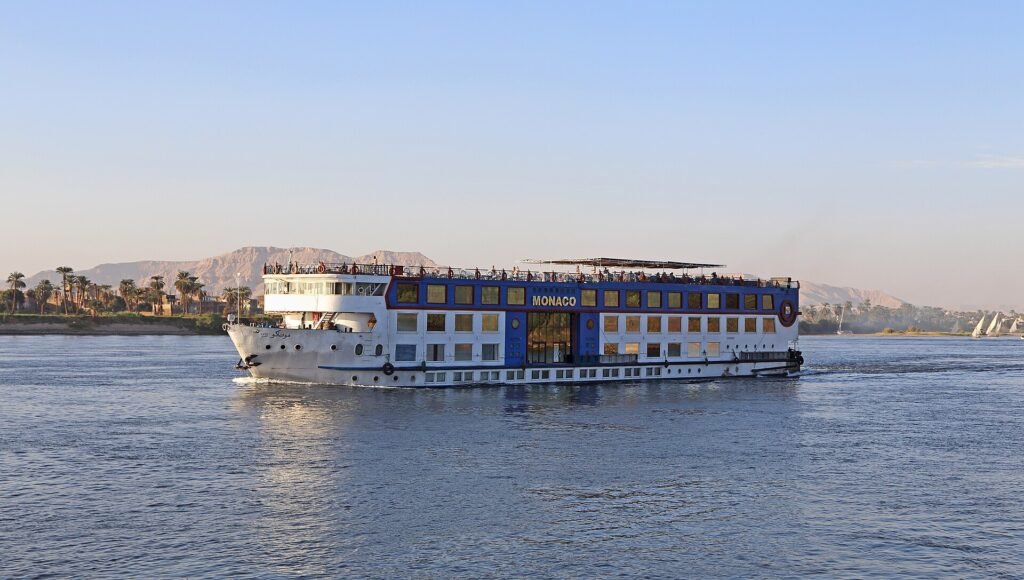
Where a cheap Nile cruise genuinely saves money
The Nile does not know what you paid. Kom Ombo, Edfu, Karnak and the Valley of the Kings are the same monuments whether you arrive from a 5 star deluxe ship or a 4 star boat last refitted a decade ago. Most of the gap between a cheap Nile cruise and an expensive one sits in the ship. These cuts cost you comfort, not experience.
An older 4 star ship
Most of the fleet was built between the late 1980s and the mid 2000s. A 4 star ship is one of those hulls with a renovation or two behind it: smaller pool, plastic deck chairs, a dated lounge, sometimes a dead elevator. The cabin still has air conditioning, a private bathroom and a window on the river.
A lower deck cabin
Same size as the cabins above, with a view close to the waterline and more engine hum. When ships raft together at Edfu, a lower cabin can look straight into the neighboring hull. On many boats it is also the coolest place to sleep in summer.
3 nights instead of 4
The classic pairing is 4 nights from Luxor to Aswan and 3 nights from Aswan to Luxor, and both visit the same temples in most itineraries. The 3 night version drops a slower morning on the water. Our guide to how a Nile cruise works from Luxor to Aswan lays out both directions day by day.
Low season
From May through September the same ships sail with the same crews and Egyptologists, and the fleet fills far fewer cabins. This is the one lever that lowers the number without cutting anything. The trade is heat, covered further down.
A larger group with a shared guide
On a budget sailing, one Egyptologist may lead 20 or more passengers around each temple instead of your family alone. You still hear a trained guide. You also wait for the slowest walker and cannot linger.
Where the cheap deal actually costs you
Now the second list, the one that turns a cheap cruise into a bad one.
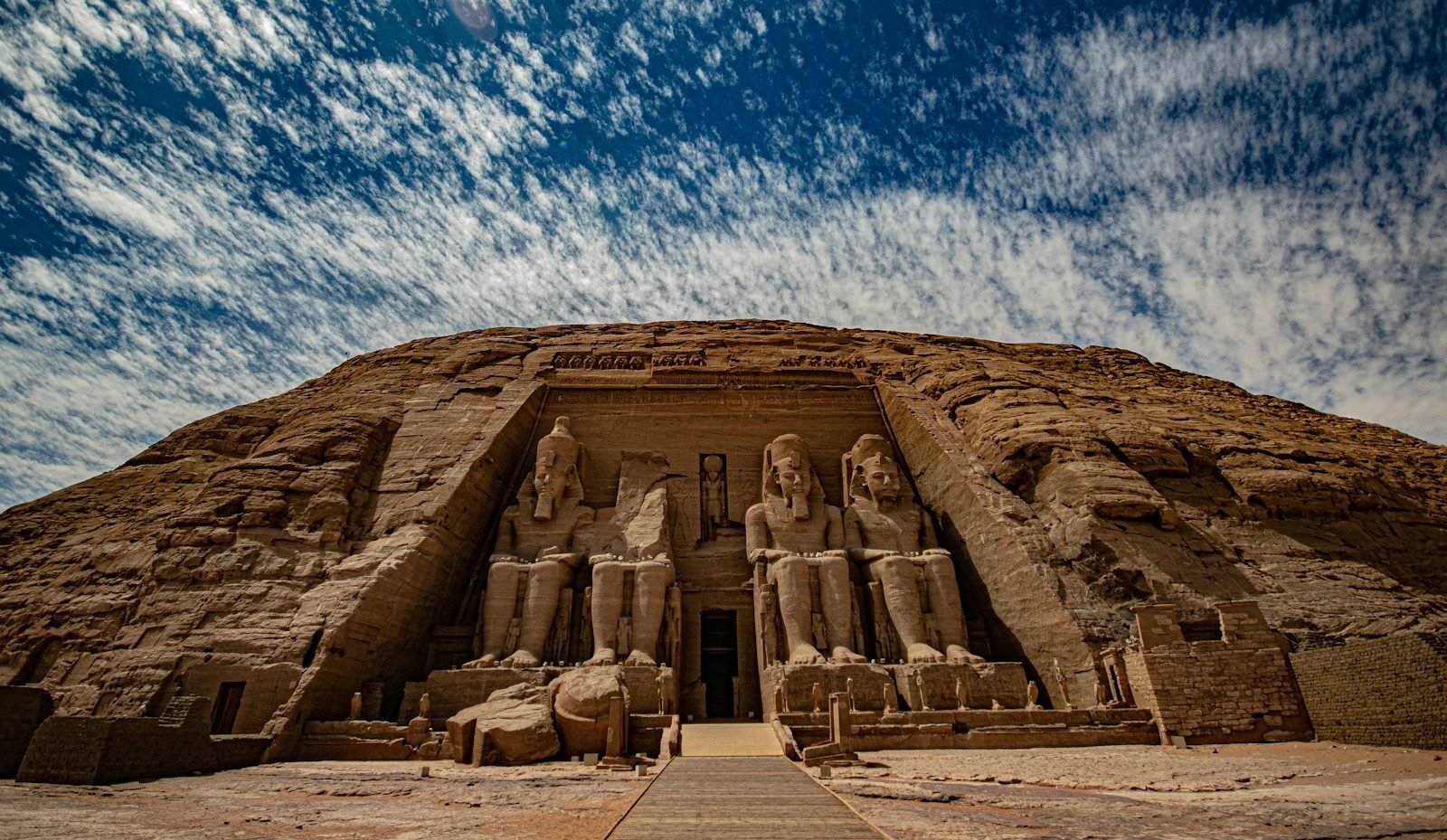
Skipped or optional visits
The cheapest packages hit their number by moving temples into a column called optional: Abu Simbel, Philae, the west bank tombs beyond the standard three. Optional on a Nile ship means you buy it at the reception desk, or you sit on the sun deck while everyone else goes.
Entrance fees excluded
Monument tickets are a fixed cost no operator can shrink, so a cheap quote often hides them behind "entrance fees payable locally." Read our breakdown of Egypt monument entrance fees and which sites charge extra before you compare quotes. A cruise that excludes tickets is not cheaper, it is billed later.
No English speaking Egyptologist
Budget sailings are often mixed nationality groups. Sometimes the Egyptologist works in four languages and gives each a thin version. Sometimes the person walking you round Edfu is an escort who can name Horus but cannot tell you why the temple faces the way it does. If you came for the history, this is the most expensive saving on the list.
Long waits at the Esna lock
Every ship between Luxor and Aswan passes the lock at Esna, and the queue is real. Ships are called through by the slot the operator secured, and the cheapest boats rarely hold the best ones. Several hours moored below the lock is normal, and on a tight 3 night schedule that can push Edfu to a rushed dawn.
Worn cabins
An old ship is fine. An old ship nobody maintains is not: an air conditioner that rattles all night, a shower that drains slowly, a mattress with a valley in it. With the temples at 6 a.m., poor sleep costs you the trip.
Food quality
Almost every Nile ship serves full board from a buffet. On a good 4 star boat it is simple and fresh. On the cheapest boats it is the same rice, chicken and salad three times a day, with bottled water sold at a bar rate that surprises people.
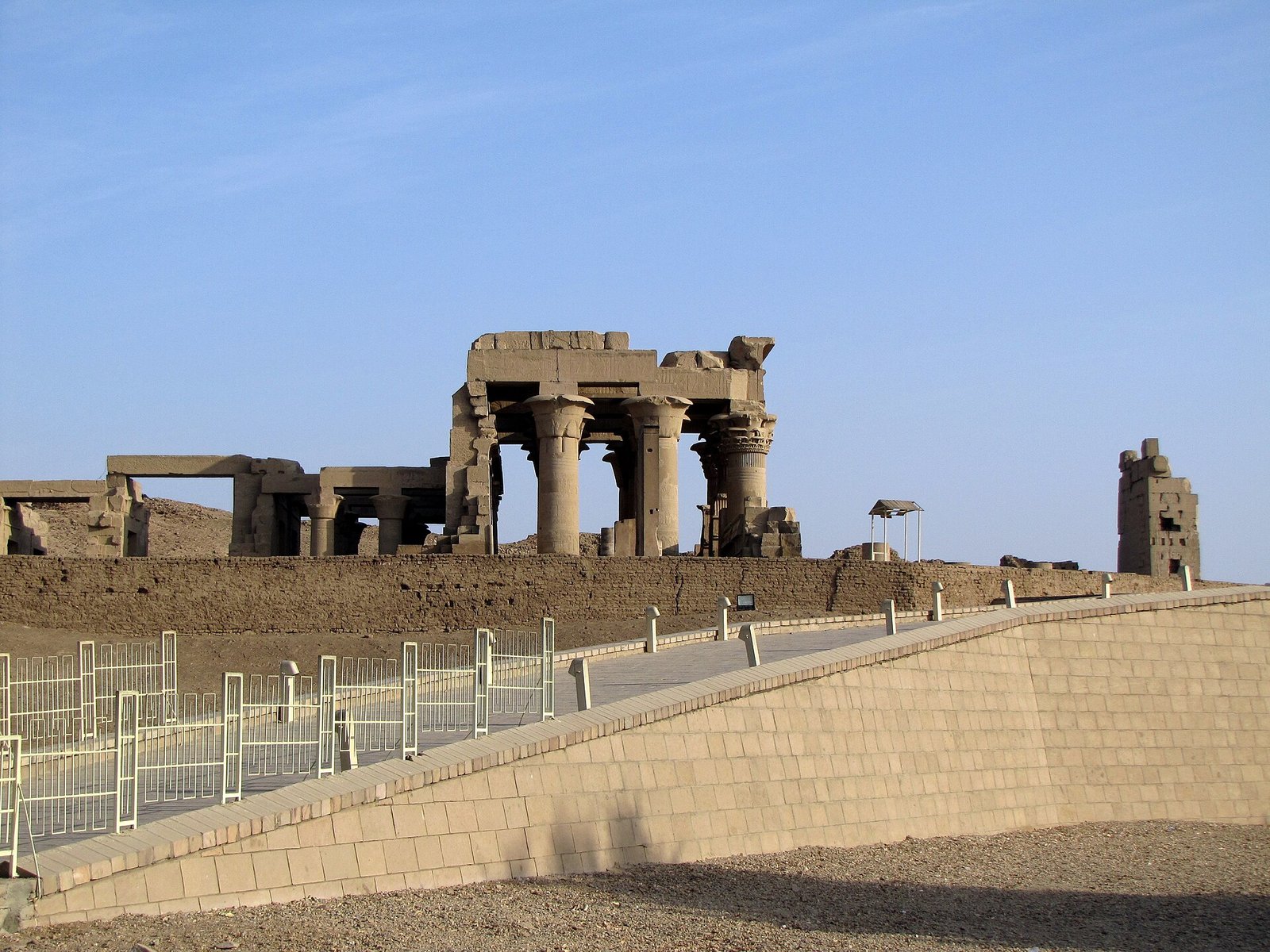
Cheap is not the same as bad
A cheap cruise is a lower category ship, in a lower deck cabin, in a lower season, sold with the full list of visits and every ticket included. A bad cruise is any ship, at any price, where the itinerary was hollowed out to hit a number. The first is an honest product. The second is a trap that happens to be inexpensive.
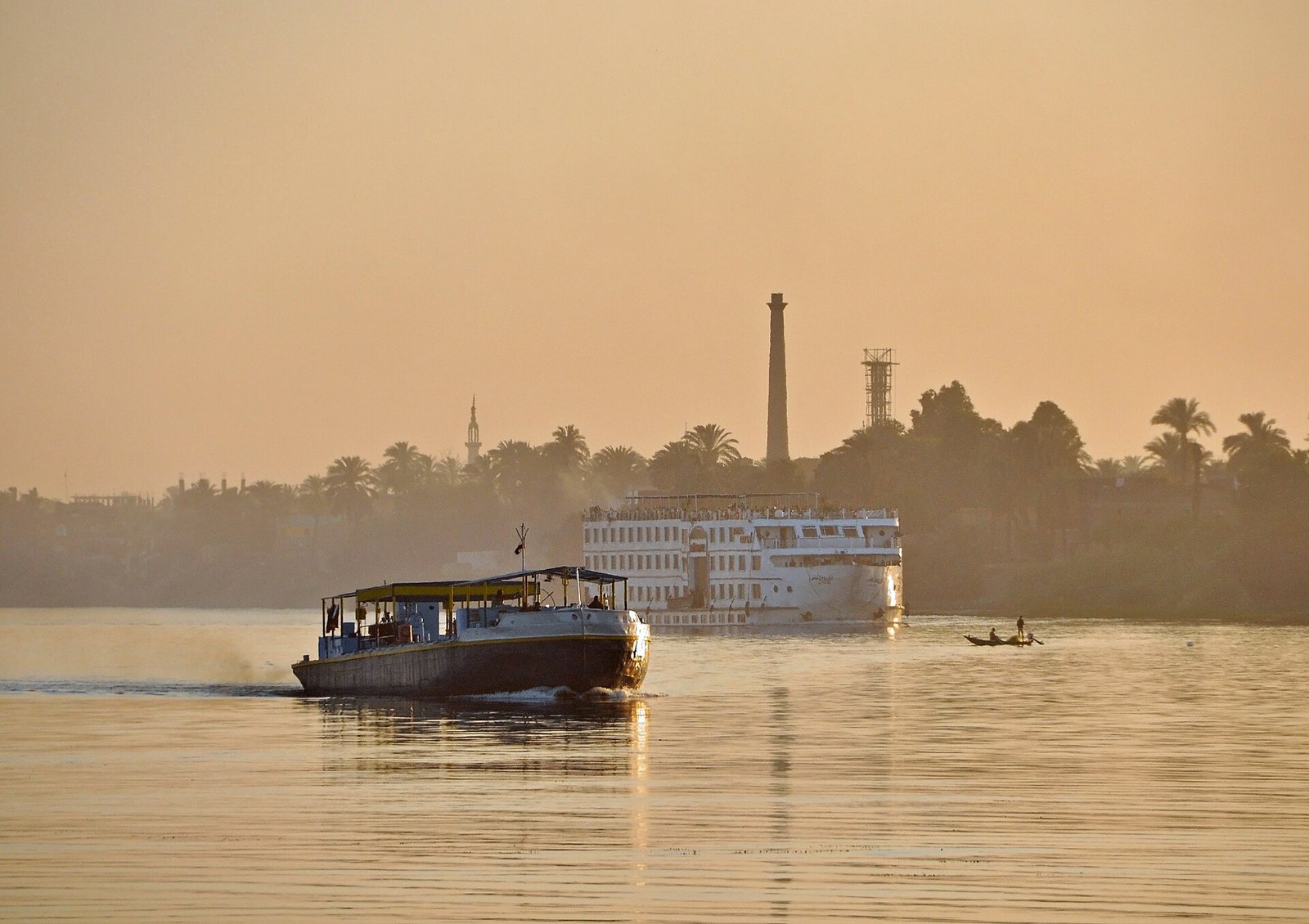
The test takes one minute. Put the visit list of the cheap offer next to a mid range one. If only the ship, the cabin and the season changed, it is a cheap cruise. If the list got shorter, if "included" became "available," if "with Egyptologist" became "with guide," it is a bad one.
A good cheap cruise, written out: a named 4 star ship with its renovation year, lower deck double, 3 nights Aswan to Luxor in June, Philae, Kom Ombo, Edfu, Karnak, Luxor Temple, Valley of the Kings and Hatshepsut included with tickets, a licensed English speaking Egyptologist, private transfers.
A bad cheap cruise, written out: "5 star or similar," "standard cabin," "excursions available on board," "guide included," transfers "on request." The second may even quote a higher number than the first. The number tells you nothing until you know what is behind it.
What is cut, what you notice, and whether it is worth it
The table we wish every online listing came with.
| What is cut | What you notice | Worth it? |
|---|---|---|
| Older 4 star ship instead of 5 star deluxe | Smaller pool, dated lounge, plastic deck chairs, sometimes no elevator | Yes, if the ship is named and maintained |
| Lower deck cabin | Water level view, engine hum, a neighbor's hull when moored | Yes for most travelers, no for light sleepers |
| 3 nights instead of 4 | One less lazy morning on the river, tighter shore schedule | Yes, if you add a night in Luxor on land |
| Low season sailing | Afternoon heat, quieter temples, empty sun deck | Yes, for anyone who copes with heat |
| Shared guide, larger group | Waiting, fewer questions, fixed pace | Acceptable, better fixed with a private guide on land |
| Visits marked optional | Paying at reception or staying on board | No, never |
| Entrance fees excluded | A second bill mid trip, paid at every gate | No, it is the same money billed later |
| No English speaking Egyptologist | Temples without the story, names without meaning | No, this is what you came for |
| Shared transfers | Waiting at the airport for other flights, hotel stops | Sometimes, on short hops only |
| Ship not named | You find out which boat when the bus stops | No, walk away |
Everything above "visits marked optional" is a comfort saving you can accept. Everything from that line down is a content saving you should not.
Low season is the honest lever
If you want a cheaper Nile cruise and refuse to give up a single temple, the date is your tool. From May to September the fleet sails with the same crews, Egyptologists and buffets, and cabins go for far less than in Christmas week. Nothing is cut. You travel when fewer people want to.
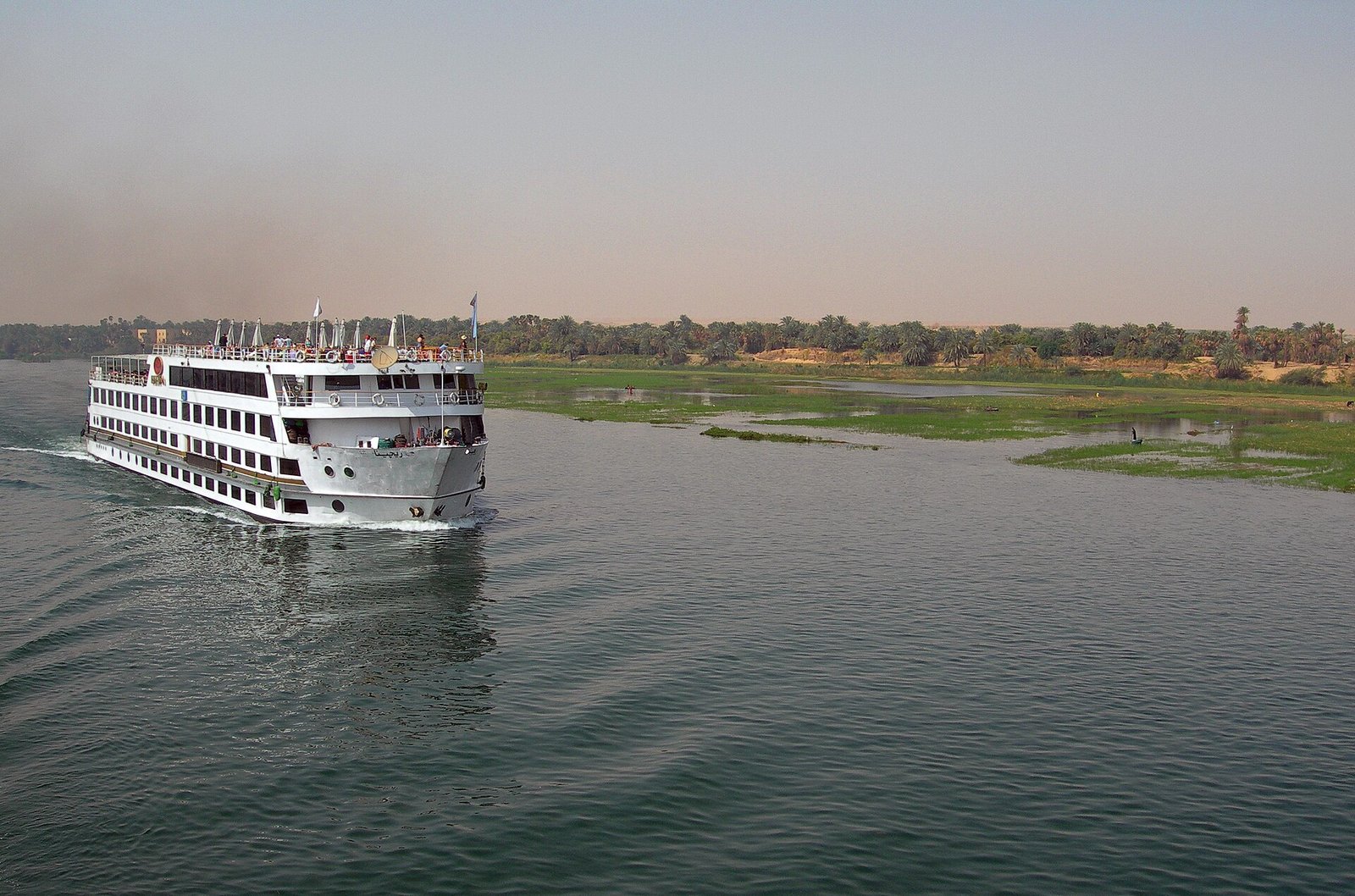
The trade is heat. Luxor and Aswan run above 40 C (104 F) on summer afternoons, and the stone at Karnak radiates it back. A good ship moves every visit to early morning and late afternoon and leaves the hottest hours for sailing, lunch and the pool. Edfu at 7 a.m. in July is quiet, golden and walkable. Edfu at 1 p.m. in July is a mistake.
Low season suits early risers, photographers who want the temples empty, and anyone who has done Arizona in August. It does not suit toddlers or travelers with heat sensitivity. Read our guide to high and low season in Egypt and when to travel before you pick a week, because Ramadan and school holidays shift the picture.
The shoulder weeks
Late April, late September and early November give you most of the saving with most of the comfort: cool mornings, warm rather than punishing afternoons, ships not yet full. If your dates can move by a couple of weeks, say so.
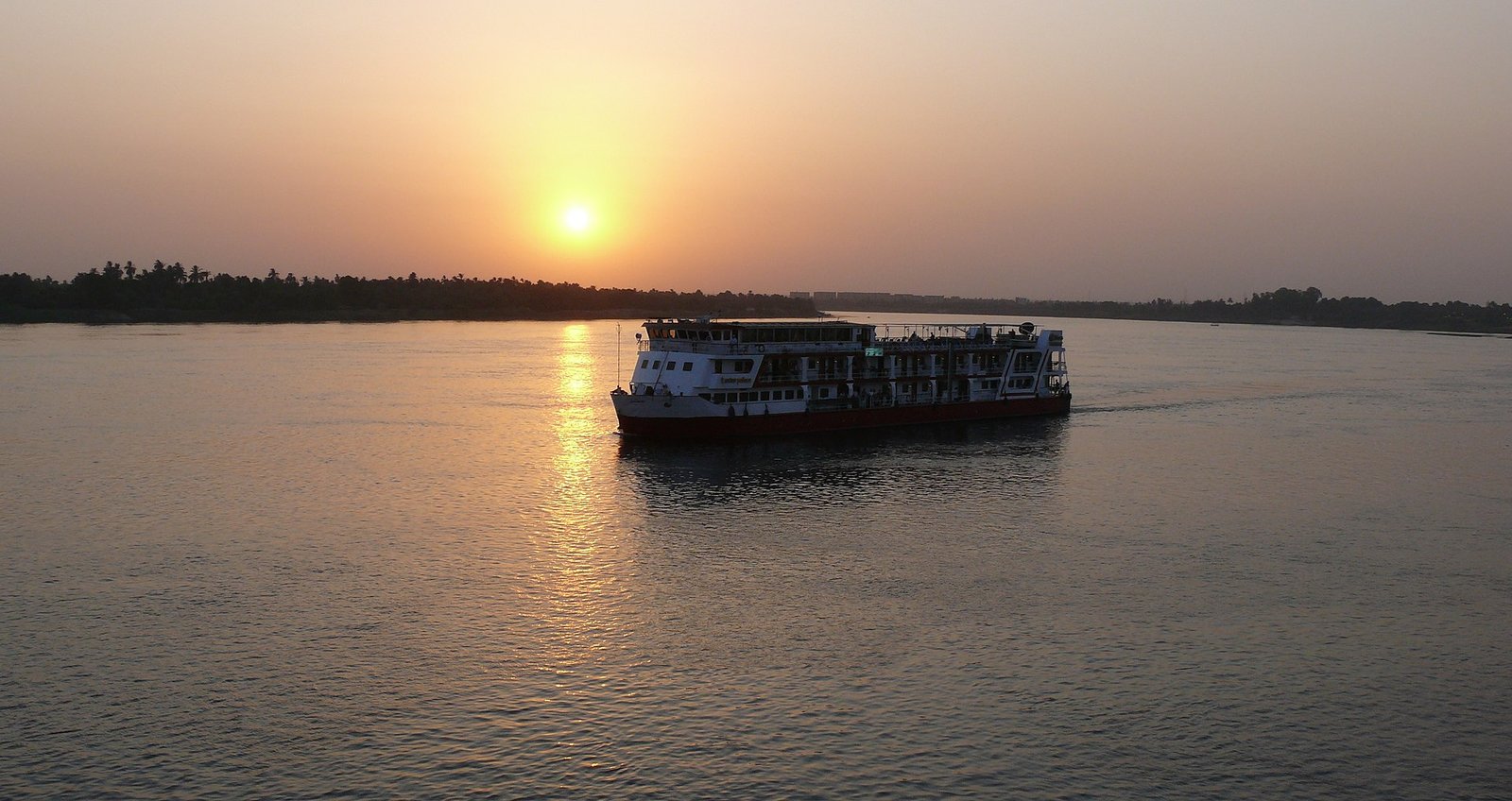
The questions to ask before booking a cheap Nile cruise
Ask these in writing. An operator who cannot answer the first two has not decided which boat you are on.
- What is the ship's name and when was it last renovated? A name lets you look at recent photos of that hull. A renovation year tells you whether the air conditioning is from this decade.
- Which deck and which cabin category? "Standard cabin" is not an answer.
- Which visits are included, and are the tickets included with them? Ask for the list by name: Philae, Kom Ombo, Edfu, Karnak, Luxor Temple, Valley of the Kings, Hatshepsut. Then ask which come with tickets. Both halves matter.
- Who is the guide, and in what language? The words you want are "licensed Egyptologist" and "English speaking." Ask whether the guide is shared with other language groups.
- How are the transfers arranged? Private car to the ship, or a shuttle that waits for three other flights?
- What is the drinks policy? Full board is standard. Ask whether water at meals is included.
- How large is the group on shore? A number, not "small."
- What happens if the ship changes? Get it in writing that any substitution is the same category or higher, with the same itinerary.
Our guide on how to choose a Nile cruise goes deeper on the ship side, and our comparison of Nile cruise boat types separates a 4 star hull from a 5 star deluxe one.
Red flags in online cheap Nile cruise offers
Most budget Nile cruise listings on aggregator sites are resold two or three times before the cabin is booked, and each layer removes a detail.
- No ship named. "5 star Nile cruise" and a stock photo of a pool. If the operator will not name the boat before you pay, they do not know which boat has space that week.
- "Or similar." Two words that allow any ship in the same self declared category, and on the Nile "5 star" is a loosely policed label.
- Price per person based on 4 sharing. Quad occupancy is the smallest number a listing can print. Almost nobody sails four to a cabin, and when you ask for a double, the offer disappears.
- "Excursions available" or "optional tours." The visits line moved out of the package. Treat it as an itinerary with no temples until proven otherwise.
- "Guide included" with no language. If the language is not written, assume it is not English.
- "Final itinerary confirmed on arrival." You will be fitted into whichever group sails that day.
- No local address, no local phone. A reseller with no presence in Egypt cannot solve a problem at the Esna lock at 9 p.m.
Together these describe a product that has not been defined yet. Our advice on how to choose an Egypt tour operator lists the checks that separate a local agency from a reseller.
The smart combination: a cheap cruise and a good private guide on land
This is the arrangement we recommend most often to budget travelers who care about the history. Treat the ship as bed, board and transport, and put the money you saved into the person who explains the temples. The shore visits are where quality varies most. A group of 25 behind a shared guide at Karnak is a very different afternoon from a private Egyptologist walking your family through the hypostyle hall at your own pace.
- Private guide for everything. Book the cruise with visits and tickets included, and add a private Egyptologist who meets you at each dock and takes you through the sites separately from the ship's group.
- Private guide for the big sites only. Take the ship's group tour for Kom Ombo and Edfu, which are compact, and hire a private guide for the Luxor west bank and Karnak, where a good Egyptologist changes everything.
With a local agency this is a single package, not two bookings. The guide already knows which dock the ship uses.
How to ask a local agency for the best value rather than the lowest number
The lowest number is easy to get. Any agency can drop the guide, exclude the tickets and put you on the oldest hull in the fleet. The best value takes a different question.
- Describe the shape of your budget, not the number. Say you want the cheapest honest option, that you accept an older ship, a lower deck and a shorter sailing, and that you will not accept optional visits, excluded tickets or a guide who does not work in English.
- Name what you cannot give up. For most travelers it is the English speaking Egyptologist and the Valley of the Kings.
- Give a date range, not a date. A two week window in low or shoulder season lets the agency put you on the sailing with the best ship.
- Ask for two quotes side by side. The cheapest honest one, and the one the agency would book for its own family. The gap tells you what the savings cost.
- Ask for the quote line by line. Ship, deck, nights, visits with tickets, guide and language, transfers, meals. Our guide to what moves a Nile cruise price shows what a proper quote looks like.
If you are still deciding whether the whole trip fits, our honest answer to whether Egypt is expensive to travel puts the cruise in context. A budget Nile cruise sailed the right way is one of the best value pieces of an Egypt trip, and one of the worst when bought blind.
Frequently asked questions
Is a cheap Nile cruise safe?
Yes, on any licensed ship. Every passenger vessel between Luxor and Aswan sails under the same river authority rules, carries the same safety equipment and moors at the same guarded docks. The difference between cheap and expensive is comfort and service, not safety. The one thing to check is that the operator names the ship, because an unnamed boat cannot be looked up.
Is 3 nights enough for a Nile cruise?
For the temples, yes. The 3 night Aswan to Luxor sailing covers Philae, Kom Ombo, Edfu, Karnak, Luxor Temple and the west bank in most itineraries, the same core list as the 4 night version. What you lose is a slower morning on the water and some margin if the Esna lock runs late. Add a night in Luxor on land and the 3 night cruise is the sensible budget choice.
Should I avoid a lower deck cabin?
Not automatically. Lower deck cabins are the same size as those above, on the same air conditioning system, and in summer they are often the coolest on the ship. The drawbacks are a low view, more engine noise when sailing at night, and a wall of neighboring hull when ships raft together. Light sleepers and people who want to watch the river from bed should pay for an upper deck.
Can I get an English speaking Egyptologist on a budget cruise?
Yes, but ask for it in writing, because the cheapest listings often provide a multilingual escort or a guide shared between language groups. A local agency can attach a licensed English speaking Egyptologist to a budget sailing, either as your group's guide on the ship's excursions or as a private guide who meets you at each dock. The second option is the best value upgrade a cheap cruise can have.
Is low season too hot for a cheap Nile cruise?
It is hot, and it is manageable if the ship plans around it. Summer afternoons in Luxor and Aswan pass 40 C (104 F), so visits move to early morning and late afternoon, and the middle of the day is spent sailing, eating and in the pool. Bring a hat, a refillable bottle and light long sleeves. Travelers with small children or heat sensitivity should look at the shoulder weeks instead.
Do cheap Nile cruises include entrance fees?
Many do not, and that is the most common reason a cheap quote is not actually cheaper. Monument tickets are a fixed cost no operator can reduce, so leaving them out is the easiest way to print a lower number. Ask for the visit list with "tickets included" against each site. If the answer is "entrance fees payable locally," add them back before you compare that offer with anything else.
Tell us what you can give up, and we will find the cheapest honest cruise
Send us your rough dates, how many nights you want on the water and the one or two things you will not compromise on. We reply with the ship name, the deck, the visit list with tickets, the guide language and the transfers, all in writing, and we send you the quote line by line.
Keep exploring
To finish planning your trip to Egypt
- ▸How much does a Nile cruise cost, and what actually moves the price
- ▸Honeymoon Nile Cruise: Dahabiya or 5 Star Ship, Cabins
- ▸Nile Cruise Reviews: Is a Nile Cruise Worth It? Honest Guide
- ▸Nile Cruise Luxor to Aswan or Aswan to Luxor: Which Way?
- ▸Nile Cruise Boats: Types, Categories and How to Choose the Right One
- ▸What an all inclusive Nile cruise really includes, and what it does not
- ▸Egypt Temperature by Month: Cairo, Luxor and Hurghada
- ▸See all our Egypt tours