The Pyramids, the Nile and the temples that changed history
This trip is right for you if you have one week of vacation, want the Pyramids and a Nile cruise in the same week, and would rather travel privately than with forty strangers on a coach. Want a slower pace? A longer program suits you better.
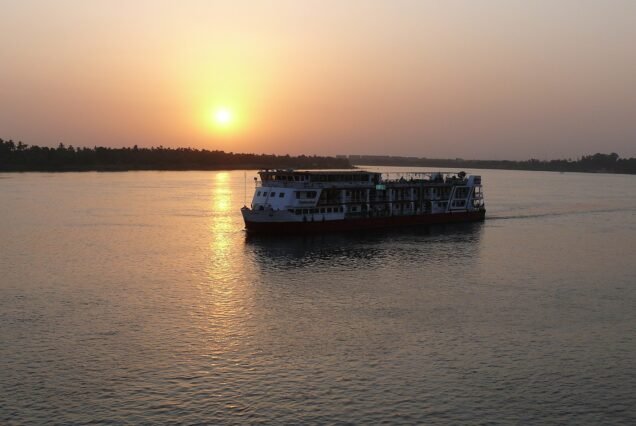
Seven days, six nights, Cairo to Luxor. Three nights in a Cairo hotel with breakfast, a short domestic flight south to Aswan, then three nights aboard a Nile cruise with all meals, sailing north to Luxor. A licensed Egyptologist is with you at every site, in English, and every monument gate listed below is paid before you arrive, so you never stand in a ticket line counting out Egyptian pounds.
One thing we say plainly, because buyers get burned by it: we do not sell you your international flight. You book your own ticket into Cairo, send us the flight number, and we meet you at the airport. We sell everything after you land, as the company that runs it, from an office in Egypt.
| Duration | 7 days, 6 nights. Day 1 is arrival only. Day 7 ends at Luxor airport. |
| Route | Cairo, 3 nights. Domestic flight to Aswan. Nile cruise Aswan to Luxor, 3 nights aboard. Home out of Luxor, direct or connecting in Cairo. |
| Group size | Private. Your guide, your driver, your vehicle, your dates. The cruise ship is the one shared element. |
| Flights | The Cairo to Aswan domestic flight is included. The international flight is not sold, quoted or booked by us. Prefer that leg by road? We agree it with you. |
| Monument gates | Prepaid. The eight gates with a published 2026 ministry fee come to 4,540 EGP per person, and you pay none of it at the window. |
| Pace | Sites in the morning light, quieter afternoons, short transfers, nothing on arrival day. |
What separates this week from the same seven days sold by a reseller is boring and practical. Someone is in arrivals with your name before passport control. The domestic flight is issued, so Aswan is a 75 minute hop instead of a day on the road. When something moves, the person who fixes it is in Egypt. For the same route with more room, see our 10-day Egypt itinerary.
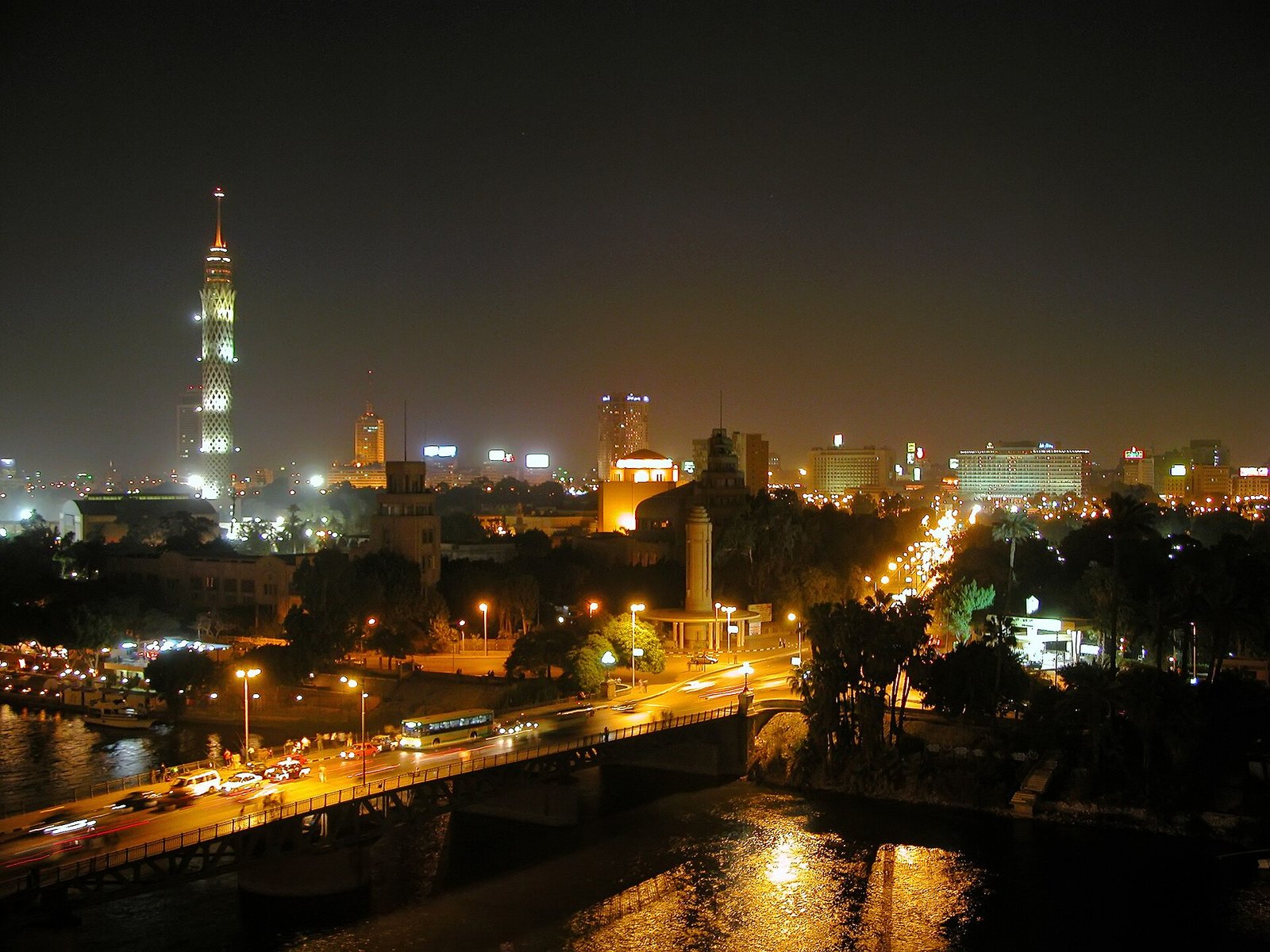
Our representative waits on the airside of passport control holding your name and walks you through immigration to your driver. A private car takes you to the hotel, with no taxi rank to negotiate.
Then we leave you alone, and that is deliberate. A long-haul flight into Cairo eats most of a day once you add the connection and the time change. Selling you a pyramid visit that afternoon would be selling you a day you cannot use.
Sites: none. Meals: none included today. Night: Cairo hotel.
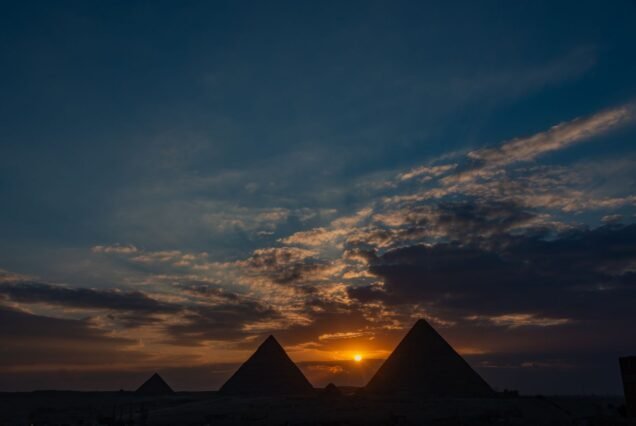
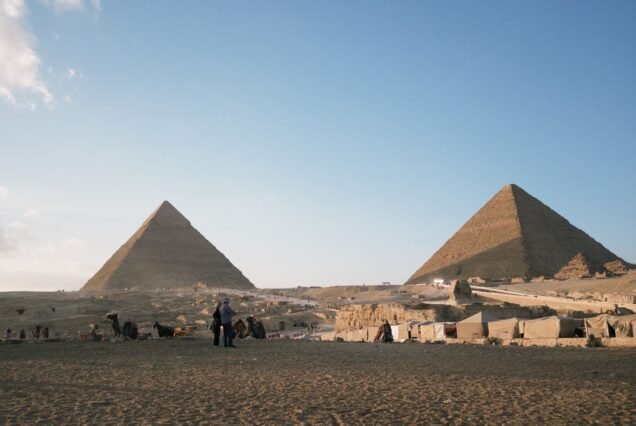
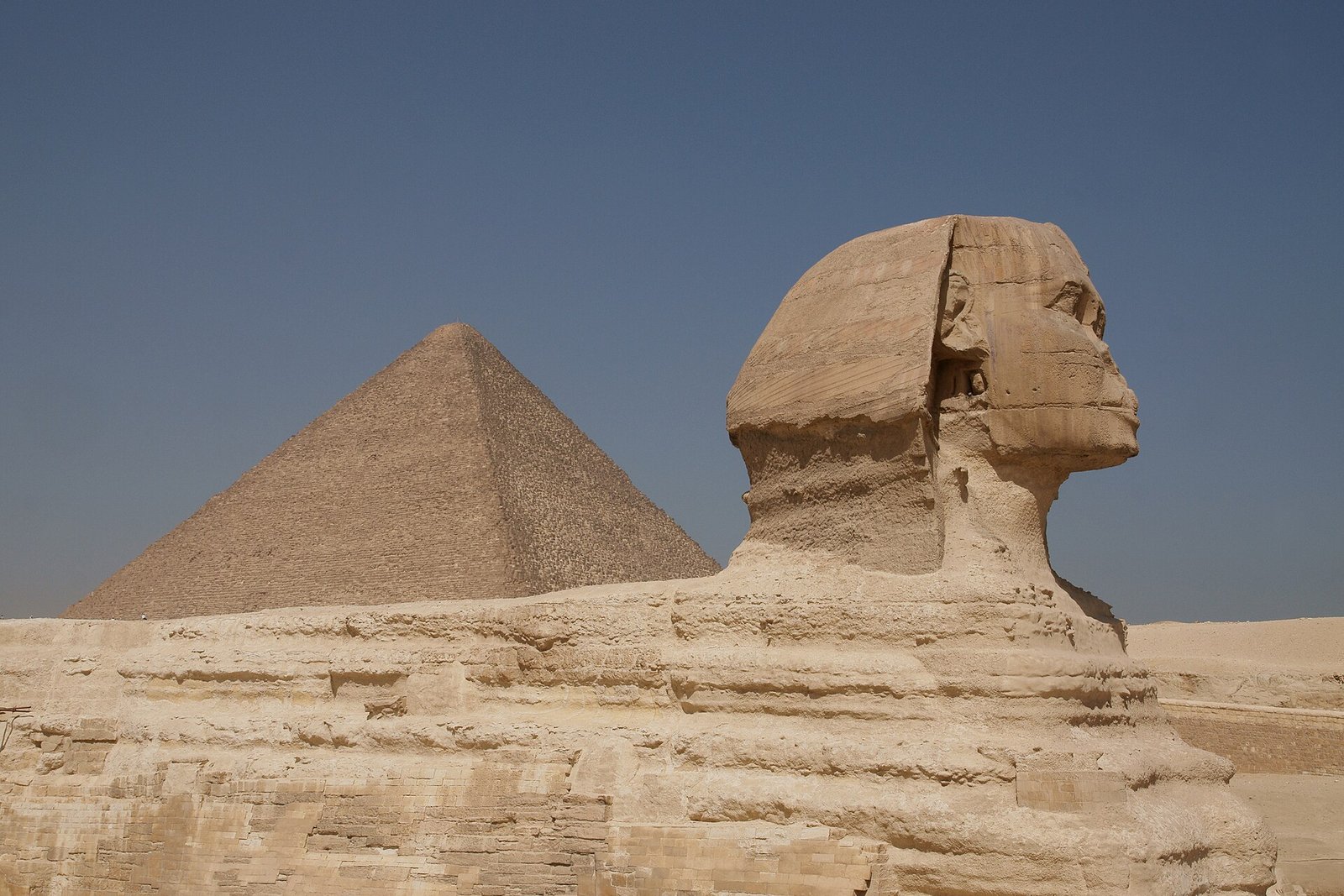
The big one, and we start early. You are on the plateau while the light is still low: Khufu, Khafre with its cap of casing stone still clinging on, Menkaure, then the viewpoint where all three line up and the scale registers. Last comes the Sphinx, smaller than the photographs suggest and stranger in person. Going inside the Great Pyramid is a separate 1,000 EGP ticket at the plateau office.
After lunch, the Citadel of Saladin and, inside it, the Alabaster Mosque of Muhammad Ali. Shoulders and knees covered, shoes off, and women are handed a scarf for the prayer hall.
Sites: Giza pyramids, Great Sphinx, Citadel of Saladin, Alabaster Mosque. Meals: breakfast. Night: Cairo hotel.
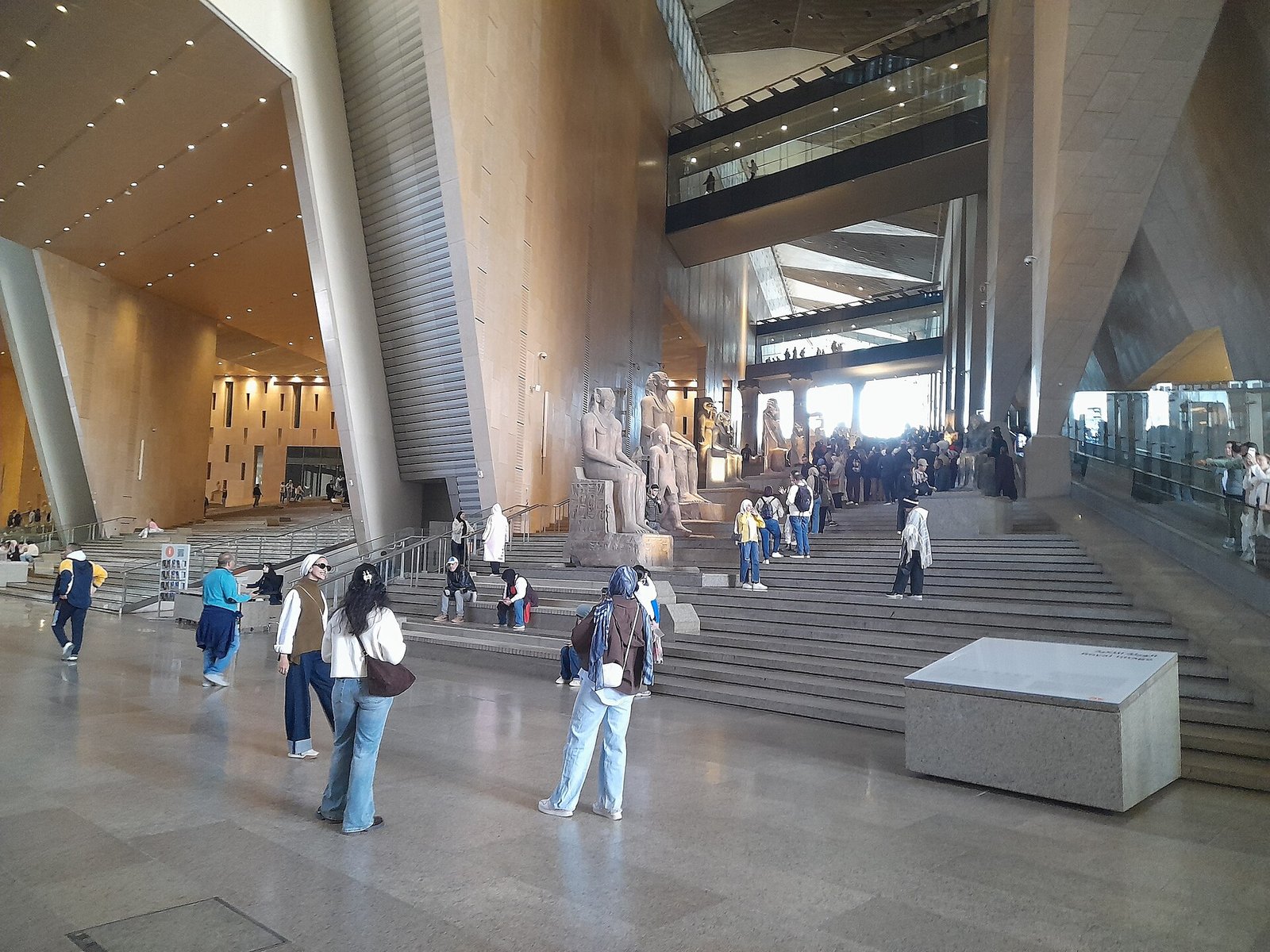
The morning belongs to the Grand Egyptian Museum, at the foot of the plateau. The grand staircase climbs past colossal statuary to a window framing the pyramids, and the Tutankhamun galleries hold the complete tomb assemblage together for the first time. It is a very large building, and a guide who knows what to skip earns their fee here. Want the Egyptian Museum on Tahrir Square too? Say so when you book: the gate is 550 EGP.
Then Khan el-Khalili, trading on the same lanes since the fourteenth century: hammered copper, lanterns, spice sacks. Bargaining is expected, and your guide will tell you a fair opening number.
Sites: Grand Egyptian Museum, Khan el-Khalili bazaar. Meals: breakfast. Night: Cairo hotel.
Transfer to the domestic terminal for the short flight to Aswan, included and ticketed. It saves the better part of a day against the road, which is why a seven day itinerary works at all.
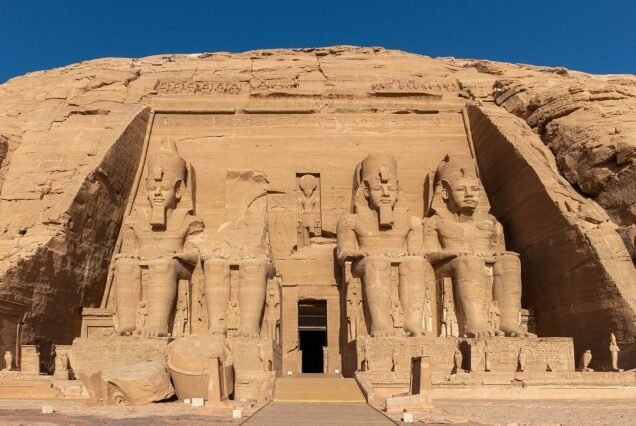
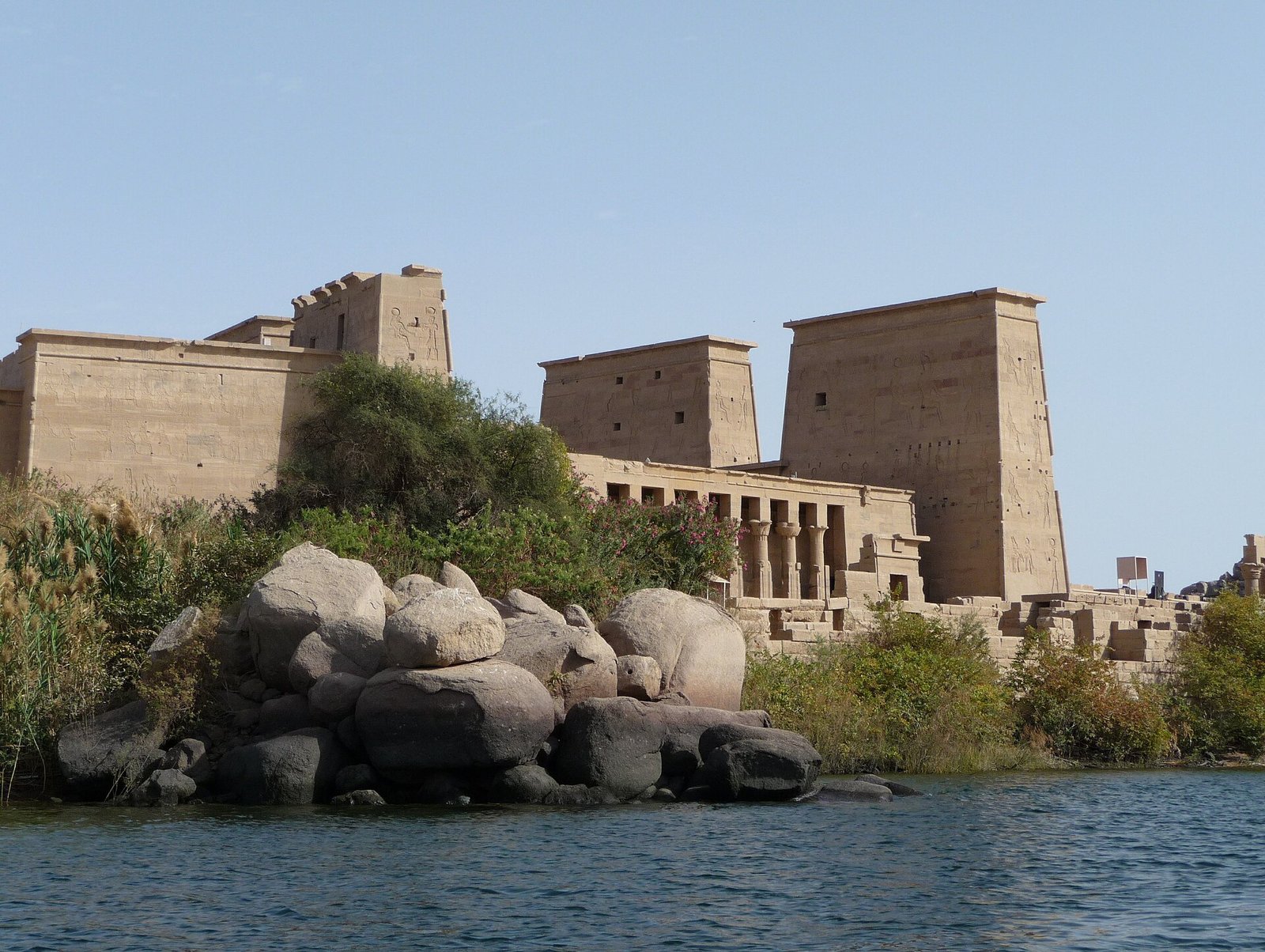
Aswan is the calmest city in the country. You board your ship on arrival and it is your hotel for three nights, every meal included from here on. The same day you see the Aswan High Dam, which created Lake Nasser, then the Temple of Philae, a temple to Isis cut into pieces and rebuilt on higher ground when the water rose. You reach it by motorboat, which is half the pleasure. Travelers who want Abu Simbel added from Aswan take it as an optional excursion today.
Sites: Aswan High Dam, Philae Temple. Meals: breakfast, lunch, dinner. Night: aboard the ship in Aswan.
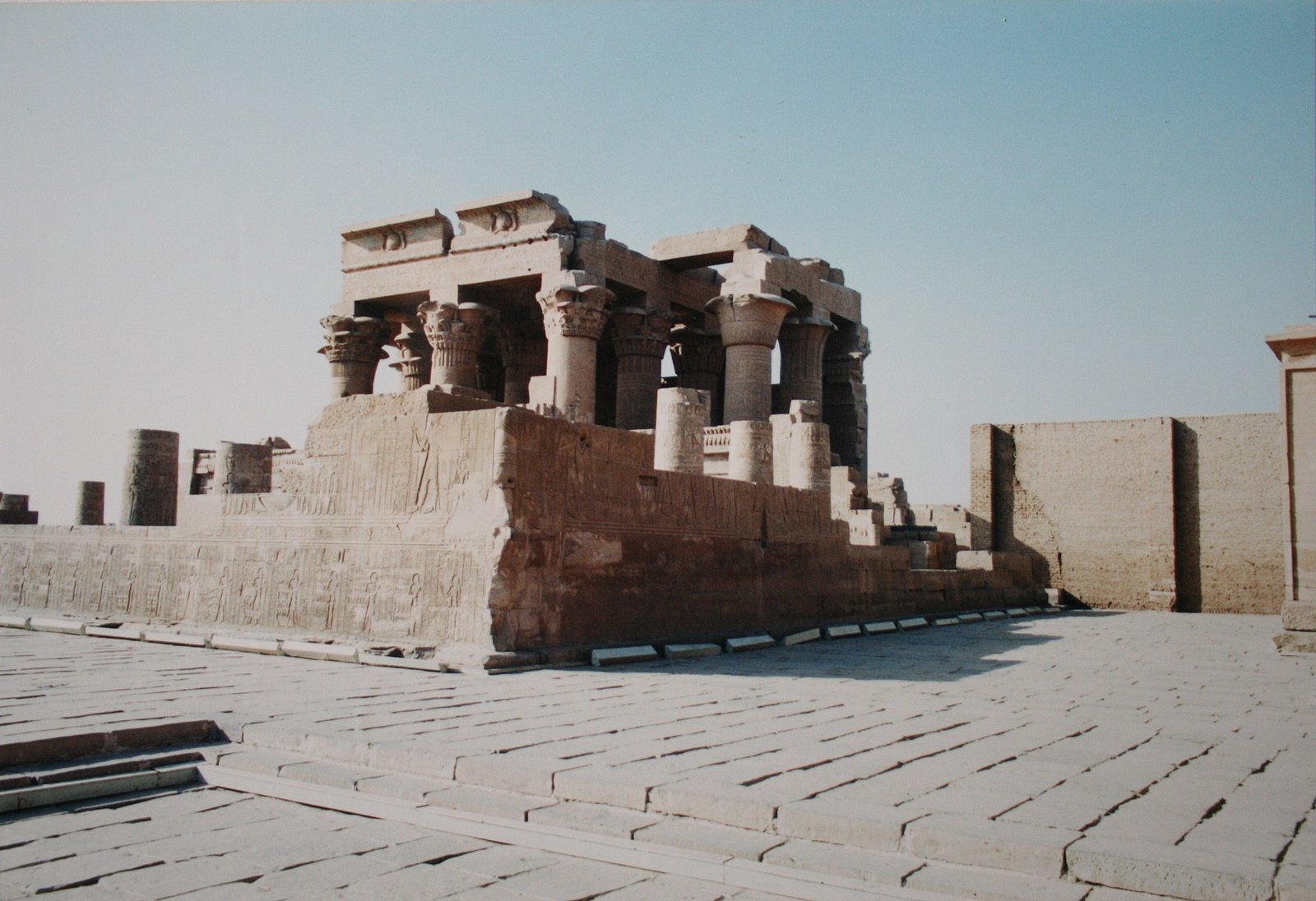
Today the ship moves, which is what justifies doing the Nile by water rather than by highway. Kom Ombo is a double temple split with unusual symmetry between Sobek the crocodile god and Horus the elder: two sanctuaries, two entrances, one roof, with a museum of mummified crocodiles next door. Edfu is the Temple of Horus, the most completely preserved temple in Egypt, with a full pylon, an intact roof and a dark sanctuary where the granite shrine still stands. It survived because silt buried it for centuries.
The rest of the afternoon is deck time: date palms, mud brick villages, feluccas crossing the bow. If the river is your real reason for coming, our Aswan to Luxor Nile cruise runs the same water on its own.
Sites: Kom Ombo Temple, Temple of Horus at Edfu. Meals: breakfast, lunch, dinner. Night: aboard the ship.
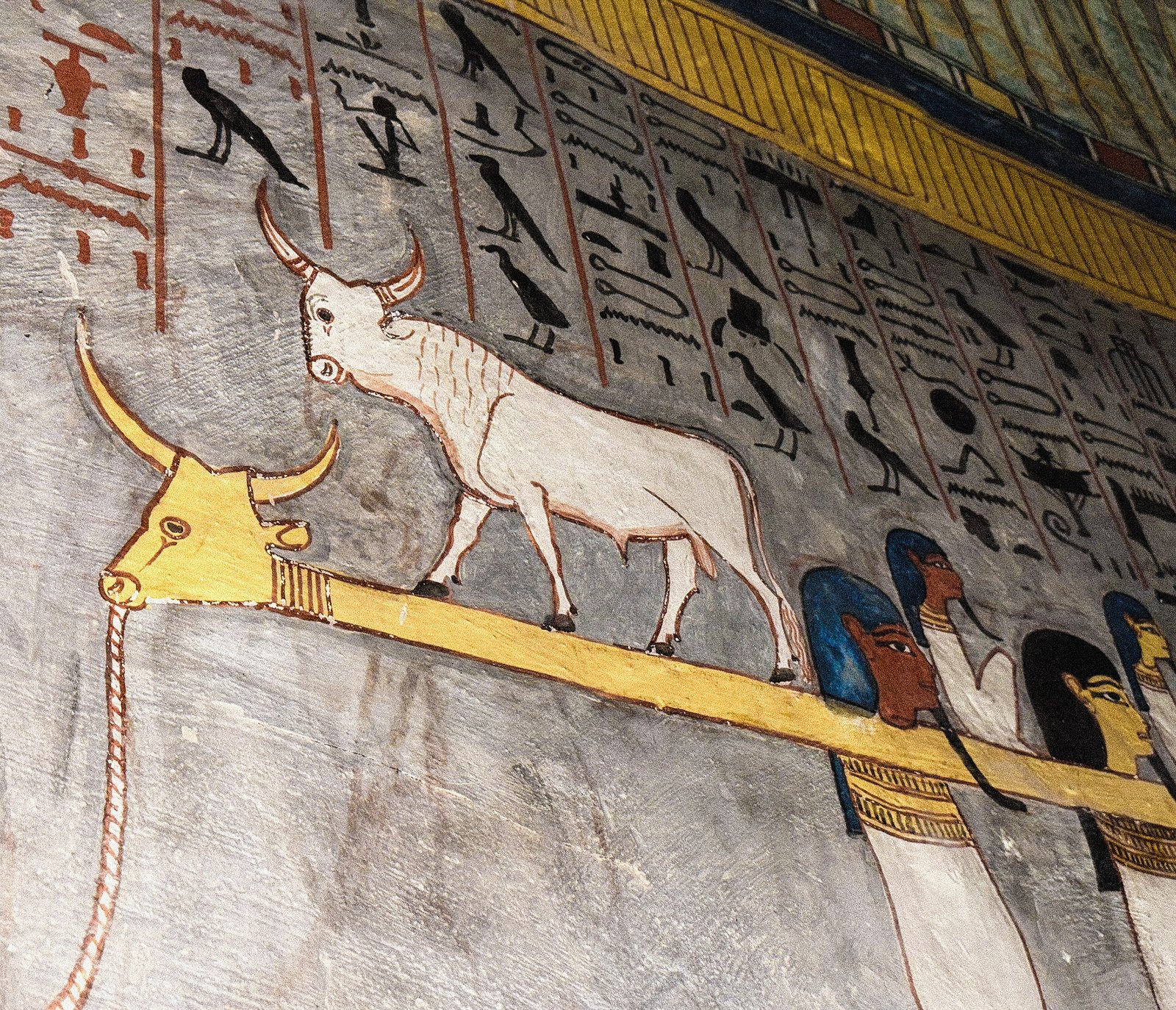
Luxor holds more standing antiquity per square kilometer than anywhere on earth, and you get both banks in one day. Start early on the west bank, because by eleven the Valley of the Kings is genuinely hot. Your ticket covers three tombs, and your guide steers you toward the ones open that week with the best surviving paint. That color is three thousand years old and has never been retouched.
Then the mortuary temple of Hatshepsut, terraced into the cliff at Deir el-Bahari, built for a woman who ruled as pharaoh and whose successors tried to erase her from the record. The Colossi of Memnon stand beside the road on the way back, all that is left of a lost temple.
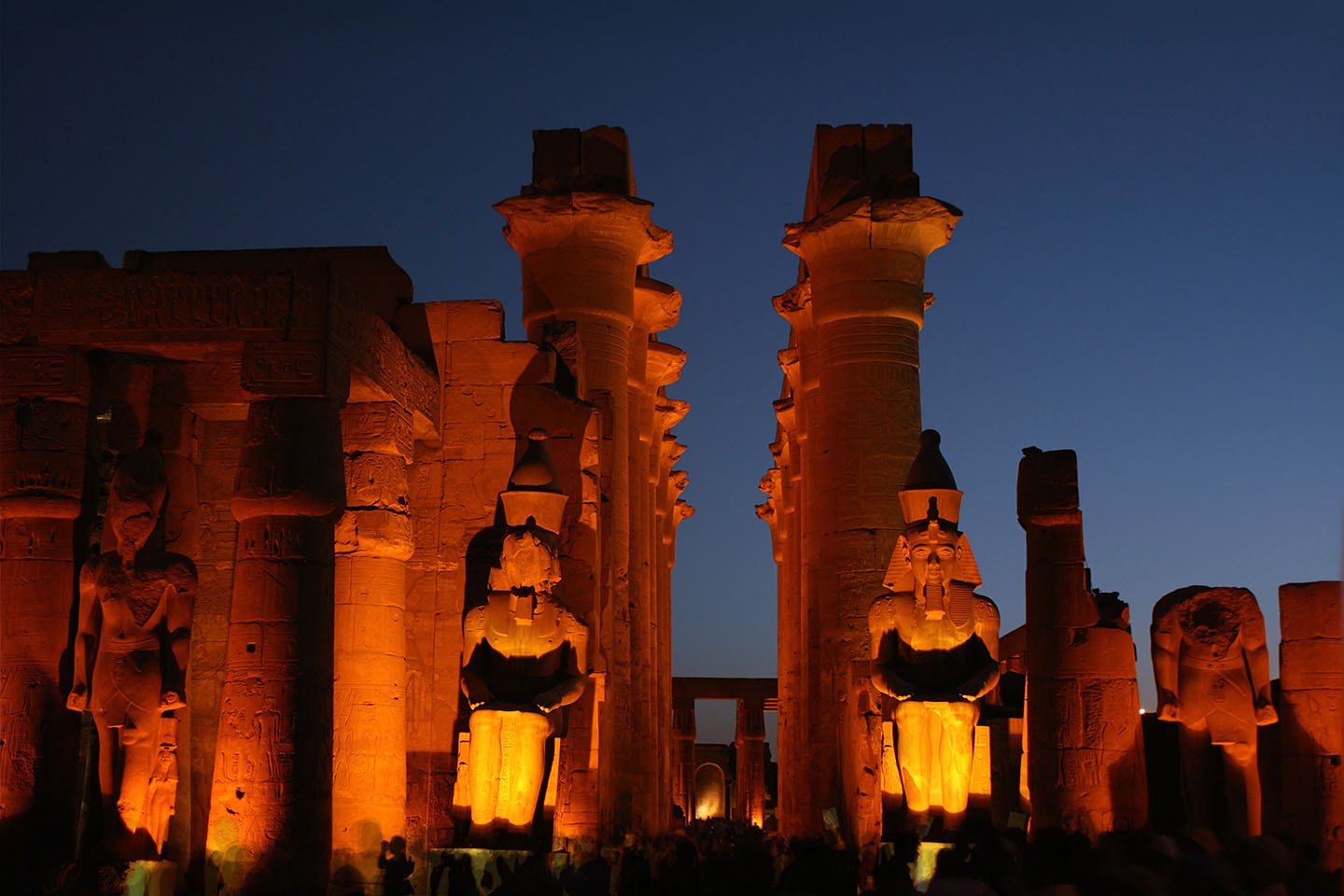
The east bank in the late afternoon: Karnak, where the hypostyle hall and its 134 columns is the most overwhelming room in Egypt, then Luxor Temple in the last of the light.
Sites: Valley of the Kings with 3 tombs, Hatshepsut Temple, Colossi of Memnon, Karnak, Luxor Temple. Meals: breakfast, lunch, dinner. Night: aboard the ship in Luxor, or a Luxor hotel.
A last breakfast with the river in front of you. Depending on your flight time there is usually room for a walk along the corniche. Then a private transfer to Luxor airport, where you fly out direct or connecting through Cairo on your own ticket. Our services end there, so build a sensible connection window into your homeward booking, and ask us first if unsure.
Sites: free time in Luxor. Meals: breakfast. Night: not included, you are in the air.
Want it in writing?
Day by day, hotels, what is included and the price for your dates. We send it on WhatsApp in a few minutes.
If something appears on neither list, it is included. No fine print, no surprise charge on arrival.
Official 2026 rates, per person. You pay none of this at the window.
| Giza plateau, pyramids and Sphinx | 700 EGP |
| Philae Temple, Aswan | 550 EGP |
| Kom Ombo Temple | 450 EGP |
| Temple of Horus, Edfu | 550 EGP |
| Valley of the Kings, 3 tombs | 750 EGP |
| Hatshepsut Temple | 440 EGP |
| Karnak temple complex | 600 EGP |
| Luxor Temple | 500 EGP |
| Total already paid for you | 4,540 EGP |
Roughly 91 US dollars per person at 1 USD = 49.79 EGP (Central Bank of Egypt, 6 August 2026). Rates are published by the Ministry of Tourism and Antiquities on egymonuments.org and are subject to change. The pound figure is the real one; the dollar figure moves with the rate.
Three further gates are prepaid and left out of that total on purpose: the Grand Egyptian Museum, the Citadel of Saladin and the Aswan High Dam. We would rather omit them than print a figure we cannot source to the ministry platform. Most Egypt tour pages say entrance fees are included and leave you guessing whether that means two gates or eleven. Here it means these eleven, by name.
From US$1,348 per person
Per person in double occupancy. Includes the domestic flight inside Egypt and every monument entry listed on this page. It does not include your international flight, which we never sell.
That opening figure is real: two people sharing, four star Cairo hotels, standard cruise ship. Five things move it. Season: October through April is high season; the June to August heat is when the same week is cheapest. Category: upgrade the Cairo hotel, the ship, or both, and the identical itinerary runs up toward US$2,350 per person. Party size: a private guide and vehicle split four ways costs each traveler less than a couple pays. Traveling alone: a single supplement applies. Add-ons: Abu Simbel, the Great Pyramid interior, extra nights.
Nothing is payable today. Send your dates and traveler count on WhatsApp, we come back the same day with a written quote that itemizes what you are buying, and you hold the dates with a deposit rather than the full amount. You can also compare the rest of our Egypt tour packages first.
No. We do not sell, book, quote or coordinate international flights, and be wary of any Egypt operator that folds one into a headline price without showing you the fare. You buy your own ticket into Cairo and out of Luxor and send us the details. The domestic Cairo to Aswan flight is included and ticketed by us.
Check it yourself rather than taking an operator's word. Read the live travel advisory your own government publishes for Egypt, and check it again close to departure, because the level can change. Whatever an advisory says about Sinai, it matters less than it sounds here: North Sinai is on the far side of the Suez Canal, well away from anywhere this trip goes, and none of these seven days enters Sinai. We will not hand you a security assessment as a durable fact. Read the advisory, then our fuller answer on safety in Egypt.
The Egypt e-Visa is 30 USD for single entry and 65 USD for multiple entry. You will see 25 USD on plenty of travel sites and it is out of date; embassy pages quote more because a consular visa is a different product with a service charge. Apply at visa2egypt.gov.eg a week before you fly and print the approval. Buying on arrival also works: the bank window sits before immigration at Cairo airport and takes US dollars in cash only, so carry crisp bills.
However far you are flying, a long-haul arrival plus a time change leaves arrival day functionally gone, which is why this itinerary schedules nothing on it. You are not losing a sightseeing day, because there was never a usable one.
Do not drink the tap water and do not brush your teeth with it. Bottled water is in the vehicle every touring day and available on the ship. Skip ice outside your hotel and the cruise, skip raw salad, and stick to fruit you peel yourself. Restrooms at Karnak and the Valley of the Kings often have no paper and expect a small tip, so carry tissues and small pound notes.
Tipping happens more often in Egypt than at home, in smaller amounts. A working guide: Egyptologist guide, 10 to 15 USD per person per day; driver, 5 USD per day; cruise crew, a pooled envelope to reception at the end, around 8 to 10 USD per person per day; housekeeping, 20 to 30 EGP a day; porters, 20 EGP a bag; felucca captain, 50 EGP; restroom attendant, 5 to 10 EGP. Use small Egyptian pound notes rather than dollars, and none of it is compulsory.
Egypt is more relaxed than most first-time visitors expect, and it varies by site. At Giza, in the Valley of the Kings and at the temples, lightweight long pants or a midi skirt with a t-shirt work for anyone. Shorts are tolerated at the pyramids, but you will be the one who is sunburned. On the cruise sun deck, resort clothing is fine. Mosques are the strict case: shoulders and knees covered, shoes off, and women cover their hair in the prayer hall, with scarves provided at the door. Outside mosques, covering your hair is not required anywhere in Egypt.
We do not sell it and it is not included, but you should have it. Domestic health cover often gives little or nothing once you leave your own country, so this is a real gap rather than a formality. Look for medical treatment abroad, emergency evacuation with a meaningful limit, and trip cancellation. Buy it soon after you book: cancellation cover is often time-linked to your deposit date.
Both, for different jobs. Bring clean US dollars in cash for the visa if you are buying on arrival. For daily spending use Egyptian pounds: tips, the bazaar, coffee, attendants. ATMs work reliably in Cairo, Aswan and Luxor and beat an airport exchange desk. Cards work at hotels, on the cruise and in larger restaurants, and get unreliable outside the cities. Ask for small notes when you withdraw.
Both are common. Abu Simbel runs on Day 4 from Aswan, to the rock temples of Ramesses II and Nefertari, returning in time to sail. It is either an early road convoy or a short flight, and that affects the price, so ask us for the current figure. The Cairo to Aswan leg can be done overland instead, but be honest about the trade: the flight is a little over an hour and the road is most of a day. For room to absorb that, see our 12-day Egypt itinerary.
Many Egypt itineraries are sold by companies that are not in Egypt at all. They take your booking, take a margin, and hand the week to a local operator who does the work. That layer costs you money, and it costs you time when something needs fixing, because the company you contracted with is asleep when your flight moves.
We are the local operator. The Egyptologist who meets you at Giza is ours, the drivers are ours, the relationships with the cruise ships and the ticket offices are ours. Message the WhatsApp number on this page at ten at night and the reply comes from someone in Egypt who can pick up a phone and change something. It also means the price here is an operating price, not a wholesale cost with a reseller margin on it.
Now the less flattering parts, because you should know them before you send money. We do not sell international flights, so the biggest single cost of your trip is one you arrange yourself. We do not sell travel insurance. And our reviews, twelve of them, rated 5.0, are about the agency and our guide Shady Said, not about this specific itinerary, and we will not manufacture ones that are. Read all twelve in full.
If that trade sounds right, send your dates, traveler count and departure city, and you will have an itemized quote the same day.
Tell us the essentials in 30 seconds. When you send it, WhatsApp opens with your message already written and someone from our team takes it from there.
A real person from our team replies, not a bot, almost always the same day. A quote is free and commits you to nothing.
We use your details only to prepare your quote. We do not share your information or send you advertising.