Dolphin House in Hurghada is a wild reef, and the dolphins decide whether you meet them
Dolphin House in Hurghada is a wild reef, and the dolphins decide whether you meet them
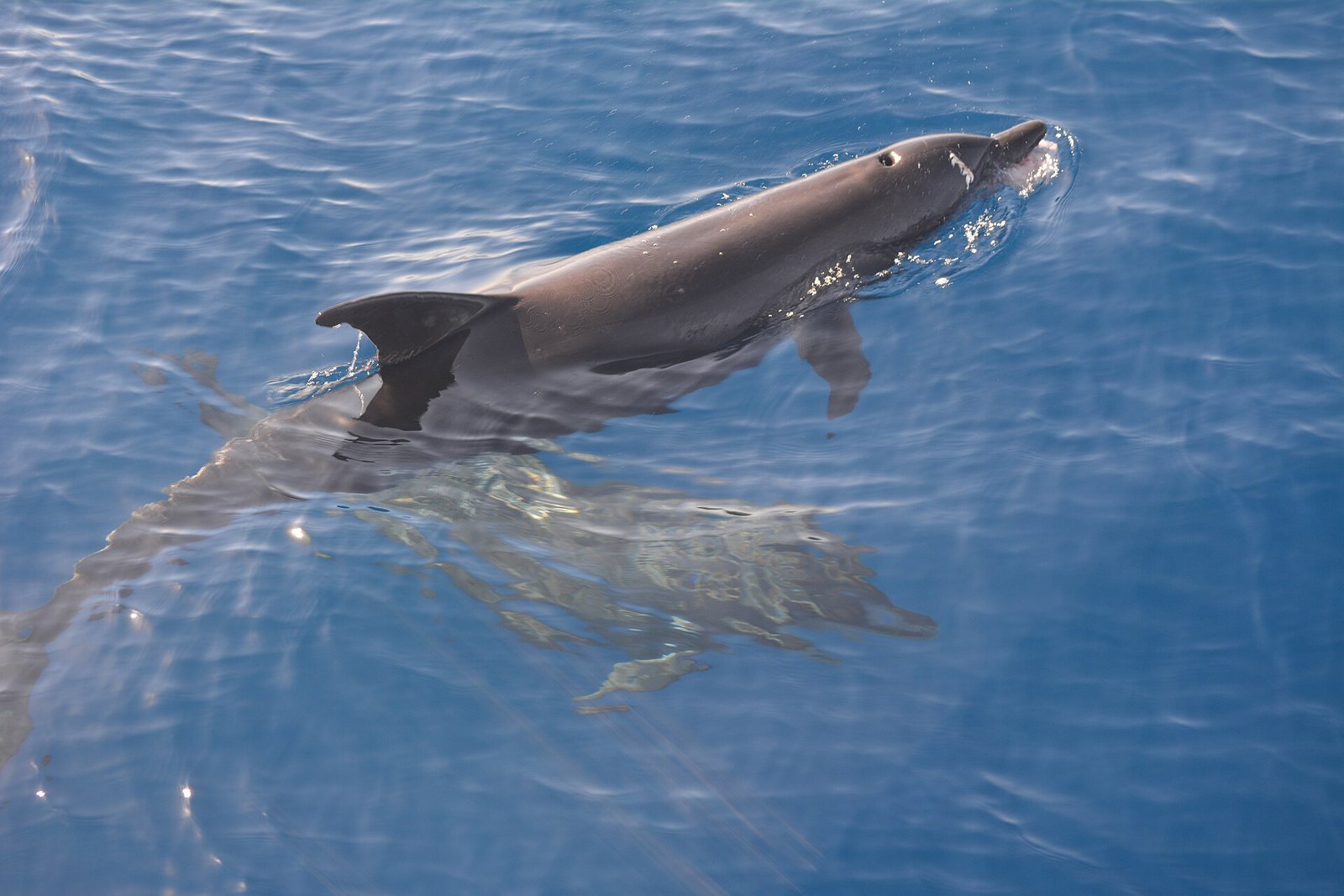
Dolphin House is the tourist name for Sha'ab el Erg, a horseshoe-shaped coral reef in the Red Sea north of Hurghada, off El Gouna. Pods of wild Indo-Pacific bottlenose dolphins, and at times spinner dolphins, use its sheltered lagoon to rest by day after hunting offshore at night. The trip is a full boat day: a morning sail out, snorkel stops on the outer reef, lunch on board, and a chance, never a promise, of dolphins swimming past you in clear water. Nobody feeds, calls or corrals them. Good operators anchor outside the lagoon, keep numbers in the water small and never chase. Here is what the day really looks like, the honest odds, the rules that matter, and how we pick the boat.
What Dolphin House actually is
Sha'ab el Erg sits roughly an hour and a half by boat north of Hurghada marina, a little less from El Gouna, in open water toward the Gulf of Suez. It is a large reef shaped like a horseshoe, two coral arms enclosing a shallow, sandy lagoon that stays calm even when there is chop outside.
That lagoon is the whole point. Bottlenose dolphins hunt at night in deep water and come inshore in the morning to rest, nurse calves and socialize somewhere sheltered and shallow, where they can see anything approaching. Sha'ab el Erg is one of the best resting sites on this stretch of coast, which is why a pod is there so often the reef earned its nickname.
These are wild animals in their own home, not a dolphinarium, and everything good and bad about the trip flows from that. And there is a second "Dolphin House" in Egypt, Samadai reef near Marsa Alam, plus a "Dolphin Reef" called Sataya further south. This guide is about the Hurghada one; the southern reefs come up below. If you are still deciding how many days to give the coast, our guide to what to see in Hurghada puts this trip alongside the other sea days worth having.
The dolphins of Sha'ab el Erg, and how they behave
The regulars are Indo-Pacific bottlenose dolphins, the slightly smaller, stockier cousin of the species most Americans picture. They live in fluid groups that split and merge, sometimes a dozen animals, sometimes forty with calves in the middle. Spinner dolphins, the long-beaked acrobats that leap and twist in the air, turn up too, though they are the star species at the southern reefs rather than here.
What matters for you is the daily rhythm. A resting pod moves slowly, in wide loops, close to the surface, with half the brain literally asleep. Mothers keep calves on the inside. Drop thirty people into the water in the middle of that and the pod tightens, dives and leaves, and it may not come back that day. This is why the rules exist and why operators who ignore them are ruining their own product.
When they are awake and curious, the encounter is entirely on their terms. A pair passes underneath, rolls to look up at you with one eye, circles and passes again. It lasts as long as they are interested, two minutes or twenty, and then they are gone.
What the trip is: a boat day, not a dolphin show
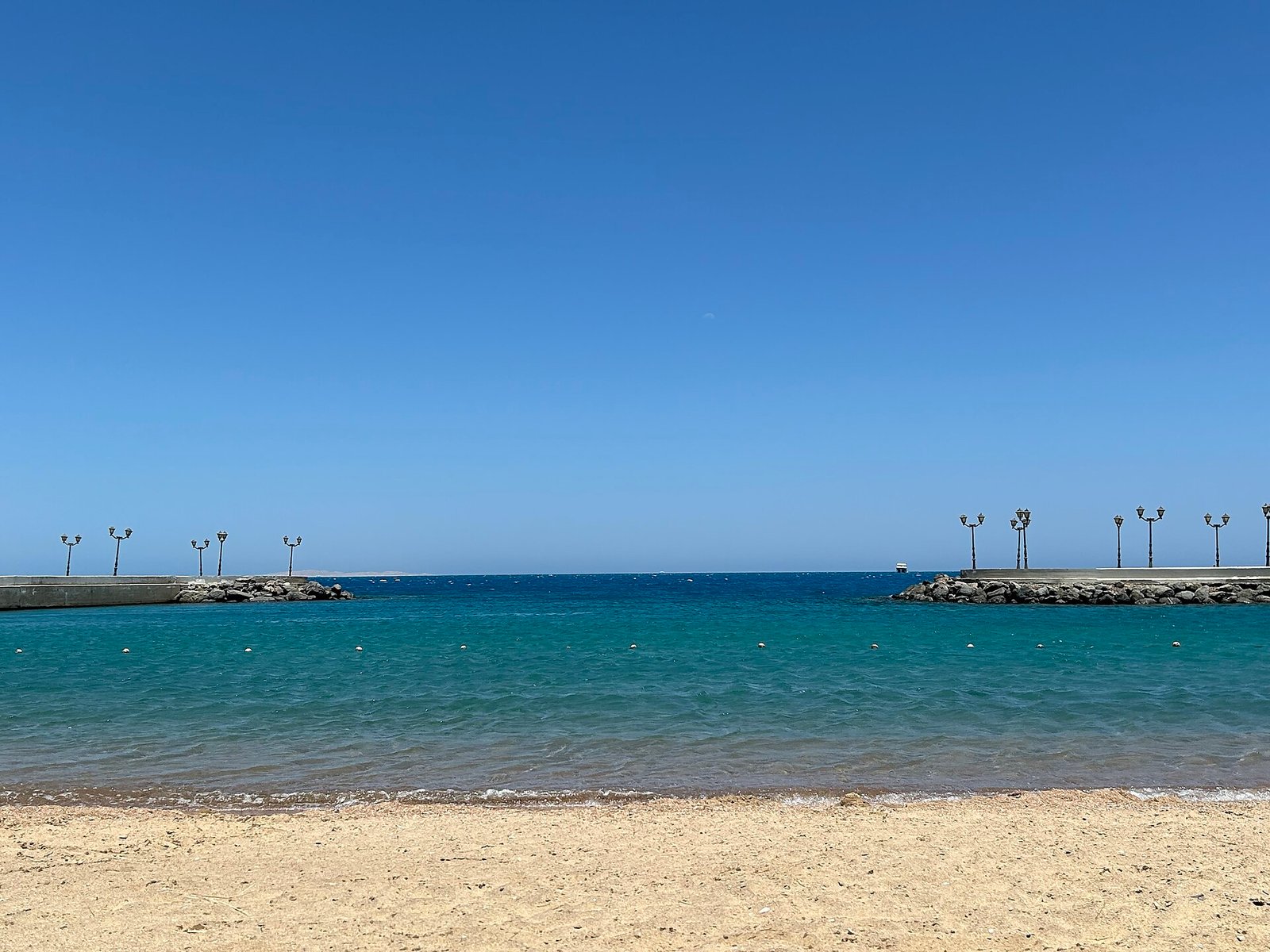
The honest description is a full-day snorkel boat with a strong chance of dolphins. Expect an aquarium encounter with a set start time and you will be disappointed even on a good day. Expect a day on the Red Sea with two excellent snorkel stops and the possibility of the best wildlife moment of your trip, and you will almost certainly come home happy.
The boats are the classic Hurghada day boats: a motor yacht with a shaded lower deck, a sun deck, a galley that turns out a hot lunch, a toilet and a swim platform at the stern. Snorkel gear is on board and a guide watches the water while you are in it.
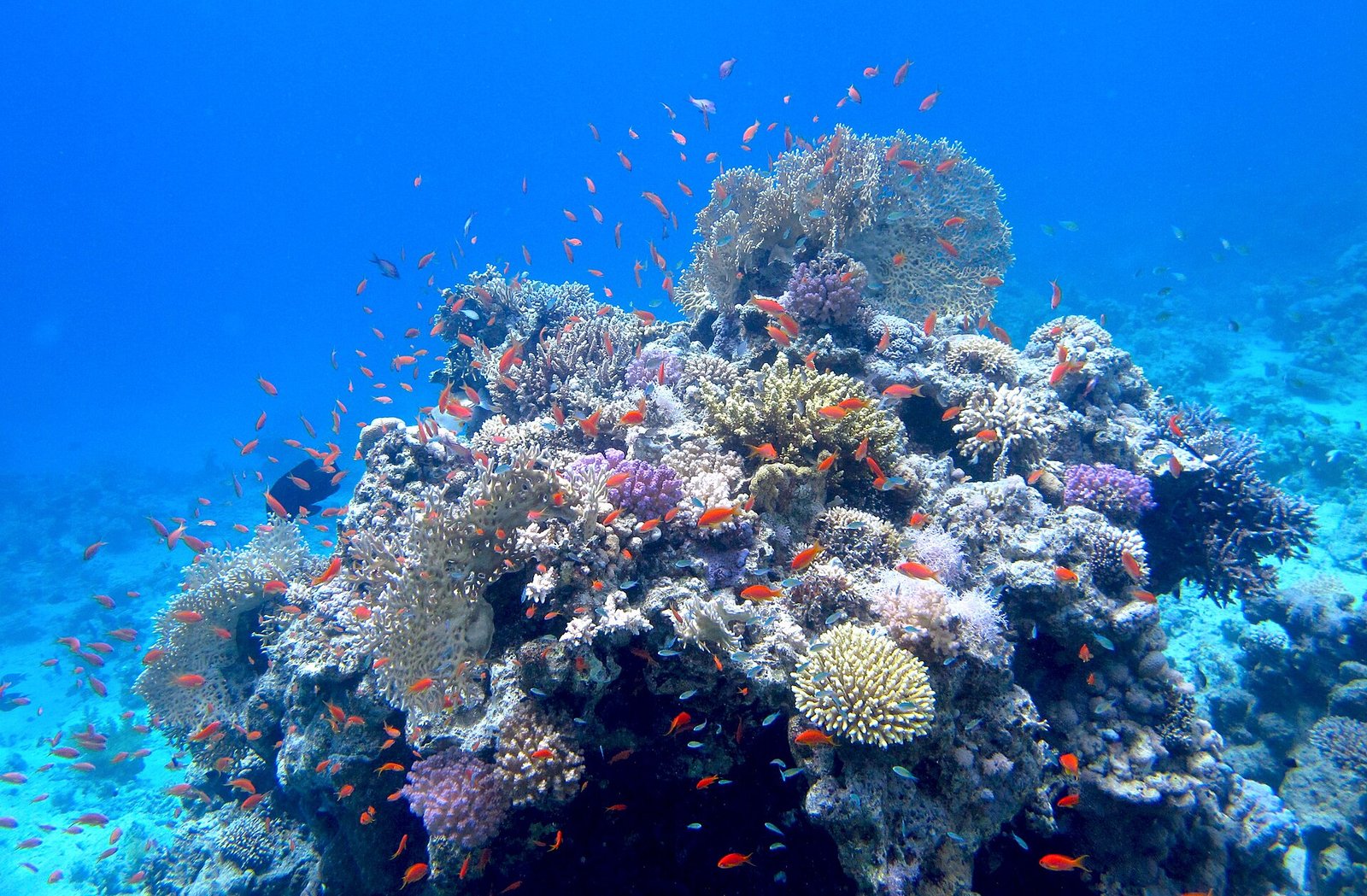
The snorkeling itself, dolphins or not, is very good. The outer walls of Sha'ab el Erg drop into blue water with hard corals, orange clouds of anthias, parrotfish, and often a turtle grazing on the shallow shelf. Most boats add a second, shallower reef on the way back. Compare it with the other sea days on our list of excursions from Hurghada: Giftun is the beach day, Abu Ramada the pure snorkel day, and Dolphin House the one you take for the animals.
The honest odds of seeing dolphins
Nobody telling the truth will give you a number, so we will not either. From years of sending guests out: on a calm morning with an early departure and a boat that approaches properly, seeing dolphins is the usual outcome. On a windy day, or with a late boat arriving after a crowd has already spooked the pod, the odds fall sharply. And on some perfectly good days the dolphins simply are not there.
The reasons a day fails are mostly predictable and mostly human:
- Arriving late. The pod is calmest and closest in the first hours after sunrise. Boats that leave at ten reach a reef already worked over.
- Too many boats. On peak days a dozen boats stack up around the reef. Engine noise alone pushes a resting pod out.
- Bad entries. Everyone jumping in at once, splashing after the animals. The pod dives and leaves.
- Weather. Strong northerlies make the outer reef unworkable and can keep boats in port.
Any operator who "guarantees" dolphins is either planning to sell you a captive facility or planning to take your money and shrug. Treat the guarantee as a warning sign, not a selling point.
The welfare rules, and how to tell a good operator from a bad one
Sha'ab el Erg falls under Red Sea protected-area rules, and there is a code of conduct for dolphin encounters that responsible boats follow whether or not a ranger is watching. A serious operator explains it in the briefing before anyone gets wet. If the briefing skips it, you know what kind of boat you are on.
- No touching, ever. Dolphin skin is delicate and carries bacteria in both directions. A hand on a dolphin ends the encounter and can hurt the animal.
- No chasing. You slide in quietly, float or swim slowly and parallel, and let them close the distance. Swimming at a dolphin is chasing it, however gentle you think you are being.
- Stay out of the resting lagoon. Boats anchor outside the horseshoe and snorkelers stay on the outer edge. The inner lagoon where mothers rest with calves is off limits.
- Small groups in turns, with a guide, not the whole boat at once.
- No flash, no lights, no drones over the pod, no feeding.
- Engines off or idling once the pod is located. No circling to herd them toward the swimmers.
| What to look at | Good operator | Bad operator |
|---|---|---|
| Departure | Early, on the reef by mid-morning | Late pickup, arrives with the crowd |
| Boat size | Small to mid-size, a manageable number of guests | Big party boat, music on deck |
| Briefing | Explains the code of conduct before the first stop | Points at the water and says "dolphins" |
| Approach | Anchors outside, waits, enters in small turns | Drives into the lagoon, everyone in at once |
| Promise | "Good chance, no guarantee" | "Guaranteed swimming with dolphins" |
Avoid outright anything offering "swimming with dolphins" in a pool, pen or enclosure. That is confined animals, not a wild pod on its reef.
How the day runs
A well-run Dolphin House day from Hurghada looks like this:
- Early morning pickup from your hotel in Hurghada, Sahl Hasheesh, Makadi or El Gouna. El Gouna is closest to the reef, so its boats get there first.
- Boarding. Passport check at the marina gate, then tea and the safety and dolphin briefing on the way out.
- The crossing. An hour and a half to two hours of open sea depending on port and wind.
- Sha'ab el Erg. The captain scans for fins. If the pod is there and calm, the guide takes the first small group in from the outer edge. Groups rotate; between turns you snorkel the reef wall.
- Second stop and lunch. Usually a nearby reef with easier, shallower snorkeling, anchored in its lee. Grilled fish or chicken, rice, salads, fruit.
- Return. Mid-afternoon departure, marina by late afternoon, hotel by early evening. Plan nothing else that day.
Who the trip suits, and who should think twice
It suits anyone comfortable in open water with a mask on, families with children who can swim, couples who want one wildlife day between the beach and the temples, and photographers with an action camera and patience. Nothing about the day is technical. You float at the surface, breathe through a tube and look down.
Think twice if you get badly seasick and have no plan for it, if deep water would panic you even in a vest, if you are traveling with a toddler who will be miserable for eight hours on a boat, or if the only outcome you will accept is guaranteed dolphins.
Non-swimmers can do it with a life vest, which every boat carries: you float without effort and can still put your face in the water. Tell us in advance so the right sizes are on board, especially for kids. For a family planning the whole country, our family guide to Egypt covers where this day fits.
Seasickness, weather and the state of the sea
This is the part most people underestimate. The crossing is open water, beam-on to the prevailing northerly wind, and the boat rolls. On a fresh day it is ninety minutes of steady rolling that puts a third of the passengers on the rail.
If you are prone to motion sickness, take a non-drowsy remedy the night before and again in the morning, not on the boat once you feel it. Eat a light breakfast, stay outside in the air, watch the horizon and sit midships on the lower deck where the movement is least.
Sea conditions also decide whether the trip runs. The port authorities close the sea to small boats when the wind picks up, most often in winter and early spring, and the trip then moves to another day. That is why we never schedule Dolphin House for your last morning on the coast; give it a day in the middle of your stay so there is room to slide it.
Water temperature is never the problem. It sits around 72 to 75 F (22 to 24 C) in winter and climbs to 82 to 86 F (28 to 30 C) in late summer. A rash guard is enough most of the year.
What to bring on the boat
The boat supplies mask, snorkel, fins, life vests, lunch and soft drinks. The rest is on you:
- Long-sleeved rash guard. Floating face down for an hour fries your shoulders and the backs of your legs faster than any beach. This item matters most.
- Reef-safe mineral sunscreen, zinc or titanium based, applied before you board.
- Your own mask if you have one. Rental masks leak and fog.
- Hat, sunglasses, a light cover-up for the deck between swims.
- Seasickness medication taken in advance.
- Dry bag for phone, passport copy and cash for the crew tip at the end of the day.
Leave the drone, the selfie stick and the fish food at the hotel. For the packing list across the whole country, what to pack for Egypt has the rest.
Sataya, Samadai and the Marsa Alam alternative
If dolphins are the reason you are coming to the Red Sea, rather than a bonus on a beach week, look south. The reefs off Marsa Alam are known among divers and wildlife travelers precisely for spinner dolphins, and the encounters there are typically longer and with larger pods.
| Sha'ab el Erg (Hurghada) | Sataya and Samadai (Marsa Alam) | |
|---|---|---|
| Main species | Indo-Pacific bottlenose, spinners at times | Spinner dolphins, large pods |
| Access | Day boat from Hurghada or El Gouna | Day boat from Marsa Alam area ports |
| Crowds | Heavy on peak days | Lighter, Samadai has a permit and zone system |
| Best for | A wildlife day inside a Hurghada beach stay | Travelers who chose the coast for the dolphins |
| Snorkeling without dolphins | Very good | Some of the best reefs in Egypt |
Samadai, the southern "Dolphin House", is run as a managed reserve with visitor zones and a boat cap, which is exactly what Sha'ab el Erg lacks. Sataya is a bigger, more open horseshoe several hours further south. Our Marsa Alam guide lays out how a stay down there works. For first-time visitors doing Cairo, a Nile cruise and a few beach days, Hurghada is the practical base. For a trip built around the sea, Marsa Alam wins.
How Explora Egipto books a responsible operator
We are a local agency in Egypt and have been sending guests to Sha'ab el Erg for a long time, so we have seen every version of the bad day: the overloaded party boat, the late departure, the captain who drove into the lagoon. We do not use those boats, and we have dropped operators who started well and slid.
What we check, every season:
- A boat capacity we are comfortable with and a booking practice that does not overfill it.
- Early departures, El Gouna marina preferred when your hotel allows it.
- A guide who gets in the water, briefs the code of conduct and runs entries in small turns.
- Anchoring outside the lagoon, engines idle once the pod is found, no herding.
- Honest wording: no guarantee of dolphins, ever, in anything they or we send you.
Practically, you tell us your hotel and your dates on the coast, and we come back with a day that fits, held on a boat we trust, with pickup arranged. If the sea is closed, we move it inside your stay. A private boat is possible too; ask us for the quote. The whole Red Sea leg, from the beach days to the temples-and-sea itinerary around it, is built the same way.
Frequently asked questions
Are you guaranteed to see dolphins at Dolphin House Hurghada?
No, and any operator who says otherwise is selling something else. The dolphins at Sha'ab el Erg are wild and come and go on their own schedule. On calm mornings with an early, well-behaved boat, seeing them is the usual result, but there are days when the pod is simply elsewhere. The reef snorkeling is excellent regardless.
Can you actually swim with the dolphins, or just watch from the boat?
You can be in the water with them, snorkeling at the surface, when the pod is on the outer reef and relaxed. You do not swim at them, touch them or follow them. You slide in quietly in a small group, float or move slowly, and the dolphins choose to approach or not. When they lose interest, the encounter is over.
Is Dolphin House suitable for kids and non-swimmers?
Yes for children who are happy in the sea with a mask, usually from about six or seven up, and yes for non-swimmers willing to wear a life vest and float with a guide beside them. The boat has vests and a ladder, and the reef edge is close. The crossing is long and can be rough, so small children and anyone who gets very seasick should weigh that first.
How long is the boat ride to Sha'ab el Erg?
Roughly an hour and a half from Hurghada marina and somewhat less from El Gouna, depending on the boat and the sea state. It is open water and the boat rolls in a northerly wind, so take a motion-sickness remedy in advance if you are prone to it. It is a full day, early pickup to early evening.
What is the best time of year for Dolphin House?
The dolphins are there year round. What changes is the sea. Spring and fall bring the calmest crossings and the clearest water. Winter has more wind and more days when the port closes to small boats. Midsummer is calm but very hot on deck, so shade and water matter. Whatever the month, book it for the middle of your coastal stay so it can move if the weather turns.
Dolphin House Hurghada or the dolphin reefs at Marsa Alam?
If you are already in Hurghada for the beach, Sha'ab el Erg is the right choice and needs no extra travel. If dolphins are the reason for the whole coast, Samadai and Sataya near Marsa Alam have spinner dolphins in bigger pods, fewer boats and a managed reserve system. Tell us what matters more, and we place the dolphin day where it gives you the best odds.
Meet the dolphins of Sha'ab el Erg on their terms
Send us your dates on the Red Sea and the name of your hotel, and we come back with a Dolphin House day on a boat we trust: early departure, small groups in the water, a guide who follows the rules, and the rest of your Egypt trip built around it. No prices on this page, just a quote in your inbox.